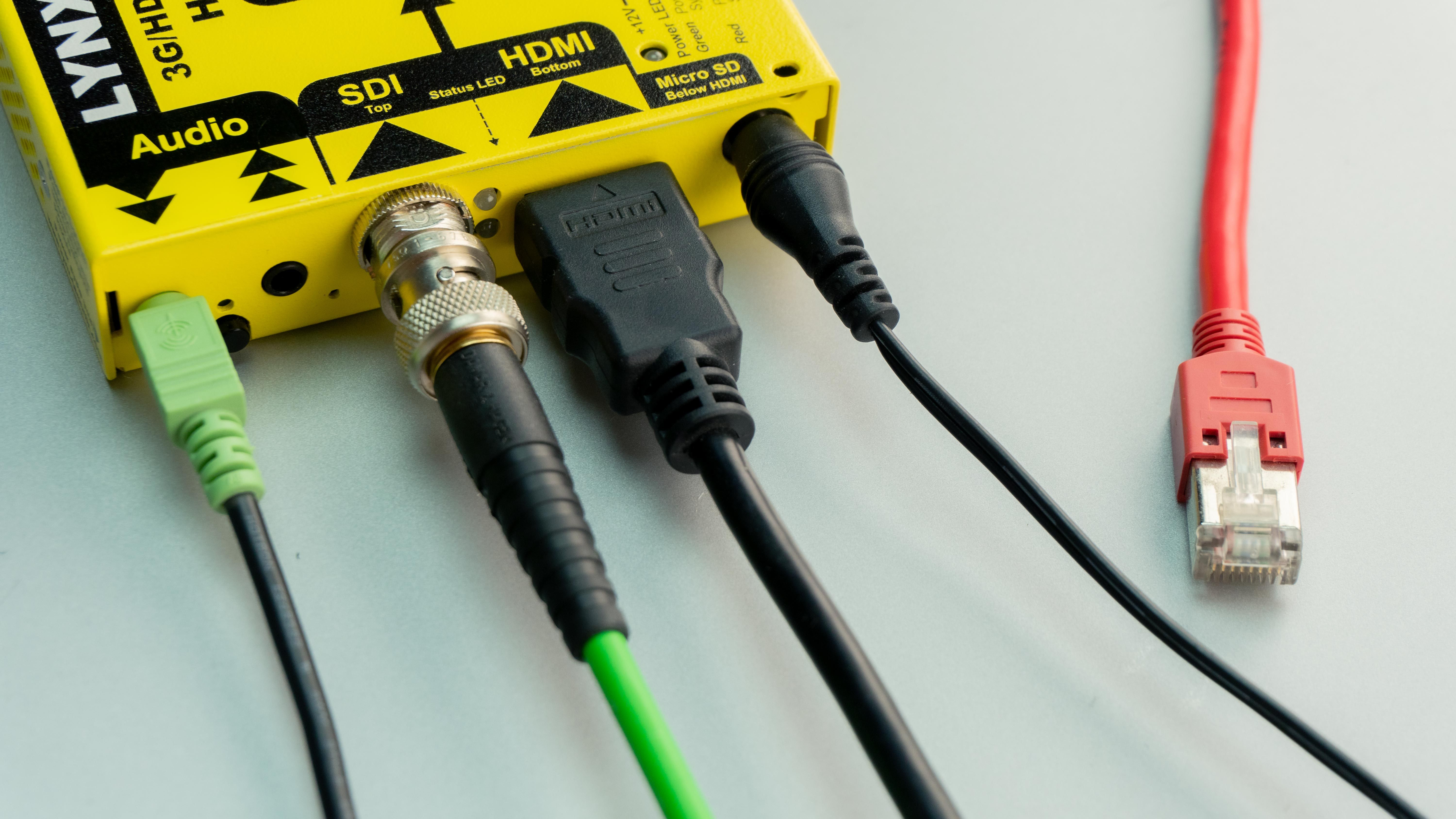
In many electrical systems, performance issues are often traced back to components that seem simple at first glance.
Power fluctuations, overheating, or unexpected interruptions are frequently attributed to equipment. However, in many cases, the root cause lies in how electrical cables are designed and manufactured.
Typical challenges include:
- Voltage drop under continuous load
- Overheating due to improper conductor sizing
- Insulation failure in demanding environments
- Inconsistent performance across different batches
These are not isolated issues—they indicate that the cable is not properly matched to the system.
This is where a professional custom electrical cable manufacturer becomes essential. At Alvins, cable design begins with understanding electrical requirements, ensuring that performance and safety are built into the system from the start.
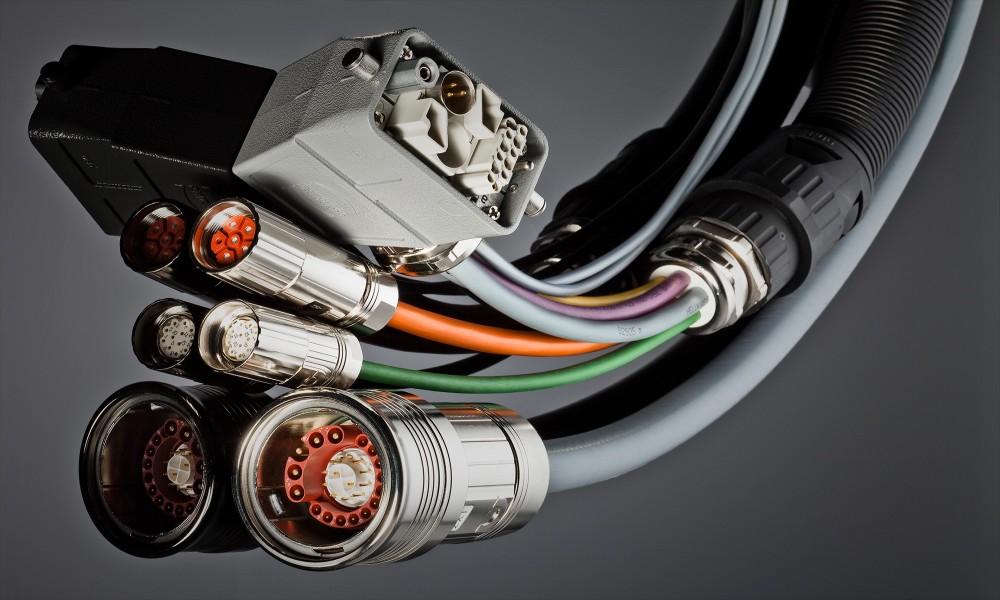
Material and Electrical Structure Define Safety and Performance
Before assembly, electrical cable performance is determined by its internal structure.
A high-quality custom electrical cable typically includes:
- High-conductivity copper conductors
Ensuring efficient current flow and reducing heat generation - Appropriate conductor sizing
Matching current load to prevent overheating - Multi-layer insulation systems
Providing protection against electrical leakage and environmental stress - Shielding (when required)
Reducing interference in mixed power and signal environments
According to the International Electrotechnical Commission, correct conductor sizing and insulation are critical to electrical safety and long-term reliability.
Reference: https://www.iec.ch/
These elements are essential for maintaining stable performance in real-world electrical systems.
Why Experience Matters in Electrical Cable Customization
Electrical cables require more than standard specifications—they must be adapted to actual operating conditions.
At Alvins, custom electrical cable design focuses on:
- Matching voltage and current requirements precisely
- Selecting insulation based on environmental conditions
- Designing cables for both safety and durability
This approach ensures that cables are not only functional but also reliable under continuous use.
The difference becomes apparent over time, especially in systems that operate under load or in challenging environments.
Engineering Approach to Custom Electrical Cable Solutions
To ensure safety and stability, a structured engineering process is applied:
Step 1: Electrical Requirement Analysis
Define voltage, current, and load conditions
Step 2: Conductor and Insulation Selection
Match materials to performance and safety requirements
Step 3: Thermal and Mechanical Consideration
Ensure cables can withstand operating conditions
Step 4: Assembly and Integration
Maintain consistency in production
Step 5: Testing and Validation
Verify electrical performance and safety
According to IPC, controlled design and testing processes significantly reduce failure rates in electrical cable systems.
Reference: https://www.ipc.org/
Performance Comparison: Standard Electrical Cable vs Custom Solution
| Parameter | Standard Cable | Custom Electrical Cable | Benefit |
|---|---|---|---|
| Voltage Stability | Moderate | High | Improved reliability |
| Heat Resistance | Limited | Optimized | Reduced overheating |
| Insulation Performance | Basic | Enhanced | Better safety |
| Lifespan | Short-term | Long-term | 2–3× durability |
| System Compatibility | Fixed | Fully matched | Better integration |
These improvements are critical in systems where electrical performance directly affects operation.
Case Example: Improving Stability in a Power Distribution System
A client operating a power distribution system experienced recurring issues:
- Voltage instability during peak load
- Cable overheating in continuous operation
- Increased maintenance requirements
After evaluation, the solution involved:
- Redesigning conductor size to match load conditions
- Upgrading insulation materials
- Improving cable structure for better heat dissipation
Results:
- Voltage stability improved significantly
- Overheating issues eliminated
- Maintenance frequency reduced
This case highlights the importance of proper electrical cable design.
Procurement Considerations for Custom Electrical Cable Projects
When selecting a custom electrical cable manufacturer, buyers should evaluate:
- Ability to match electrical requirements precisely
- Consistency in materials and production
- Compliance with safety standards
- Testing and validation processes
Choosing the right supplier ensures both performance and safety.
Final Perspective: Electrical Safety Starts with the Right Cable Design
Electrical systems rely on stable and safe power delivery.
A reliable custom electrical cable manufacturer ensures:
- Proper conductor sizing and material selection
- Safe insulation and structural integrity
- Consistent performance across all units
At Alvins, we focus on designing electrical cable solutions that meet real-world requirements, ensuring safety and reliability from design to production.
Explore our capabilities here:
https://www.alvins.com/
Or request a custom electrical cable solution:
https://www.alvins.com/request-a-quote