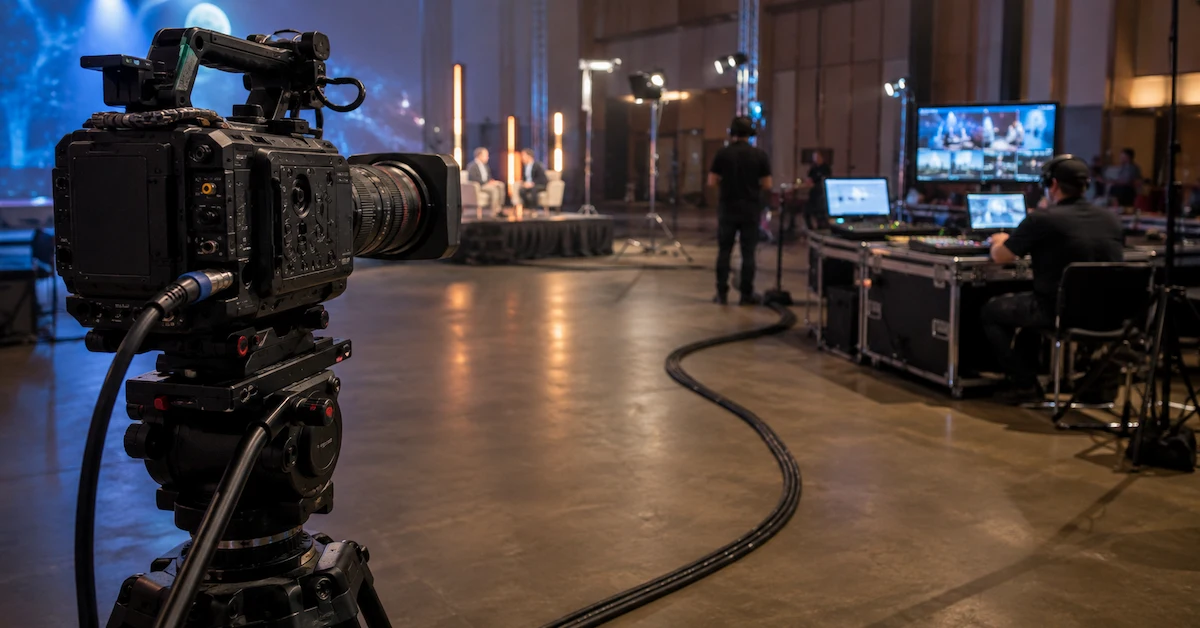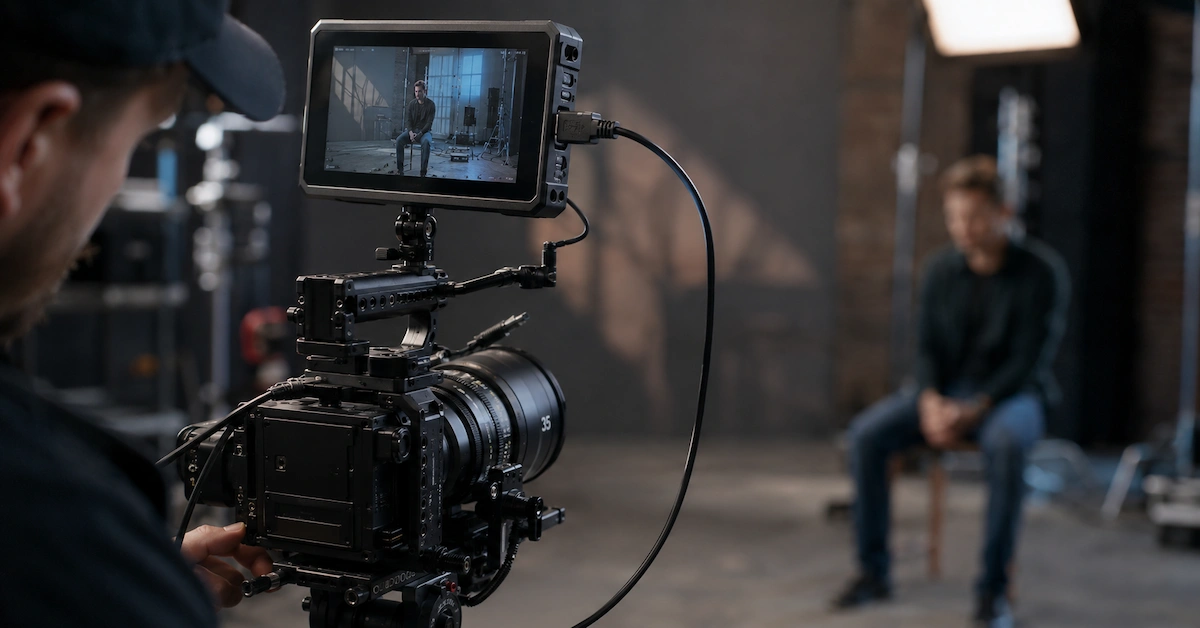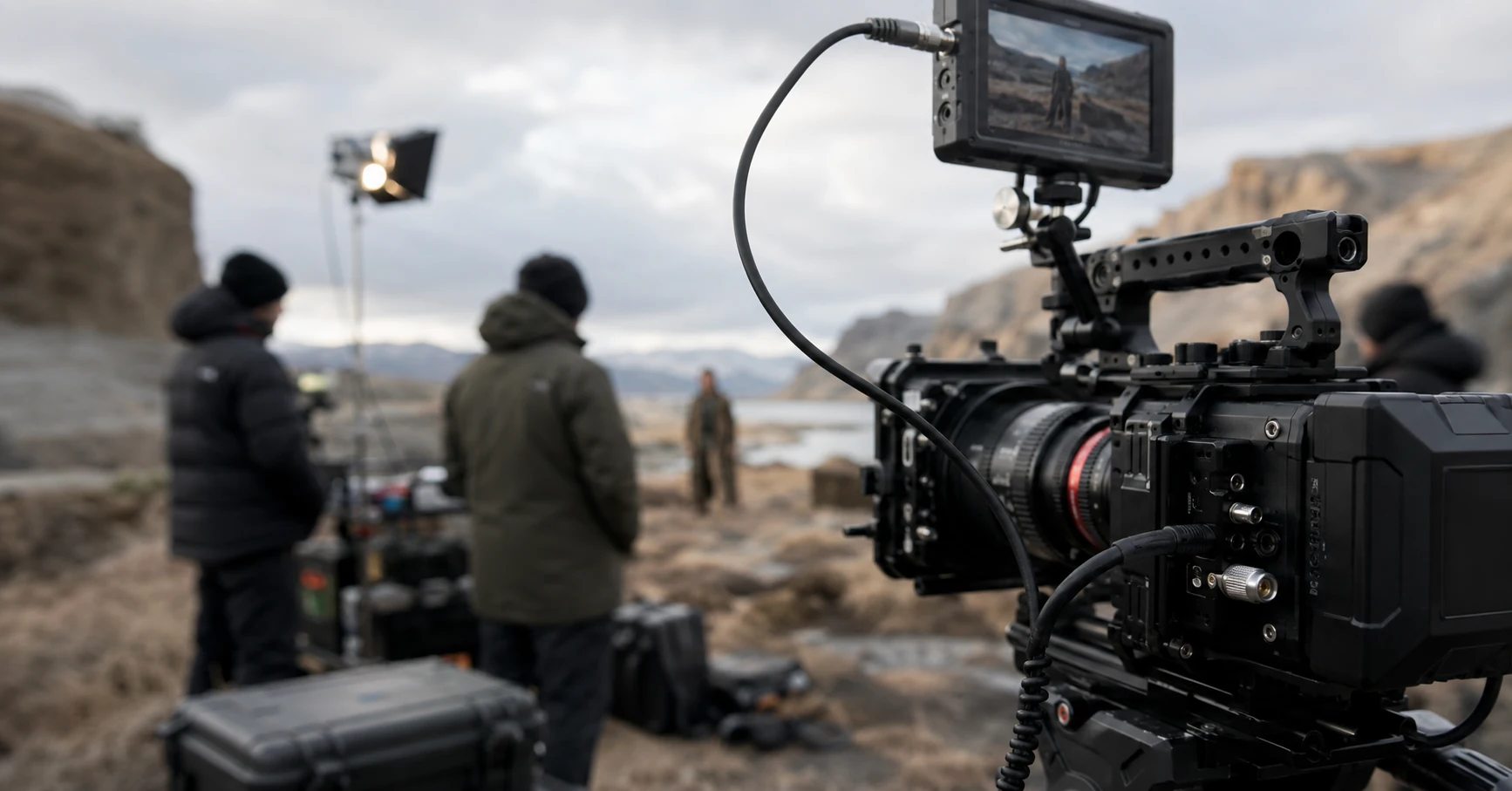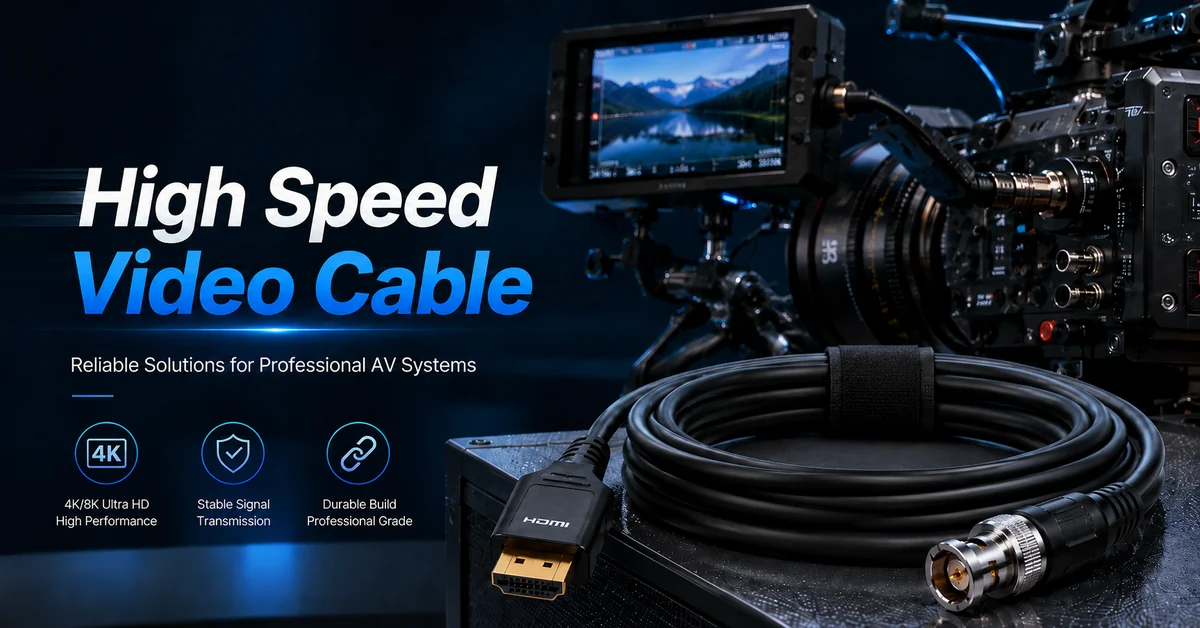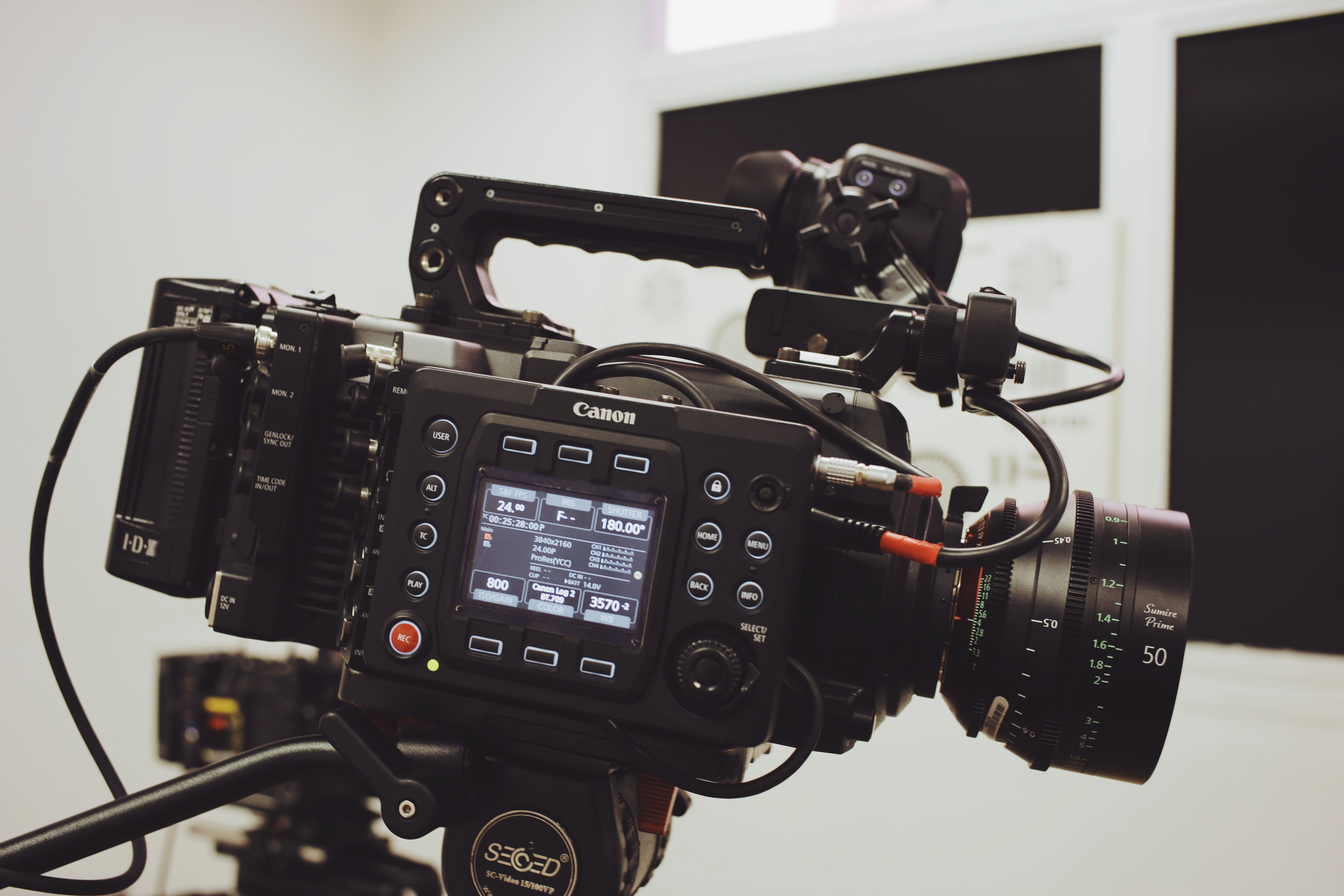
In modern AV and industrial environments, video signal instability is a common issue caused by electromagnetic interference (EMI), long transmission distances, and poor cable quality. These problems often lead to flickering screens, color distortion, or complete signal loss.
A properly engineered shielded video cable is designed to solve these issues by blocking external noise and maintaining clean, stable signal transmission.
Learn more about Alvins’ engineering background here:
About Alvins.
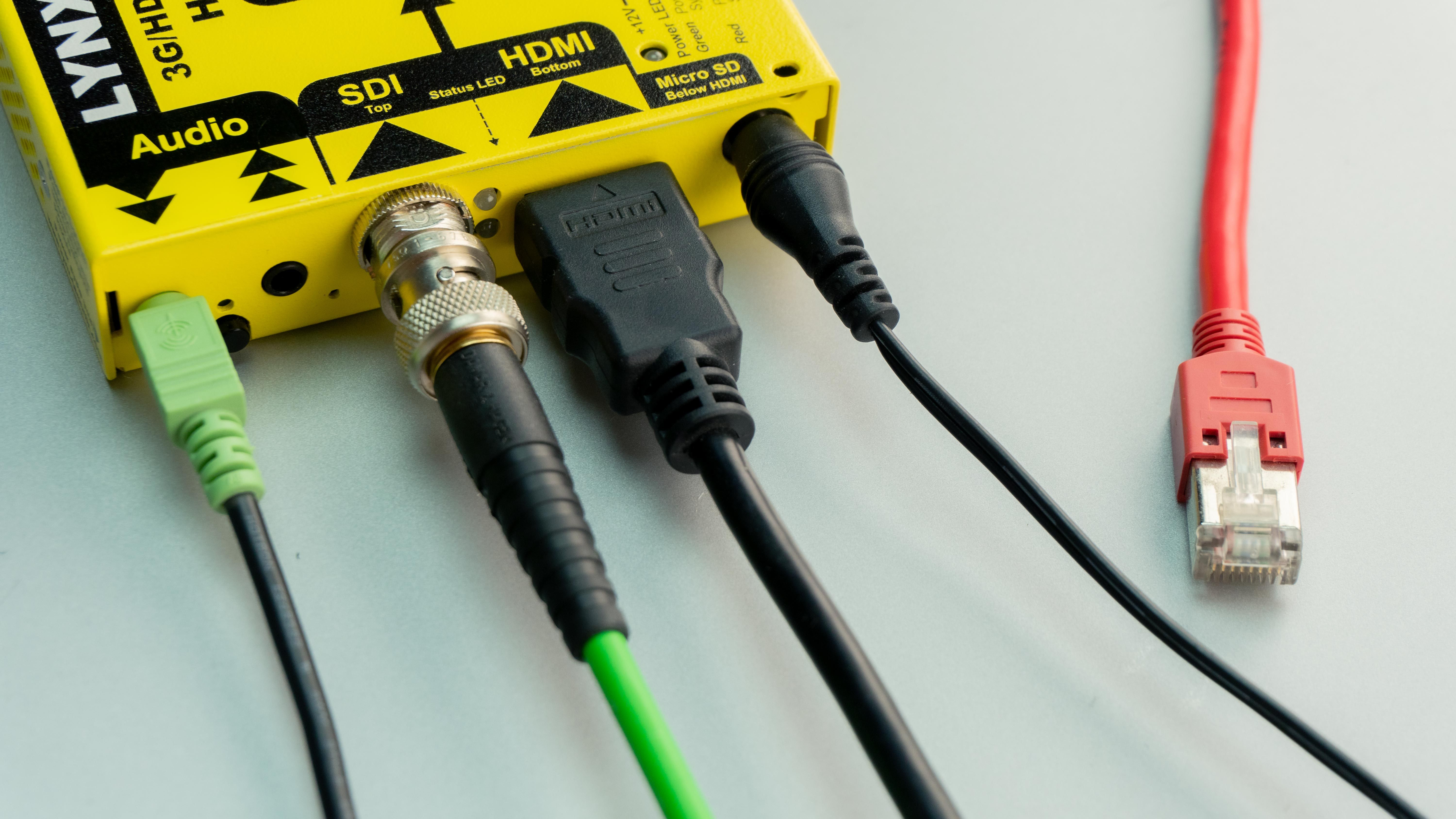
How Shielded Video Cables Work
Shielded video cables use multiple protective layers to reduce interference:
- Aluminum foil shielding blocks high-frequency noise
- Braided copper shielding provides durability and low resistance
- Grounding paths reduce accumulated electrical noise
This structure ensures that even in environments with heavy machinery or dense wiring systems, the video signal remains stable and accurate.
Why Standard Cables Fail in High-Interference Environments
Standard unshielded cables often fail in real-world applications due to:
- Lack of EMI protection
- Weak conductor insulation
- Signal leakage over long distances
- External noise from power systems or wireless devices
In contrast, an EMI shielded video cable significantly reduces these risks, making it essential for professional setups.
Engineering Solutions Behind High-Performance Shielding
Leading manufacturers design shielded cables using:
- Multi-layer shielding architecture
- Impedance-matched conductors
- Oxygen-free copper for signal purity
- Precision testing for broadcast standards
These engineering improvements make them suitable for broadcast grade video cable applications where signal integrity is critical.
Explore full solutions here:
Custom Cable Products.
Key Advantages of Shielded Video Cables
- Strong resistance to electromagnetic interference
- Stable long-distance signal transmission
- Reduced noise and distortion
- Suitable for complex industrial environments
- Improved reliability in professional AV systems
These benefits make shielded cables essential in both commercial and industrial installations.
Application Scenarios
Shielded video cables are widely used in:
- Broadcast studios and control rooms
- Industrial automation systems
- Medical imaging equipment
- Large LED display installations
- Conference and presentation systems
- Security monitoring systems
Each scenario requires different levels of shielding performance depending on interference intensity.
How to Choose the Right Shielded Video Cable
When selecting a cable, consider:
- Level of EMI exposure in the environment
- Required transmission distance
- Signal resolution (HD / 4K / 8K)
- Cable flexibility and installation type
- Connector compatibility
For professional engineering support or customization:
Request a Quote.
FAQ
Q1: What is the main purpose of a shielded video cable?
It is designed to block electromagnetic interference and ensure stable video signal transmission.
Q2: Can shielded cables improve 4K video stability?
Yes, especially in environments with high EMI or long cable runs.
Q3: What is the difference between foil and braided shielding?
Foil blocks high-frequency noise, while braided shielding provides durability and low-resistance grounding.
Q4: Are shielded cables necessary for home use?
Not always, but they are highly recommended for complex or interference-prone setups.
More technical FAQs available here:
FAQs.
Conclusion
A high-quality shielded video cable is essential for ensuring stable and noise-free video transmission in environments with strong electromagnetic interference. By combining advanced shielding technology with precision engineering, professional cables deliver consistent performance across industrial, broadcast, and commercial applications.
For reliable engineering-grade solutions, Alvins provides both standard and customized cable systems tailored to complex project requirements.