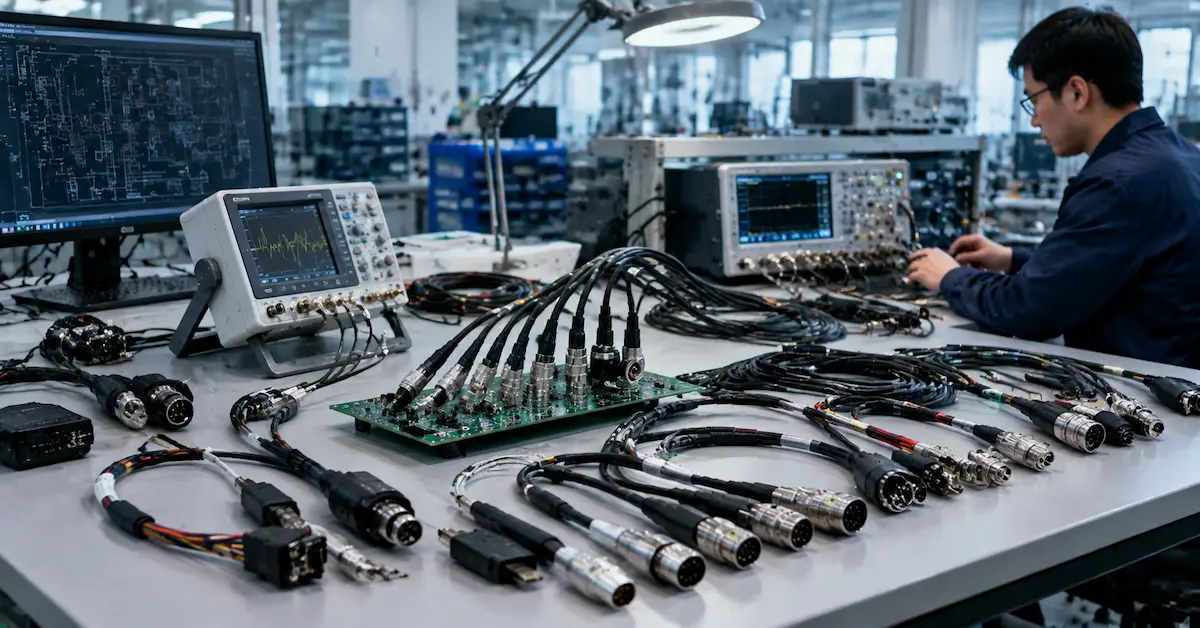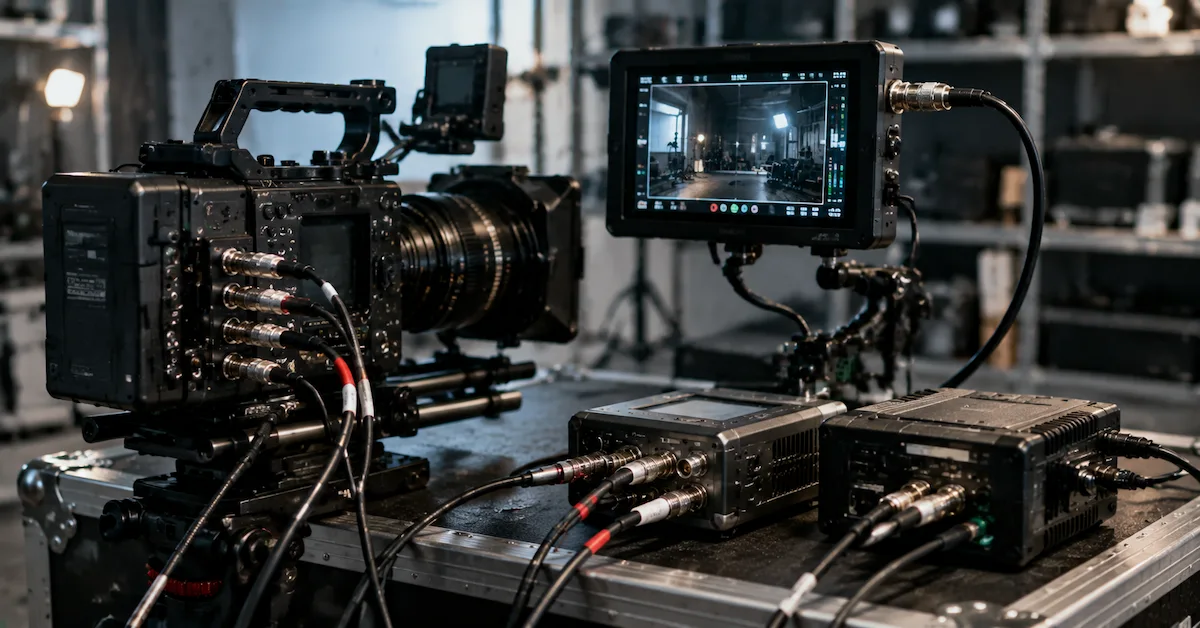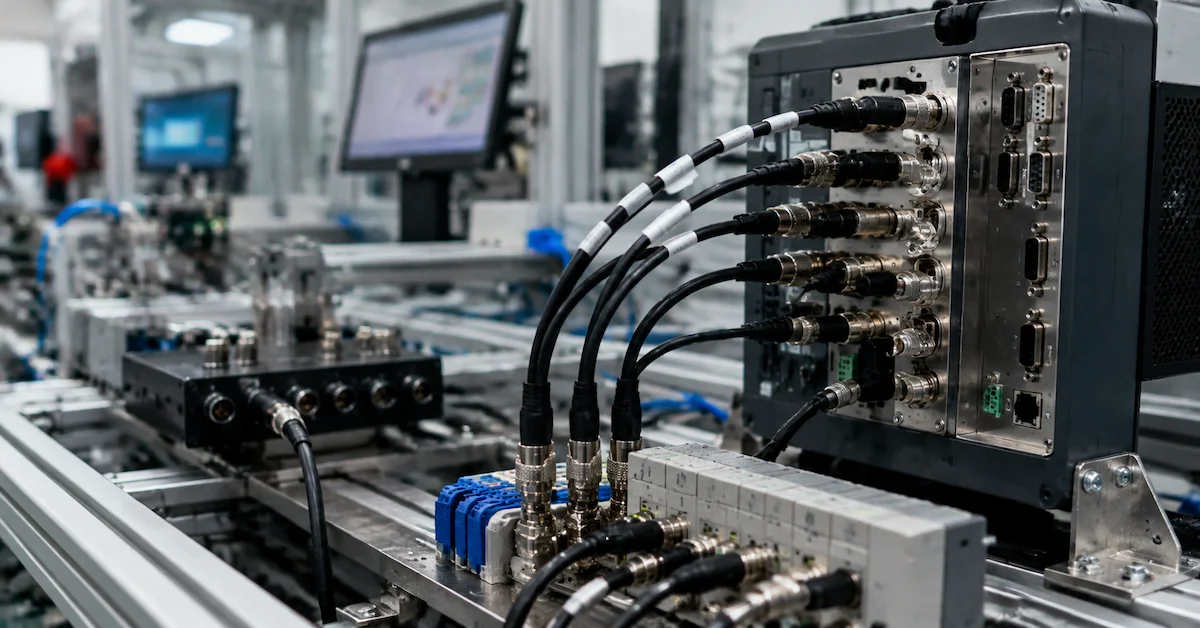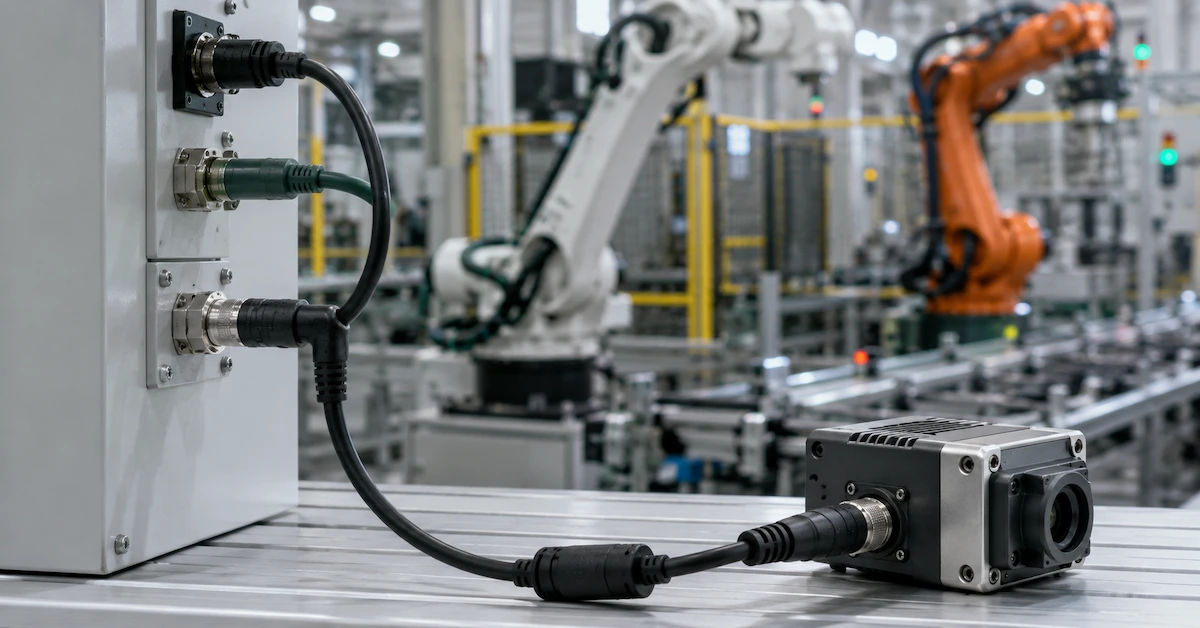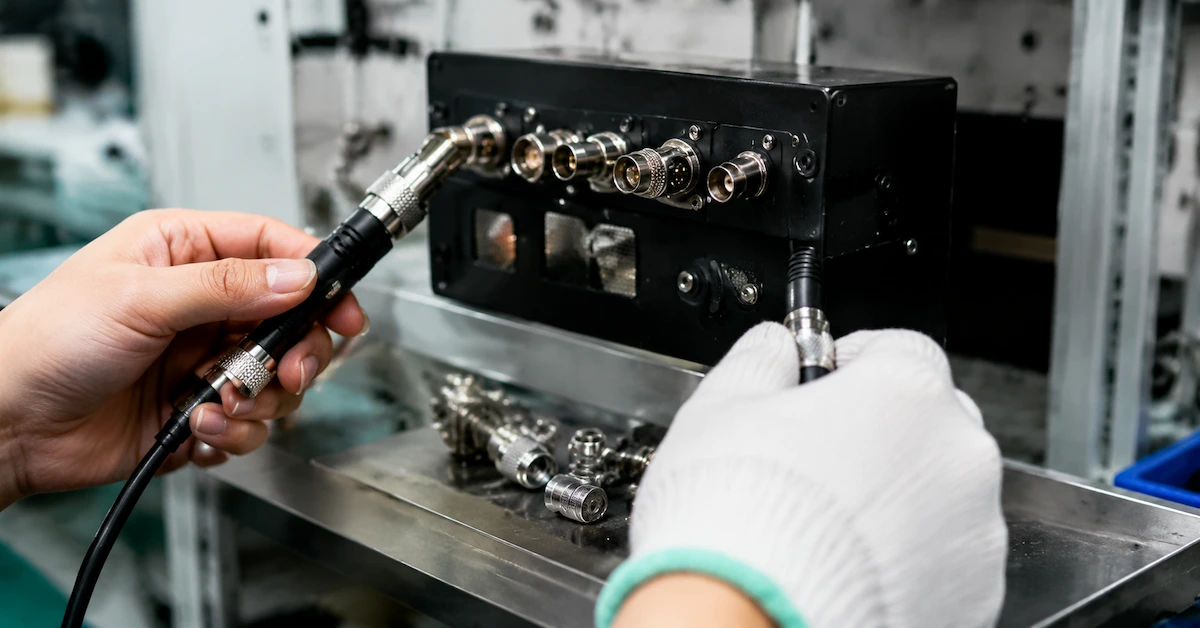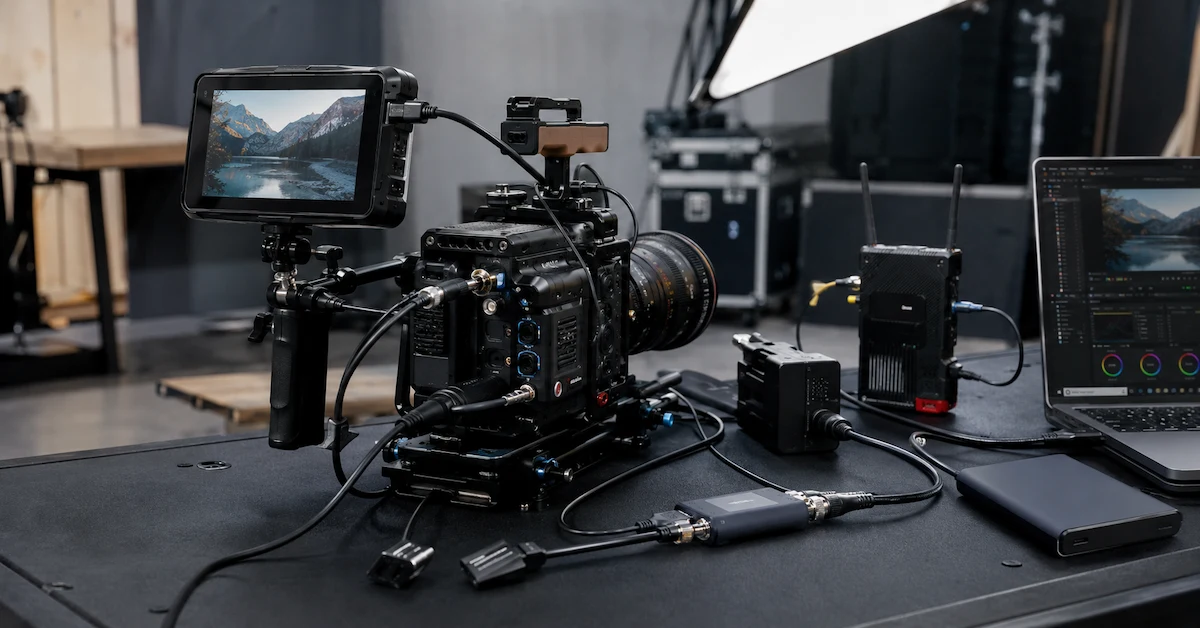
A camera adapter cable is designed to connect professional cameras with different accessories, power systems, monitoring equipment, and recording devices.
Modern cinema and broadcast workflows often involve multiple devices from different manufacturers. Cameras may need to connect with:
- External monitors
- Video recorders
- Wireless transmitters
- Battery systems
- Focus controllers
- Camera accessories
Because these devices often use different connectors and interface standards, standard cables may not always meet professional requirements.
A custom camera adapter cable provides a reliable solution by matching:
- Connector type
- Signal requirements
- Power specifications
- Cable length
- Installation environment
- Mechanical design
For professional users, the right adapter cable improves equipment compatibility, reduces setup complexity, and creates a cleaner camera workflow.
For customized camera cable projects, buyers can explore Alvin’s Cables custom cable solutions.
What Is a Camera Adapter Cable?
A camera adapter cable is a customized cable assembly designed to connect cameras with external equipment that uses different interfaces or connection requirements.
Unlike standard consumer cables, professional camera adapter cables are usually developed around specific equipment models.
Common applications include:
- Camera to monitor connection
- Camera to recorder connection
- Camera power adaptation
- Camera accessory integration
- Battery interface connection
- Broadcast equipment connection
A professional camera adapter cable supplier should evaluate the complete system before production.
Important considerations include:
- Camera model
- Accessory model
- Connector specifications
- Signal type
- Voltage requirements
- Cable routing
Why Professional Cameras Need Adapter Cables
Professional camera systems are highly modular.
A typical cinema camera setup may include:
- Camera body
- External monitor
- Recorder
- Wireless video transmitter
- V-Mount battery
- Lens control system
Each accessory may use different connection standards.
Without the correct adapter cable, users may experience:
- Equipment incompatibility
- Unstable connections
- Excess cable clutter
- Limited camera movement
- Increased setup time
Custom camera adapter cables help integrate different devices into one efficient production system.
Common Applications of Camera Adapter Cables
Camera to Monitor Connection
External monitors are commonly used in professional filming.
Camera adapter cables can connect:
- Camera outputs
- Field monitors
- Video assist systems
- Director monitors
Applications include:
- Film production
- Documentary shooting
- Live events
- Studio recording
A suitable cable ensures reliable video monitoring during production.
Camera to Recorder Connection
Professional cameras often work with external recording equipment.
Adapter cables help connect:
- Cinema cameras
- External recorders
- Storage systems
- Video processing equipment
The cable design must match:
- Signal format
- Connector type
- Transmission requirements
Camera Power Adapter Cable
Many camera accessories require dedicated power solutions.
Applications include:
- Camera monitors
- Wireless transmitters
- Recorders
- Focus systems
Power adapter cables must confirm:
- Voltage
- Current
- Polarity
- Connector size
For camera power requirements, buyers can review related professional power cable solutions.
Camera Accessory Integration
Modern camera rigs often include multiple accessories.
Custom adapter cables help connect:
- Wireless systems
- Control devices
- Audio equipment
- Camera modules
This reduces the need for multiple adapters and improves equipment organization.
Common Camera Adapter Cable Types
| Cable Type | Application | Typical Use |
|---|---|---|
| HDMI Camera Cable | Video monitoring | Cameras and displays |
| SDI Camera Cable | Broadcast video | Professional production |
| D-Tap Camera Cable | Battery power | Cinema cameras |
| DC Camera Cable | Accessory power | Monitors and recorders |
| LEMO Camera Cable | Professional systems | High-end cameras |
| Custom Camera Cable | Special applications | OEM projects |
Key Factors When Choosing a Camera Adapter Cable
1. Connector Compatibility
The connector is one of the most important parts of a camera adapter cable.
Buyers should confirm:
- Connector type
- Connector series
- Pin count
- Gender
- Locking mechanism
- Physical dimensions
Common camera connectors include:
- HDMI
- SDI
- BNC
- LEMO
- D-Tap
- DC
- USB-C
- XLR
A connector that looks similar may still have different wiring or functions.
2. Signal Requirements
Different camera systems transmit different signals.
Buyers should confirm:
- Video signal type
- Resolution
- Frame rate
- Bandwidth
- Transmission standard
For professional video applications, cable construction affects:
- Signal stability
- Transmission distance
- Image quality
3. Power Requirements
Camera power adapter cables require accurate electrical matching.
Important specifications include:
- Input voltage
- Output voltage
- Current capacity
- Polarity
- Connector rating
Incorrect power design may cause:
- Device shutdown
- Overheating
- Equipment damage
4. Cable Length and Flexibility
Camera rigs require cables that fit specific layouts.
Custom lengths help:
- Reduce cable clutter
- Improve camera movement
- Protect equipment ports
- Simplify installation
Flexible cable structures are especially useful for:
- Handheld cameras
- Gimbals
- Shoulder rigs
- Mobile production
5. Durability and Strain Relief
Professional camera cables experience frequent movement.
Important durability features include:
- Reinforced connector ends
- Flexible jacket
- Strong solder joints
- Bend resistance
- Reliable assembly
This is especially important for:
- Rental houses
- Production companies
- Broadcast teams
Camera Adapter Cable Specification Reference
| Item | Specification |
|---|---|
| Application | Cinema, broadcast, AV |
| Connector Options | HDMI, SDI, LEMO, D-Tap, DC |
| Cable Length | Customizable |
| Signal Type | Video, power, control |
| Connector Style | Straight / Right-angle |
| Cable Structure | Flexible and durable |
| Production Type | Prototype, OEM, bulk production |
Custom Camera Adapter Cable Manufacturing Process
Requirement Analysis
The supplier reviews:
- Camera model
- Connected equipment
- Connector requirements
- Signal or power specifications
Engineering Design
Engineers confirm:
- Wiring diagram
- Connector selection
- Cable structure
- Production method
Prototype Testing
Prototype testing verifies:
- Equipment compatibility
- Signal performance
- Mechanical fit
Production Quality Control
Manufacturing inspection includes:
- Connector inspection
- Electrical testing
- Cable appearance
- Assembly quality
Camera Adapter Cable vs Standard Cable
| Factor | Standard Cable | Custom Camera Adapter Cable |
|---|---|---|
| Compatibility | General devices | Specific camera systems |
| Connector options | Fixed | Customized |
| Length | Standard | Custom |
| Wiring | Standard | Application-specific |
| OEM support | Limited | Available |
| Professional use | Basic | Cinema and broadcast |
Who Needs Camera Adapter Cable Solutions?
| Buyer Type | Requirement |
|---|---|
| Film production companies | Camera rig integration |
| Broadcast companies | Reliable video connections |
| Camera brands | OEM cable development |
| Rental houses | Durable cable inventory |
| AV integrators | Custom installation |
| Distributors | Professional cable supply |
Why Choose Alvin’s Cables for Camera Adapter Cable Projects?
Alvin’s Cables provides professional cable solutions for photography, film, broadcast, AV, and industrial applications.
For camera adapter cable projects, Alvin’s Cables supports:
- Custom camera cable development
- HDMI camera cables
- SDI camera cables
- D-Tap power cables
- LEMO camera cables
- DC adapter cables
- Custom connector combinations
- OEM production
- Prototype development
Buyers can explore available solutions through the Alvin’s Cables product center.
For customized camera connection requirements, visit custom cable solutions.
Information Required for Custom Orders
| Information | Purpose |
|---|---|
| Camera model | Confirm compatibility |
| Accessory model | Define connection |
| Connector type | Select components |
| Signal requirement | Determine design |
| Voltage/current | Confirm power safety |
| Cable length | Support installation |
| Quantity | Plan production |
Submit project details through the request a quote page.
FAQ
What is a camera adapter cable?
A camera adapter cable connects professional cameras with monitors, recorders, batteries, and accessories using compatible interfaces.
Can camera adapter cables be customized?
Yes. Connector types, cable length, wiring, and structure can be customized.
What connectors are used for camera adapter cables?
Common connectors include HDMI, SDI, BNC, LEMO, D-Tap, DC, and USB-C.
Are camera adapter cables suitable for cinema cameras?
Yes. They are widely used in cinema, broadcast, and professional video production.
How do I choose a camera adapter cable supplier?
Choose a supplier with cable engineering experience, customization capability, testing processes, and OEM production support.
Conclusion
A reliable camera adapter cable helps professional users create efficient and stable camera systems.
For cinema production, broadcast workflows, and professional AV applications, customized adapter cables improve compatibility, equipment organization, and workflow efficiency.
Alvin’s Cables provides custom camera adapter cable solutions for production companies, equipment brands, and system integrators.
Contact Alvin’s Cables to discuss your camera cable requirements.