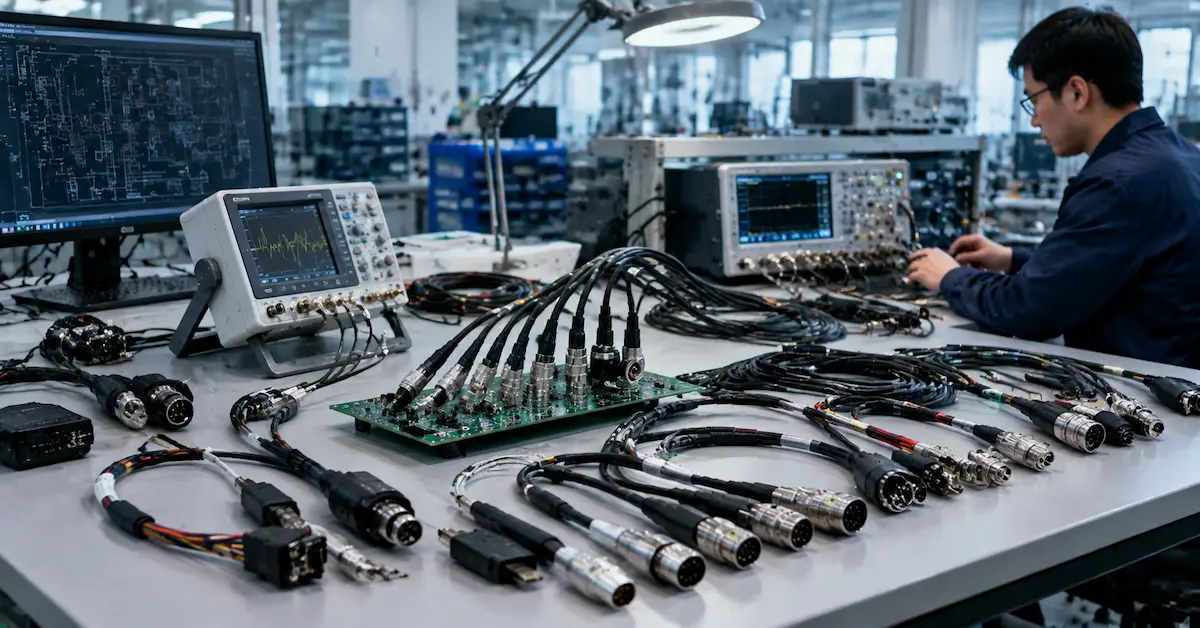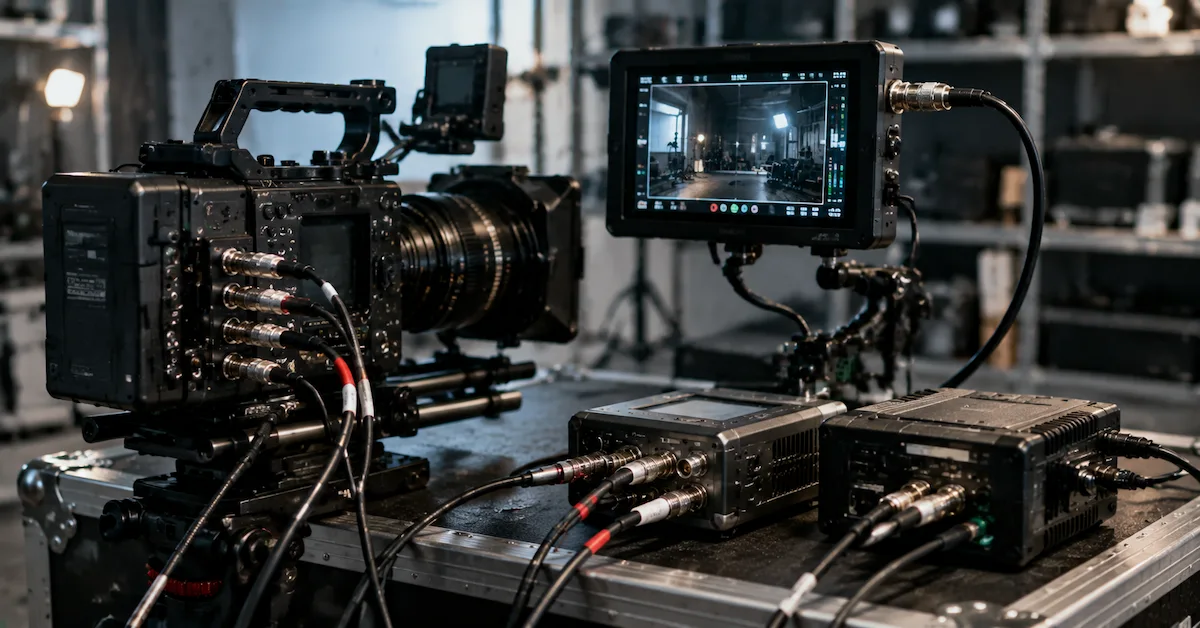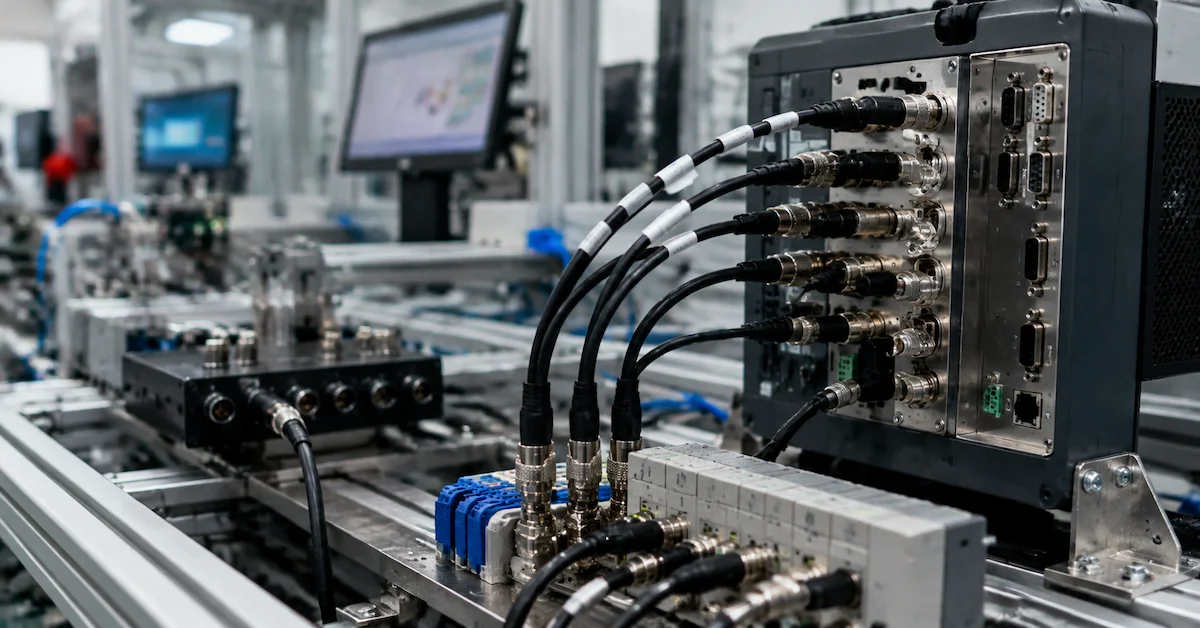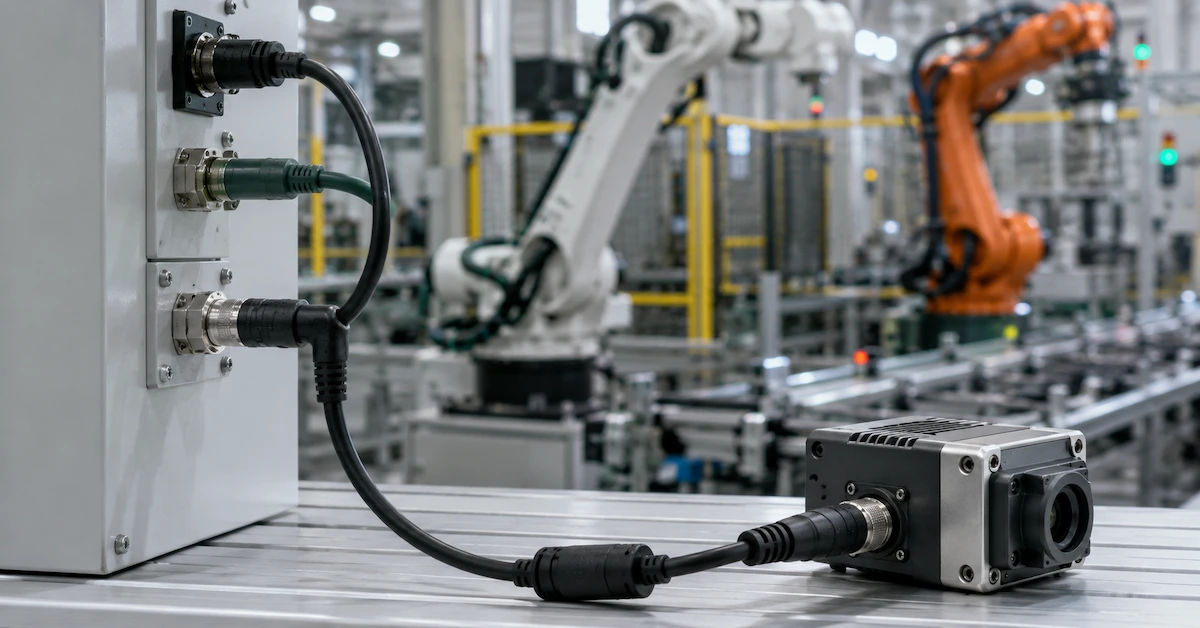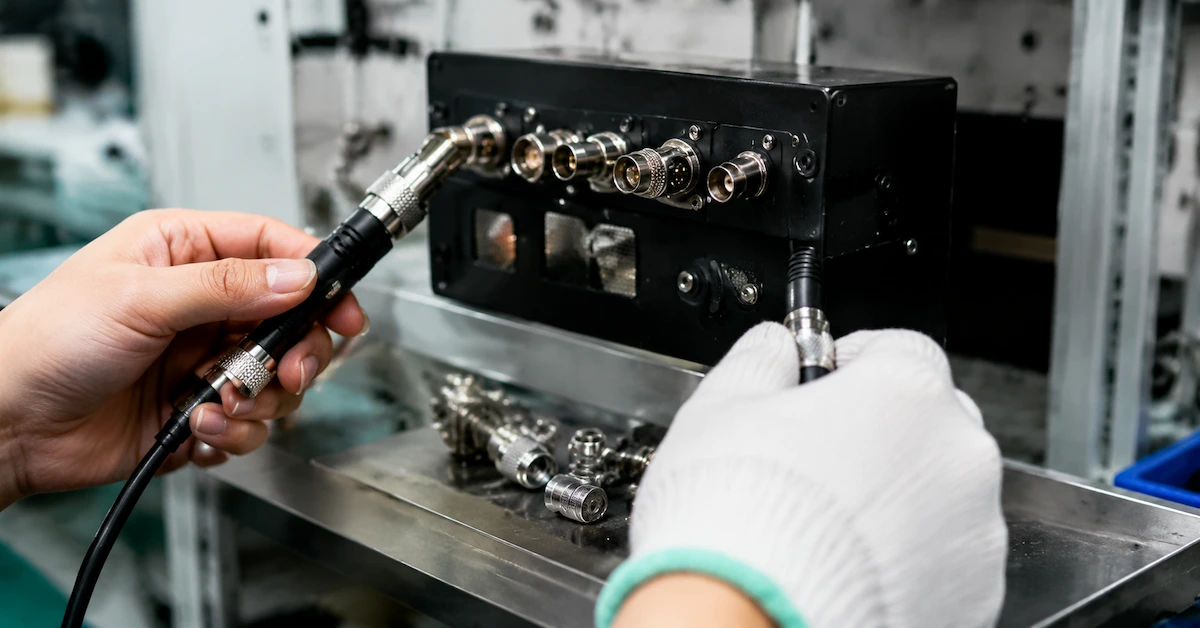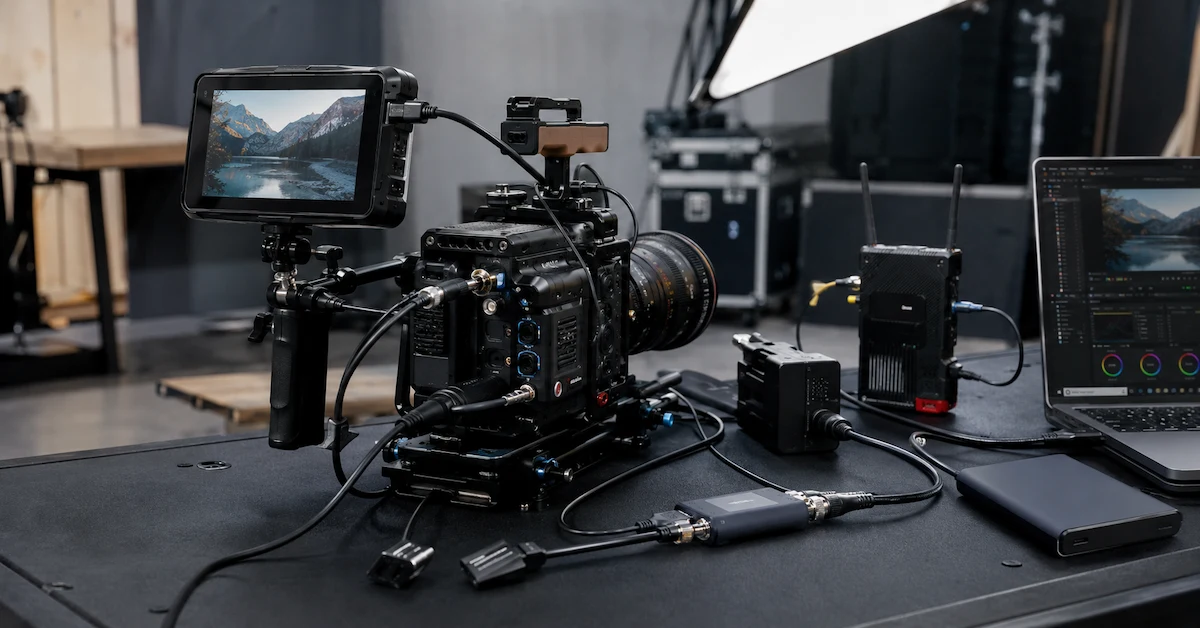
A reliable studio cable manufacturer is important for any professional production environment where stable signal, clean routing, and long-term durability matter. In film studios, broadcast rooms, interview sets, livestreaming spaces, control rooms, and AV installations, cables connect cameras, monitors, recorders, switchers, microphones, control devices, and power systems.
For B2B buyers, studio cables are not simple accessories. They are part of the production infrastructure. If a cable fails, the result may be monitor flickering, unstable video feed, audio interruption, control signal loss, delayed recording, or extra troubleshooting during a shoot.
This is why professional buyers need a manufacturer that understands studio workflows, connector compatibility, cable routing, shielding, strain relief, and custom cable development.
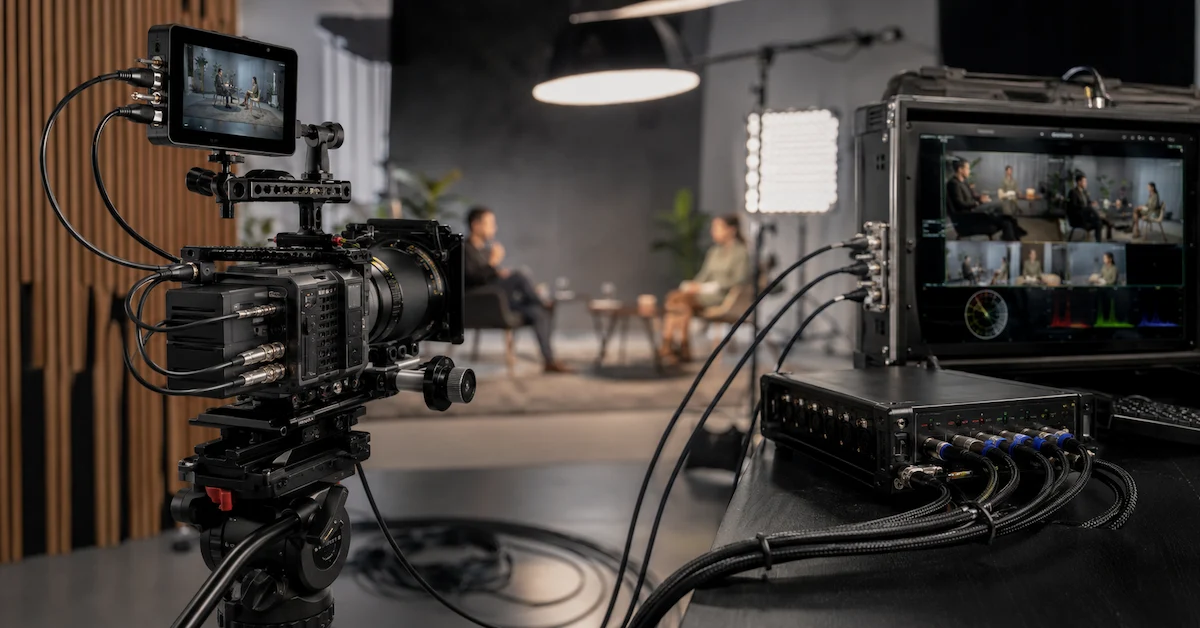
Quick Answer: What Should a Studio Cable Manufacturer Provide?
A good studio cable manufacturer should provide professional cables for video, audio, power, control, and data transmission. More importantly, the manufacturer should help buyers match cable design to the real studio setup.
Key capabilities should include:
- Camera-to-monitor cables
- SDI / BNC video cables
- HDMI camera cables
- Audio and timecode cables
- Camera control cables
- Power cables for studio equipment
- Custom cable length
- Connector orientation options
- Shielding for signal stability
- Reinforced strain relief
- Small-batch and bulk order support
A strong supplier should not only sell standard cables. It should help reduce signal risk and improve studio efficiency.
Why Studio Cable Quality Matters
Studio environments may look controlled, but cable requirements can still be demanding. Equipment is moved between sets, cameras are repositioned, monitors are adjusted, and control rooms may run multiple signal lines at the same time.
Common problems caused by poor studio cables include:
- Video signal dropout
- Monitor flickering
- Loose connector fit
- Poor shielding near power or lighting systems
- Cable clutter around camera rigs
- Wrong cable length for studio layout
- Connector stress from poor routing
- Intermittent audio or control signal
- Short service life under repeated use
For production teams and rental houses, these issues can increase replacement costs and reduce workflow reliability.
What Types of Studio Cables Are Commonly Used?
A professional studio may require different cable types depending on the equipment and workflow.
| Cable Type | Common Use | Buyer Priority |
|---|---|---|
| SDI / BNC Cable | Cameras, switchers, monitors, routers | Stable video signal and secure locking |
| HDMI Cable | Monitors, recorders, capture devices | Connector fit and short clean routing |
| Camera Control Cable | Camera control and data transmission | Compatibility and stable communication |
| Audio Cable | Microphones, mixers, timecode devices | Shielding and clear signal |
| Power Cable | Cameras, monitors, accessories | Current rating and durability |
| Custom Studio Cable | Special studio layouts or equipment | Exact length, connector type, and routing |
A studio cable manufacturer should understand how these cable types work together in the full production chain.
Key Factors When Choosing a Studio Cable Manufacturer
1. Signal Stability
Studio systems often use multiple cameras, monitors, switchers, audio devices, lighting systems, and wireless equipment. Poor shielding can create interference or unstable signal transmission.
A professional manufacturer should help buyers choose the right cable structure for video, audio, control, or power applications.
2. Connector Compatibility
Connector selection affects both performance and usability. Common studio connectors may include BNC, HDMI, Mini HDMI, Micro HDMI, USB-C, XLR, DC, D-Tap, and device-specific connectors.
For compact camera rigs or monitor setups, right-angle connectors can reduce port stress and make cable routing cleaner.
3. Cable Length Control
Studio layouts vary. A cable that is too long creates clutter. A cable that is too short pulls on ports and limits equipment placement.
Custom cable length is useful for:
- Camera-to-monitor setups
- Control room routing
- Interview sets
- Livestreaming stations
- Video village systems
- AV installation cabinets
- Rental studio kits
4. Durability and Strain Relief
Studio cables are often connected, disconnected, packed, and reused. Reinforced strain relief helps prevent failure near the connector, which is one of the most common weak points.
For rental houses and production studios, durability directly affects long-term cost.
5. Customization Ability
A custom studio cable manufacturer should support connector combinations, length adjustments, cable flexibility, shielding, and application-specific cable routing.
This is especially useful for buyers who manage multiple equipment brands or need consistent cable kits for resale, rental, or OEM projects.
Who Needs a Studio Cable Manufacturer?
| Buyer Type | Typical Need |
| Film studios | Stable camera, monitor, and recorder connections |
| Broadcast studios | Long-hour video and control signal reliability |
| Livestreaming teams | Reliable HDMI, SDI, and capture device cables |
| AV integrators | Custom cable routing for fixed installations |
| Rental houses | Durable studio cable kits in multiple lengths |
| Equipment brands | OEM or private label cable sets |
| Distributors | Consistent professional cable supply |
These buyers need more than low-cost cables. They need reliable performance, repeatable quality, and technical support.
Why Alvin’s Cables Is a Good Fit
Alvin’s Cables provides professional cable solutions for photography, film, broadcast, AV, and industrial applications. For studio cable projects, Alvin’s Cables can support standard cable products and custom cable development based on equipment model, connector type, signal requirement, cable length, shielding, flexibility, and usage environment.
Buyers can browse standard options through the Alvin’s Cables product center. For special connector combinations, custom studio cable length, right-angle connectors, shielding, or cable routing needs, visit custom cable solutions.
Alvin’s Cables is suitable for:
- Studio cable sourcing
- SDI / BNC studio cable projects
- HDMI studio cable solutions
- Camera monitor cable customization
- Audio and control cable solutions
- Rental house cable kits
- OEM studio cable development
- AV integration cable projects
What Information Should Buyers Provide?
To get a suitable recommendation, buyers should prepare clear project details.
| Information | Why It Matters |
| Equipment model | Confirms connector compatibility |
| Signal type | Helps match cable structure |
| Cable length | Affects routing and usability |
| Connector type | Determines cable design |
| Connector orientation | Reduces port stress |
| Application environment | Studio, broadcast, rental, AV installation |
| Quantity | Supports prototype, small batch, or bulk quote |
| Shielding requirement | Helps protect signal stability |
To discuss a project, submit your requirements through the request a quote page. For lead time, shipping, and custom order questions, visit the FAQ page.
FAQ
1. What is a studio cable manufacturer?
A studio cable manufacturer produces video, audio, power, control, and data cables for professional studio and production environments.
2. What cables are used in studios?
Common studio cables include SDI / BNC cables, HDMI cables, audio cables, camera control cables, power cables, monitor cables, and custom cable assemblies.
3. Can studio cables be customized?
Yes. Studio cables can be customized by connector type, cable length, connector orientation, shielding, flexibility, and application environment.
4. Why is shielding important for studio cables?
Shielding helps protect signal stability in environments with cameras, monitors, switchers, lighting systems, power cables, and wireless equipment.
5. How do I choose a studio cable manufacturer?
Choose a manufacturer that understands professional AV workflows, supports customization, provides reliable connector quality, and can recommend cables based on real studio applications.
Conclusion
Choosing the right studio cable manufacturer helps professional buyers reduce signal problems, improve cable routing, protect equipment ports, and support stable production workflows. Whether used in film studios, broadcast rooms, livestreaming systems, rental kits, or AV installations, cable quality matters.
Alvin’s Cables supports standard and custom studio cable solutions for professional buyers. For special connector, length, shielding, or studio routing needs, contact Alvin’s Cables to discuss your project requirements.