A power extension cable manufacturer helps professional buyers solve one of the most common equipment-integration problems: the power source and the connected device are too far apart for a standard cable.
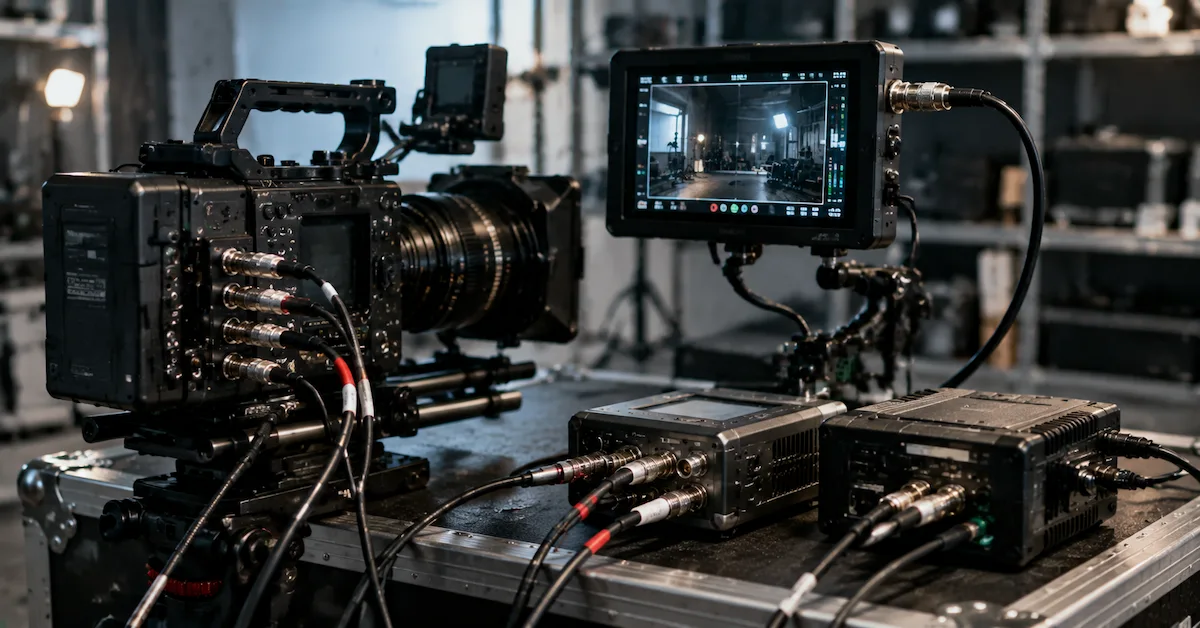
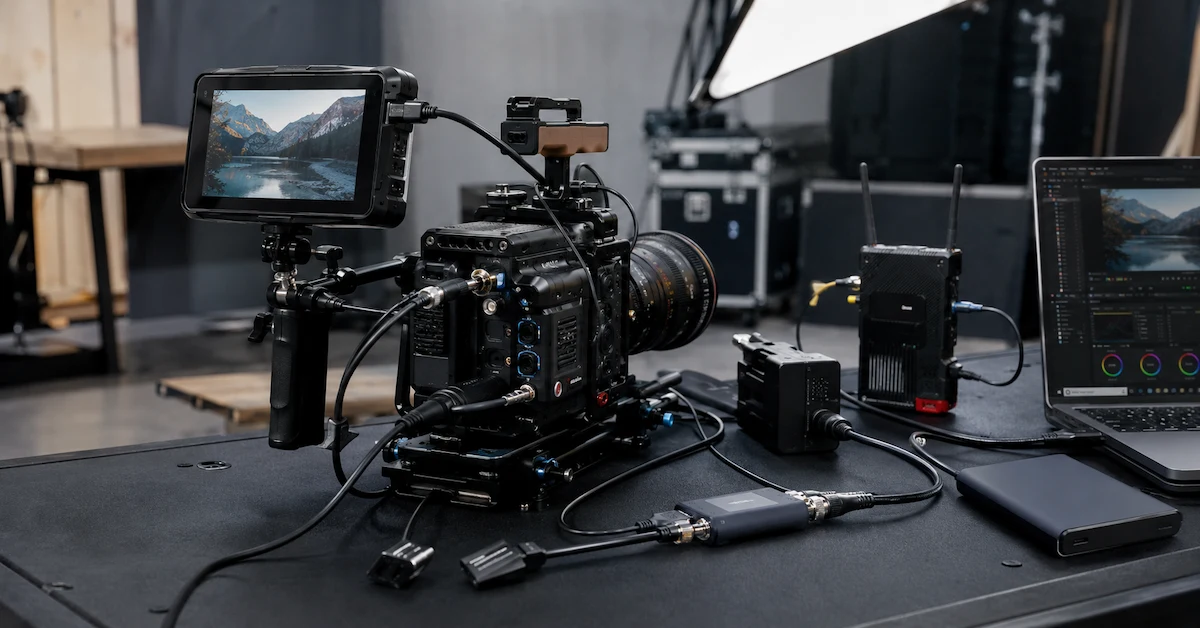
This situation frequently occurs in cinema production, broadcast studios, mobile video systems, rental equipment kits, control rooms, and professional AV installations. A camera may need to be positioned away from its battery system. A field monitor may be mounted several feet from the power distribution unit. A wireless transmitter or recorder may require a cleaner routing path around the camera rig.
Simply adding a longer cable is not always enough. Longer power runs may increase electrical resistance, voltage drop, cable clutter, and connector stress. A reliable extension cable must therefore be designed around the equipment load, installation distance, connector type, and operating environment.
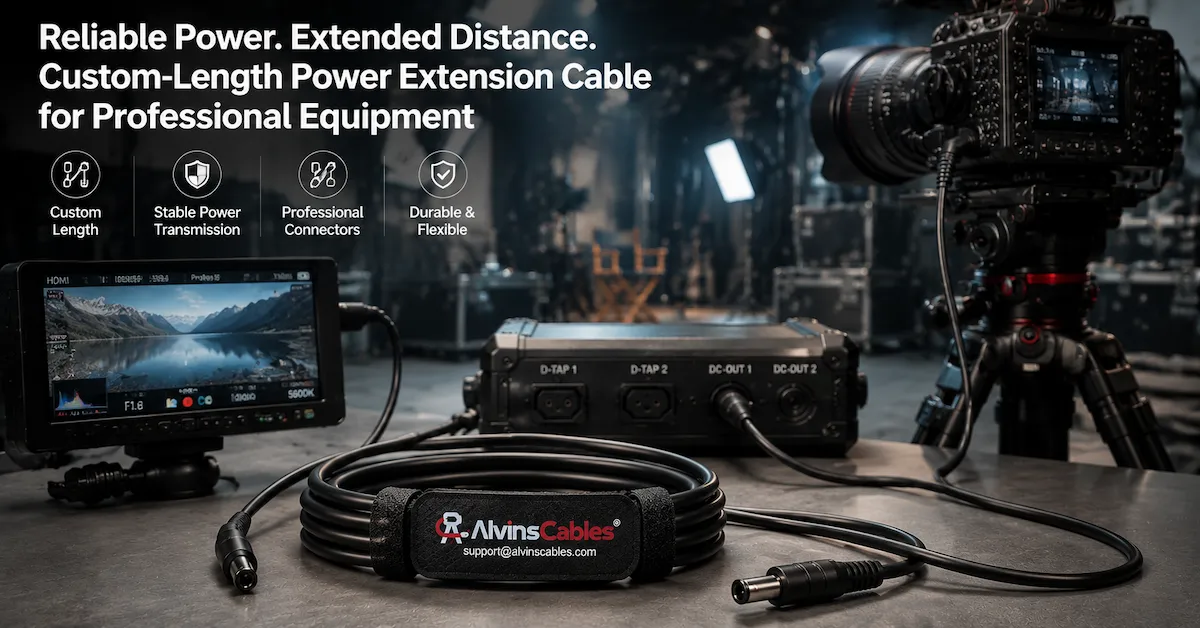
Quick Answer: What Should Buyers Expect from a Power Extension Cable Manufacturer?
A qualified manufacturer should be able to produce extension cables that match the buyer’s exact equipment and power specifications.
Important capabilities include:
- Custom cable lengths
- Power-source and device-side connector matching
- Voltage and current evaluation
- Correct polarity and pin configuration
- Suitable conductor selection
- Straight or right-angle connectors
- Flexible cable jacket options
- Reinforced strain relief
- Prototype development
- Repeat and bulk production
The manufacturer should understand the full power system rather than selecting a cable based only on connector appearance.
When Is a Power Extension Cable Necessary?
A power extension cable is useful when the original equipment cable cannot reach the required installation point or cannot follow the preferred routing path.
Common situations include:
Camera and Battery Separation
A V-Mount battery, power station, or distribution plate may need to be positioned away from the camera to reduce rig weight or improve balance.
Monitor and Recorder Placement
External monitors and recorders may be installed on stands, carts, or remote viewing stations rather than directly on the camera.
Studio Cable Routing
Studio equipment may require power cables to pass through cable channels, equipment racks, floor protection systems, or control-room layouts.
Mobile Production Systems
Broadcast and live-production equipment must often be installed quickly in changing environments. Exact cable lengths improve setup efficiency.
Rental Equipment Packages
Rental houses may need multiple extension lengths to support different customer configurations without relying on several adapters.
Why Extension Cable Length Affects Power Performance
A longer cable creates more electrical resistance than a shorter cable with the same conductor structure. If the cable is incorrectly designed, the connected device may receive less voltage than expected.
Potential symptoms include:
- Camera restart or unexpected shutdown
- Monitor flickering
- Battery warning messages
- Wireless transmitter instability
- Recorder power interruptions
- Connector or cable heating
- Reduced usable battery runtime
The correct cable design depends on several connected factors:
| Design Factor | Why It Matters |
|---|---|
| Cable length | Longer distance can increase resistance |
| Device current | Higher loads require greater cable capacity |
| Conductor size | Influences resistance and heat generation |
| Connector rating | Must support the required electrical load |
| Operating time | Continuous operation increases thermal demand |
| Environment | Temperature and movement affect material selection |
A professional power extension cable manufacturer should evaluate these factors together.
How to Select the Correct Connector Combination
Power extension cables may use the same connector at both ends or convert between different connector systems.
Common configurations include:
- D-Tap male to D-Tap female
- DC male to DC female
- 2-pin male to 2-pin female
- 4-pin XLR extension cable
- D-Tap to DC extension cable
- V-Mount battery output to device connector
- LEMO-style connector extension
- Custom camera power connector combinations
Before production, buyers should confirm:
- Power-source connector
- Device-side connector
- Connector gender
- Pin configuration
- Polarity
- Voltage requirement
- Current requirement
- Straight or right-angle orientation
Incorrect polarity or pin configuration may damage equipment. Equipment models and clear connector photographs should therefore be provided during the quotation stage.
Why Connector Orientation Matters
Connector orientation affects both installation and durability.
A straight connector may be suitable for an open studio layout. A right-angle connector may be better when:
- The cable exits from the side of a camera cage
- Space behind the device is limited
- A straight cable blocks another port
- The cable must stay close to the equipment body
- The connection point is exposed to pulling
- The camera rig must remain compact
Choosing the correct orientation reduces connector stress and creates cleaner cable routing.
Fixed Installation vs Mobile Production Cable
The best extension cable construction depends on how the product will be used.
| Requirement | Fixed Installation | Mobile Production |
| Movement frequency | Low | High |
| Cable flexibility | Moderate | High |
| Abrasion exposure | Controlled | More frequent |
| Packing cycles | Limited | Repeated |
| Strain relief demand | Standard to reinforced | Reinforced |
| Typical use | Studio or control room | Field, rental, broadcast |
A fixed studio cable may prioritize neat routing and dimensional consistency. A mobile-production cable should remain flexible and durable after frequent coiling, transportation, and installation.
Flexible Cable Does Not Mean Weak Cable
Professional extension cables must balance flexibility and mechanical strength.
A cable that is too stiff can:
- Pull on equipment ports
- Be difficult to coil
- Interfere with camera movement
- Create poor routing around rigs
- Increase installation time
A cable that is too soft but poorly reinforced may:
- Stretch under pulling force
- Wear quickly
- Fail near the connector
- Develop internal conductor damage
Cable jacket material, conductor construction, connector termination, and strain relief must therefore be selected as one complete system.
Strain Relief and Connector-End Durability
Most cable failures do not occur in the middle of the cable. They occur near the connector, where bending and pulling forces are concentrated.
Effective strain relief helps protect:
- Internal conductors
- Solder joints
- Connector pins
- Cable insulation
- Equipment ports
This is particularly important for rental houses and production teams that connect and disconnect cables frequently.
A slightly higher initial cable cost may reduce replacements, customer complaints, and production downtime over the product’s service life.
Standard Extension Cable vs Custom Extension Cable
| Factor | Standard Extension Cable | Custom Extension Cable |
| Available lengths | Fixed | Exact project length |
| Connector options | Limited | Project-specific combinations |
| Connector orientation | Usually fixed | Straight or right-angle options |
| Electrical design | General purpose | Matched to equipment load |
| Cable flexibility | Standard | Selected for the application |
| Packaging | Generic | OEM options available |
| Best suited for | Simple setups | Camera rigs, broadcast and AV projects |
A standard cable may be sufficient for occasional use. Custom manufacturing becomes more valuable when reliability, repeatability, installation quality, or commercial resale is important.
Who Should Work with a Custom Manufacturer?
Film and Video Production Companies
Production companies need cables that support changing camera, monitor, recorder, and battery layouts.
Broadcast Teams
Broadcast systems often require long operating times and clearly organized power routing.
Rental Houses
Rental companies need durable cables in repeatable lengths that can be quickly identified and replaced.
AV Integrators
Integrators require cables that match equipment racks, control rooms, mobile systems, and installation drawings.
Equipment Brands
Camera-accessory brands may need custom extension cables for product bundles or private-label solutions.
Distributors
Distributors need consistent specifications, packaging, and repeat-order quality.
Why Choose Alvin’s Cables for Extension Cable Projects?
Alvin’s Cables provides professional cable solutions for photography, film, broadcast, AV, and industrial applications.
For power extension cable projects, Alvin’s Cables can support:
- Camera power extension cables
- D-Tap extension cables
- DC extension cables
- V-Mount power connections
- XLR and locking connector options
- Exact cable-length customization
- Straight and right-angle connectors
- Flexible cable structures
- Reinforced strain relief
- Prototype and small-batch development
- Repeat and OEM production
Buyers can review available products through the Alvin’s Cables product center.
Project-specific connector, length, polarity, routing, and electrical requirements can be submitted through custom cable solutions.
What Information Should Be Included in an RFQ?
Providing complete technical information improves quotation accuracy and shortens the development process.
| Required Information | Purpose |
| Power-source model | Confirms output specifications |
| Connected device model | Identifies input and load requirements |
| Connector at each end | Defines the cable configuration |
| Voltage and current | Supports electrical design |
| Required cable length | Determines conductor and routing needs |
| Connector orientation | Prevents installation conflicts |
| Application environment | Guides cable material selection |
| Estimated quantity | Supports prototype and production planning |
| Packaging requirement | Important for OEM and distributor orders |
Photos of existing connectors and equipment ports are helpful when model information is incomplete.
Buyers can submit this information through the request a quote page.
Common Purchasing Mistakes
Avoid these common mistakes when sourcing power extension cables:
- Ordering only by connector appearance
- Failing to confirm polarity
- Choosing excessive cable length
- Ignoring device peak current
- Using several adapters instead of one cable
- Selecting a cable that is too stiff
- Overlooking strain relief
- Skipping prototype testing
- Failing to specify connector orientation
- Purchasing solely by unit price
A clearly specified custom cable can eliminate unnecessary adapters and reduce connection points in the system.
FAQ
What is a power extension cable?
A power extension cable increases the distance between a power source and connected equipment while maintaining electrical continuity.
Can the cable length be customized?
Yes. The cable can be manufactured to match the required installation distance and routing plan.
Does a longer power cable cause voltage drop?
It can. Voltage drop depends on cable length, conductor resistance, current load, connectors, and cable construction.
Can both connectors be customized?
Yes. The source-side and device-side connectors, gender, orientation, polarity, and pin configuration can be specified.
Are right-angle connectors available?
Right-angle options can be used when equipment space or cable routing requires a compact connection.
Can a prototype be tested before bulk production?
Prototype development is recommended for new connector combinations, unusual equipment, and repeat-order projects.
What details are needed for a quote?
Provide equipment models, connector types, voltage, current, cable length, orientation, quantity, and application environment.
Conclusion
Choosing a power extension cable manufacturer requires more than selecting a connector and length. Buyers must also consider voltage drop, current load, conductor capacity, connector rating, flexibility, strain relief, and operating conditions.
For cameras, monitors, broadcast systems, rental kits, studios, and professional AV installations, a project-specific extension cable can improve routing, protect equipment, and reduce long-term replacement costs.
Submit your power source, connected device, connector combination, voltage, current, required length, and order quantity through the Alvin’s Cables request a quote page to receive a suitable extension cable solution.