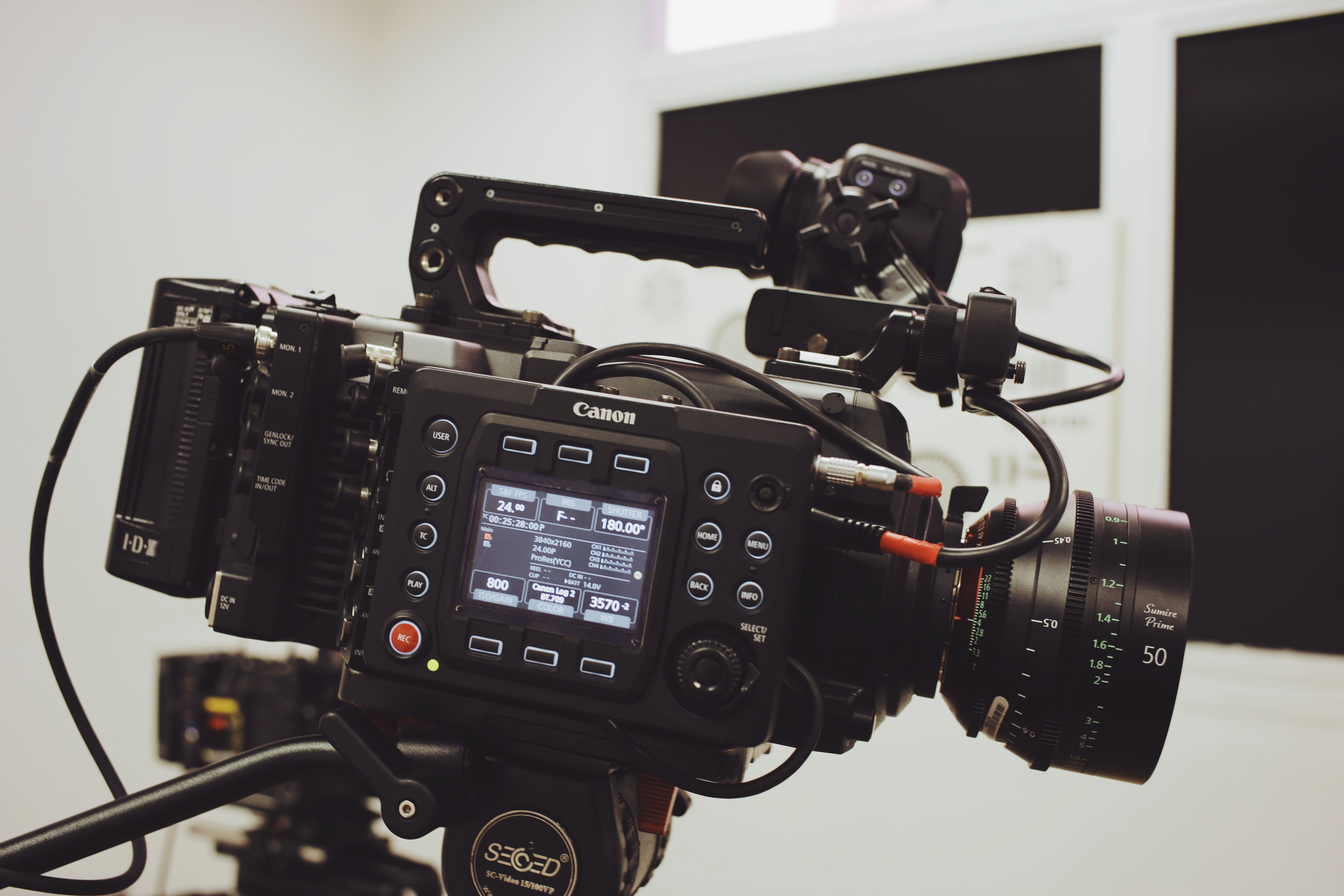
At the early stages of a project, cables often perform as expected. Samples look fine, initial tests pass, and everything appears stable.
But as production scales, a different reality emerges.
Small inconsistencies begin to surface:
- Variations in performance between batches
- Connectors behaving differently across units
- Unexpected failures after prolonged use
These are not design flaws—they are production inconsistencies.
This is where the role of a reliable cable production company becomes critical. At Alvins, production is not just about output—it is about maintaining the same level of performance across every unit, every batch, and every delivery cycle.
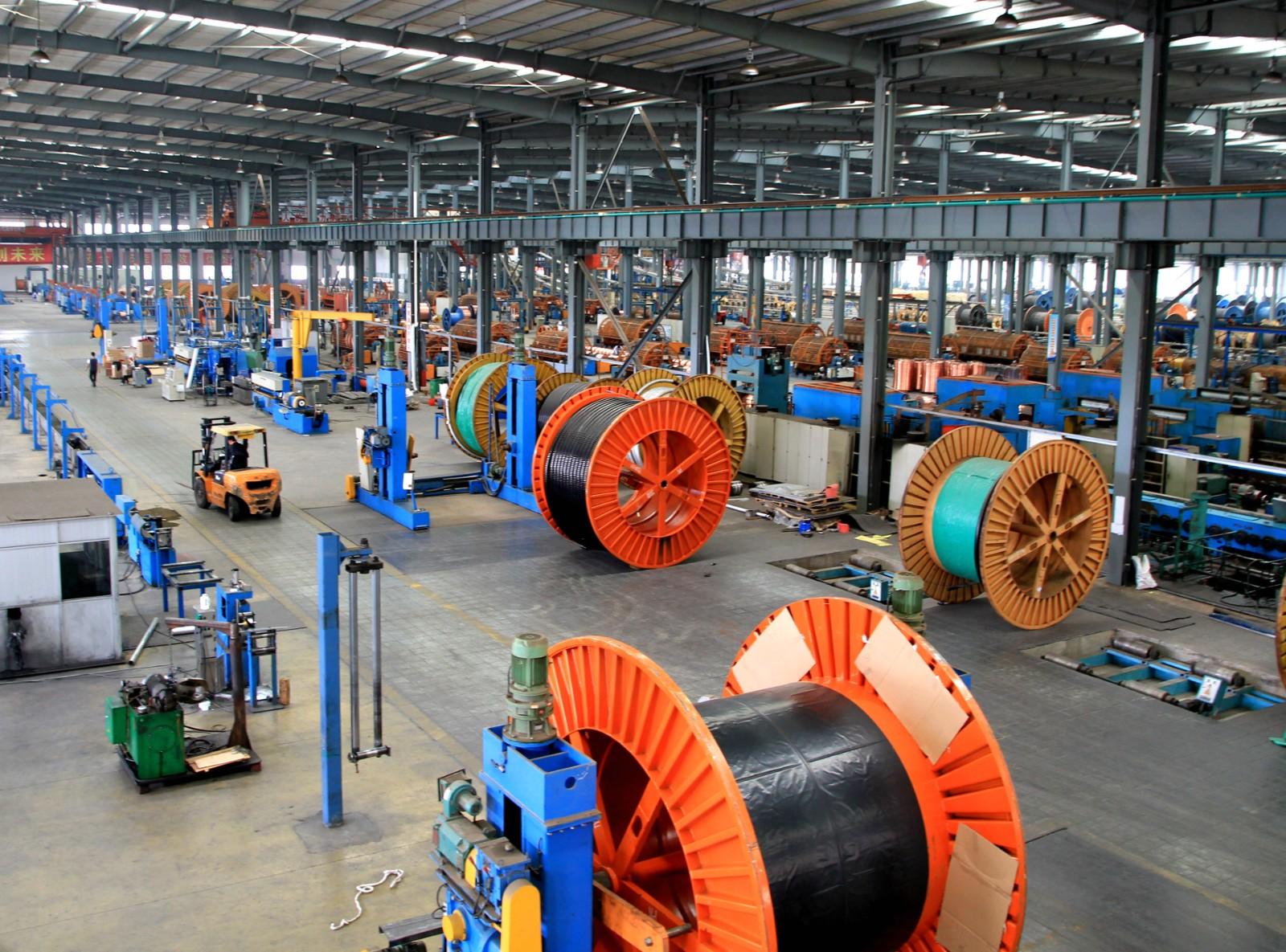
Material Control and Structural Consistency Form the Foundation
Before cables are produced, material selection determines the baseline quality.
A professional cable production company ensures:
- Consistent conductor quality
High-purity copper reduces resistance variation across batches - Standardized shielding structures
Maintaining stable EMI performance in all units - Controlled insulation materials
Ensuring durability under different environmental conditions - Uniform connector components
Preventing variation in connection stability
According to the International Electrotechnical Commission, maintaining consistency in materials is essential for ensuring long-term electrical reliability.
Reference: https://www.iec.ch/
Material inconsistency is one of the most common causes of performance variation in large-scale production.
Why Production Systems Matter More Than Individual Products
Once materials are defined, the production system determines how consistently those materials are applied.
A capable cable production company operates with structured systems:
- Standardized manufacturing workflows
- Controlled assembly procedures
- Quality checkpoints throughout production
- Batch tracking and validation
At Alvins, production is built around repeatability. This ensures that cables produced today will behave the same as those produced months later—an essential requirement for scalable manufacturing.
Production Workflow in a Professional Cable Manufacturing Environment
To maintain quality at scale, a structured workflow is required:
Step 1: Material Preparation
Ensuring all components meet defined specifications
Step 2: Precision Assembly
Controlled crimping, soldering, and connector integration
Step 3: Shielding and Structural Integration
Maintaining consistent protection against interference
Step 4: Quality Inspection
Testing electrical and mechanical performance
Step 5: Final Validation and Packaging
Ensuring readiness for delivery
According to the IPC, structured production processes can reduce defect rates by over 50% in cable manufacturing.
Reference: https://www.ipc.org/
Performance Comparison: Inconsistent Production vs Controlled Manufacturing
| Factor | Inconsistent Production | Controlled Production System | Benefit |
|---|---|---|---|
| Material Consistency | Variable | Stable | Improved reliability |
| Signal Stability | Fluctuating | Consistent | +30–50% |
| Connector Quality | Inconsistent | Reinforced | Lower failure rate |
| Batch Reliability | Unpredictable | Repeatable | Stable output |
| Lifespan | Short-term | Long-term | 2–3× durability |
These differences directly impact product quality and customer satisfaction.
Case Example: Improving Batch Consistency in Large-Scale Production
A client scaling production of electronic equipment experienced increasing quality issues:
- Variations between batches
- Increased failure rates during usage
- Rising after-sales support costs
After reviewing their supply chain, the issue was traced to inconsistent cable production.
The solution involved:
- Standardizing material sourcing
- Implementing controlled production processes
- Enhancing testing procedures
Results:
- Failure rate reduced by approximately 40%
- Improved consistency across all batches
- Reduced maintenance and support costs
This highlights how production systems directly affect long-term performance.
Procurement Considerations When Choosing a Cable Production Company
From a sourcing perspective, buyers should evaluate:
- Whether production processes are standardized
- Consistency in materials and assembly
- Quality control and testing capabilities
- Ability to scale without compromising performance
Choosing the right cable production company is not just about capacity—it is about reliability.
Final Perspective: Production Consistency Defines Long-Term Performance
In cable manufacturing, performance is not defined by a single unit—it is defined by consistency across thousands of units.
A reliable cable production company ensures:
- Stable performance across all batches
- Reduced failure rates
- Predictable product behavior in real use
At Alvins, we focus on building production systems that maintain this consistency, ensuring that every cable performs as expected.
Explore our manufacturing capabilities here:
https://www.alvins.com/
Or discuss your project requirements directly:
https://www.alvins.com/request-a-quote