When System Instability Starts at the Cable Level
Anyone who has worked on a real project has seen this before.
A system that looks perfectly configured on paper starts behaving unpredictably in actual use. Signals drop. Power fluctuates. Connections feel “almost right” but never fully reliable. And the longer the system runs, the more these small inconsistencies begin to compound.
In many cases, the issue isn’t the equipment itself—it’s the interconnection layer.
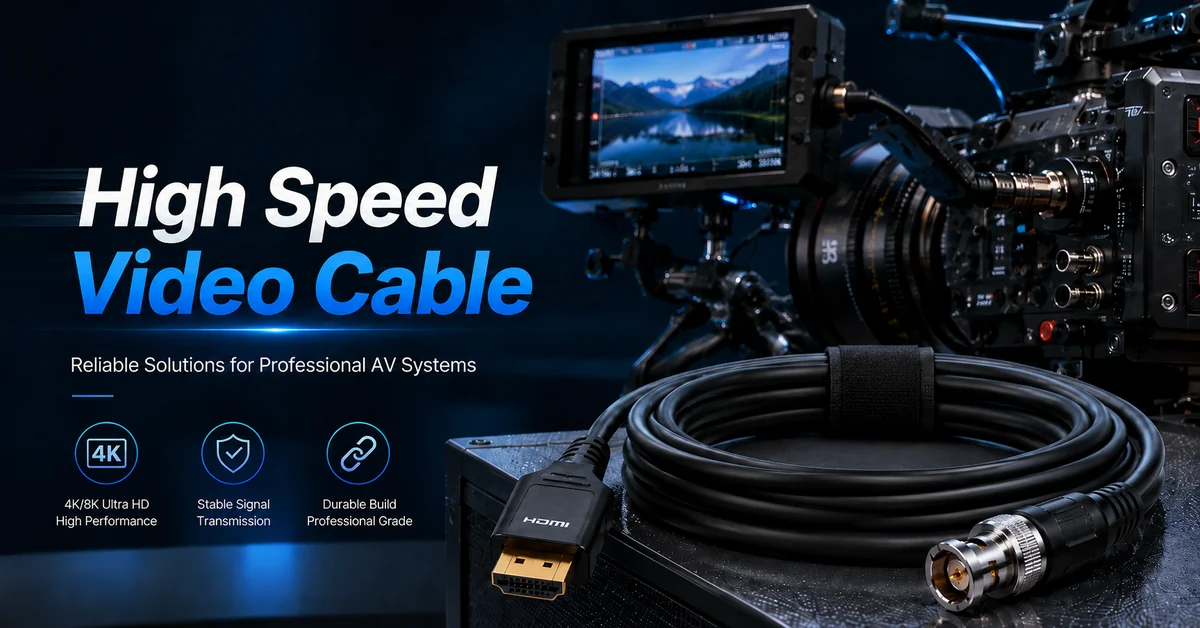
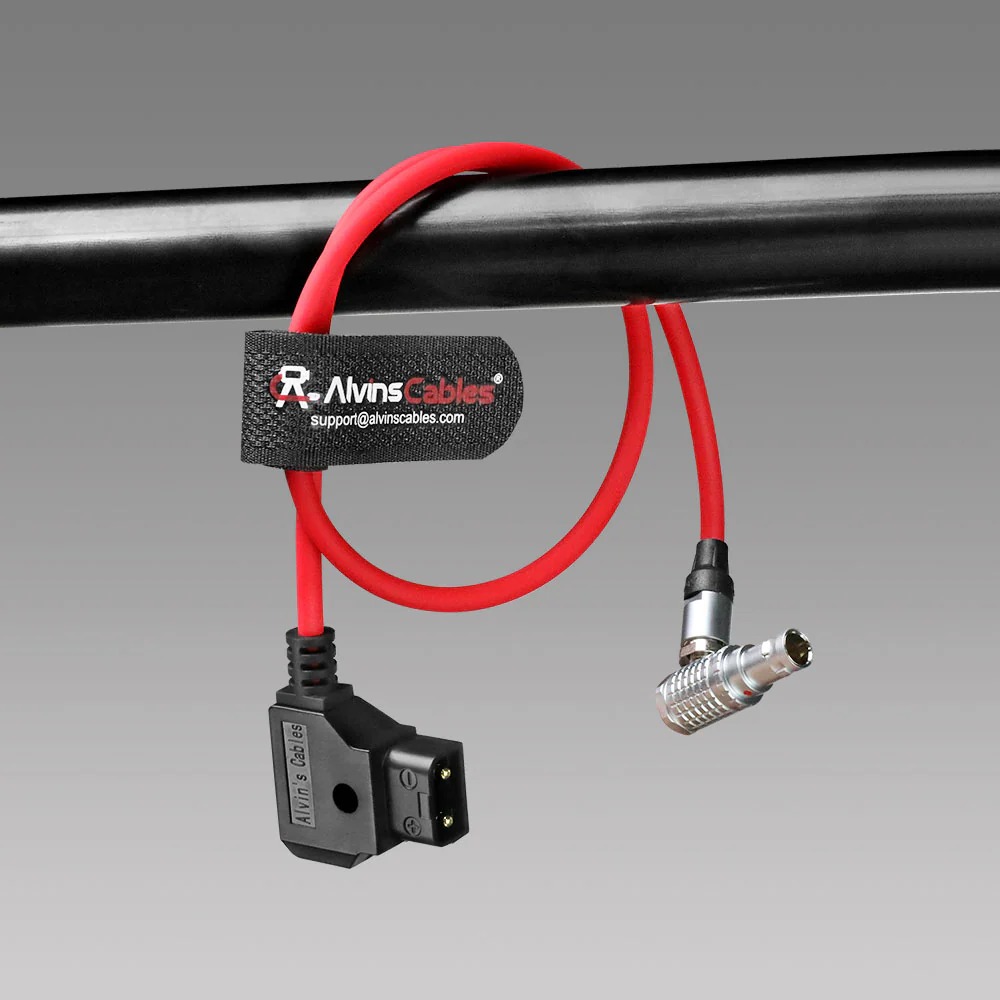
This is exactly where a professional custom cable manufacturer becomes critical. Instead of treating cables as accessories, the focus shifts toward engineering them as part of the system architecture. At Alvins, we approach cable design by analyzing signal paths, electrical load behavior, and mechanical stress conditions before production even begins. That early-stage intervention is often what prevents downstream instability.
Material Selection and Structural Design Are Not Secondary Decisions
Before discussing performance and custom cable manufacturer, it’s necessary to understand what a cable actually consists of—because performance is determined long before installation.
A well-engineered cable typically integrates:
- High-purity oxygen-free copper conductors (≈101% IACS conductivity)
- Multi-layer shielding structures (foil + braided shielding)
- Application-specific insulation such as TPE or TPU, improving flexibility by 30–50%
- Precision-machined connectors with controlled contact resistance
From an industrial design perspective, these are not optional upgrades—they are foundational decisions.
According to the International Electrotechnical Commission (https://www.iec.ch/), conductor consistency and shielding effectiveness are among the primary factors affecting electrical reliability in cable systems.
In practice, this means that even small compromises in material selection can translate into measurable performance loss in the field.
Why Engineering Experience Matters More Than Catalog Options
After understanding materials, the next question naturally becomes: how do you choose the right partner?
Not all suppliers operate at the same level. Many simply assemble based on provided specifications. A true custom cable manufacturer works differently—they interpret requirements, anticipate risks, and optimize design before production.
At Alvins, projects are handled with a strong engineering-first mindset:
- Requirements are translated into electrical and mechanical parameters
- Prototype iterations are used to validate real-world performance
- Adjustments are made before scaling production
This approach is particularly valuable in environments where reliability is non-negotiable. The difference is not always visible in the product itself—but it becomes obvious during long-term use.
Engineering Decisions That Directly Affect System Stability
Once a system is deployed, several technical factors begin to interact simultaneously. Understanding these interactions is essential.
For example:
- Shielding efficiency directly impacts signal clarity, especially in dense electronic environments
- Cable length and impedance matching influence signal attenuation
- Connector tolerance and plating quality affect connection stability over repeated use
Industry data from IPC (https://www.ipc.org/) suggests that well-controlled cable assembly processes can reduce connection-related failures by over 60%.
This is not theoretical. In high-frequency or high-load systems, even marginal improvements in these parameters can significantly extend operational stability.
Performance Comparison in Real Deployment Conditions
To better illustrate the difference between standard supply and engineered solutions, the following comparison reflects typical field performance:
| Parameter | Standard Cable | Engineered Custom Cable | Improvement |
|---|---|---|---|
| Signal Loss | 12–18% | 5–8% | ↓ ~50% |
| EMI Resistance | Medium | High | +40–60% |
| Connector Failure Rate | 10–15% | <3% | ↓ ~70% |
| Service Life | 6–12 months | 18–36 months | 2–3× |
These differences are rarely noticeable during initial installation—but they define long-term reliability.
Case Insight: Stabilizing a Multi-Camera Broadcast Workflow
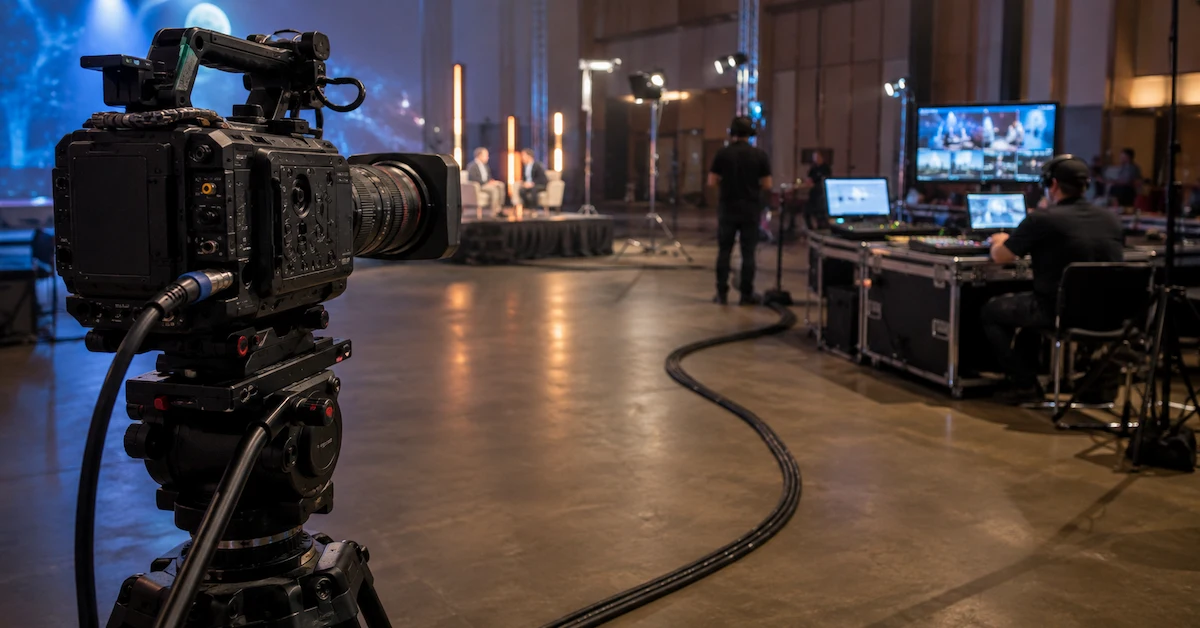
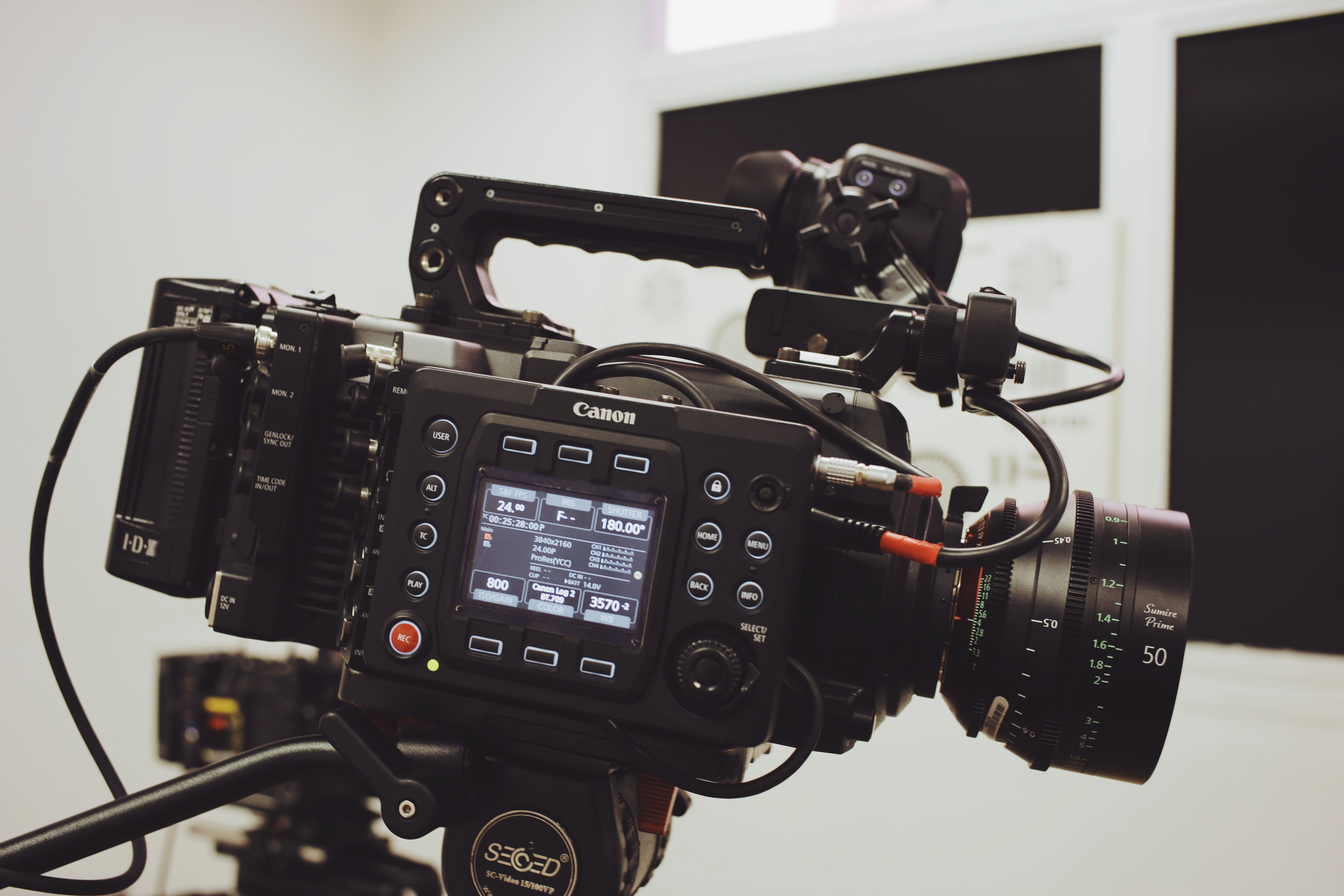
A production team working with a six-camera broadcast setup encountered recurring issues during live operation.
At first, the problems seemed inconsistent. Occasional signal drops. Slight delays. Intermittent connector issues. Nothing catastrophic—but enough to disrupt workflow.
After reviewing the system, the root causes became clear:
- Mixed cable standards across devices
- Inconsistent shielding quality
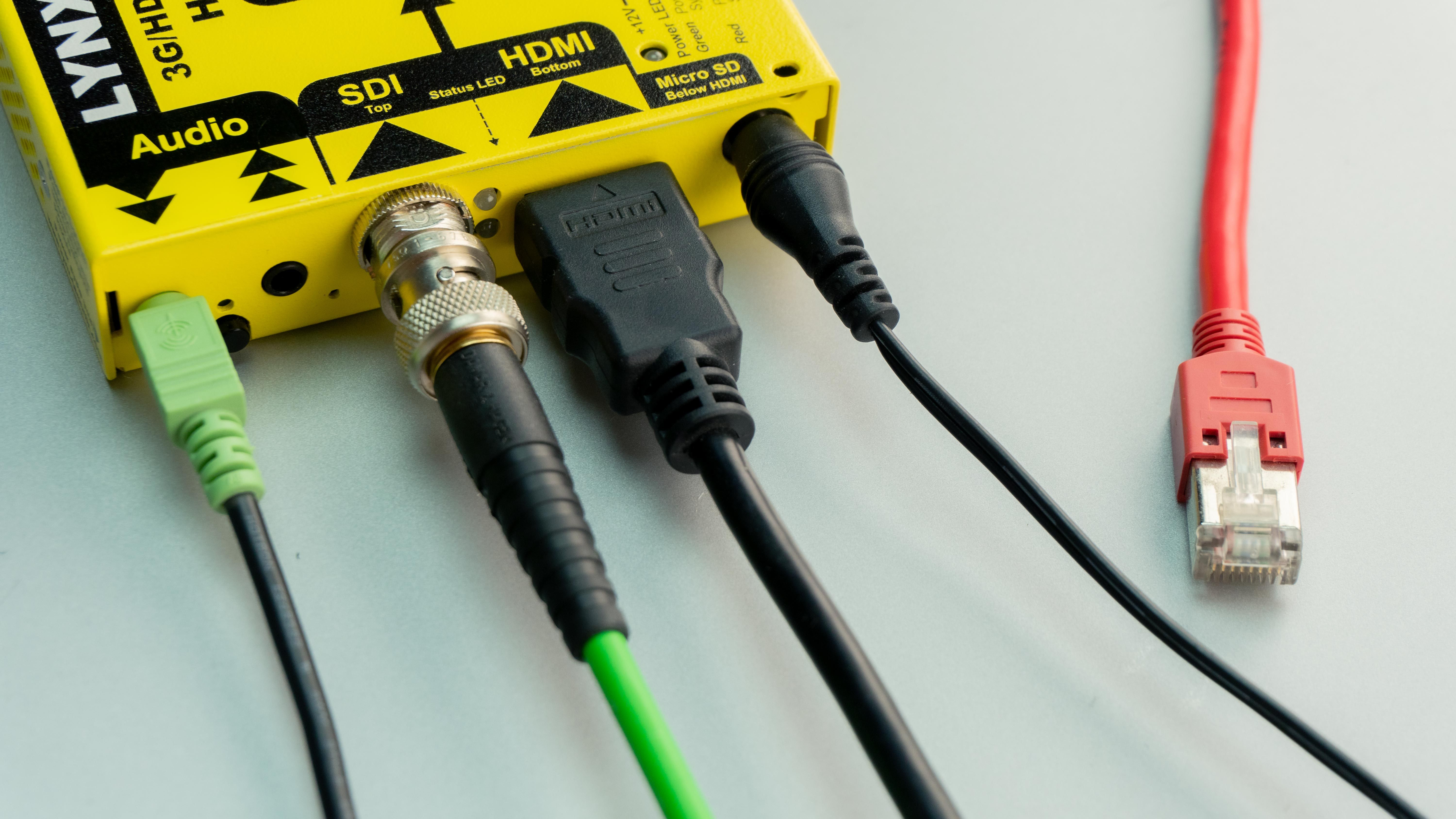
- Connector mismatch leading to unstable contact
The solution involved a complete redesign of the cable layer:
- Unified connector interfaces across all devices
- Introduced triple-layer shielding for signal-critical paths
- Optimized cable routing and length to reduce attenuation
The result was immediate and measurable:
- Signal stability improved by approximately 40%
- Setup time reduced by over 30%
- No failures during extended operation cycles
This is the kind of improvement that doesn’t come from replacing equipment—it comes from refining the connections.
What Buyers Should Evaluate Beyond Pricing and Lead Time
From a procurement perspective, it is tempting to focus on unit cost or delivery speed. However, these factors rarely reflect total project cost.
More meaningful evaluation criteria include:
- Whether the supplier can interpret application requirements, not just follow instructions
- Transparency in material specifications and testing processes
- Ability to support small-batch customization without compromising quality
- Consistency in production across multiple batches
Buyers who prioritize these factors often report fewer integration issues and lower long-term maintenance costs.
Closing Perspective: Stability Is Built Into the System, Not Added Later
By the time a system is operational, most design decisions are already locked in.
Cables, often overlooked in early planning, end up carrying a disproportionate share of performance responsibility. When they are designed correctly, systems run smoothly. When they are not, problems tend to appear in ways that are difficult to trace.
At Alvins, we focus on building cable solutions that align with real-world use conditions—balancing electrical performance, mechanical durability, and application-specific requirements.
If you’re planning a system where stability matters, it’s worth addressing the cable layer early in the process rather than troubleshooting it later.
You can explore our full capabilities here: https://www.alvins.com/
Or, if you already have a project in mind, request a quote directly:
https://www.alvins.com/request-a-quote