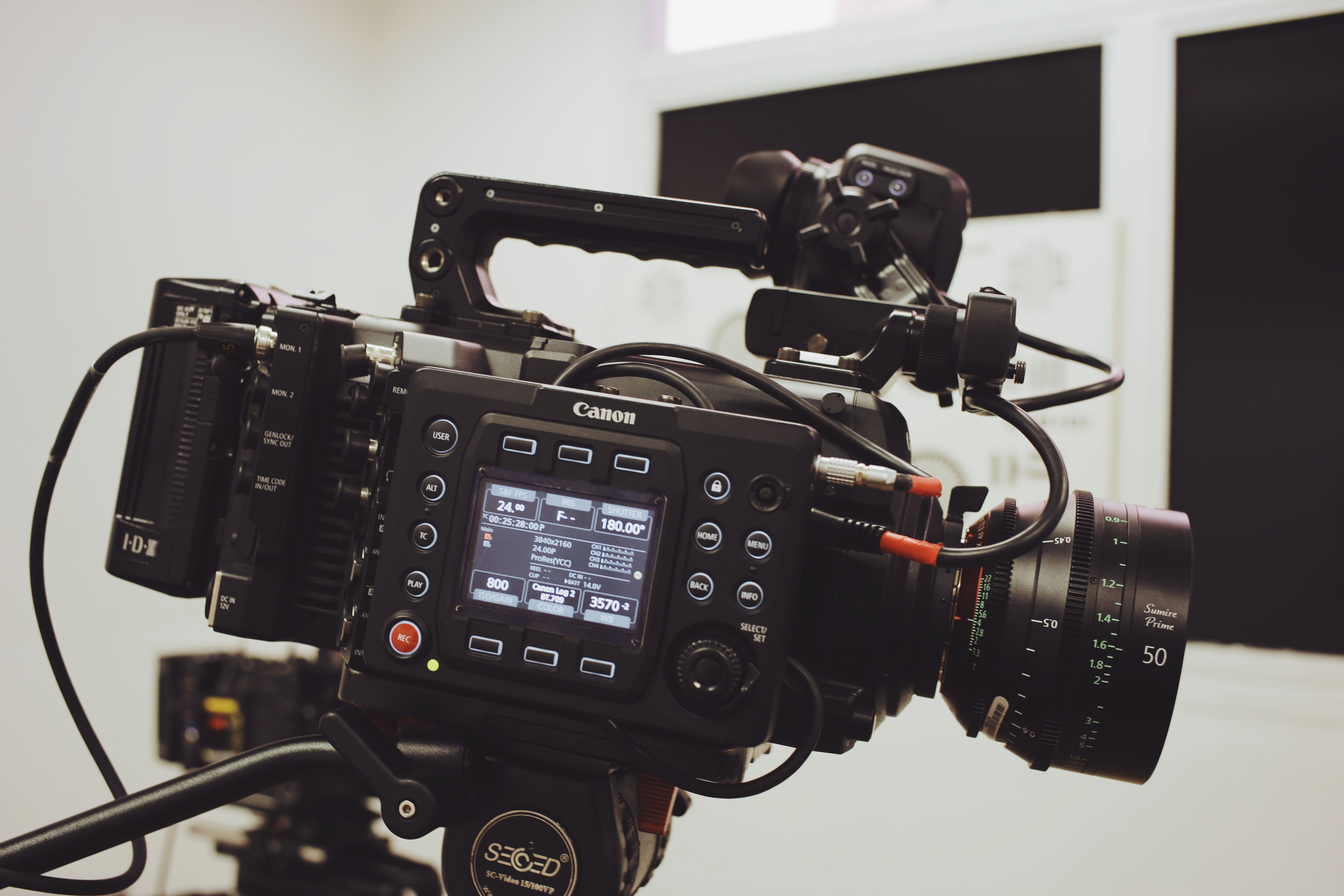
In broadcast environments, reliability is not optional—it is expected.
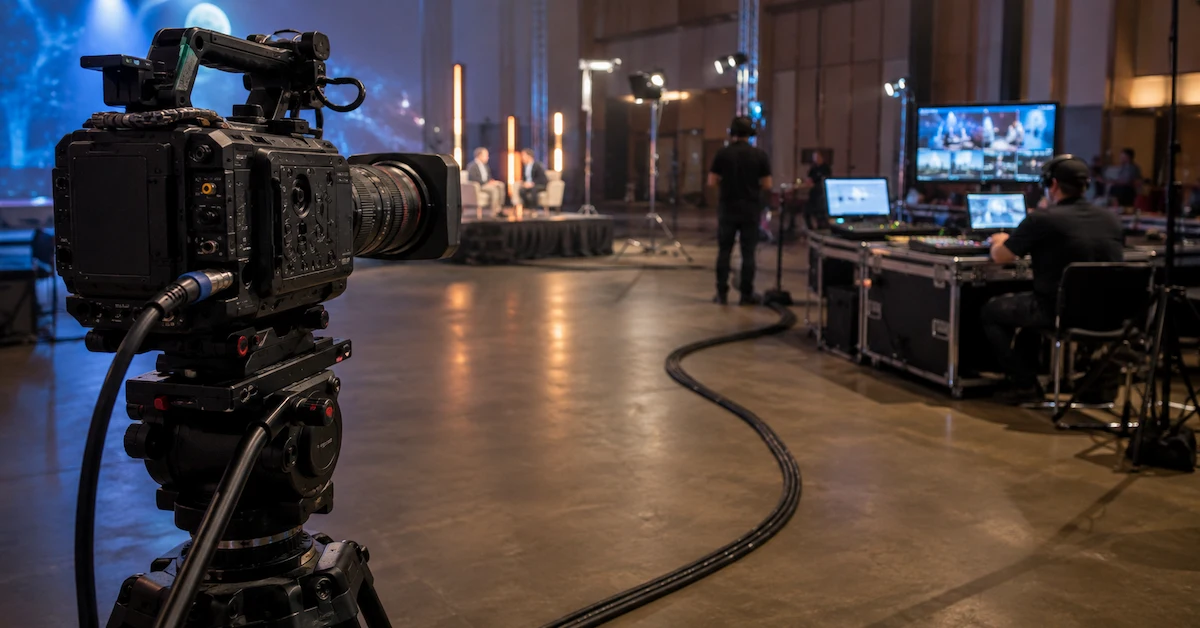
Whether in live television, event production, or studio broadcasting, signal interruption is simply unacceptable. A brief disruption can impact audience experience, disrupt workflows, and damage professional credibility.
Yet many broadcast systems encounter recurring issues:
- Signal degradation over long distances
- Interference from surrounding equipment
- Connection instability during extended operation
These problems are rarely caused by cameras or switchers alone. In many cases, the cable infrastructure is the limiting factor.
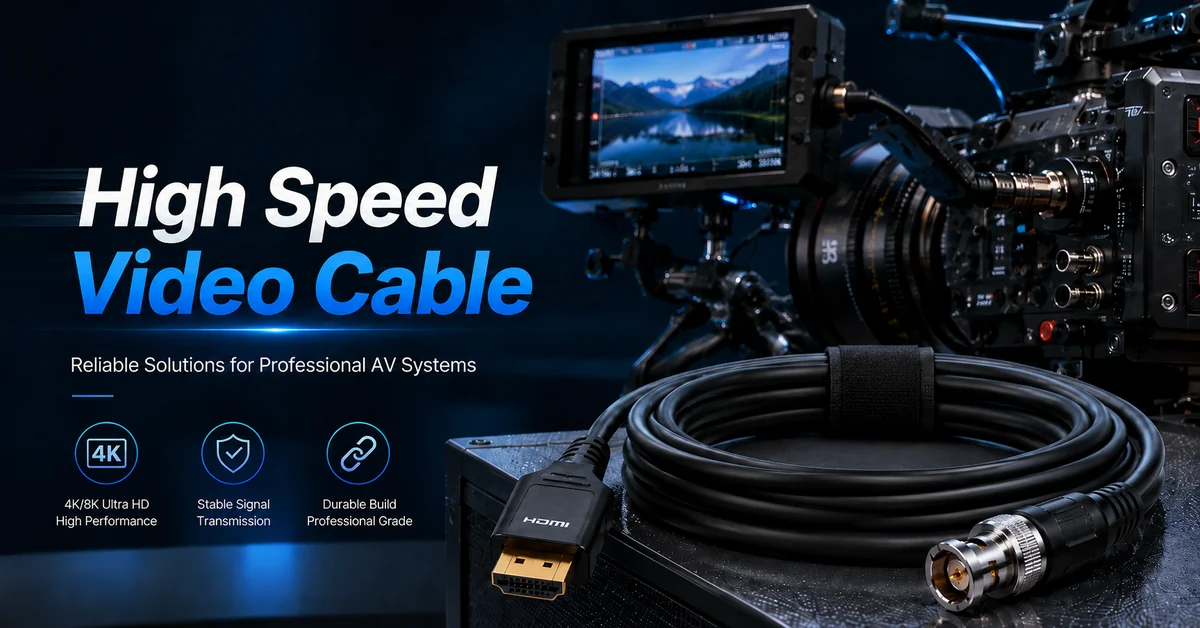
This is where a professional broadcast cable manufacturer becomes essential. At Alvins, broadcast cable solutions are engineered to maintain stable signal performance under continuous operation and demanding conditions.
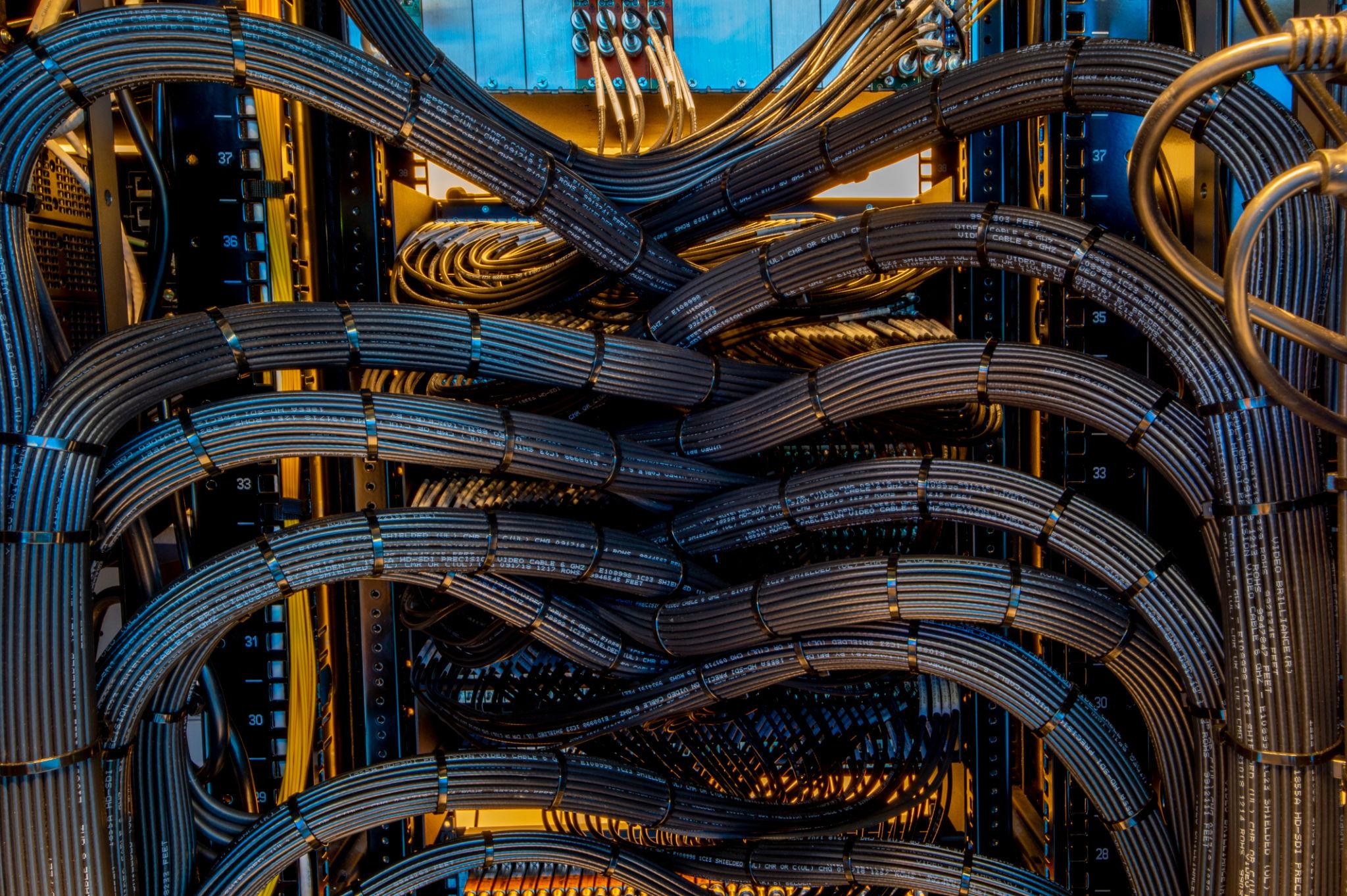
Material and Structural Design for Broadcast-Level Performance
Broadcast cables must meet stricter requirements than standard video cables.
A high-quality broadcast cable includes:
- High-purity copper conductors
Supporting long-distance signal transmission with minimal loss - Precision impedance control (typically 75 ohms)
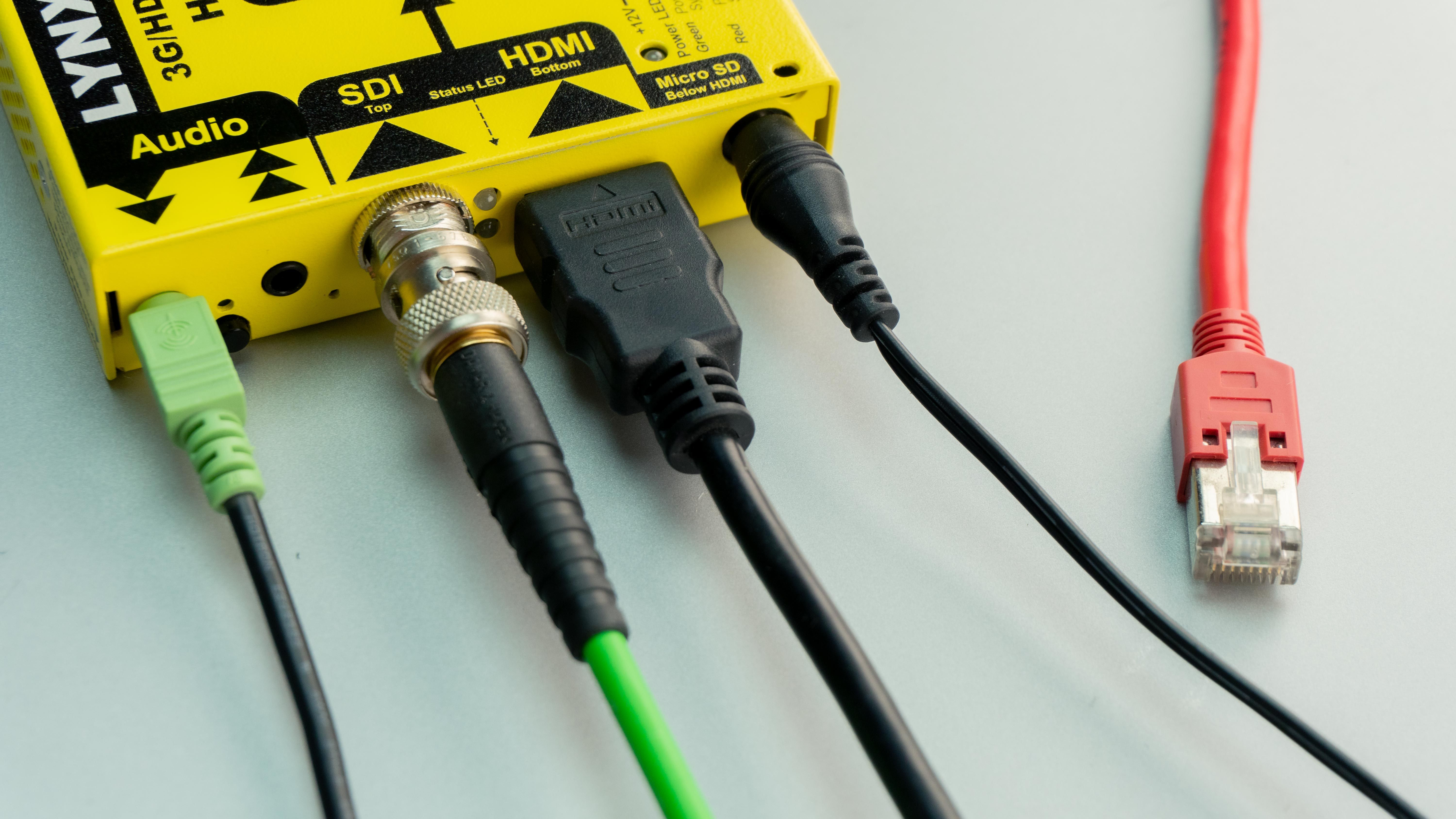
Ensuring compatibility with SDI and broadcast systems - Advanced multi-layer shielding
Reducing interference by 40–60% - High-quality connectors (BNC / LEMO / specialized interfaces)
Providing secure and stable connections
Industry practices emphasize that maintaining consistent impedance and effective shielding is critical for stable signal transmission in professional video systems.
These elements ensure performance consistency in real broadcast environments.
Why Broadcast Applications Require Higher Cable Standards
Broadcast systems differ from typical video setups:
- Continuous operation over long durations
- High data transmission requirements
- Complex multi-device environments
Standard cables often fail under these conditions.
At Alvins, broadcast cable solutions are designed to:
- Maintain stable signal across long cable runs
- Resist interference in dense equipment environments
- Ensure durability under repeated use
This allows systems to operate reliably without interruption. For systems requiring more precise video transmission, also see our SDI cable manufacturer guide for specialized signal solutions.
Engineering Workflow for Broadcast Cable Manufacturing
To ensure reliability, a structured process is followed:
Step 1: System Requirement Analysis
Understanding resolution, bandwidth, and transmission distance
Step 2: Cable Design Optimization
Selecting materials and structure for broadcast performance
Step 3: Impedance and Shielding Control
Ensuring signal stability
Step 4: Precision Assembly
Maintaining connector accuracy
Step 5: Testing and Validation
Verifying performance under real conditions
A controlled manufacturing process significantly reduces signal issues and improves consistency. For related workflow on power stability, check our Camera Power Cable Supplier article.
Performance Comparison: Standard Cable vs Broadcast Cable
| Feature | Standard Cable | Broadcast Cable | Benefit |
|---|---|---|---|
| Signal Stability | Moderate | High | Reliable output |
| Transmission Distance | Limited | Extended | Better performance |
| Interference Resistance | Basic | Advanced | Reduced noise |
| Durability | Moderate | High | Long-term use |
| System Compatibility | General | Professional | Broadcast-ready |
These differences are essential for professional applications.
Case Example: Improving Reliability in a Live Broadcast System
A live production team experienced signal instability during large-scale events.
Issues included:
- Signal loss over long cable runs
- Interference from surrounding equipment
- Connection inconsistencies
After implementing broadcast-grade cable solutions:
- Signal stability improved across all channels
- Interference issues were minimized
- System reliability increased significantly
Results:
- Reduced downtime during live events
- Improved production efficiency
- More stable and predictable performance
For setups involving video distribution, also refer to HDMI cable manufacturer guide for high-resolution HDMI solutions.
This demonstrates the importance of selecting the right cable solution.
What to Look for in a Broadcast Cable Manufacturer
When selecting a supplier, consider:
- Experience with broadcast systems
- Ability to maintain impedance consistency
- Quality of shielding and connectors
- Testing and validation capabilities
A reliable broadcast cable manufacturer should prioritize both performance and consistency.
Reliable Broadcast Systems Start with the Right Cable Infrastructure
In professional broadcasting, every connection matters.
A qualified broadcast cable manufacturer ensures:
- Stable signal transmission
- Reduced interference
- Consistent performance across all systems
At Alvins, we design broadcast cable solutions to meet the demands of professional video environments, ensuring reliable performance in every application.
Explore our solutions here:
https://www.alvins.com/
Or request a custom broadcast cable solution:
https://www.alvins.com/request-a-quote