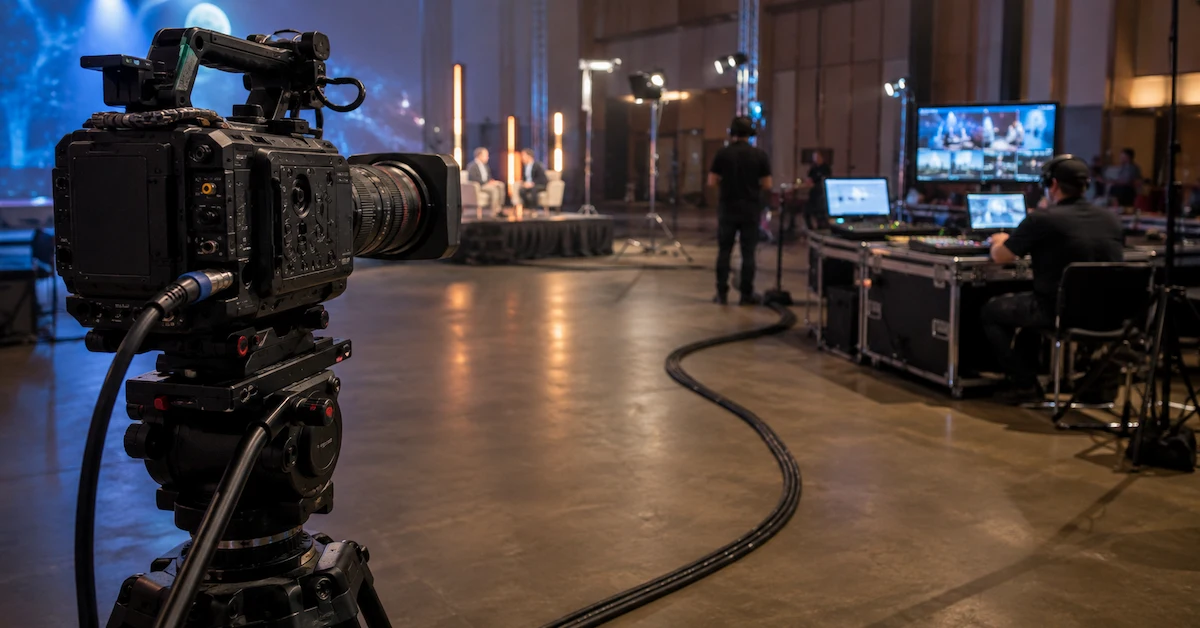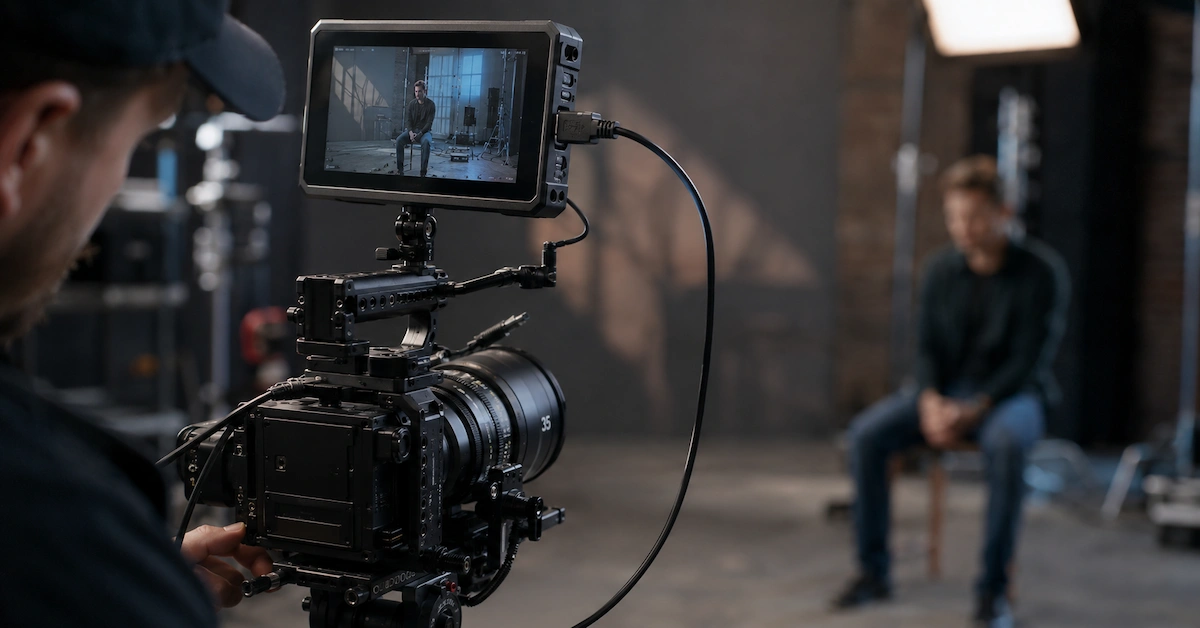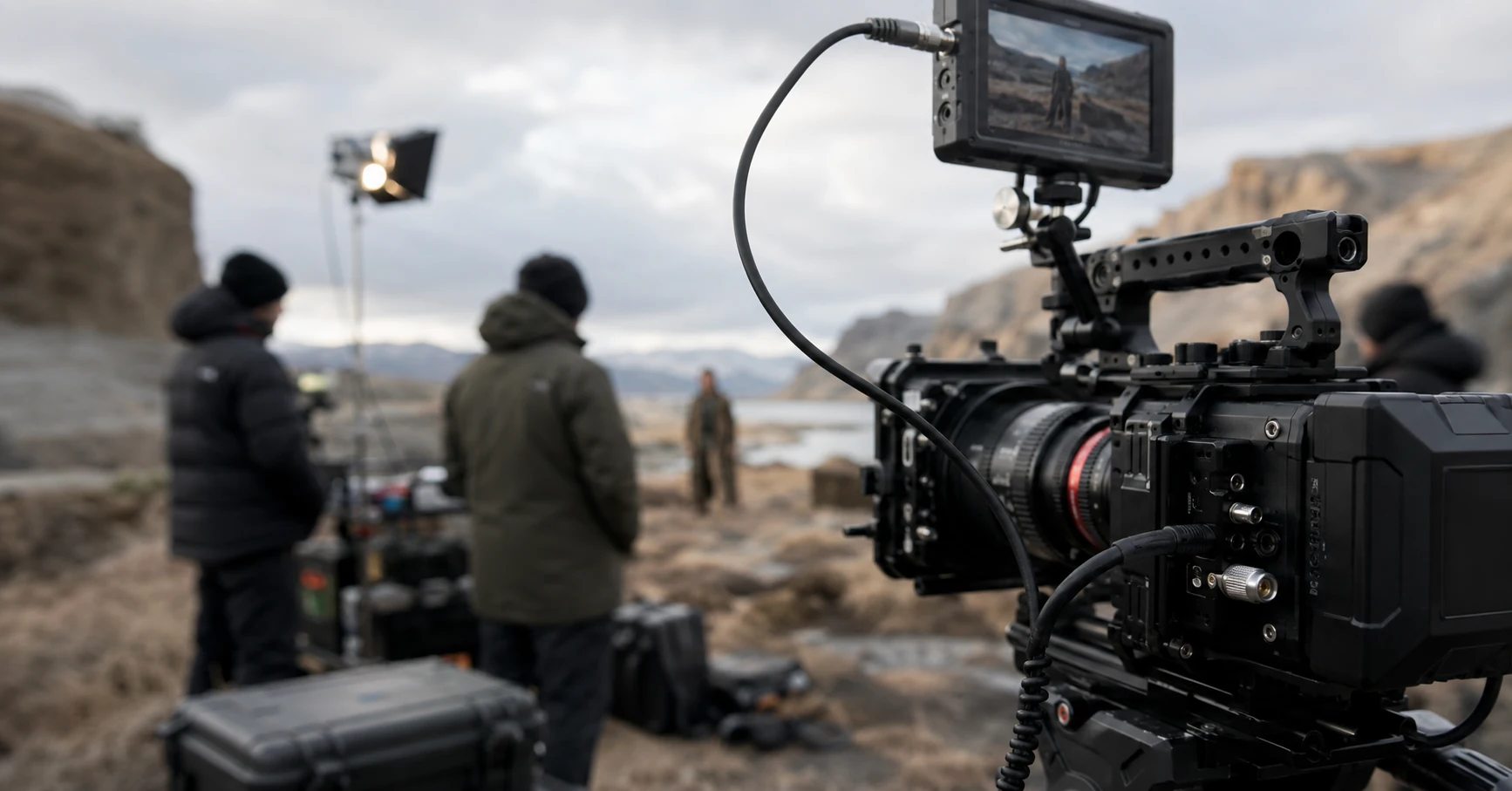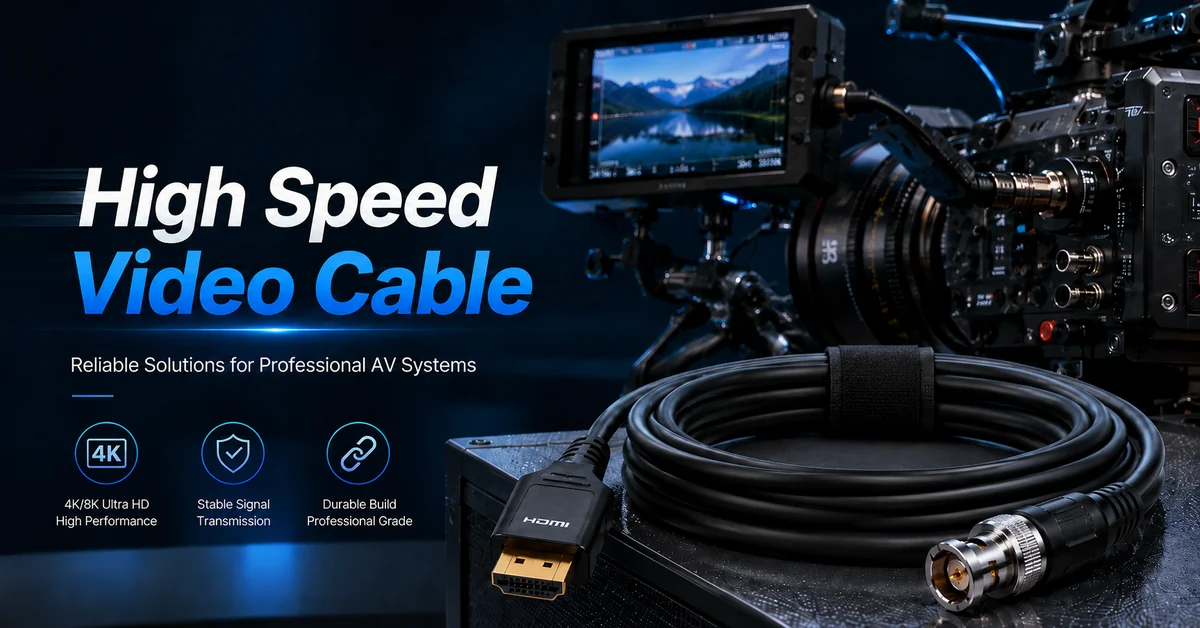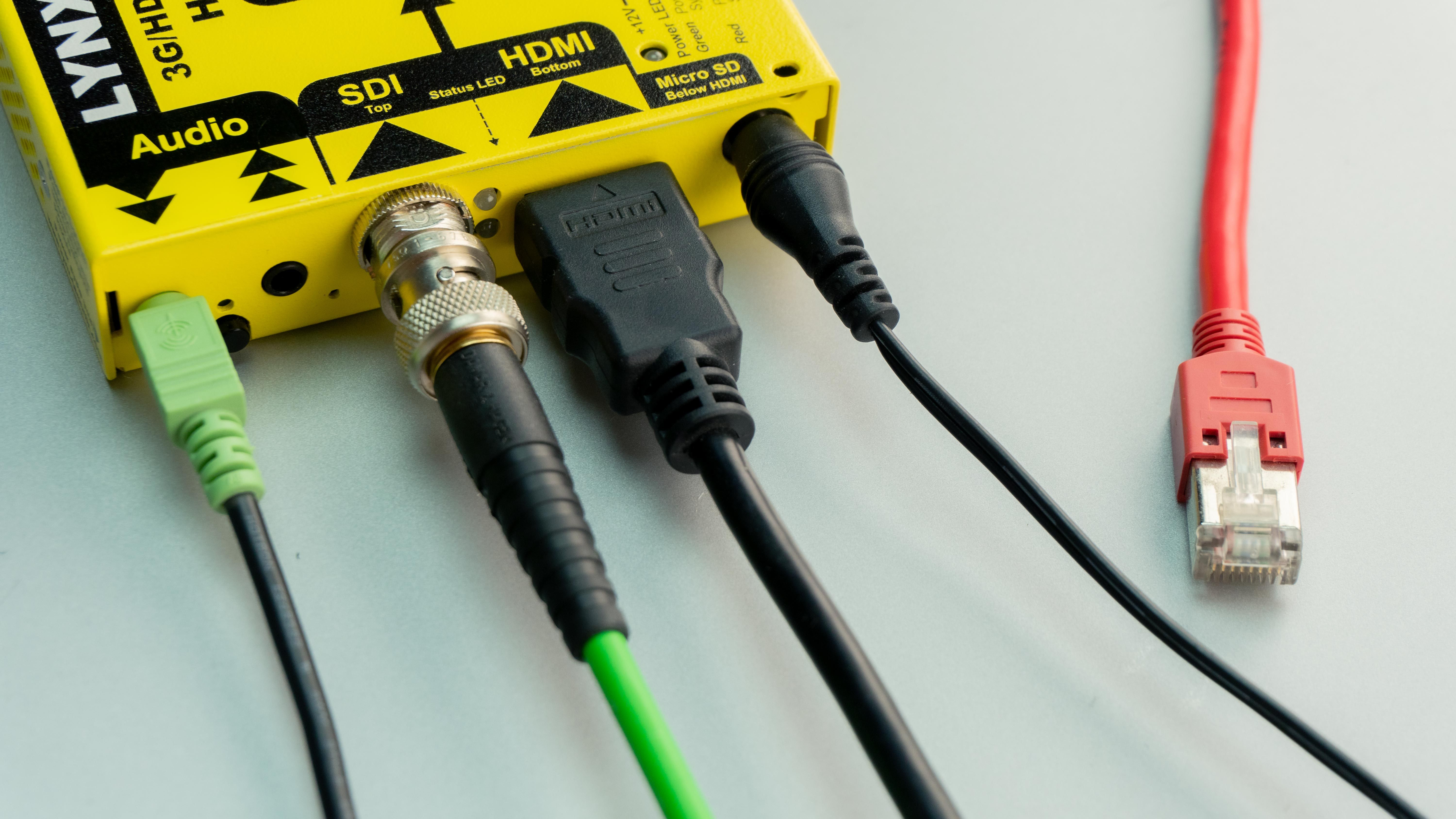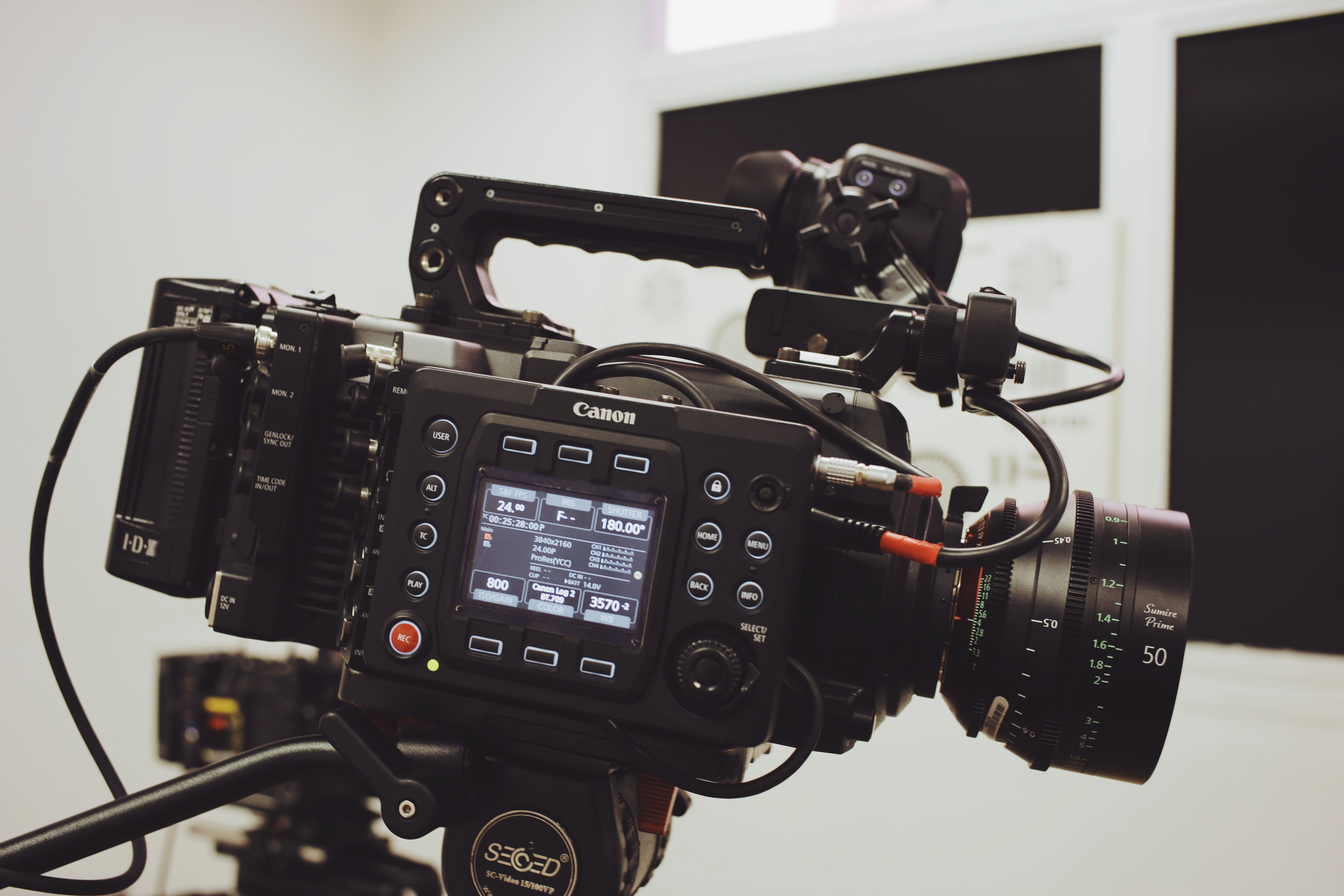
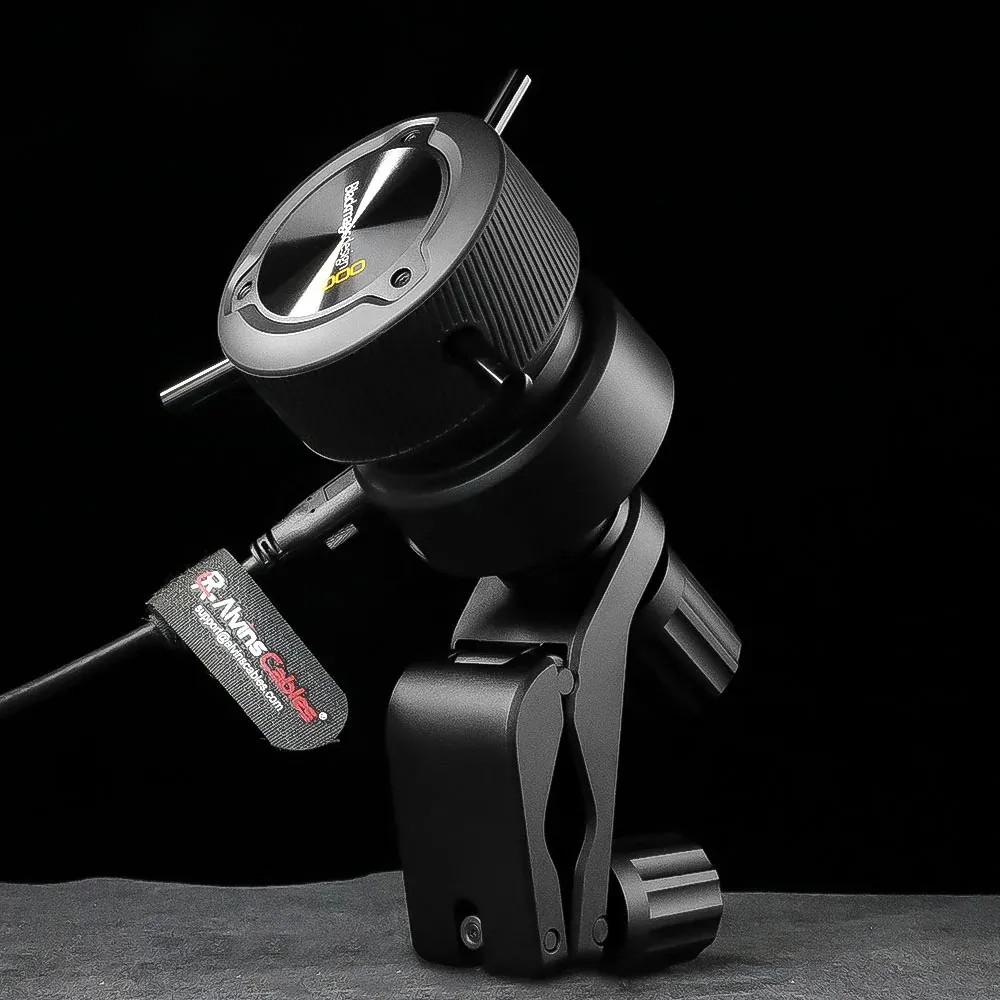
When a Small Cable Becomes the Weakest Point in Your Setup
If you’ve ever worked on a shoot or a live setup, you probably know this feeling.
Everything is ready. Camera, monitor, power system—all set. Then suddenly, something small goes wrong. A signal flickers. A monitor goes black for a second. You adjust the cable, and it works again… but you don’t fully trust it anymore.
That moment changes how you work.
For many creators, this is where the idea of a “professional cable” starts to matter—not because of specs on paper, but because reliability becomes personal.
At Alvins, most of the cables we design come from exactly these situations. Users don’t come asking for a cable. They come asking for stability.
What a Professional Cable Actually Means Beyond Marketing Terms
The term “professional” gets used a lot, but in real setups, it has a very specific meaning.
A professional cable is one that performs consistently under pressure:
- It maintains signal integrity across longer distances
- It resists interference in crowded electronic environments
- It stays reliable even after repeated bending and repositioning
From a structural perspective, this usually includes:
- High-purity copper conductors for stable transmission
- Multi-layer shielding to reduce noise
- Reinforced connectors to prevent loosening
- Flexible yet durable outer materials for field use
According to International Electrotechnical Commission, shielding effectiveness and conductor consistency are key factors in maintaining stable signal transmission in professional systems.
Reference: https://www.iec.ch/
Why Experienced Builders Pay Attention to Cable Design Details
Once you start working with more complex setups, small details become noticeable.
For example:
- A slightly loose connector can interrupt a live feed
- A stiff cable can affect how quickly you set up
- Poor shielding can introduce subtle noise into your signal
Experienced creators don’t always talk about cables—but they pay attention to them.
At Alvins, we’ve worked with users who needed:
- Custom lengths to reduce clutter
- Specific connectors to match unique setups
- Flexible cables for handheld or gimbal use
These are not luxury features. They are practical adjustments that make daily work smoother.
How Cable Construction Affects Real-World Performance
The difference between a basic cable and a professional one often shows up during use, not at purchase.
Here’s how construction translates into performance:
| Feature | Standard Cable | Professional Cable |
|---|---|---|
| Signal Stability | Moderate | High |
| Interference Resistance | Basic | Advanced |
| Flexibility | Limited | Optimized |
| Durability | Short-term | Long-term |
| Connector Fit | Inconsistent | Secure |
In fast-paced environments—like events, weddings, or live streaming—these differences become immediately noticeable.
A Real Example: Fixing an Unstable Camera Monitor Setup
One filmmaker approached us with a recurring issue during handheld shooting.
The monitor would occasionally lose signal—not completely, but just enough to disrupt focus during critical shots.
After reviewing the setup, the issue wasn’t the camera or the monitor. It was the cable:
- The connector didn’t lock firmly
- The cable lacked flexibility, creating tension
- Shielding wasn’t sufficient in a crowded setup
We replaced it with a custom-built cable:
- Shortened length for better balance
- Reinforced connector fit
- Added higher-level shielding
The difference was immediate:
- No signal interruption during movement
- Faster setup time
- More confidence during shooting
It wasn’t a major equipment upgrade. Just a better cable.
What to Look for When Choosing a Professional Cable
If you’re building or upgrading your setup, a few things are worth paying attention to:
- Does the cable match your exact equipment interfaces?
- Is it flexible enough for your shooting style?
- Are the connectors secure and durable?
- Is the cable designed for your environment (studio vs outdoor)?
A professional cable doesn’t need to be complicated. It just needs to work reliably every time you use it.
Final Thoughts: Confidence Comes from Small Details That Work Every Time
In creative work, small technical issues can interrupt focus and slow down your workflow.
Cables are easy to overlook—but they are always part of the chain.
A reliable professional cable doesn’t just connect devices. It removes uncertainty from your setup.
At Alvins, we design cables based on how people actually use them—on set, in studios, and in real working environments.
If you’re refining your setup and want something that works consistently, you can explore our products here:
https://www.alvins.com/
Or request something tailored to your setup:
https://www.alvins.com/request-a-quote