When Assembly Quality Determines Whether a System Actually Works
In many projects, the design phase looks solid. Equipment is carefully selected. Specifications match. Everything appears aligned—until the system is put into real use.
Then small inconsistencies start to surface.
Connections feel slightly loose. Signal behavior becomes unpredictable. Power delivery varies under load. These are not dramatic failures, but they are enough to disrupt performance over time.
What often sits behind these issues is not the cable design itself—but how that design is assembled.
This is where a capable cable assembly manufacturer makes a measurable difference. At Alvins, assembly is not treated as a final step. It is part of the engineering process, where precision, consistency, and validation define how the system will behave in real conditions.
Material Integration and Structural Design Begin Before Assembly
Before a cable is assembled, its internal structure has already determined its performance boundaries.
Each component must be selected with assembly compatibility in mind:
- Conductors
Oxygen-free copper ensures low resistance and stable current transmission - Shielding layers
Braided + foil combinations improve EMI resistance by up to 60% - Insulation materials
TPE and TPU provide flexibility while maintaining structural integrity under repeated bending - Connector components
Precision-machined contacts reduce micro-gaps that can lead to intermittent signals
According to International Electrotechnical Commission, consistency in conductor and shielding integration is critical to maintaining electrical stability across cable assemblies.
Reference: https://www.iec.ch/
Assembly quality depends on how well these materials are integrated—not just which materials are used.
Why Process Control Defines the Difference Between Assembly and Engineering
Once materials are selected, the assembly process becomes the determining factor.
Not all manufacturers approach this stage the same way.
A true cable assembly manufacturer follows a controlled workflow:
Step 1: Wire Preparation
- Stripping precision must be within tight tolerances
- Over-stripping or under-stripping directly affects connection reliability
Step 2: Crimping or Soldering
- Controlled pressure or temperature ensures stable electrical contact
- Variations can increase resistance by 10–20%
Step 3: Shield Termination
- Improper shielding connection reduces EMI protection effectiveness
Step 4: Connector Assembly
- Alignment and torque control affect long-term durability
Step 5: Strain Relief Integration
- Prevents mechanical stress from transferring to connection points
At Alvins, these steps are standardized and monitored, ensuring that each assembly behaves consistently under real-world conditions.
Why Experience in Cable Assembly Cannot Be Replaced by Equipment Alone
Many factories have similar machines. Few produce the same results.
The difference lies in how experience is applied during assembly.
For example:
- Recognizing when a connector design requires reinforcement
- Adjusting assembly methods for flexible vs rigid cable structures
- Identifying early signs of potential failure during testing
This type of judgment cannot be automated.
It comes from repeated exposure to real project conditions. That is why working with an experienced cable assembly manufacturer often leads to fewer revisions and more stable outcomes.
Measurable Impact of Controlled Assembly on System Performance
The effect of assembly quality can be quantified.
| Parameter | Basic Assembly | Controlled Assembly | Improvement |
|---|---|---|---|
| Contact Resistance | High variability | Stable | ↓ 25–35% |
| Signal Integrity | Moderate | High | +30–50% |
| Failure Rate | 8–12% | <3% | ↓ ~70% |
| Cable Lifespan | 6–12 months | 18–30 months | 2–3× |
Industry data from IPC shows that standardized assembly processes significantly reduce defect rates in cable systems.
Reference: https://www.ipc.org/
These improvements are not theoretical—they directly influence system uptime and maintenance costs.
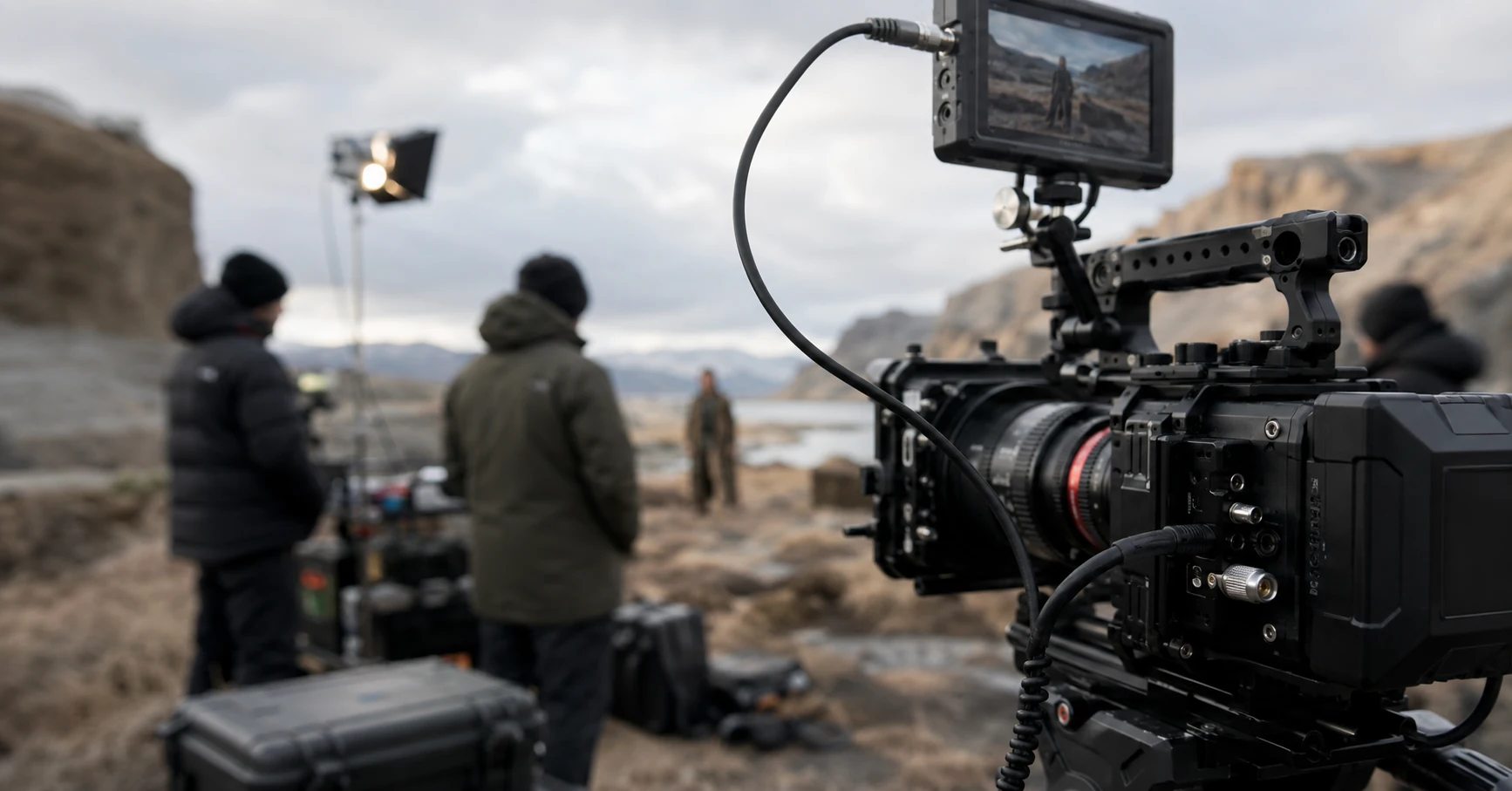
Case Example: Assembly Optimization in a Field Production Setup
A field production team operating in outdoor environments encountered recurring cable issues.
The cables themselves met specifications, but failures appeared after repeated use:
- Intermittent signal interruptions
- Connector looseness under movement
- Reduced performance over time
After evaluation, the issue was traced back to assembly inconsistencies:
- Inconsistent crimping pressure
- Insufficient strain relief
- Variations in connector alignment
The solution involved re-engineering the assembly process:
- Standardized crimping parameters
- Reinforced strain relief structures
- Introduced alignment verification during assembly
The outcome was clear:
- Failure rate reduced by approximately 60%
- Operational lifespan extended by more than 2×
- Improved reliability under dynamic conditions
This demonstrates that assembly precision directly affects real-world performance.
Procurement Perspective: Evaluating a Cable Assembly Manufacturer Beyond Pricing
From a sourcing standpoint, assembly capability is often underestimated.
Instead of focusing only on cost, buyers should examine:
- Whether the manufacturer has documented assembly processes
- Consistency across production batches
- Ability to adapt assembly methods for different applications
- Testing procedures after assembly
These factors determine whether the product will perform consistently—not just initially, but over time.
Closing Perspective: Assembly Is Where Design Becomes Reality
A cable design only exists on paper until it is assembled.
It is during assembly that materials, engineering decisions, and specifications are translated into physical performance.
A reliable cable assembly manufacturer ensures that:
- Electrical performance is preserved during production
- Mechanical durability is built into the structure
- Each unit behaves consistently in real conditions
At Alvins, assembly is treated as a controlled engineering process rather than a repetitive task. This allows us to support complex applications where stability and consistency are critical.
If your project depends on reliable connections, evaluating assembly capability early can prevent issues that are difficult to fix later.
Explore our capabilities here: https://www.alvins.com/
Or discuss your project requirements directly: https://www.alvins.com/request-a-quote