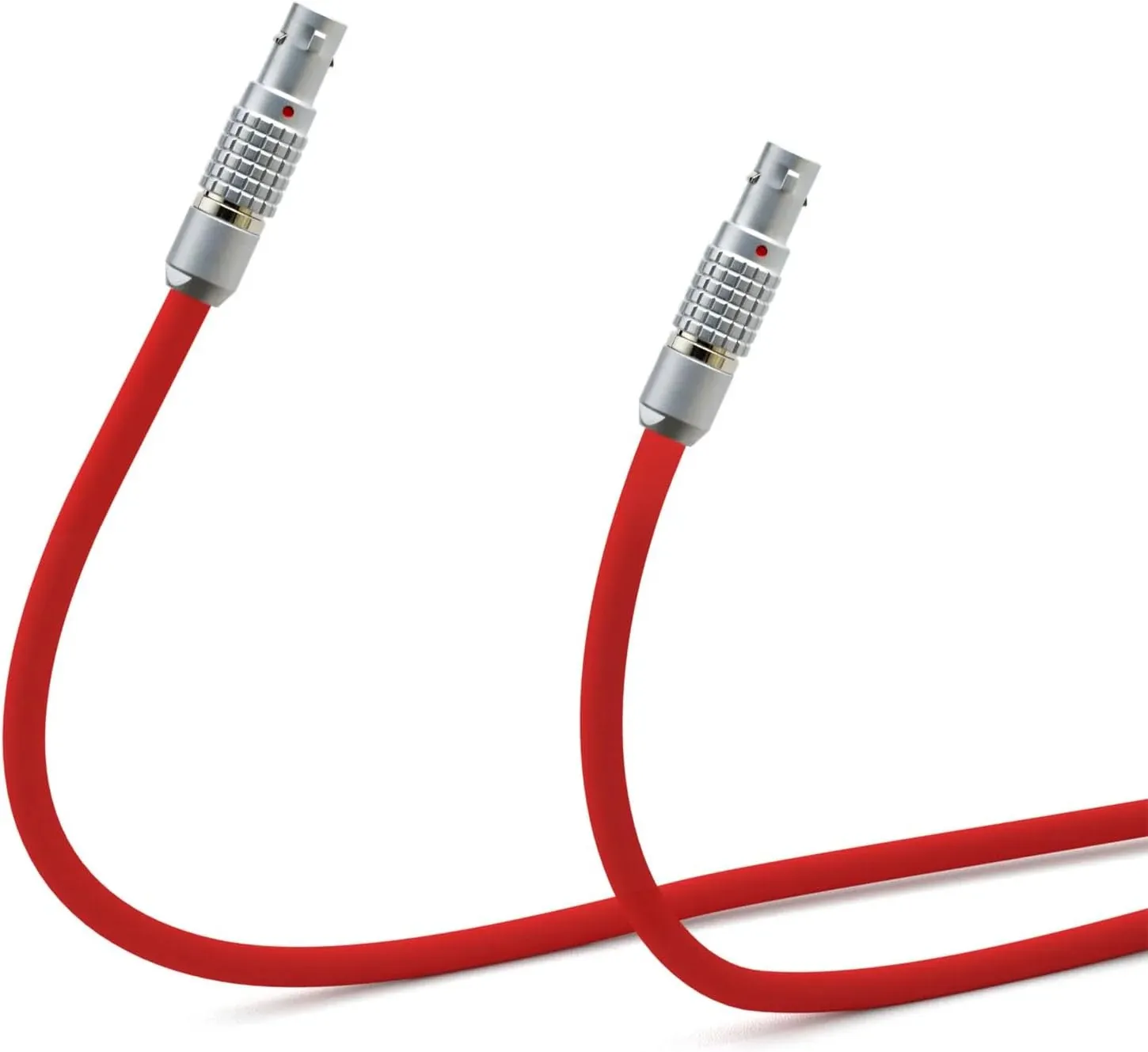
When System Complexity Turns Cable Layout into a Bottleneck
In simple setups, cables are easy to manage. But as systems grow—more devices, more interfaces, more power distribution—the internal wiring quickly becomes one of the most difficult parts to control.
At first, everything works. Then over time, issues begin to appear:
- Cables become tangled and difficult to organize
- Signal interference increases as wiring density grows
- Maintenance becomes time-consuming due to unclear routing
- Connection errors occur during installation or upgrades
These are not just operational inconveniences—they directly affect system reliability and efficiency.
This is exactly where a custom wiring harness becomes necessary. Instead of managing individual cables, the system is redesigned as a structured wiring solution. At Alvins, we approach harness design as part of system engineering—simplifying layout while improving long-term stability.
Material Selection and Harness Structure Define Performance Boundaries
Before a wiring harness is assembled, its performance is already shaped by material and structural decisions.
A properly designed custom wiring harness integrates:
- Conductor Systems
High-quality copper ensures stable current flow across multiple connections
Uniform conductor sizing maintains balanced electrical performance - Bundling and Routing Structure
Organized cable grouping reduces interference and improves airflow
Pre-defined routing paths simplify installation - Insulation and Protection Materials
TPU or high-grade PVC enhances resistance to wear, heat, and vibration
Additional sleeving protects cables in high-friction areas - Connector Integration
Pre-installed connectors reduce assembly errors and improve consistency
According to the International Electrotechnical Commission, structured wiring systems significantly improve electrical stability and reduce installation variability.
Reference: https://www.iec.ch/
In practice, harness design is not just about combining cables—it is about controlling how they behave as a system.
Why Experience in Harness Design Changes Installation Efficiency
When systems are installed in real environments, wiring complexity becomes immediately visible.
Without a structured harness:
- Technicians spend more time routing cables
- Mistakes increase during installation
- Maintenance becomes slower and more error-prone
A well-designed custom wiring harness eliminates these issues before installation begins.
At Alvins, harness design focuses on:
- Matching layout to actual device positioning
- Reducing unnecessary cable length
- Simplifying connection points
This approach not only improves system performance—it reduces installation time and long-term operational cost.
Engineering Approach to Custom Wiring Harness Solutions
To ensure reliability, harness design must follow a structured engineering process:
Step 1: System Mapping
Identify all devices, connection points, and power requirements
Step 2: Routing Optimization
Define cable paths to minimize interference and overlap
Step 3: Load and Signal Balancing
Ensure stable current distribution and signal integrity
Step 4: Mechanical Reinforcement
Add protective layers for vibration, movement, and environmental stress
Step 5: Pre-Assembly Integration
Deliver a ready-to-install harness system
According to IPC standards, structured cable assemblies can reduce installation errors by over 50% in complex systems.
Reference: https://www.ipc.org/
Performance Comparison: Loose Cable Setup vs Integrated Wiring Harness
| Factor | Loose Cable Setup | Custom Wiring Harness | Improvement |
|---|---|---|---|
| Installation Time | High | Reduced by 30–50% | |
| Error Rate | Moderate–High | Low | |
| Signal Stability | Variable | Stable | |
| Maintenance Efficiency | Low | High | |
| System Organization | Poor | Structured |
These differences become more critical as system scale increases.
Case Example: Improving Efficiency in a Multi-Device Equipment System
A client operating a multi-device system faced ongoing challenges:
- Cable clutter made installation difficult
- Signal interference increased in dense wiring areas
- Maintenance required significant time due to unclear layout
The solution involved transitioning to a custom wiring harness:
- Pre-defined routing paths aligned with device layout
- Bundled cables reduced overlap and interference
- Integrated connectors simplified installation
Results:
- Installation time reduced by approximately 40%
- Maintenance time reduced by over 50%
- Improved overall system stability
This case highlights how harness design directly affects both performance and workflow efficiency.
Procurement Considerations for Custom Wiring Harness Projects
When sourcing a wiring harness solution, buyers should focus on:
- Whether the manufacturer understands system-level design
- Ability to customize layout based on application
- Consistency in assembly quality
- Testing and validation processes
Unlike individual cables, a wiring harness becomes part of the system architecture—making supplier selection even more critical.
Final Perspective: Structured Wiring Is the Foundation of Scalable Systems
As systems grow more complex, unmanaged wiring becomes a limiting factor.
A custom wiring harness transforms cable management into a structured, predictable system:
- Reducing installation complexity
- Improving operational reliability
- Supporting future scalability
At Alvins, we design wiring harness solutions based on real application needs—ensuring that structure, performance, and usability align from the beginning.
If your system is becoming harder to manage, it may not need more cables—it may need a better structure.
Explore our solutions here:
https://www.alvins.com/
Or request a customized wiring harness for your project:
https://www.alvins.com/request-a-quote