A long distance video cable is essential when professional video signals need to travel across studios, event venues, broadcast systems, control rooms, outdoor locations, or industrial environments. Unlike short camera cables, long-distance cables must handle signal stability, interference, cable routing, connector reliability, and real working conditions.
For B2B buyers, choosing the wrong long distance video cable can cause signal dropout, monitor flickering, unstable recording, delayed live production, or expensive troubleshooting. This is why film crews, broadcast teams, AV integrators, rental houses, and industrial users need cable solutions that match both the signal standard and the application environment.
Alvin’s Cables provides professional cable solutions for camera, broadcast, AV, and industrial video workflows, including standard and custom cable options for demanding long-distance transmission needs.
Quick Answer: What Is a Long Distance Video Cable?
A long distance video cable is designed to transmit video signals over extended cable runs between professional devices such as cameras, monitors, recorders, switchers, routers, converters, or control systems.
Common long distance video cable types include:
- SDI / BNC video cable
- HDMI cable for AV systems
- Camera monitor cable
- Broadcast video cable
- Outdoor video cable
- Industrial camera cable
- Custom video cable assembly
For professional use, cable length must be planned together with signal type, connector choice, shielding, routing path, and usage environment.
Why Long Distance Video Cable Quality Matters
Longer cable runs create higher risk. Even if a cable works at short distance, it may not perform reliably when used across a studio, stage, event venue, or production location.
Common problems include:
- Signal loss over long runs
- Image flickering or black screen
- Poor shielding near power equipment
- Loose connector contact
- Cable damage from dragging or repeated setup
- Excessive cable clutter
- Wrong connector type for equipment
- Higher troubleshooting cost during production
For live production or broadcast use, cable failure can affect the entire signal chain. For rental houses and distributors, unstable cable quality can create returns, complaints, and repeat replacement costs.
Key Factors When Choosing a Long Distance Video Cable
1. Signal Type
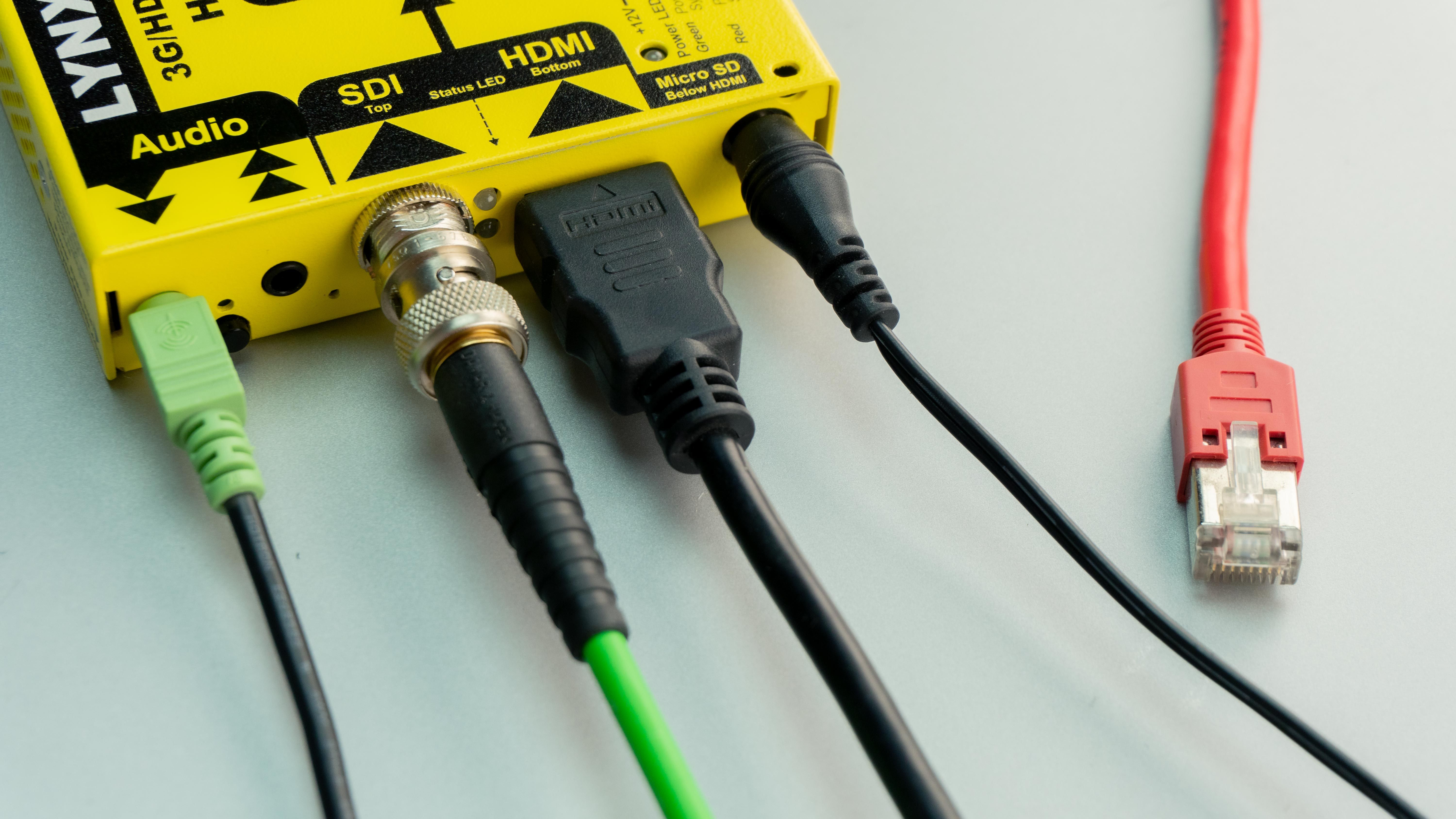
Different video workflows use different signal standards. SDI / BNC cables are often used in broadcast and professional camera systems, while HDMI cables are common in monitors, recorders, displays, and compact AV setups.
Before ordering, buyers should confirm:
- Camera or source device model
- Monitor, recorder, switcher, or display model
- Video resolution
- Cable length
- Indoor or outdoor use
- Fixed installation or repeated field setup
A supplier should recommend the cable based on the full system, not only the connector name.
2. Shielding
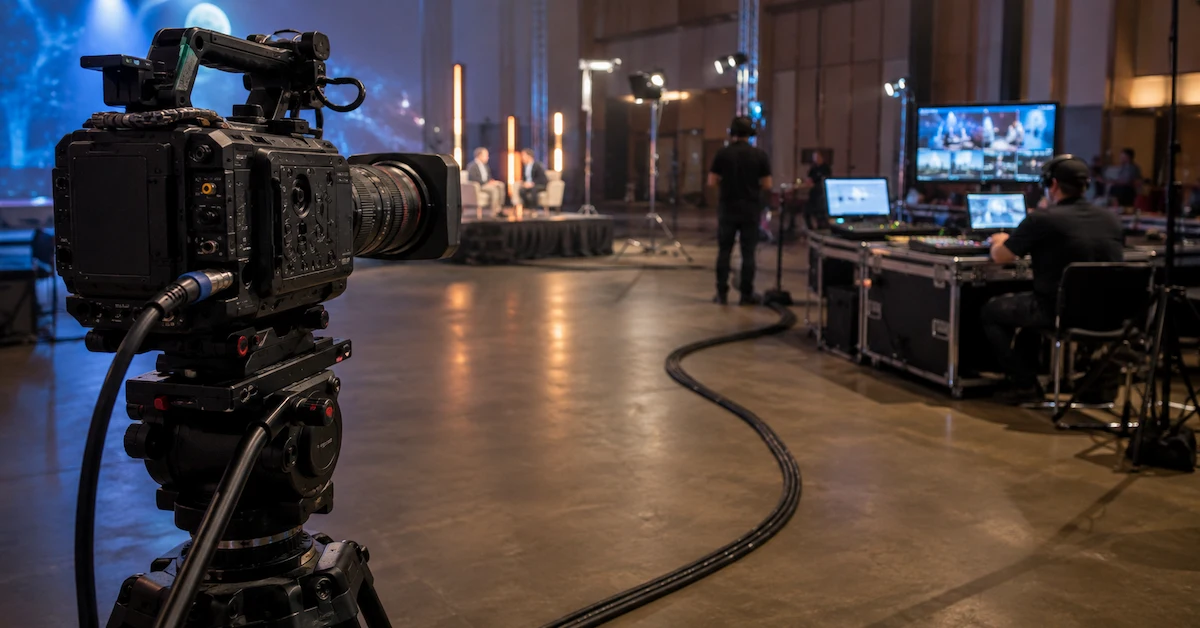
Long distance video transmission is more sensitive to interference. In studios, live events, industrial environments, and AV installations, cables may run near power lines, LED screens, wireless systems, lighting equipment, motors, or audio devices.
Good shielding helps protect signal quality and reduce interference risk. For broadcast and industrial video projects, shielding should be treated as a core requirement.
3. Connector Reliability
Connector quality is critical for long-distance applications. A loose or poorly terminated connector can interrupt the signal even when the cable itself is suitable.
Buyers should evaluate:
- Connector fit
- Locking stability
- Termination quality
- Strain relief
- Durability under repeated use
- Compatibility with cameras, monitors, and switchers
For SDI workflows, BNC connector quality is especially important because secure locking supports stable professional video transmission.
4. Cable Length Planning
Longer is not always better. A cable that is too long creates clutter, increases handling difficulty, and may increase signal risk. A cable that is too short causes tension and damages ports.
Custom cable length is valuable when buyers need clean routing for:
- Broadcast studios
- Control rooms
- Outdoor event systems
- Camera-to-switcher setups
- DIT carts
- AV integration cabinets
- Rental cable kits
- Industrial equipment layouts
5. Durability and Strain Relief
Long-distance cables are often dragged, coiled, packed, transported, and reused. Reinforced strain relief and durable jacket material help reduce failure near the connector.
This is especially important for rental houses, field production crews, and live event companies.
Long Distance Video Cable Options
| Cable Type | Best For | Main Advantage |
|---|---|---|
| SDI / BNC Video Cable | Broadcast, cinema, live production | Secure connection and stable video transmission |
| HDMI Video Cable | Displays, monitors, compact AV systems | Common interface and easy device compatibility |
| Outdoor Video Cable | Field production and events | Better durability for mobile environments |
| Custom Video Cable | Special projects and OEM needs | Exact length, connector, shielding, and routing |
| Industrial Video Cable | Machine vision and monitoring | Stable signal in equipment environments |
Who Needs Long Distance Video Cables?
| Buyer Type | Typical Requirement |
| Broadcast teams | Long cable runs between cameras, switchers, and monitors |
| Live event companies | Stable signal across venues and stages |
| AV integrators | Clean routing for fixed installation projects |
| Rental houses | Durable cables in multiple lengths |
| Film production teams | Camera-to-monitor or video village signal routing |
| Industrial users | Reliable video transmission near equipment |
| Distributors | Consistent quality for professional resale |
These buyers are not only looking for cable length. They need stable performance, durability, and supplier support.
Why Choose Alvin’s Cables?
Alvin’s Cables supports professional cable solutions for photography, film, broadcast, AV, and industrial applications. For long distance video cable projects, Alvin’s Cables can help buyers evaluate connector type, cable length, shielding, flexibility, durability, and custom routing requirements.
Buyers can browse available products through the Alvin’s Cables product center. For special length, connector combinations, shielding, outdoor use, or custom assembly needs, visit custom cable solutions.
Alvin’s Cables is suitable for:
- Long distance video cable sourcing
- SDI / BNC video cable projects
- Broadcast cable solutions
- AV integration cable routing
- Outdoor video cable applications
- Rental house cable kits
- Custom camera video cable assemblies
- Industrial video cable projects
What Information Should Buyers Provide?
To get the right recommendation, prepare these details:
| Information | Why It Matters |
| Device model | Confirms connector compatibility |
| Signal type | Helps match cable structure |
| Required length | Affects signal and routing |
| Application environment | Studio, outdoor, live event, industrial, rental |
| Connector type | Determines cable design |
| Quantity | Supports prototype, small batch, or bulk quote |
| Flexibility requirement | Helps choose jacket material |
| Shielding requirement | Protects signal stability |
To discuss a project, submit your details through the request a quote page. For lead time, shipping, and custom order questions, visit the FAQ page.
FAQ
1. What is a long distance video cable?
A long distance video cable is designed to transmit video signals over extended cable runs between cameras, monitors, switchers, recorders, displays, or industrial video devices.
2. What cable is best for long distance video transmission?
It depends on the equipment and signal standard. SDI / BNC cables are commonly used in professional broadcast and video production, while HDMI may be used for AV displays and compact systems.
3. Can long distance video cables be customized?
Yes. They can be customized by length, connector type, shielding, flexibility, jacket material, and application environment.
4. Why is shielding important for long distance video cables?
Shielding helps reduce interference from power cables, lighting systems, wireless equipment, motors, and other electronic devices.
5. How do I request a long distance video cable quote?
Provide device model, signal type, connector type, required length, environment, quantity, and any shielding or flexibility needs through the Alvin’s Cables quote form.
Conclusion
A long distance video cable must deliver more than basic connection. It needs stable signal performance, reliable connectors, proper shielding, suitable cable length, and strong durability for professional AV and camera workflows.
For broadcast systems, live events, AV integration, rental kits, film production, and industrial video applications, choosing the right supplier helps reduce signal failure and long-term replacement cost.
Alvin’s Cables provides standard and custom long distance video cable solutions for professional buyers. Contact Alvin’s Cables to discuss your cable length, connector, shielding, and application requirements.