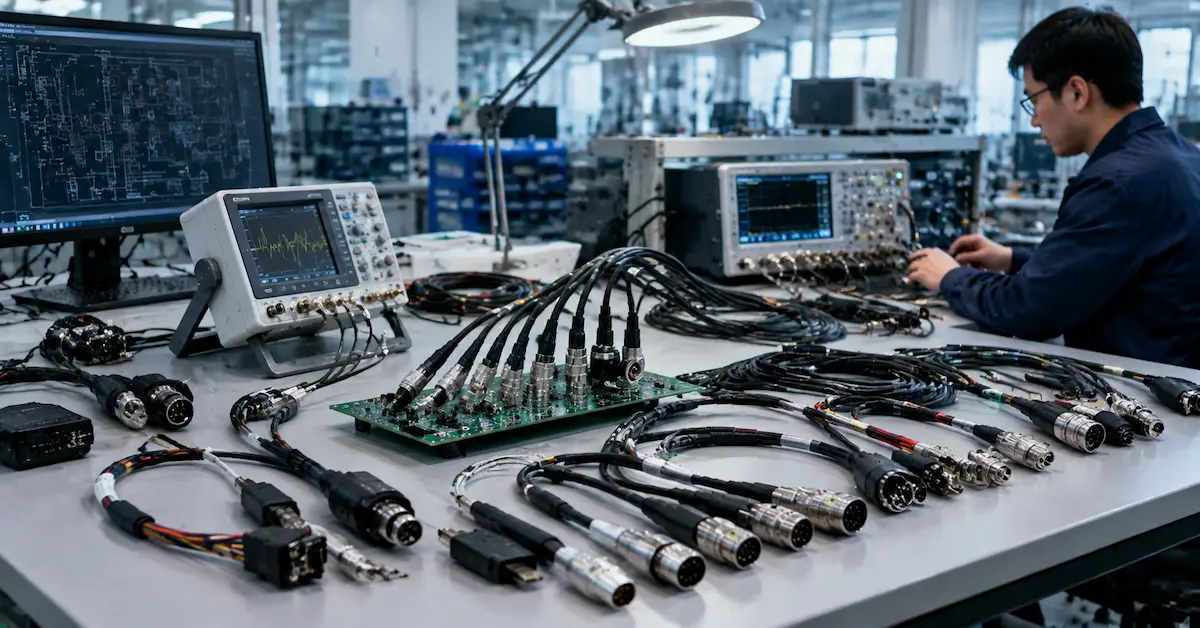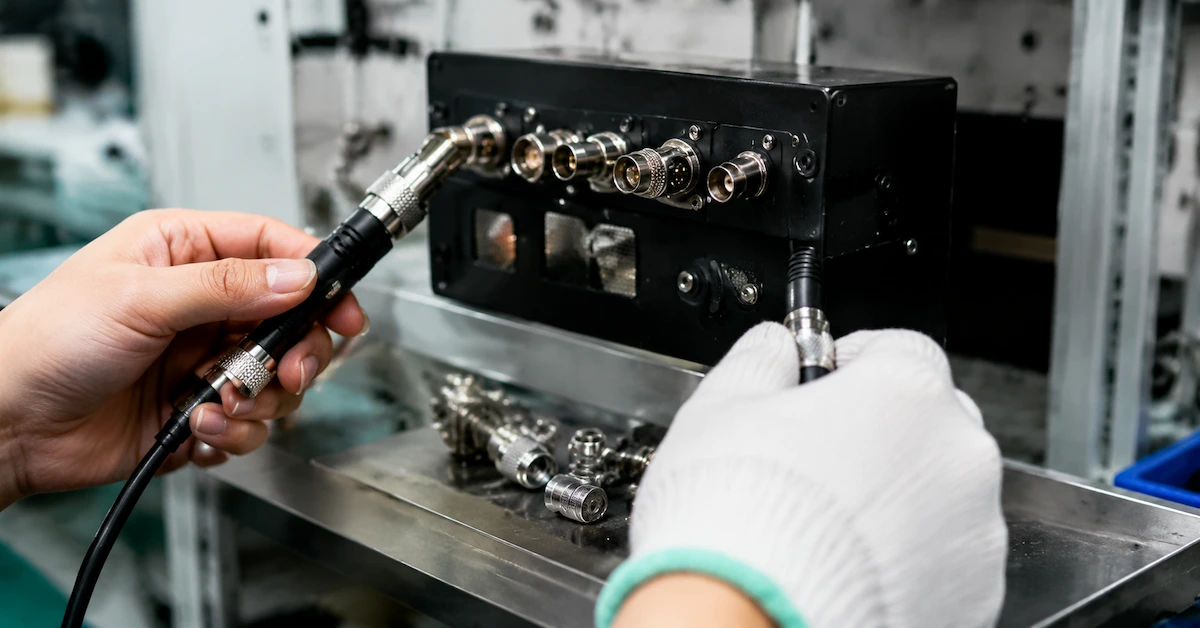
A cable interface adapter provides a practical connection solution when two devices use different interface standards, connector types, or communication methods.
Modern professional equipment often comes from different manufacturers. Cameras, monitors, recorders, batteries, industrial devices, and AV systems may not share the same connection interface.
A cable interface adapter allows these systems to work together by creating a suitable connection path.
Common applications include:
- Camera equipment integration
- Broadcast system connection
- AV installation
- Industrial equipment communication
- OEM product development
- Specialized electronic systems
For B2B buyers, selecting the correct adapter requires understanding the complete system rather than simply matching connector shapes.
Important factors include:
- Interface compatibility
- Signal type
- Power requirements
- Connector specifications
- Cable structure
- Application environment
Quick Answer: What Is a Cable Interface Adapter?
A cable interface adapter is a cable-based solution that connects devices using different interface standards.
It may provide:
- Connector conversion
- Interface matching
- Signal routing
- Power connection adaptation
- Equipment integration
Common examples include:
- HDMI interface adapters
- SDI interface adapters
- USB interface adapters
- DC power interface adapters
- Camera interface adapters
- Industrial connector adapters
A professional supplier should confirm whether the requirement involves:
- Physical interface adaptation
- Signal conversion
- Power conversion
- Custom wiring
Why Cable Interface Adapters Are Important
Professional systems often require multiple devices to work together.
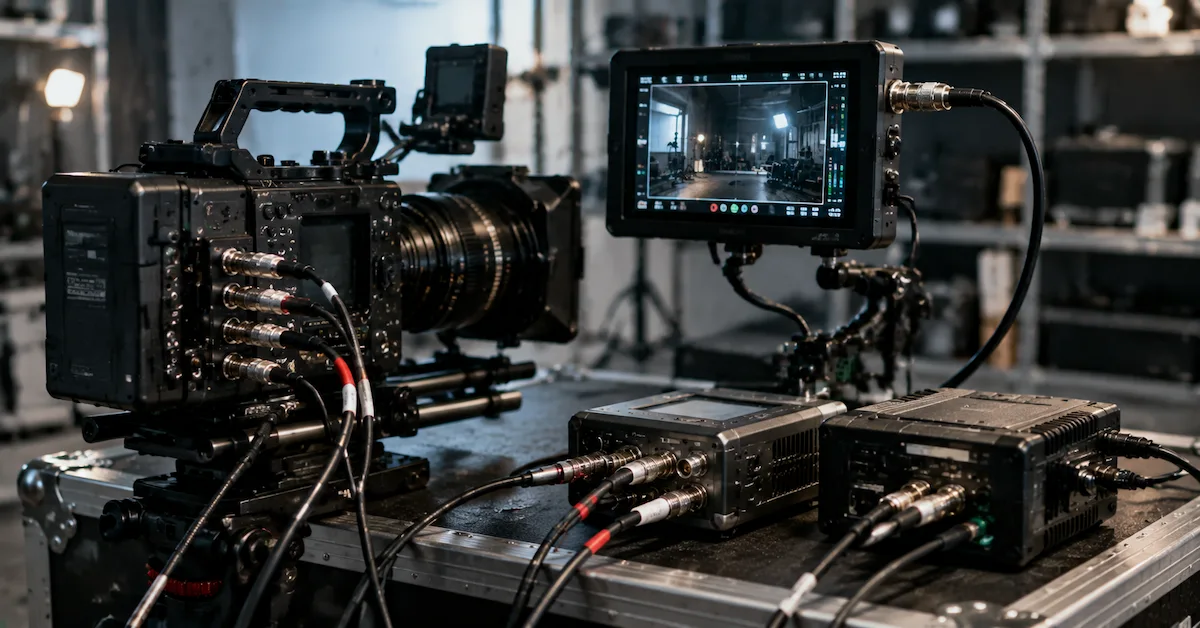
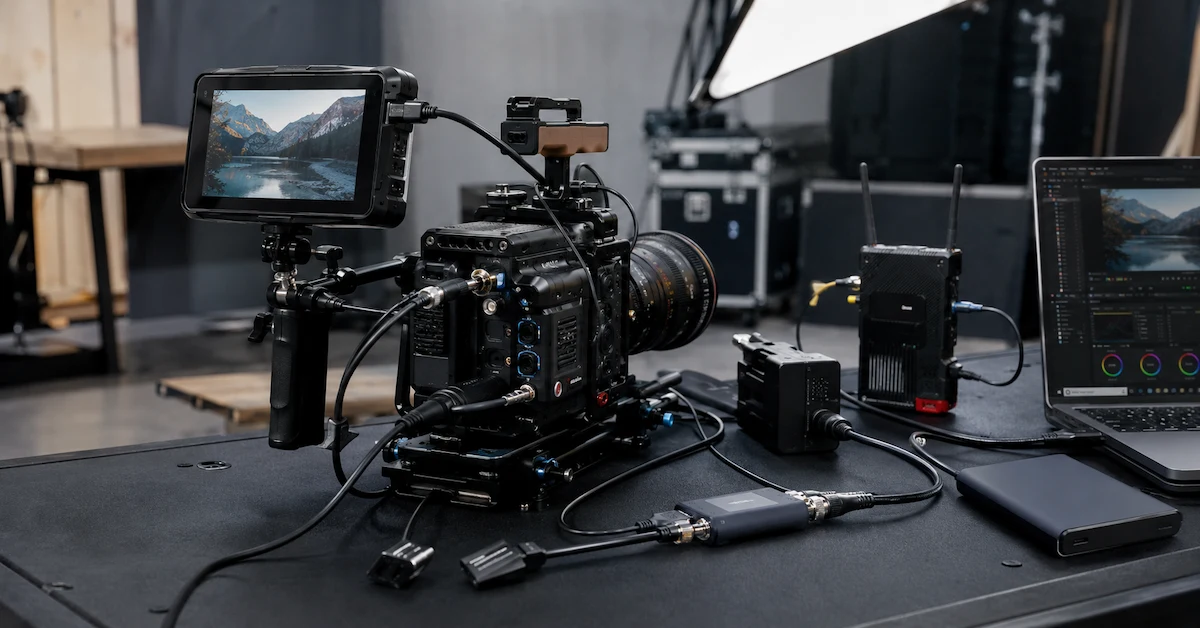
A camera production setup may include:
- Cinema camera
- External monitor
- Recorder
- Wireless transmitter
- Battery system
- Control accessories
Each device may use different interfaces.
Without the correct adapter solution, users may experience:
- Connection failure
- Equipment incompatibility
- Limited system flexibility
- Additional cable complexity
- Difficult installation
A properly designed cable interface adapter improves equipment compatibility and workflow efficiency.
Common Applications of Cable Interface Adapters
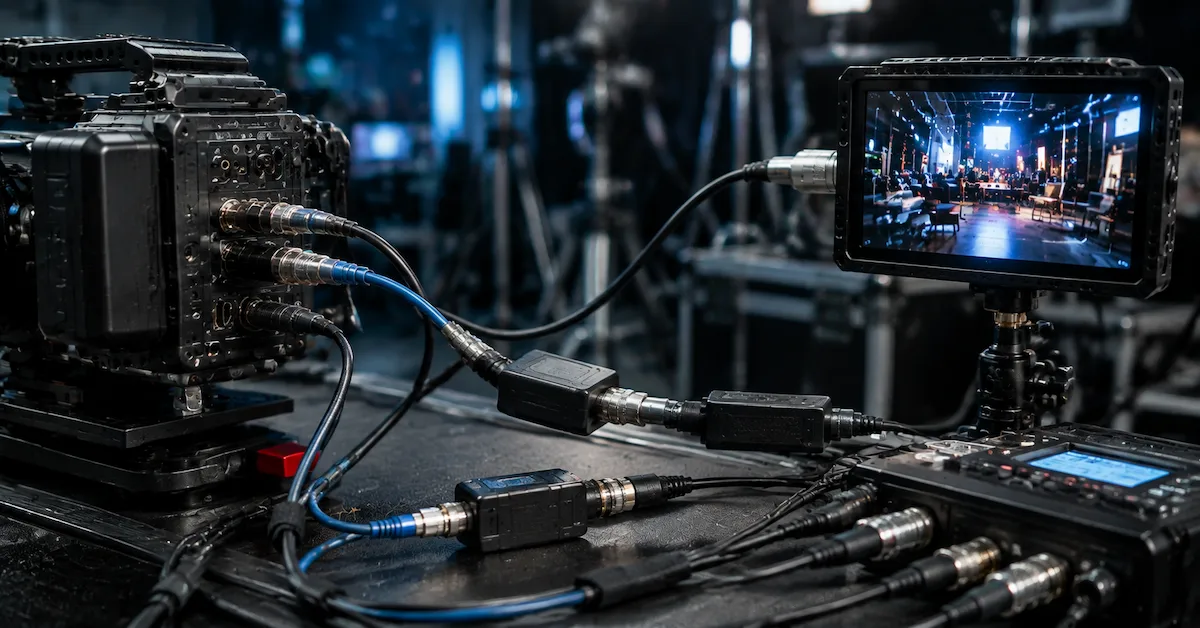
Camera and Video Production
Professional camera systems often require different interfaces between devices.
Applications include:
- Camera monitor connection
- Recorder integration
- Video transmission
- Camera accessory connection
- Battery interface adaptation
Custom interface adapters help simplify complex camera setups.
Broadcast Systems
Broadcast environments require reliable connections between professional equipment.
Applications include:
- Studio cameras
- Video switchers
- Monitoring systems
- Recording equipment
- Transmission devices
Reliable interface adapters help maintain stable workflows.
AV Integration
Commercial AV projects often combine equipment from different brands.
Applications include:
- Conference systems
- Display systems
- Control rooms
- Streaming setups
- Professional installations
Industrial Equipment
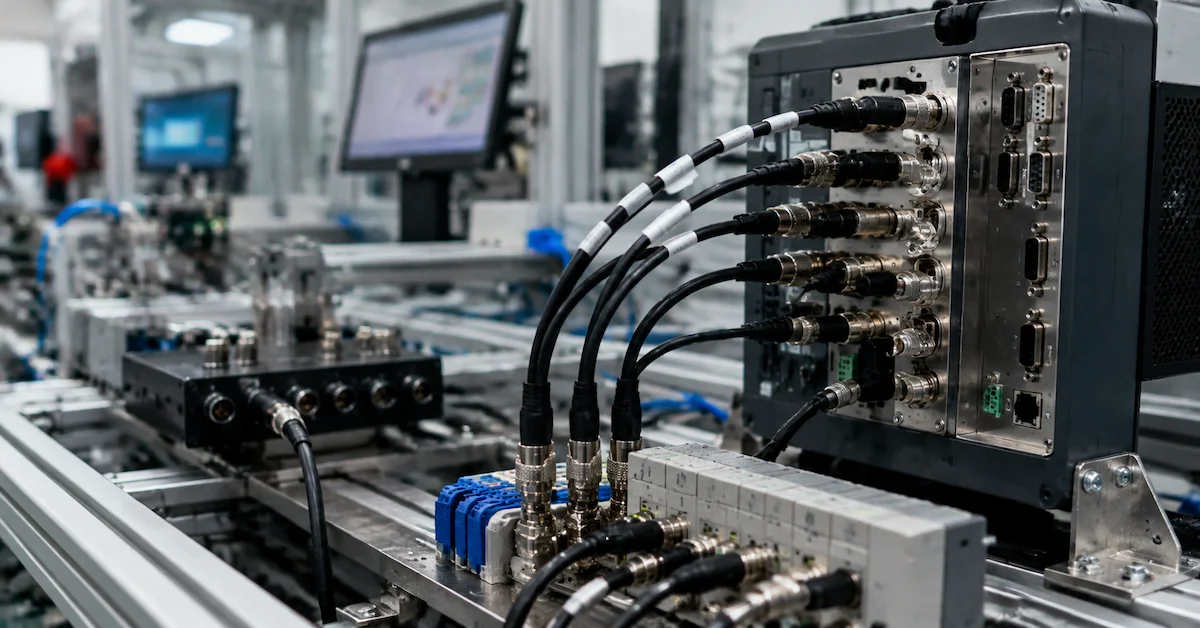
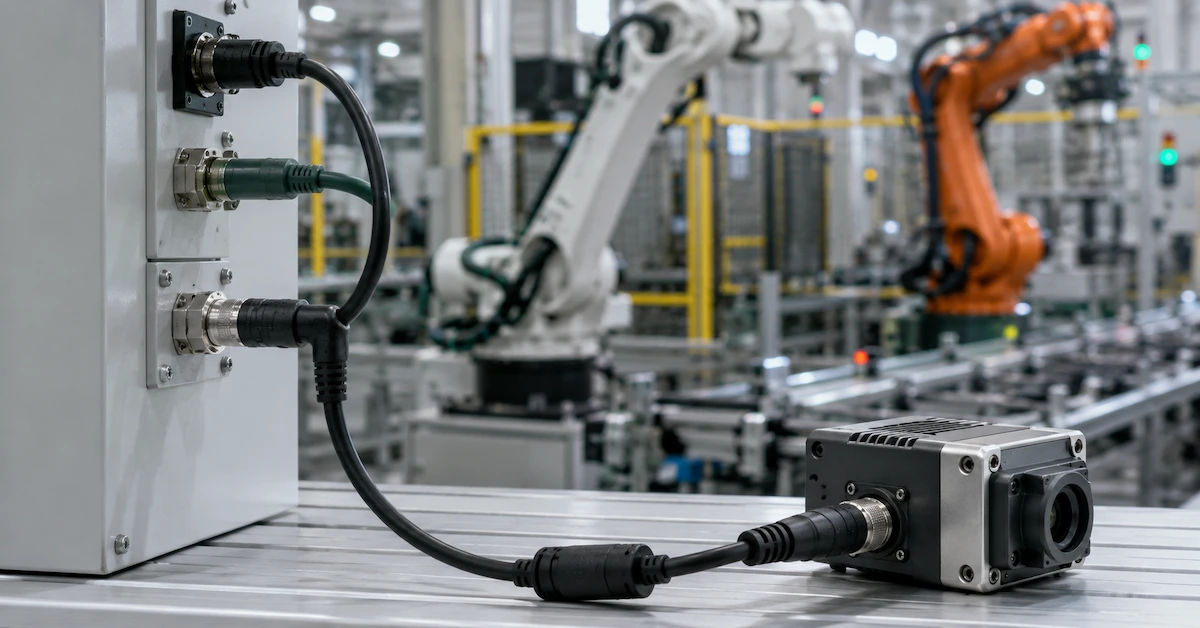
Industrial systems may use specialized interfaces.
Applications include:
- Machine control
- Testing equipment
- Sensors
- Automation systems
- Data communication
Key Factors When Choosing a Cable Interface Adapter
1. Interface Compatibility
The first step is identifying both connected devices.
Buyers should confirm:
- Input interface
- Output interface
- Connector type
- Connector series
- Pin count
- Signal direction
Common interfaces include:
- HDMI
- SDI
- BNC
- USB-C
- LEMO
- D-Tap
- DC connectors
- XLR
- Circular connectors
A physically matching connector does not always guarantee compatibility.
2. Signal Requirements
Different interfaces may carry different signals.
Important considerations include:
- Video signal
- Audio signal
- Data communication
- Control signal
- Transmission standard
Signal requirements affect:
- Cable structure
- Shielding
- Connector selection
- Performance
3. Power Compatibility
Some interface adapters also involve power connections.
Buyers should confirm:
- Input voltage
- Output voltage
- Current requirement
- Polarity
- Connector rating
Incorrect power specifications may damage equipment.
4. Connector Design
Professional applications often require specific connector designs.
Options include:
- Straight connectors
- Right-angle connectors
- Locking connectors
- Compact connectors
- Custom connector combinations
Correct connector design improves installation reliability.
5. Cable Length and Routing
The correct cable length improves system organization.
Custom lengths help:
- Reduce cable clutter
- Improve equipment layout
- Protect connectors
- Simplify installation
Cable Interface Adapter Options
| Adapter Type | Application | Typical Users |
|---|---|---|
| Video Interface Adapter | Camera and monitor systems | Film production |
| Power Interface Adapter | Battery systems | AV professionals |
| USB Interface Adapter | Portable devices | Electronics users |
| Industrial Interface Adapter | Equipment systems | Manufacturers |
| Custom OEM Adapter | Product integration | Brands |
Cable Interface Adapter vs Standard Adapter
| Factor | Standard Adapter | Cable Interface Adapter |
| Compatibility | General devices | Specific systems |
| Design | Fixed | Customizable |
| Wiring | Standard | Application-specific |
| Installation | Basic | Professional integration |
| OEM support | Limited | Available |
Who Needs Cable Interface Adapter Solutions?
| Buyer Type | Requirement |
| Camera manufacturers | Equipment integration |
| Film companies | Professional connections |
| Broadcast companies | Stable workflows |
| AV integrators | Project solutions |
| Industrial manufacturers | Interface compatibility |
| OEM brands | Custom cable products |
| Distributors | Professional supply |
Why Alvin’s Cables Is a Reliable Interface Adapter Partner
Alvin’s Cables provides professional cable solutions for photography, film, broadcast, AV, and industrial applications.
For cable interface adapter projects, Alvin’s Cables supports:
- Custom interface cable development
- Camera adapter solutions
- Power interface cables
- Signal interface solutions
- Connector customization
- Cable length customization
- Prototype development
- OEM production
Buyers can explore available products through the Alvin’s Cables product center.
For customized interface requirements, visit custom cable solutions.
Information Required for Custom Orders
| Information | Purpose |
| Equipment model | Confirms compatibility |
| Interface type | Defines connection design |
| Signal requirement | Determines cable structure |
| Power specification | Ensures safe operation |
| Connector details | Defines assembly |
| Cable length | Supports installation |
| Environment | Guides durability selection |
| Quantity | Supports production planning |
Submit requirements through the request a quote page.
FAQ
1. What is a cable interface adapter?
A cable interface adapter connects devices with different interface standards or connector requirements.
2. What equipment uses interface adapters?
They are commonly used in cameras, broadcast systems, AV equipment, industrial devices, and OEM products.
3. Can cable interface adapters be customized?
Yes. Connector types, wiring, cable length, and structure can be customized.
4. Are interface adapters only for video systems?
No. They can also support power, data, audio, and industrial connections.
5. How do I choose an interface adapter supplier?
Choose a supplier with engineering experience, customization capability, and quality control processes.
Conclusion
A cable interface adapter provides reliable connection solutions for professional equipment systems that use different interfaces.
For cameras, broadcast equipment, AV systems, and industrial applications, the correct adapter design improves compatibility, reliability, and installation efficiency.
Alvin’s Cables provides customized cable interface adapter solutions for professional users, OEM brands, and system integrators.
Contact Alvin’s Cables to discuss your interface connection requirements.