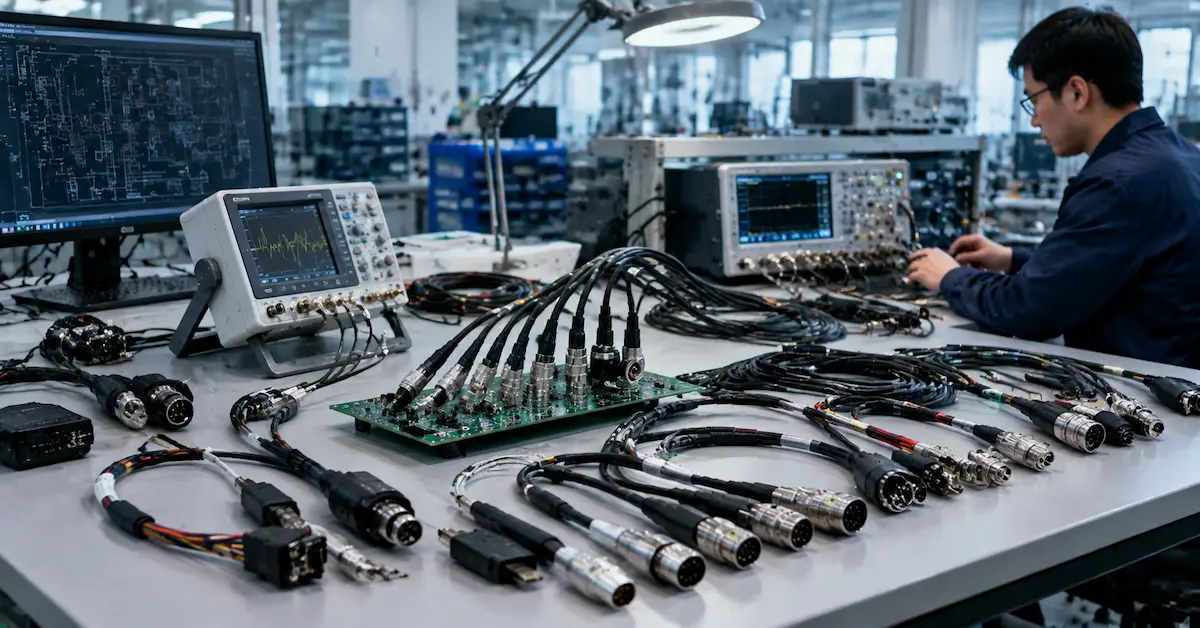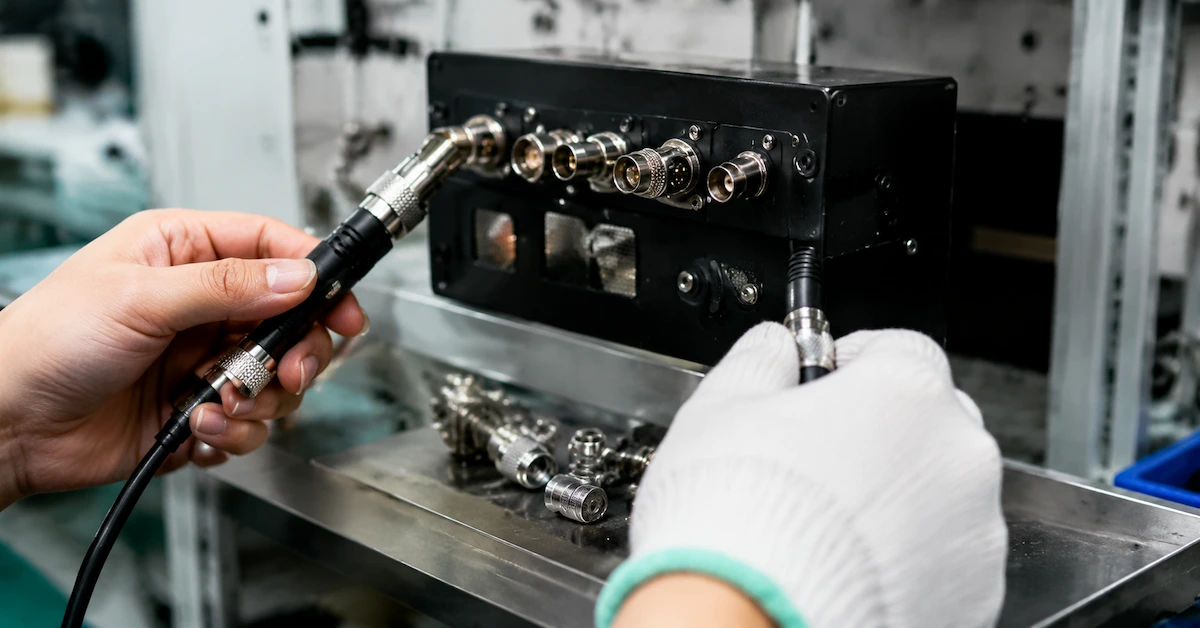
A custom connector cable is designed for applications where standard cables cannot meet specific equipment connection requirements.
In professional industries, devices often use unique connectors, special pin configurations, custom wiring structures, or limited-production interfaces. Standard cables may not provide the correct connection, mechanical fit, or electrical performance required.
A custom connector cable allows manufacturers, integrators, and professional users to create a connection solution based on the exact requirements of their equipment.
Typical applications include:
- Cinema camera systems
- Broadcast equipment
- Professional AV systems
- Industrial devices
- Medical equipment
- Testing equipment
- OEM products
For B2B buyers, the value of a custom connector cable is not only connecting two devices. It is about creating a reliable, repeatable, and application-specific cable assembly.
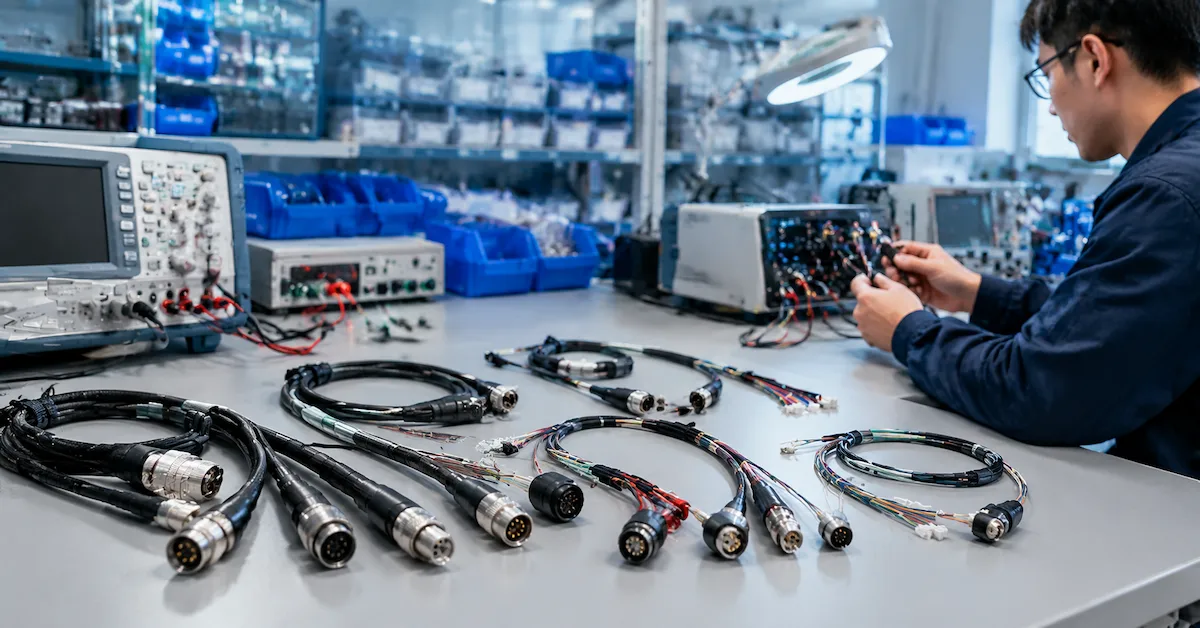
Quick Answer: What Is a Custom Connector Cable?
A custom connector cable is a cable assembly manufactured with customized connectors, wiring, length, and structure according to a customer's equipment requirements.
Compared with standard cables, custom connector cables can provide:
- Special connector combinations
- Custom pin assignments
- Exact cable lengths
- Customized jacket materials
- Specific shielding requirements
- OEM labeling options
- Prototype development
A professional supplier should evaluate:
- Connector specifications
- Electrical requirements
- Signal type
- Mechanical limitations
- Operating environment
- Production quantity
Why Businesses Need Custom Connector Cables
Modern equipment systems often combine products from different manufacturers.
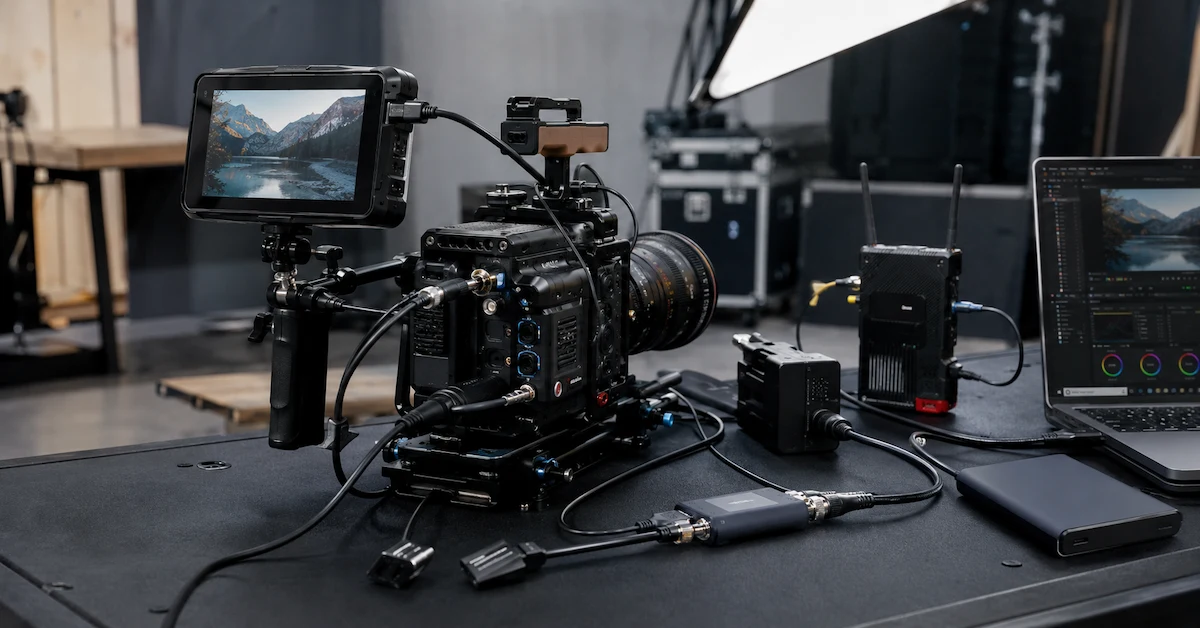
A professional camera setup may include:
- Camera body
- External monitor
- Recorder
- Wireless transmitter
- Battery system
- Control accessories
Each device may use different interfaces.
Standard cables may create problems such as:
- Connector mismatch
- Incorrect wiring
- Poor installation
- Limited equipment compatibility
- Excess adapters
- Reduced reliability
Custom connector cables solve these issues by providing a direct connection designed specifically for the application.
Common Applications of Custom Connector Cables
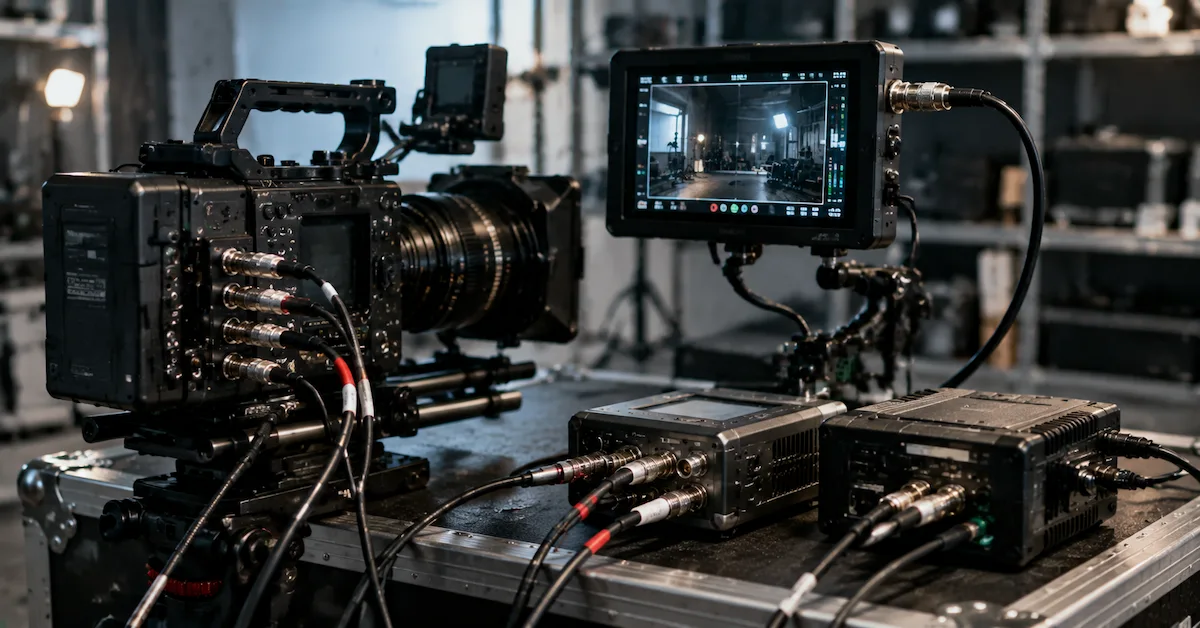
Professional Camera Systems
Cinema and broadcast equipment often require specialized cable assemblies.
Applications include:
- Camera power cables
- Monitor connection cables
- Recorder cables
- Timecode cables
- Accessory integration cables
Custom connector solutions help maintain clean and reliable camera setups.
Broadcast and AV Equipment
Broadcast systems require stable and professional-grade connections.
Custom cables are used for:
- Video equipment
- Audio systems
- Control interfaces
- Monitoring systems
- Production equipment
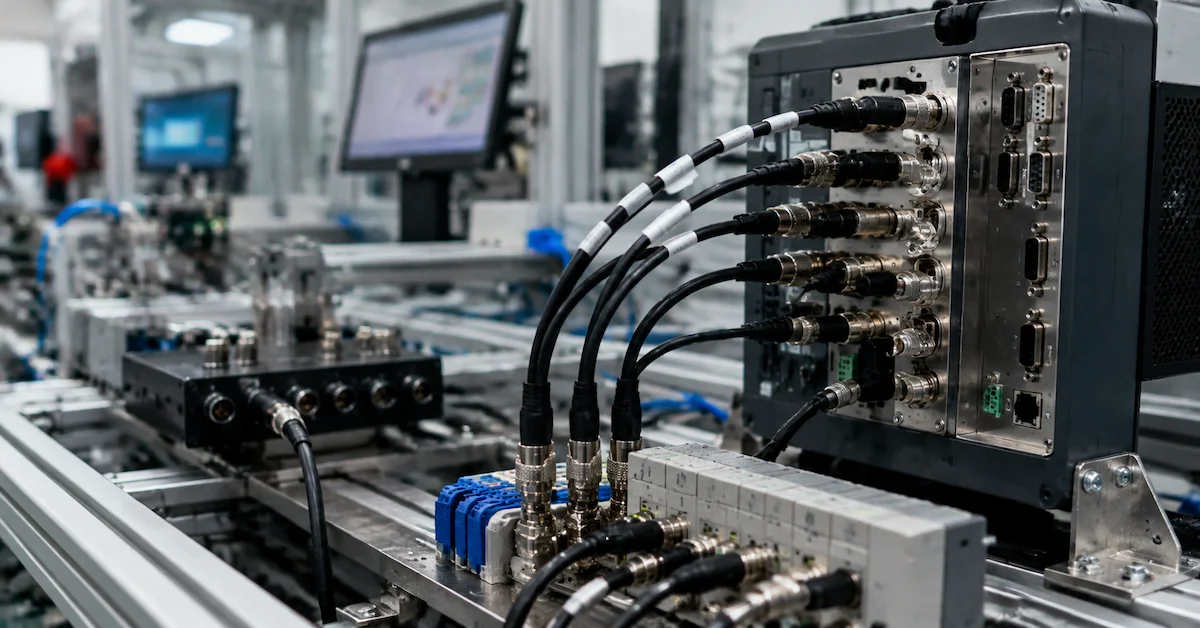
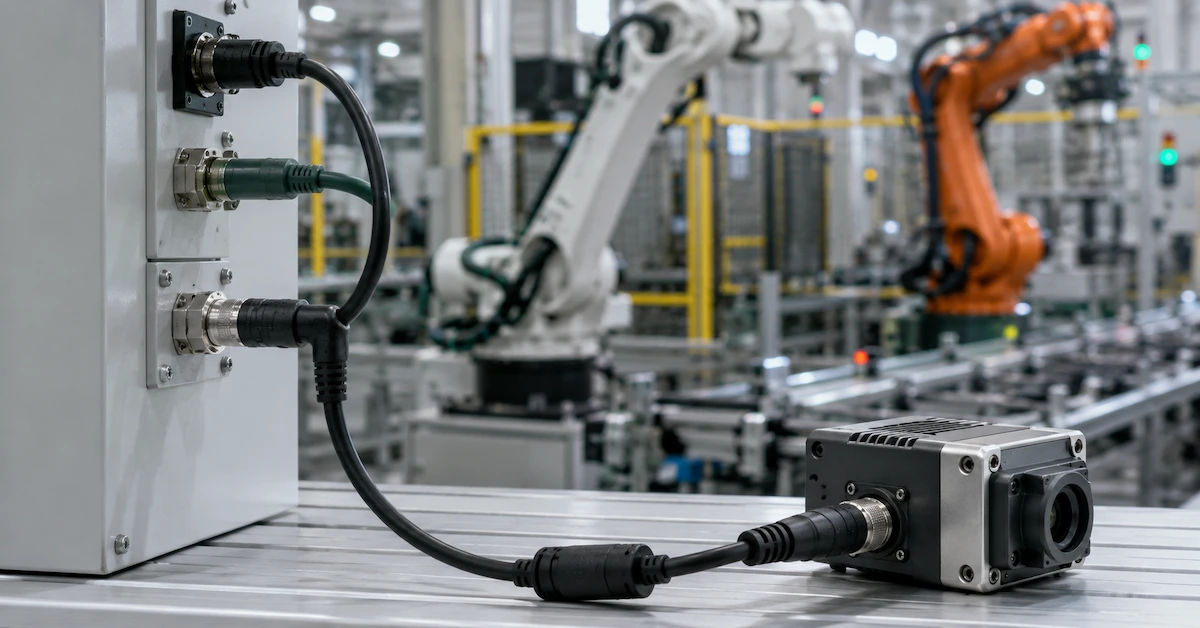
Industrial Equipment
Industrial devices often use specialized connectors that are not available as standard products.
Applications include:
- Automation equipment
- Testing systems
- Sensors
- Control devices
- Machine interfaces
Custom connector cables allow equipment manufacturers to maintain consistent system connections.
OEM Product Integration
Equipment brands often require custom cables as part of their products.
OEM solutions may include:
- Branded cable assemblies
- Custom connector selection
- Special packaging
- Repeat production
- Private-label solutions
Key Factors When Choosing a Custom Connector Cable
1. Connector Selection
The connector is the most important part of a custom cable design.
Buyers should confirm:
- Connector manufacturer
- Connector series
- Pin count
- Gender
- Locking method
- Mounting style
- Environmental requirements
Common connector types include:
- LEMO
- BNC
- D-Tap
- XLR
- DC connectors
- HDMI
- USB-C
- Circular connectors
- Custom OEM connectors
A connector that looks similar may still have different electrical specifications.
2. Pin Configuration and Wiring
Custom cables often require unique wiring designs.
Important information includes:
- Pin assignment
- Signal definition
- Power lines
- Ground connections
- Communication pins
- Shielding requirements
Incorrect pin wiring may cause:
- Device failure
- Signal interruption
- Power problems
- Communication errors
A professional supplier should verify wiring through:
- Technical drawings
- Equipment manuals
- Existing cable samples
- Continuity testing
3. Signal and Power Requirements
Different applications require different cable structures.
Signal cables may require:
- Shielding
- Controlled impedance
- Low signal loss
- Noise protection
Power cables require:
- Correct voltage
- Current capacity
- Proper conductor size
- Reliable termination
The cable design should match the actual application.
4. Cable Length and Mechanical Design
Custom length improves equipment integration.
Benefits include:
- Cleaner installation
- Reduced cable clutter
- Better equipment movement
- Lower connector stress
Custom mechanical options include:
- Straight connectors
- Right-angle connectors
- Flexible cable structures
- Compact designs
- Reinforced strain relief
5. Durability Requirements
Professional environments require cables that withstand repeated use.
Important durability features include:
- Strong connector assembly
- Flexible jacket
- Strain relief protection
- Abrasion resistance
- Reliable soldering
- Quality inspection
This is especially important for:
- Rental companies
- Production teams
- OEM customers
Custom Connector Cable Options
| Cable Type | Application | Typical Users |
|---|---|---|
| Camera Connector Cable | Camera accessories | Film production |
| Power Connector Cable | Battery systems | AV professionals |
| Signal Connector Cable | Video/audio transmission | Broadcast teams |
| Industrial Connector Cable | Equipment integration | Manufacturers |
| OEM Connector Cable | Product development | Brands and distributors |
Custom Connector Cable vs Standard Cable
| Factor | Standard Cable | Custom Connector Cable |
| Connector choice | Fixed | Customized |
| Wiring | Standard | Application-specific |
| Length | Limited options | Exact requirement |
| Compatibility | General devices | Specific equipment |
| OEM support | Limited | Available |
| Best application | Common use | Professional systems |
Who Needs Custom Connector Cable Solutions?
| Buyer Type | Requirement |
| Camera manufacturers | Product integration |
| Film companies | Specialized connections |
| Broadcast companies | Reliable cable systems |
| AV integrators | Project solutions |
| Industrial manufacturers | Equipment interfaces |
| Distributors | Custom product supply |
| OEM brands | Private-label cable assemblies |
Why Alvin’s Cables Is a Reliable Partner
Alvin’s Cables provides professional cable solutions for photography, film, broadcast, AV, and industrial applications.
For custom connector cable projects, Alvin’s Cables supports:
- Custom connector selection
- Camera cable development
- Power cable assemblies
- Signal cable solutions
- LEMO and BNC cables
- D-Tap and DC cables
- OEM cable production
- Prototype development
- Custom lengths
- Quality inspection
Buyers can explore available products through the Alvin’s Cables product center.
For special connector requirements, visit custom cable solutions.
Information Required for Custom Orders
| Information | Purpose |
| Equipment model | Confirms compatibility |
| Connector specification | Defines cable structure |
| Pin configuration | Prevents wiring errors |
| Signal or power requirement | Determines design |
| Cable length | Supports installation |
| Environment | Guides material selection |
| Quantity | Supports production planning |
Submit requirements through the request a quote page.
FAQ
1. What is a custom connector cable?
A custom connector cable is a specially manufactured cable assembly designed for specific equipment connections.
2. Can connector types be customized?
Yes. Connector type, pin configuration, cable length, and structure can be customized.
3. What industries use custom connector cables?
They are widely used in cameras, broadcast, AV, industrial equipment, and OEM products.
4. Can custom cables be produced in small quantities?
Yes. Many professional cable suppliers support prototype and low-volume production.
5. What information is needed for customization?
Provide equipment models, connector details, wiring requirements, cable length, quantity, and application environment.
Conclusion
A custom connector cable provides reliable connection solutions for professional equipment that cannot be supported by standard products.
From cameras and broadcast systems to industrial equipment and OEM products, customized cable assemblies improve compatibility, reliability, and system performance.
Alvin’s Cables supports custom connector cable development for professional users, integrators, and equipment manufacturers.
Contact Alvin’s Cables to discuss your connector requirements and custom cable project.