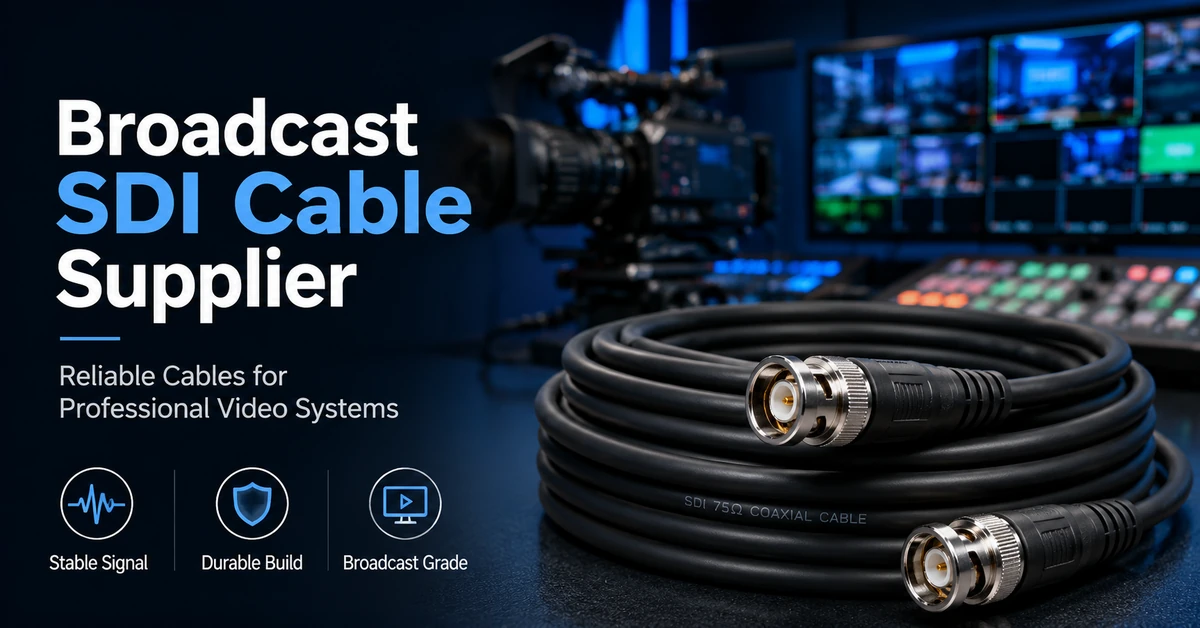
A durable camera cable is one of the most overlooked parts of a professional camera setup. Buyers often focus on cameras, lenses, monitors, batteries, and wireless systems, but the cable is the connection that keeps the entire workflow stable.
In film production, broadcast, live events, rental kits, gimbal setups, and field shooting, a weak cable can cause power loss, signal dropout, unstable monitoring, broken connectors, or production delays. For B2B buyers, choosing the right camera cable is not only a product decision. It is a reliability decision.
This guide explains how to evaluate a durable camera cable and when a custom solution from Alvin’s Cables can help improve performance in demanding professional environments.
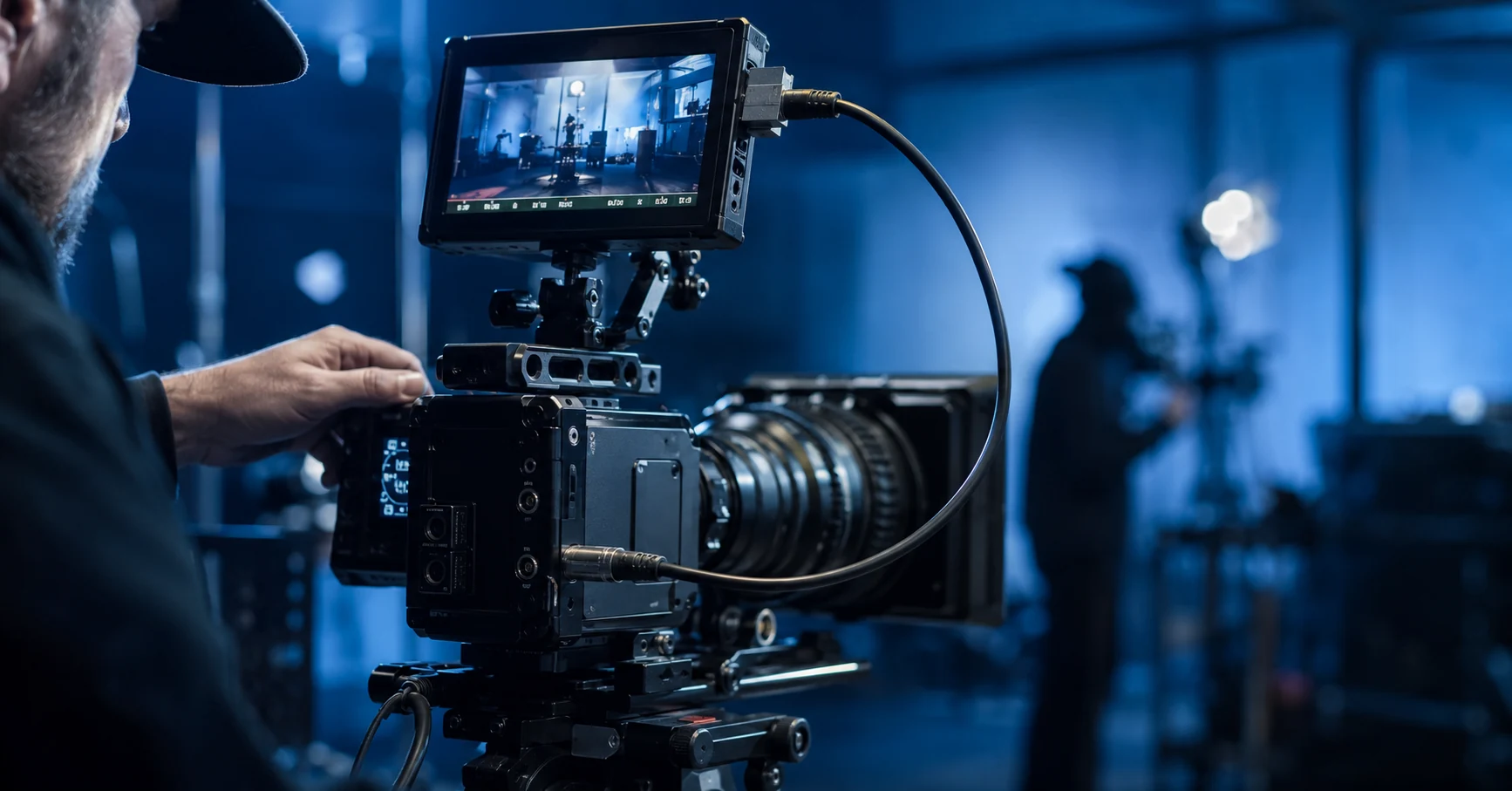
Quick Answer: What Makes a Camera Cable Durable?
A durable camera cable should withstand repeated bending, plugging, pulling, packing, and field use while maintaining stable power, video, audio, control, or data transmission.
The most important factors include:
- Strong connector construction
- Reinforced strain relief
- Flexible and bend-resistant cable jacket
- Stable soldering and termination
- Proper shielding for signal protection
- Accurate connector fit
- Suitable cable length
- Clean routing around camera rigs
- Reliable quality inspection before shipment
- Application-specific customization
A cable that works once in a test is not enough. A professional camera cable must keep working after repeated setup changes.
Who Needs Durable Camera Cables?
Different professional buyers need durable camera cable solutions for different reasons.
| Buyer Type | Main Requirement | Typical Use |
|---|---|---|
| Cinematographers | Stable rig connection | Cinema cameras, monitors, EVF, transmitters |
| Camera assistants | Clean cable routing | Camera cages, handheld rigs, DIT carts |
| Rental houses | Long service life | Repeated packing, shipping, and field use |
| Broadcast teams | Stable long-hour operation | Studio cameras, live events, OB systems |
| Gimbal operators | Lightweight and flexible cable movement | Stabilizers, Ronin rigs, compact camera setups |
| Equipment distributors | Reliable resale quality | Camera accessory bundles and replacement cables |
| OEM brands | Custom cable kits | Private label camera accessories |
| Industrial users | Long-term signal stability | Machine vision and inspection systems |
For these customers, durability directly affects workflow reliability and customer satisfaction.
Why Camera Cable Durability Matters
Camera cables fail more often than many buyers expect. The failure usually happens near the connector, where bending, pulling, twisting, and repeated plugging create stress. A cable may look normal from the outside but still have internal conductor damage, weak soldering, or unstable contact.
Common problems include:
- Camera monitor flickering
- Sudden power interruption
- Intermittent video signal
- Loose connector contact
- Broken strain relief
- Stiff cable pulling on camera ports
- Cable jacket cracking
- Damaged connector pins
- Inconsistent performance between batches
For production teams, these problems can stop a shoot. For rental houses, they can lead to returns and replacement costs. For distributors, they can create customer complaints. This is why a durable camera cable should be evaluated as a professional component, not a low-value accessory.
Key Technical Factors When Choosing a Durable Camera Cable
1. Connector Strength
The connector is usually the most stressed part of the cable. A professional camera cable may be connected and disconnected many times during a single production day. Poor connector construction can lead to loose fitting, unstable contact, or damaged pins.
Common connector types used in camera workflows include:
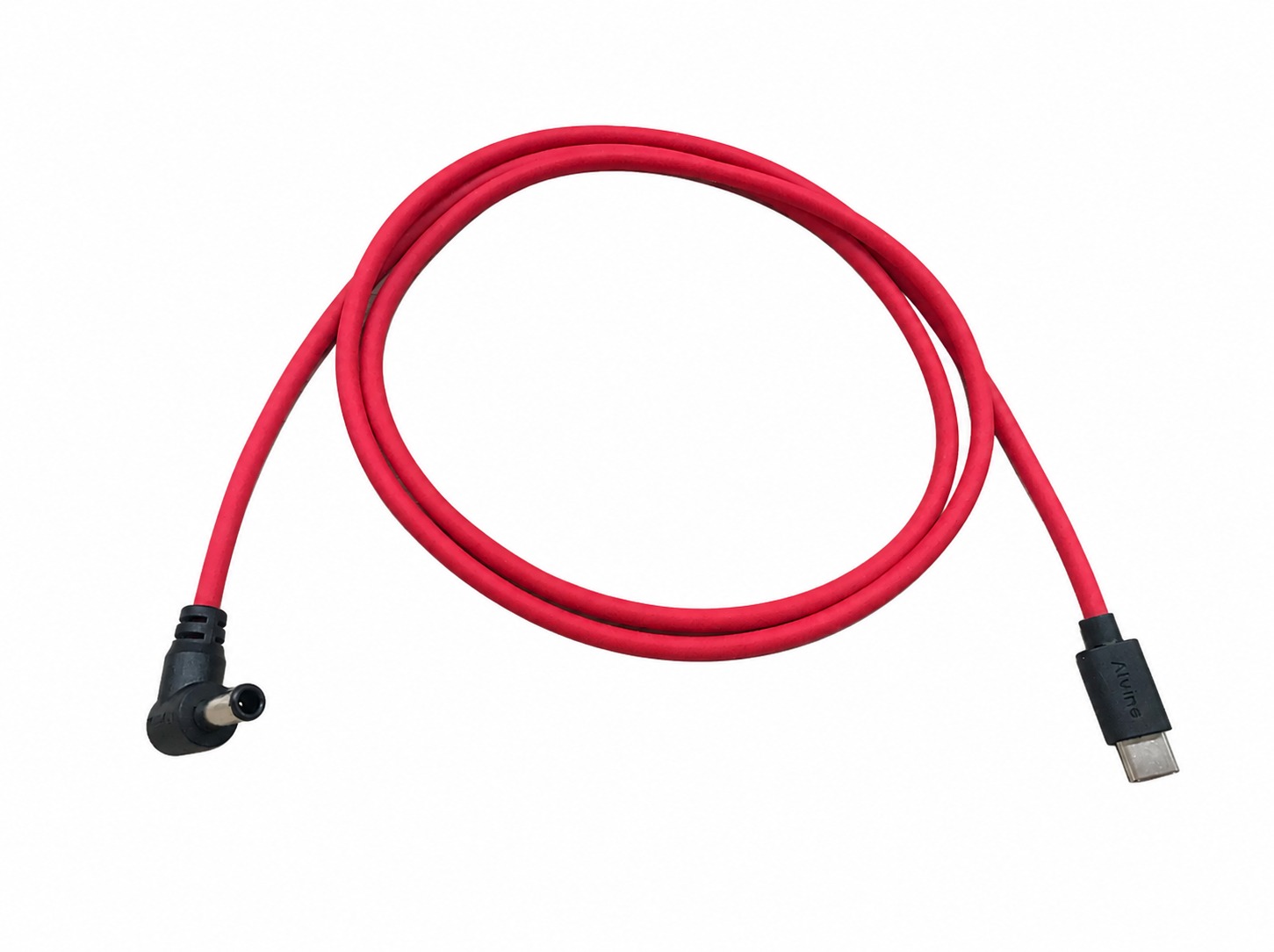
- D-Tap
- LEMO-style connectors
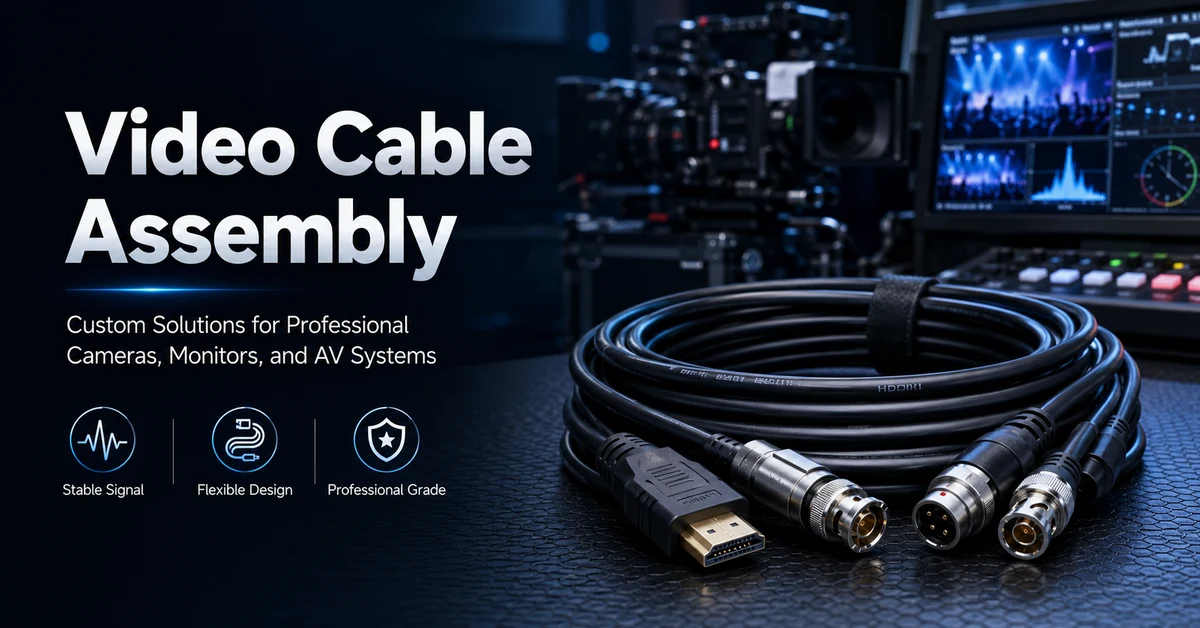
- BNC / SDI
- HDMI
- USB-C
- XLR
- DC barrel
- Dummy battery connectors
- Camera control connectors
A durable camera cable should use connectors with accurate fit, stable contact, and strong mechanical housing.
2. Reinforced Strain Relief
Strain relief protects the area where the cable meets the connector. This area is one of the most common failure points because it absorbs bending and pulling force.
Good strain relief helps reduce:
- Internal wire breakage
- Connector-end cracking
- Solder joint stress
- Signal instability
- Short cable lifespan
For field production, rental kits, handheld rigs, and gimbals, reinforced strain relief is especially important.
3. Cable Jacket Flexibility
A durable cable should not be too stiff. A stiff cable may pull on the camera port, interfere with camera movement, or make rig balancing difficult.
Flexible cable jackets are useful for:
- Handheld camera rigs
- Gimbal systems
- On-camera monitors
- Video transmitters
- Compact cinema cameras
- Field production setups
- Rental cable kits
A good durable camera cable should balance flexibility and strength. It should bend smoothly without feeling fragile.
4. Bend Resistance
Camera cables are constantly bent during packing, installation, movement, and storage. If the internal conductor or insulation cannot handle repeated bending, the cable may fail even if the outside still looks clean.
Buyers should ask suppliers about bend resistance, jacket material, and strain relief design. For rental houses and mobile production teams, this is one of the most important durability factors.
5. Shielding and Signal Stability
Camera cables may carry power, video, audio, control, or data signals. In professional environments, nearby power cables, wireless transmitters, LED lights, motors, and monitors can create interference.
Shielding helps protect signal stability. It is especially important for:
- SDI camera cables
- Audio and timecode cables
- Camera control cables
- Data cables
- Industrial camera cables
- Broadcast systems
A durable camera cable should be strong mechanically and stable electrically.
6. Cable Length and Routing
Cable length affects both durability and usability. A cable that is too long creates clutter and can be pulled accidentally. A cable that is too short creates stress on connectors and device ports.
Buyers should choose cable length based on the actual equipment setup, not only general availability.
For camera rigs, a custom-length cable can improve cable management, reduce connector stress, and make the rig cleaner.
Standard Camera Cable vs Custom Durable Camera Cable
| Option | Best For | Advantages | Limitations |
| Standard Camera Cable | Common camera setups | Easy to purchase and replace | May not fit special rig layouts |
| Short Camera Cable | Monitor, EVF, compact rigs | Clean routing and less clutter | Requires accurate length planning |
| Flexible Camera Cable | Handheld and gimbal setups | Better movement and handling | Must still meet signal requirements |
| Reinforced Cable | Rental and field production | Better durability under repeated use | May cost more than basic cables |
| Custom Camera Cable | OEM, rental kits, special workflows | Exact connector, length, orientation, and shielding | Requires clear technical requirements |
For professional buyers, the best choice depends on the application, equipment layout, and expected usage frequency.
Common Applications of Durable Camera Cables
Cinema Camera Rigs
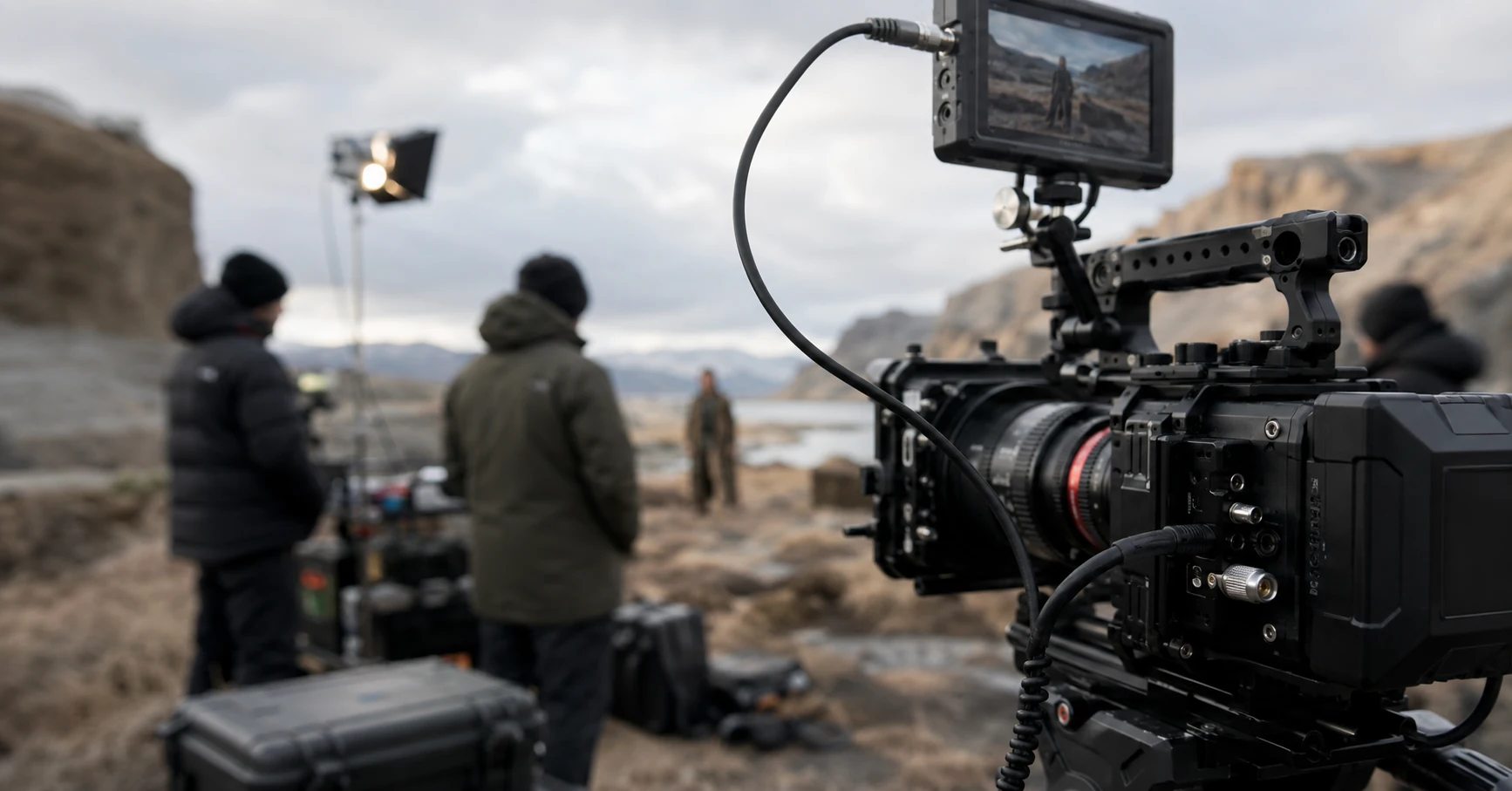
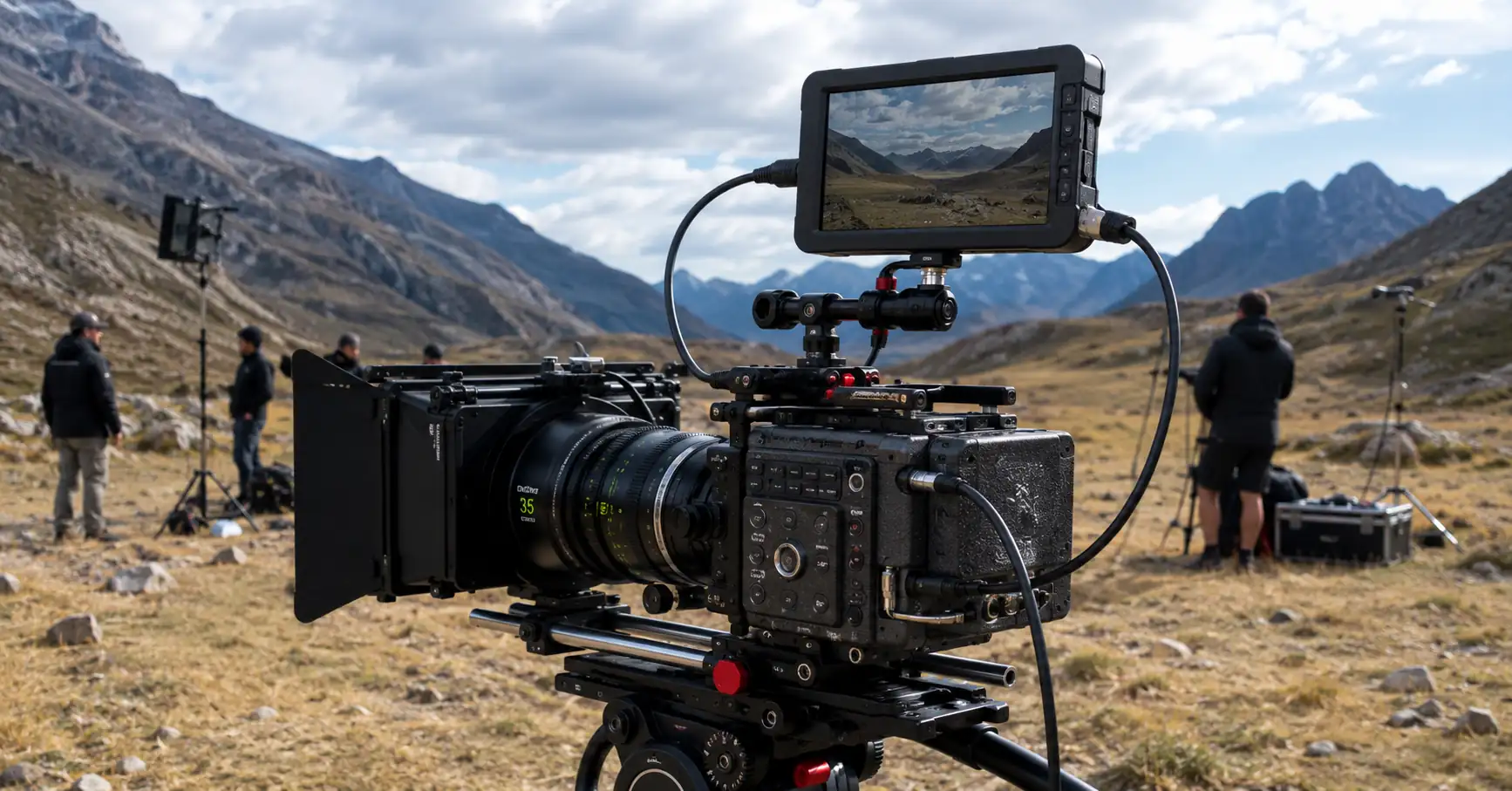
Cinema cameras often connect to external monitors, EVFs, recorders, wireless transmitters, focus systems, and power solutions. A durable cable helps keep the setup stable and clean.
On-Camera Monitors and EVFs
Monitor and EVF cables are frequently moved and adjusted. A short, flexible, and durable cable can reduce clutter and protect camera ports.
D-Tap Power Systems
D-Tap cables are commonly used with V-mount or Gold-mount batteries to power cameras, monitors, wireless transmitters, lights, and accessories. Durability is important because power interruption can stop the entire setup.
Gimbal and Stabilizer Systems
Gimbal setups require lightweight, flexible cables that do not affect balance. A stiff or poorly routed cable can interfere with smooth movement.
Broadcast and Live Production
Broadcast workflows require long operating hours and stable connections. A failed cable during live production can immediately affect the signal chain.
Rental House Cable Kits
Rental houses need cables that survive repeated packing, shipping, and use by different crews. Durability and consistent quality are essential.
Industrial Camera Systems
Industrial camera and machine vision systems may run continuously in equipment-heavy environments. Cable reliability affects system uptime and image stability.
How Alvin’s Cables Supports Durable Camera Cable Buyers
Alvin’s Cables provides professional connectivity solutions for photography, film, broadcast, and industrial applications. The company focuses on camera power, audio, control, data, and custom cable solutions for demanding workflows.
Buyers can explore standard cable options through the Alvin’s Cables product center. For special connector combinations, custom lengths, rig routing, shielding, or mechanical requirements, Alvin’s Cables also supports custom cable development.
Alvin’s Cables is suitable for:
- Durable camera cable sourcing
- Custom camera cable projects
- D-Tap power cable customization
- Monitor and EVF cable solutions
- SDI / BNC camera cable sourcing
- Audio and timecode cable projects
- Camera control and data cable customization
- Rental house cable kits
- OEM and low-volume prototype cable projects
What Information Should Buyers Provide?
To get a suitable durable camera cable recommendation, buyers should prepare clear project details.
| Information Needed | Why It Matters |
| Camera model | Confirms connector and compatibility |
| Accessory model | Helps match monitor, transmitter, or recorder needs |
| Connector type | Determines cable design |
| Cable length | Affects routing and stress |
| Connector orientation | Reduces port pressure |
| Signal or power type | Matches electrical requirement |
| Application environment | Field, studio, handheld, mobile, industrial |
| Quantity | Helps plan prototype, small batch, or production order |
| Flexibility requirement | Helps select jacket and structure |
| Packaging need | Useful for distributors and OEM brands |
Clear information helps avoid wrong cable selection and speeds up engineering evaluation.
How to Evaluate a Durable Camera Cable Supplier
A reliable supplier should understand both cable construction and professional camera workflows.
Use this checklist:
- Does the supplier understand camera rigs and production environments?
- Can they support custom connector combinations?
- Can cable length and connector orientation be customized?
- Is shielding available for signal-sensitive applications?
- Is strain relief reinforced?
- Are connectors tested for repeated use?
- Can the supplier support low-volume prototypes?
- Can they support distributor or rental house bulk orders?
- Is there technical support after delivery?
- Does the supplier provide practical recommendations instead of only selling standard products?
A good supplier should help reduce production risk, not just provide a cable catalog.
Cost and Risk: Why Cheap Camera Cables Can Be Expensive
Low-cost cables may look attractive at first, but poor durability can increase total cost.
Possible hidden costs include:
- Production delays
- Emergency replacement purchases
- Customer complaints
- Rental returns
- Equipment troubleshooting
- Damaged camera ports
- Unstable signal or power
- Failed live production
- Loss of confidence from end users
For B2B buyers, a durable camera cable can reduce support issues and improve long-term reliability.
Internal Links for Buyers
To understand Alvin’s Cables’ professional background, visit About Alvin’s Cables. To browse cable products, visit the product center. For custom length, connector, shielding, or rig routing requirements, visit custom cable solutions. To submit project details and request pricing, use the request a quote page. For lead time, prototypes, shipping, and support questions, visit the FAQ page.
FAQ
1. What is a durable camera cable?
A durable camera cable is designed to withstand repeated bending, plugging, pulling, and field use while maintaining stable power, video, audio, control, or data transmission.
2. Why do camera cables fail near the connector?
The connector area receives the most stress from bending and pulling. Reinforced strain relief helps reduce this failure risk.
3. What connector types are used in camera cables?
Common connector types include D-Tap, BNC, HDMI, USB-C, XLR, DC barrel, LEMO-style connectors, dummy battery connectors, and camera control connectors.
4. Can camera cables be customized?
Yes. Camera cables can be customized by connector type, cable length, connector orientation, shielding, flexibility, pin configuration, and application environment.
5. What is the best camera cable for handheld rigs?
For handheld rigs, a short, flexible, and strain-relieved cable is usually best because it reduces clutter and connector stress.
6. Why is cable flexibility important?
Flexible cables are easier to route around camera cages, monitors, handles, and gimbals. They also reduce stress on device ports.
7. Are durable camera cables suitable for rental houses?
Yes. Rental houses need durable cables because their products are repeatedly packed, shipped, connected, and used by different crews.
8. What should I provide for a custom camera cable quote?
Provide camera model, accessory model, connector type, cable length, signal or power type, quantity, and application environment.
9. Can Alvin’s Cables support prototypes or small batches?
Yes. Alvin’s Cables can support low-volume custom cable projects and prototypes for professional users, equipment brands, and rental houses.
10. How do I choose the right durable camera cable supplier?
Choose a supplier that understands professional camera workflows, supports customization, provides quality inspection, and can recommend the right cable based on your setup.
Conclusion
A durable camera cable is essential for professional camera systems. Whether used for power, video, audio, control, or data transmission, the cable must handle real production stress without compromising reliability.
Professional buyers should evaluate connector quality, strain relief, flexibility, bend resistance, shielding, cable length, and supplier experience before ordering. For special rigs, rental kits, OEM accessories, and demanding field workflows, custom cable solutions can provide better fit and lower long-term risk.
Alvin’s Cables supports standard and custom cable solutions for cameras, monitors, transmitters, recorders, broadcast systems, and industrial applications. For durable camera cable sourcing or custom development, contact Alvin’s Cables to discuss your project requirements.