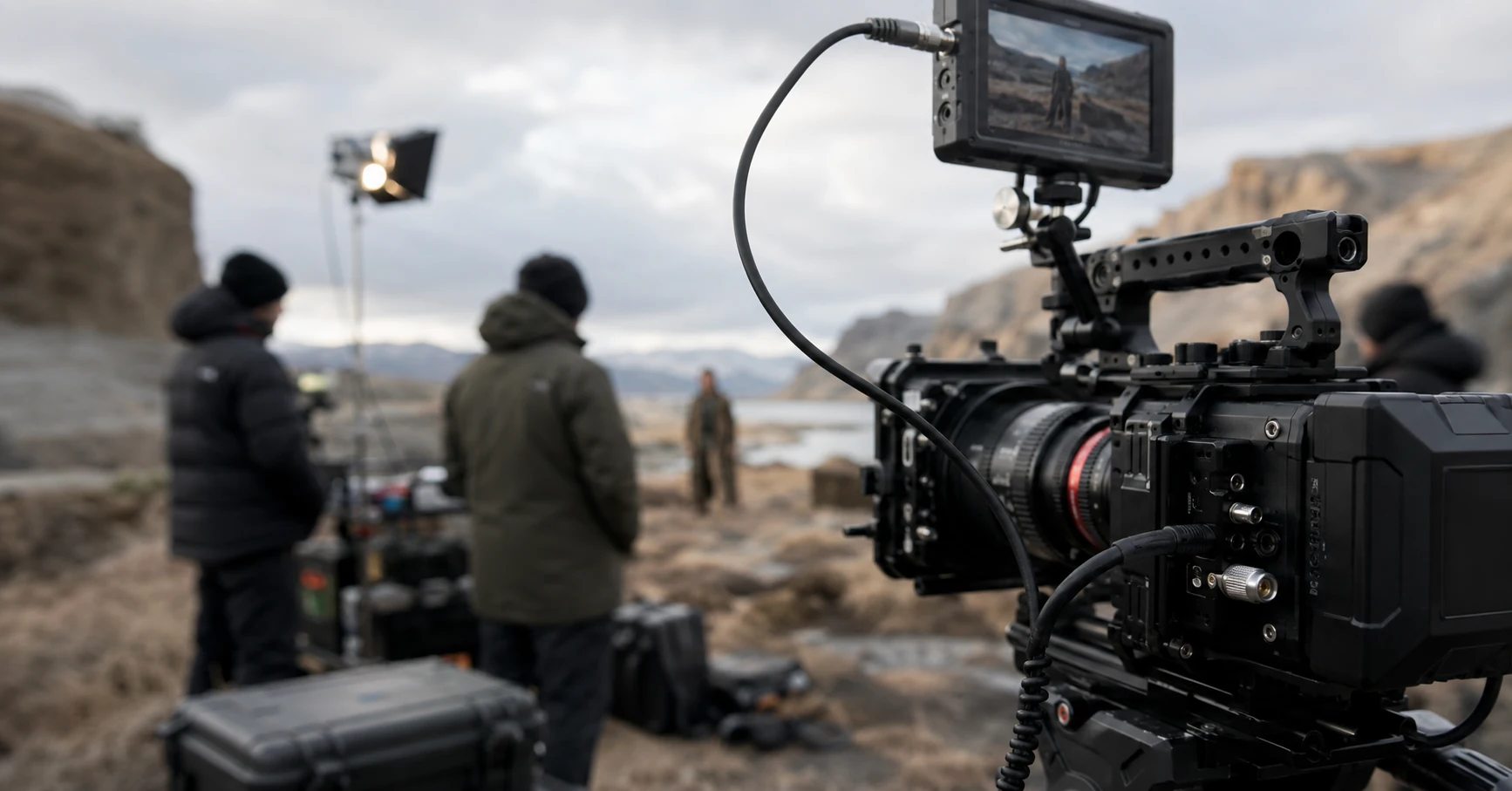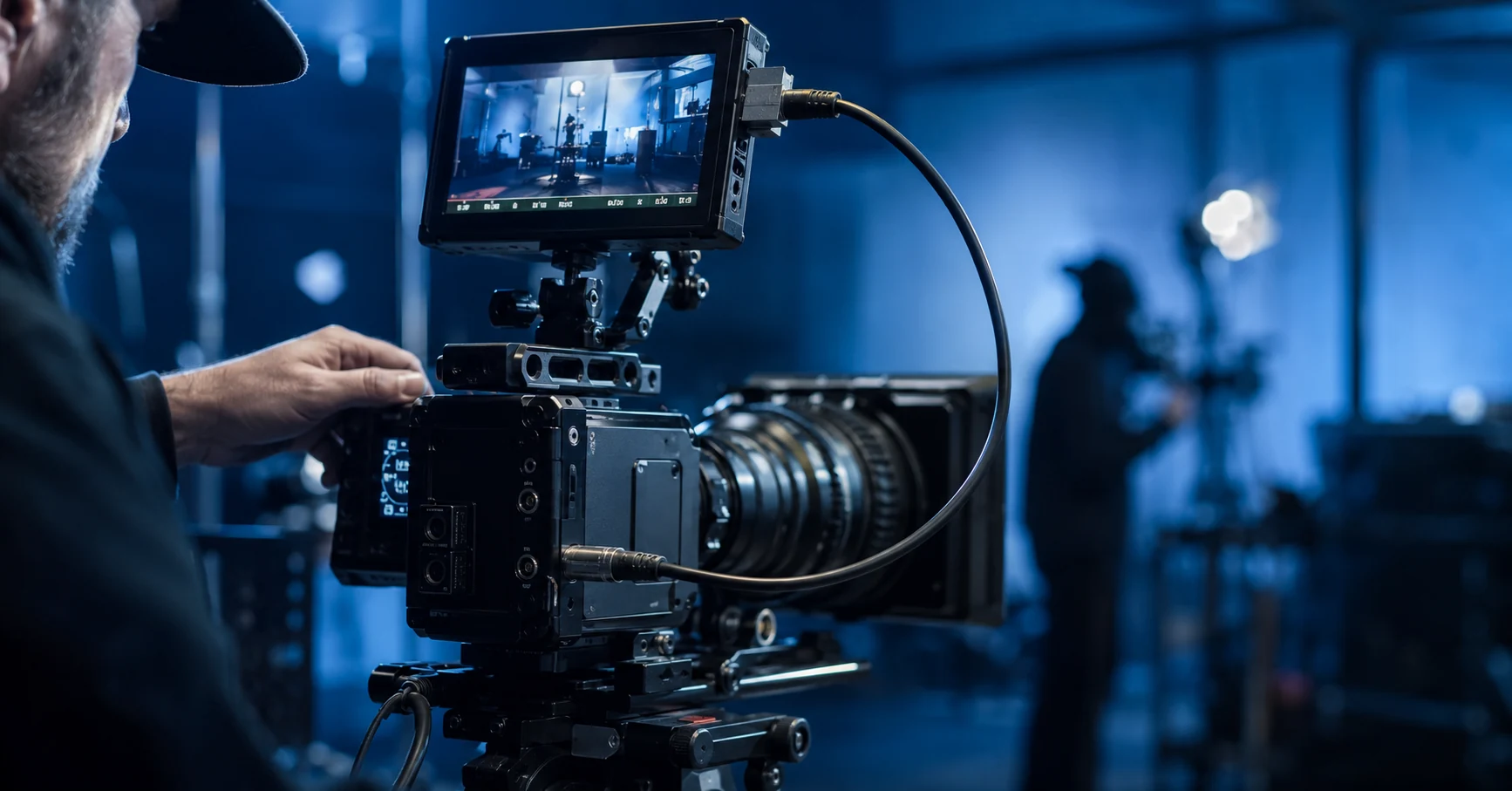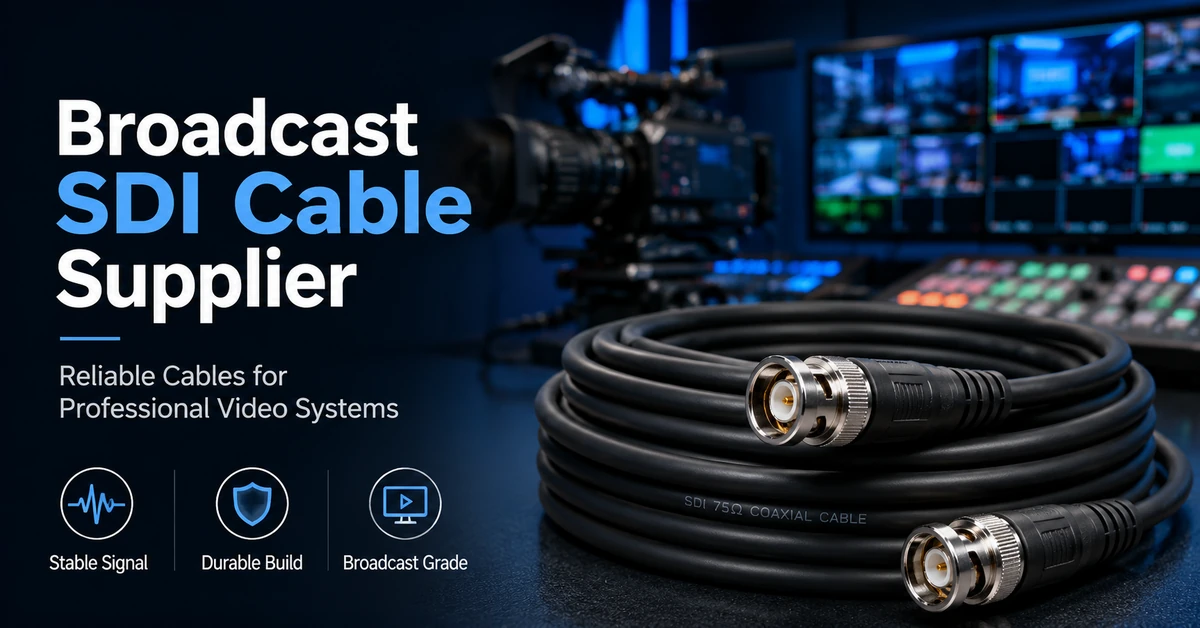
An outdoor video cable is designed for video signal transmission in environments where ordinary indoor cables may not be reliable enough. In field production, live events, outdoor broadcast, sports filming, documentary work, mobile camera rigs, and industrial monitoring, video cables may face bending, dust, moisture, temperature changes, foot traffic, repeated setup, and rough handling.
For professional buyers, choosing an outdoor video cable is not only about the connector. The real decision includes signal stability, cable jacket durability, shielding, connector protection, flexibility, cable length, strain relief, and compatibility with cameras, monitors, recorders, switchers, and transmission devices.
A poor cable may work during a short test but fail when used outside for long hours. This guide explains how to evaluate outdoor video cables and when a custom cable solution from Alvin’s Cables can help reduce production risk.
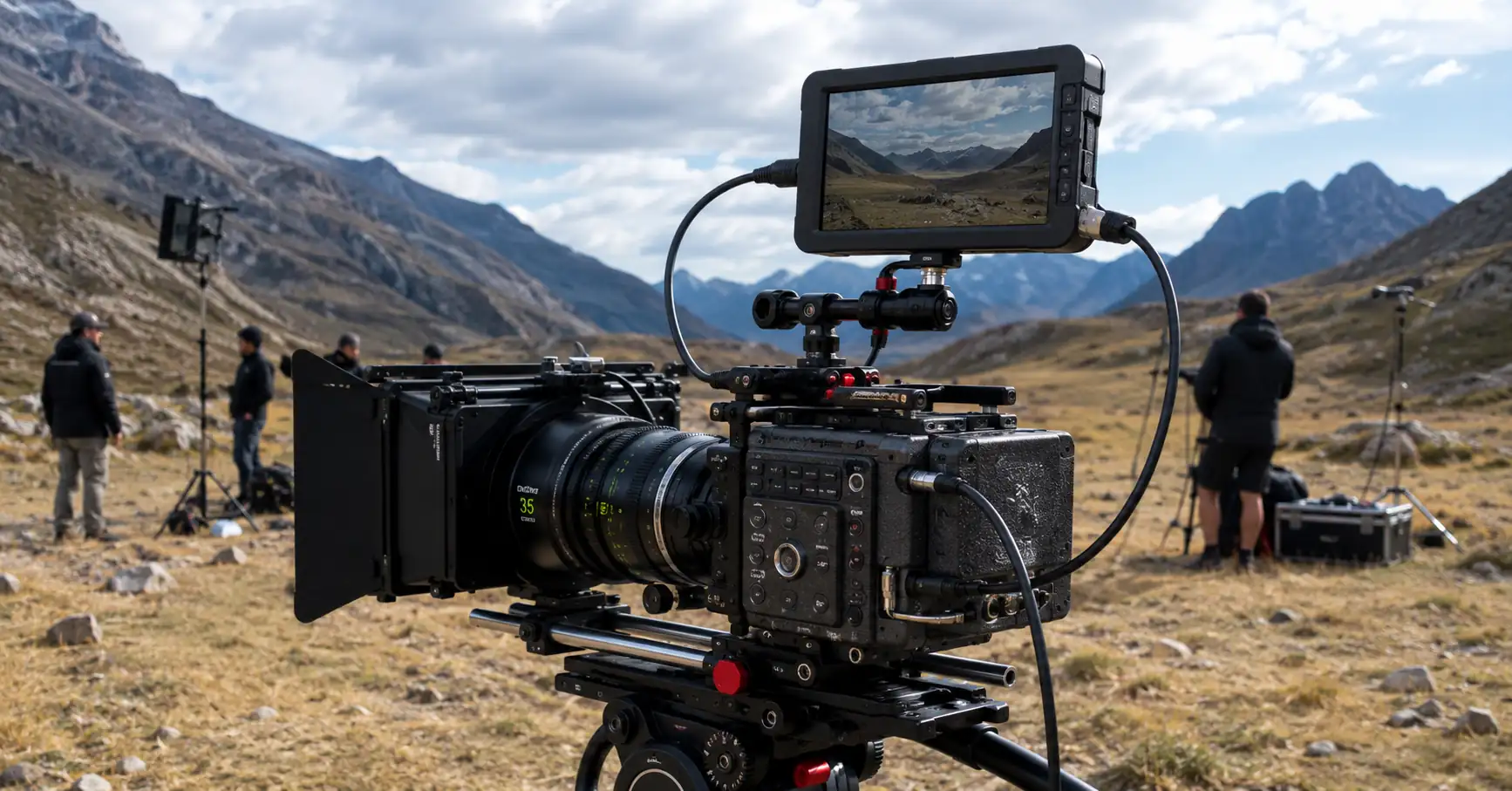
Quick Answer: What Is an Outdoor Video Cable?
An outdoor video cable is a video transmission cable built for field or outdoor use. It connects professional video devices such as cameras, monitors, recorders, switchers, wireless transmitters, video converters, industrial cameras, or display systems.
Compared with basic indoor cables, an outdoor video cable should offer stronger durability, better cable jacket protection, stable shielding, reinforced strain relief, and application-specific connector design.
Common outdoor video cable types include:
- Outdoor SDI / BNC video cable
- Outdoor HDMI cable
- Outdoor camera monitor cable
- Outdoor EVF cable
- Outdoor AV cable assembly
- Outdoor broadcast cable
- Custom outdoor video cable
- Industrial outdoor video cable
The right option depends on the signal type, equipment model, cable route, environment, and usage frequency.
Who Needs Outdoor Video Cables?
Different buyers search for outdoor video cable solutions for different use cases. A professional supplier should understand the application before recommending a cable.
| Buyer Type | Main Requirement | Typical Use |
|---|---|---|
| Field production teams | Stable signal outdoors | Cameras, monitors, recorders, transmitters |
| Broadcast crews | Reliable long-hour video transmission | Sports, news, outdoor events, OB systems |
| Rental houses | Durable cables for repeated outdoor use | Camera kits, broadcast kits, monitor kits |
| Live event companies | Fast setup and stable signal | Concerts, festivals, conferences, stage systems |
| Documentary crews | Lightweight and flexible cable routing | Remote filming, handheld rigs, mobile setups |
| AV integrators | Reliable outdoor installation | Temporary outdoor screens, event systems |
| Industrial users | Signal stability in equipment environments | Inspection, monitoring, machine vision |
| Equipment brands | Custom outdoor cable kits | OEM accessories, private label cable sets |
For these users, cable reliability directly affects project continuity.
Why Outdoor Video Cable Quality Matters
Outdoor environments create more stress than controlled indoor studios. A cable may be exposed to repeated bending, pulling, dragging, dust, light rain, temperature changes, or contact with rough surfaces. Even if the cable is not permanently installed outdoors, field use can still be demanding.
Common problems caused by low-quality outdoor video cables include:
- Intermittent video signal
- Monitor flickering
- Loose connector contact
- Damaged cable jacket
- Moisture-related connection issues
- Poor shielding near power equipment
- Cable stiffness in cold conditions
- Connector stress from poor cable routing
- Internal conductor damage from repeated bending
- Short service life for rental and field use
For B2B buyers, these issues can lead to production delays, emergency replacements, customer complaints, and higher long-term cost.
Key Factors When Choosing an Outdoor Video Cable
1. Signal Standard
The first step is to confirm the video signal requirement. Outdoor video systems may use SDI, HDMI, USB-C, or custom video/data connections.
Buyers should confirm:
- Video resolution
- Frame rate
- Signal type
- Cable length
- Device model
- Transmission distance
- Whether the cable is for temporary or repeated outdoor use
For professional production, a cable should not only match the connector. It should support the actual signal performance required by the workflow.
2. Cable Jacket Durability
The cable jacket protects the internal conductors. For outdoor use, jacket durability is especially important because the cable may be dragged, bent, packed, stepped on, or exposed to rough surfaces.
A suitable outdoor video cable should offer:
- Abrasion resistance
- Flexible handling
- Resistance to repeated bending
- Protection against minor field wear
- Stable performance during setup and teardown
- Stronger jacket material than basic consumer cables
If the cable will be used in harsh environments, buyers should discuss specific jacket material and protection requirements with the supplier.
3. Moisture and Weather Considerations
Not every outdoor video cable is waterproof. Outdoor use can mean many different conditions: temporary filming outside, covered stage use, field monitoring, mobile production, or equipment near light moisture.
Buyers should clearly define the expected environment:
- Dry outdoor use
- Light moisture exposure
- Temporary event setup
- Covered outdoor stage
- Dusty field production
- Industrial outdoor environment
- Frequent packing and transportation
If the cable must be used in rain, wet ground, or exposed installation, buyers should ask about connector protection, sealing options, jacket material, and whether the cable is suitable for that specific condition.
4. Shielding and Signal Protection
Outdoor AV environments often include generators, LED screens, lighting systems, wireless transmitters, power cables, audio systems, and mobile equipment. These can increase interference risk.
Shielding helps protect the video signal. It is especially important for:
- Outdoor broadcast systems
- Live event video routing
- Long cable runs
- SDI video transmission
- Industrial outdoor systems
- Multi-device AV environments
A professional outdoor video cable should balance mechanical durability and electrical stability.
5. Connector Strength
Outdoor video cables are often plugged and unplugged repeatedly. The connector must fit securely and maintain stable contact during movement.
Important connector factors include:
- Secure fit
- Accurate contact alignment
- Strong metal or reinforced housing
- Reliable termination
- Connector-end strain relief
- Protection against pulling and bending
- Suitability for repeated use
For outdoor SDI cables, BNC connector quality is especially important because it affects both locking stability and signal reliability. For HDMI cables, connector fit and cable strain relief are critical because HDMI ports can be sensitive to pulling force.
6. Strain Relief
Many cable failures happen near the connector. Outdoor use increases this risk because cables are often moved, pulled, routed around equipment, or packed quickly after use.
Reinforced strain relief helps reduce stress where the cable meets the connector. This is important for field production, live events, rental kits, and mobile broadcast systems.
7. Flexibility and Cable Routing
Outdoor camera and AV setups often require flexible routing. A stiff cable can pull on camera ports, interfere with monitor positioning, or create trip hazards.
A good outdoor video cable should be flexible enough for:
- Camera rigs
- Tripod setups
- Monitor stations
- Video village
- OB systems
- Stage video routing
- Field production kits
- Temporary outdoor installations
Custom length can also improve routing and reduce cable clutter.
Outdoor Video Cable Options
| Cable Type | Best For | Advantages | Key Consideration |
| Outdoor SDI / BNC Cable | Broadcast, cinema, live events | Secure connector, professional video use | Requires proper shielding and termination |
| Outdoor HDMI Cable | Cameras, monitors, compact setups | Common interface, easy device compatibility | Connector protection and strain relief matter |
| Custom Outdoor Video Cable | Special rigs, OEM, rental kits | Exact length, connector, routing, and jacket | Requires clear technical requirements |
| Flexible Outdoor Camera Cable | Field production and handheld rigs | Easier handling and clean routing | Must still meet signal requirement |
| Industrial Outdoor Video Cable | Machine vision, monitoring, equipment use | Durable and stable for equipment environments | Environment details must be confirmed |
A professional buyer should select the cable based on real use conditions, not just connector type.
Common Outdoor Applications
Field Production
Field production requires cables that can handle repeated movement, packing, and setup changes. A durable outdoor video cable helps keep cameras, monitors, and recorders connected during active shooting.
Outdoor Broadcast
Sports, news, events, and mobile broadcast systems need stable video transmission for long hours. Cable failure during live production can disrupt the entire workflow.
Live Events and Stage Systems
Concerts, festivals, outdoor conferences, and stage productions often use multiple cameras, switchers, LED screens, and monitoring systems. Signal stability and cable durability are both important.
Documentary and Remote Filming
Documentary crews often work in unpredictable environments. A flexible, reliable cable helps reduce equipment issues when shooting locations change quickly.
Outdoor Camera Monitor Setups
On-camera monitors and EVFs require short, flexible cables with strong connector protection. Poor routing can damage ports or interrupt monitoring.
Rental House Kits
Rental houses need cables that survive repeated use by different crews. Outdoor video cables should be durable, easy to manage, and consistent across batches.
Industrial Outdoor Video Systems
Industrial camera and monitoring systems may require stable signal transmission near machinery, power systems, or outdoor equipment. Shielding and mechanical strength are important.
How Alvin’s Cables Supports Outdoor Video Cable Buyers
Alvin’s Cables provides professional cable solutions for photography, film, broadcast, and industrial applications. For outdoor video cable projects, buyers can request custom configurations based on device model, connector type, cable length, shielding, flexibility, and mechanical requirements.
Buyers can browse standard cable products through the Alvin’s Cables product center. For special cable designs, connector combinations, custom routing, shielding, or outdoor field-use requirements, visit custom cable solutions.
Alvin’s Cables is suitable for:
- Outdoor video cable sourcing
- Outdoor SDI / BNC cable projects
- Outdoor HDMI cable solutions
- Camera monitor cable customization
- Field production cable kits
- Broadcast and live event cable solutions
- Rental house outdoor cable packages
- OEM and low-volume custom cable projects
- Industrial video cable applications
What Information Should Buyers Provide?
Clear requirements help the supplier recommend a suitable outdoor video cable.
| Information Needed | Why It Matters |
| Device model | Confirms connector compatibility |
| Signal type | Helps match cable performance |
| Cable length | Affects routing and signal stability |
| Connector type | Determines cable design |
| Connector orientation | Reduces stress in compact setups |
| Application environment | Outdoor, field, live event, industrial, rental |
| Moisture exposure | Helps evaluate jacket and connector needs |
| Flexibility requirement | Determines cable handling and routing |
| Quantity | Supports prototype, small batch, or bulk order |
| Packaging requirement | Useful for distributors and OEM buyers |
For quotations, buyers can submit details through the request a quote page.
How to Evaluate an Outdoor Video Cable Supplier
A reliable supplier should understand both cable construction and real outdoor usage.
Use this checklist:
- Does the supplier understand professional camera and AV workflows?
- Can they support SDI, HDMI, or custom video cable assemblies?
- Can cable length and connector orientation be customized?
- Can shielding be adjusted for interference-sensitive environments?
- Can the jacket material be selected for field use?
- Is strain relief reinforced?
- Can the supplier support low-volume prototypes?
- Can they supply rental houses or distributors consistently?
- Do they provide technical communication before production?
- Can they help reduce signal and durability risks?
A good supplier should not only sell cables. It should help buyers match the cable to the actual working environment.
Cost and Risk Considerations
A low-cost outdoor video cable may appear attractive, but poor durability can create higher total cost. For professional buyers, cable failure may affect the entire project.
Hidden costs may include:
- Video signal failure
- Production delays
- Replacement purchases
- Rental returns
- Live event interruptions
- Customer complaints
- Extra troubleshooting
- Damaged equipment ports
- Industrial downtime
- Lower confidence in product quality
A reliable outdoor video cable reduces these risks through better material selection, connector protection, shielding, and application-specific design.
Internal Links for Buyers
To learn more about Alvin’s Cables’ professional background, visit About Alvin’s Cables. To view standard cable options, visit the product center. For custom cable length, connector, shielding, jacket, or routing requirements, visit custom cable solutions. To submit project details and request pricing, use the request a quote page. For lead time, prototypes, shipping, and support questions, visit the FAQ page.
FAQ
1. What is an outdoor video cable?
An outdoor video cable is a video transmission cable designed for field or outdoor use, where durability, shielding, connector protection, and cable jacket strength are important.
2. Is every outdoor video cable waterproof?
No. Outdoor use does not always mean waterproof. Buyers should confirm moisture exposure, connector protection, and application conditions before ordering.
3. What connectors are used for outdoor video cables?
Common connectors include BNC, SDI, HDMI, USB-C, and custom circular connectors depending on the equipment and signal type.
4. Can outdoor video cables be customized?
Yes. They can be customized by cable length, connector type, connector orientation, shielding, jacket material, flexibility, and application environment.
5. What is the best cable for outdoor broadcast?
For broadcast workflows, SDI / BNC cables are commonly used because they are designed for professional video transmission. The exact cable should match the signal standard and environment.
6. Why is shielding important outdoors?
Outdoor AV setups often include generators, power cables, wireless devices, LED screens, and lighting systems. Shielding helps protect video signal stability.
7. What cable length should I choose?
Choose a length based on the real setup. Avoid unnecessary extra length because it increases clutter and risk. Custom length can improve routing.
8. Are outdoor video cables suitable for rental houses?
Yes. Rental houses often need durable outdoor cables because their products are frequently packed, transported, connected, and used by different crews.
9. What information should I provide for a custom outdoor video cable?
Provide device model, connector type, signal type, length, usage environment, moisture exposure, flexibility requirement, and quantity.
10. How do I request an outdoor video cable quote?
Submit your technical details through Alvin’s Cables’ request a quote page and include your application scenario, device model, cable length, and connector requirements.
Conclusion
An outdoor video cable must do more than transmit signal. It must survive real field conditions, protect signal stability, support clean routing, and reduce connector failure risk.
Professional buyers should evaluate signal standard, cable jacket durability, shielding, connector quality, strain relief, flexibility, cable length, and supplier capability before placing an order. For broadcast, live events, field production, rental kits, and industrial outdoor systems, a custom cable solution can improve reliability and reduce long-term cost.
Alvin’s Cables supports standard and custom video cable solutions for professional cameras, monitors, broadcast systems, live production, and industrial applications. For outdoor video cable sourcing or custom development, contact Alvin’s Cables to discuss your project requirements.