As systems grow, adding more cables doesn’t necessarily make things work better.
In fact, the opposite often happens.
More devices mean more connections. More connections mean more potential points of instability. At some stage, the issue is no longer about individual cables—it becomes a structural problem.
Typical signs include:
- Increasing setup time as systems become harder to organize
- Signal interference in dense wiring environments
- Difficulty troubleshooting due to unclear cable routing
- Repeated small failures that are hard to trace
These are not isolated technical issues. They indicate that the system lacks a structured connection strategy.
This is where the role of a cable solution provider becomes clear. At Alvins, we don’t approach projects as a collection of cables—we approach them as systems that need to be simplified, stabilized, and made scalable.
Material and Structural Design Still Form the Foundation
Even at the solution level, performance still depends on the physical layer.
Every system solution is built on cable fundamentals:
- Conductors
High-purity copper ensures stable current and signal transmission - Shielding Systems
Multi-layer shielding reduces electromagnetic interference by up to 60% - Outer Materials
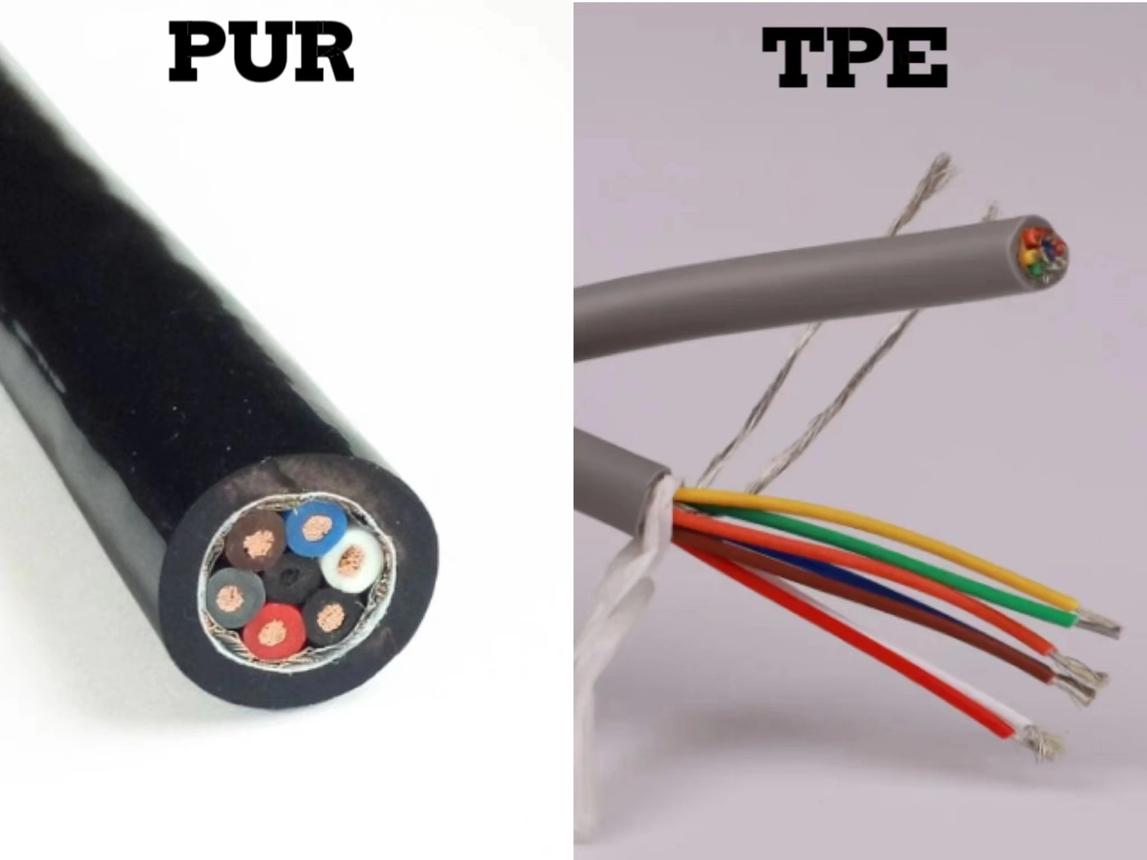
TPU improves durability in high-friction environments
TPE allows flexibility for dynamic setups - Connector Systems
Secure locking and precision fit reduce connection failure
According to the International Electrotechnical Commission, stable system performance depends on both material consistency and proper integration of electrical components.
Reference: https://www.iec.ch/
Without a strong material foundation, even the best-designed system will not perform reliably.
Why System-Level Thinking Changes Everything
Once materials are defined, the next step is not production—it is integration.
A traditional cable supplier focuses on individual products. A cable solution provider focuses on how everything connects.
At Alvins, this means:
- Mapping out the entire connection architecture
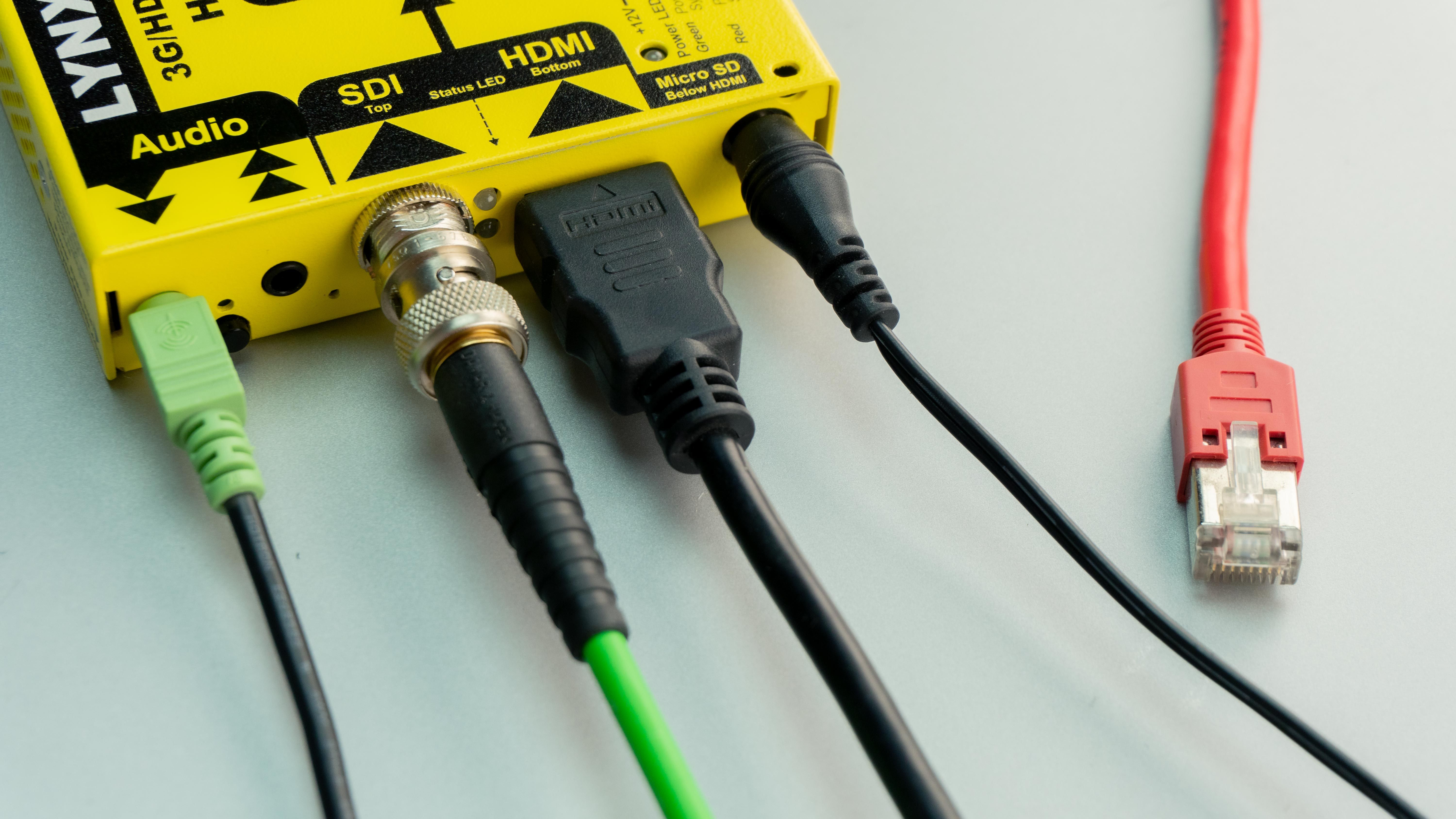
- Reducing unnecessary conversion points
- Standardizing interfaces across devices
- Optimizing cable routing and length
The goal is not just to make cables work—it is to make the entire system easier to use and more reliable.
This shift from “component thinking” to “system thinking” is what defines real solutions.
Structured Approach to Cable System Design
To turn a complex setup into a stable system, a structured method is required.
Step 1: System Analysis
Identify all devices, signals, and power requirements
Step 2: Connection Simplification
Reduce redundant cables and unnecessary adapters
Step 3: Routing Optimization
Organize cable paths to minimize interference and improve accessibility
Step 4: Integration of Harness Systems
Replace loose wiring with structured harness solutions where possible
Step 5: Validation and Testing
Ensure system stability under real operating conditions
According to IPC, structured cable systems can reduce installation errors by more than 50% and improve long-term reliability.
Reference: https://www.ipc.org/
Performance Comparison: Component Supply vs Integrated Cable Solution
| Evaluation Dimension | Component-Based Cable Setup | Integrated Cable Solution (Provider-Level) | Practical Impact |
|---|---|---|---|
| System Architecture | Fragmented connections, multiple adapters | Unified structured wiring design | Reduces complexity by ~40% |
| Installation Time | 2–4 hours (manual routing & adjustment) | 1–2 hours (pre-configured layout) | ↓ 30–50% setup time |
| Signal Stability | Prone to fluctuation in dense environments | Optimized signal paths with controlled impedance | ↑ stability by 35–50% |
| EMI Resistance | Basic shielding, inconsistent results | Multi-layer shielding + optimized routing | ↓ interference by 40–60% |
| Failure Points | Multiple weak connection nodes | Minimized connection interfaces | ↓ failure rate by ~60% |
| Troubleshooting Difficulty | High (unclear wiring paths) | Low (structured and labeled system) | Faster diagnostics |
| Scalability | Limited, requires reconfiguration | Modular and extendable | Supports future upgrades |
| Maintenance Efficiency | Time-consuming, manual tracing | Organized harness system | ↓ maintenance time by 50% |
This comparison reflects what happens in real systems—not just in theory.
Case Example: Simplifying a Multi-Device Production Setup
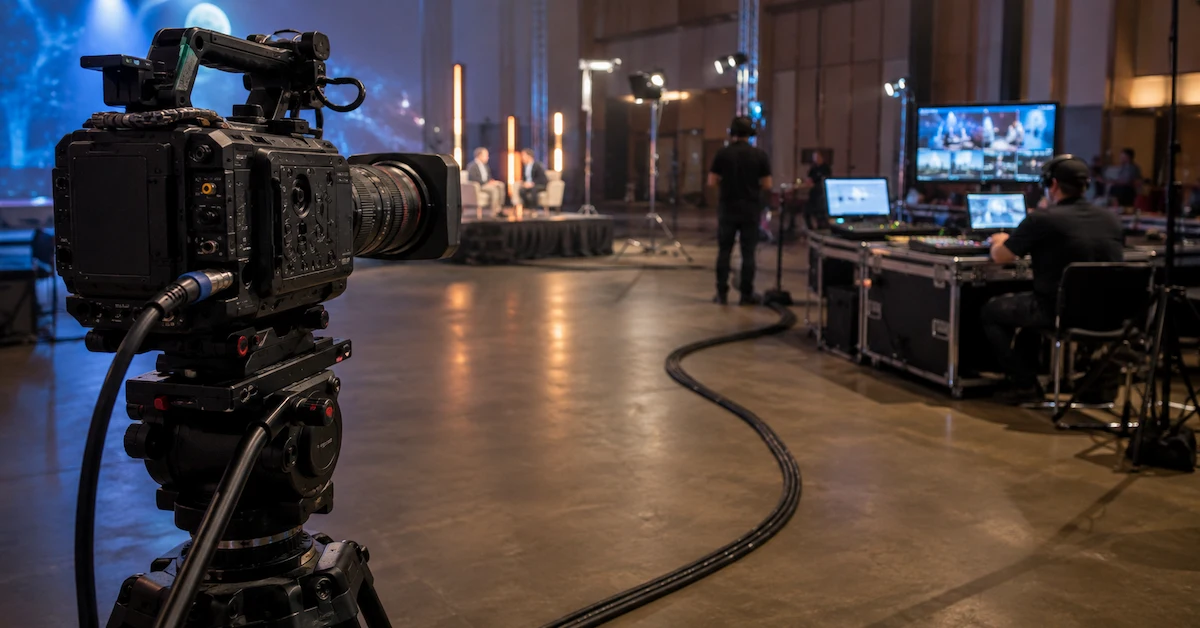
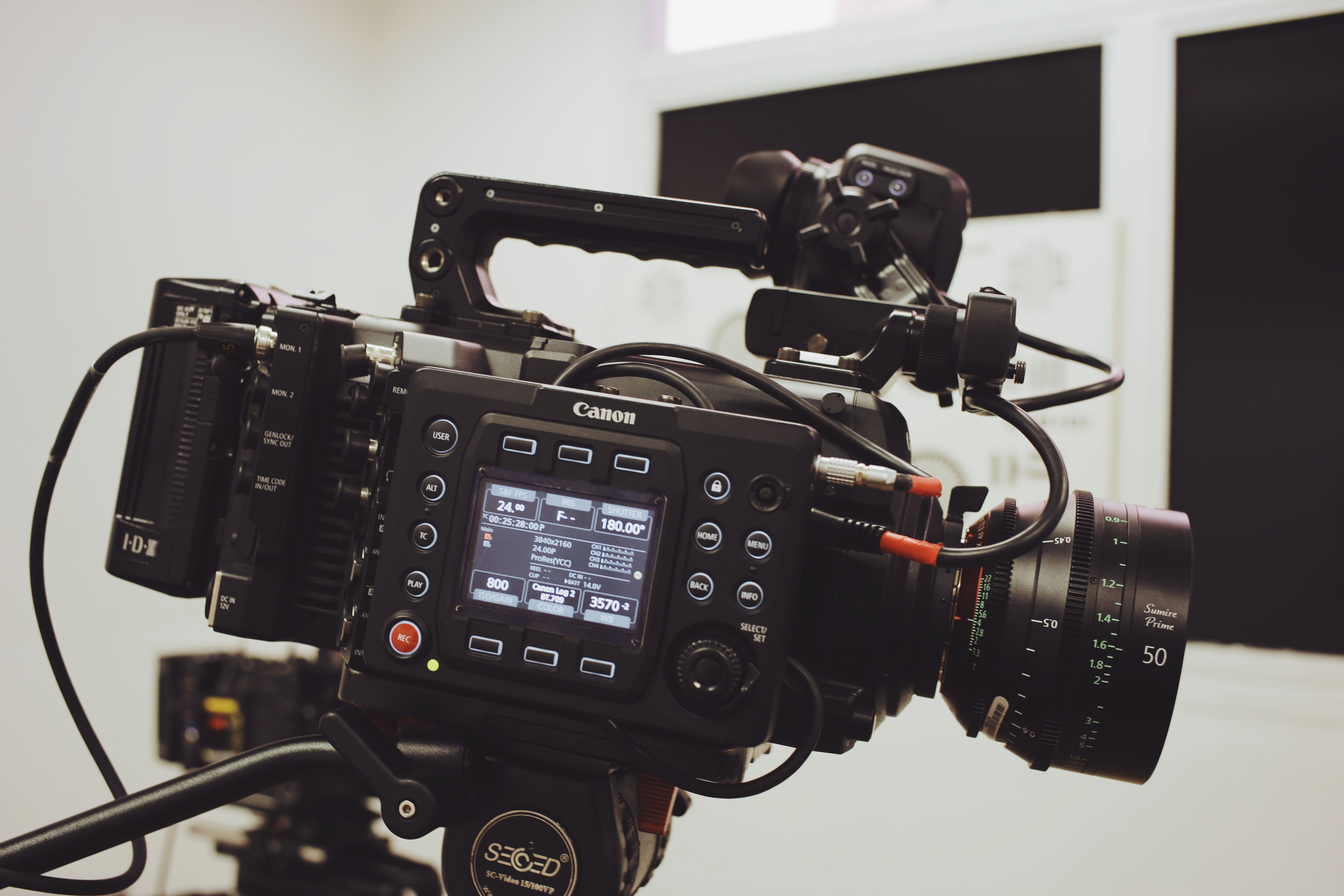
A production team working with multiple cameras, monitors, and power sources faced ongoing issues:
- Setup time was increasing with each project
- Cable clutter made troubleshooting difficult
- Signal interference appeared in dense wiring areas
Instead of replacing individual cables, the system was redesigned:
- Unified cable types and connectors
- Introduced structured wiring harnesses
- Optimized cable lengths and routing
Results:
- Setup time reduced by approximately 40%
- Signal stability improved noticeably
- System became easier to manage and scale
The key difference was not better cables—it was a better structure.
How to Identify a Real Cable Solution Provider
From a buyer’s perspective, the difference between a supplier and a solution provider is clear when you ask the right questions:
- Do they understand your system, or just your order list?
- Can they propose a better structure instead of just fulfilling requirements?
- Do they consider installation, maintenance, and scalability?
- Are they able to combine cables, harnesses, and connectors into one system?
A true cable solution provider works with you to improve the system—not just supply parts.
Final Perspective: Systems Perform Better When Connections Are Designed, Not Added
At a certain level of complexity, systems stop benefiting from more components.
They benefit from better structure.
A cable solution provider helps transform:
- Multiple loose connections → organized system
- Repeated issues → predictable performance
- Complex setups → manageable workflows
At Alvins, we focus on building connection systems that work as a whole—from materials and assembly to full integration.
If your setup is becoming harder to manage, the answer may not be more cables—but a better solution.
Explore our system-level solutions here:
https://www.alvins.com/
Or discuss your project directly with us:
https://www.alvins.com/request-a-quote