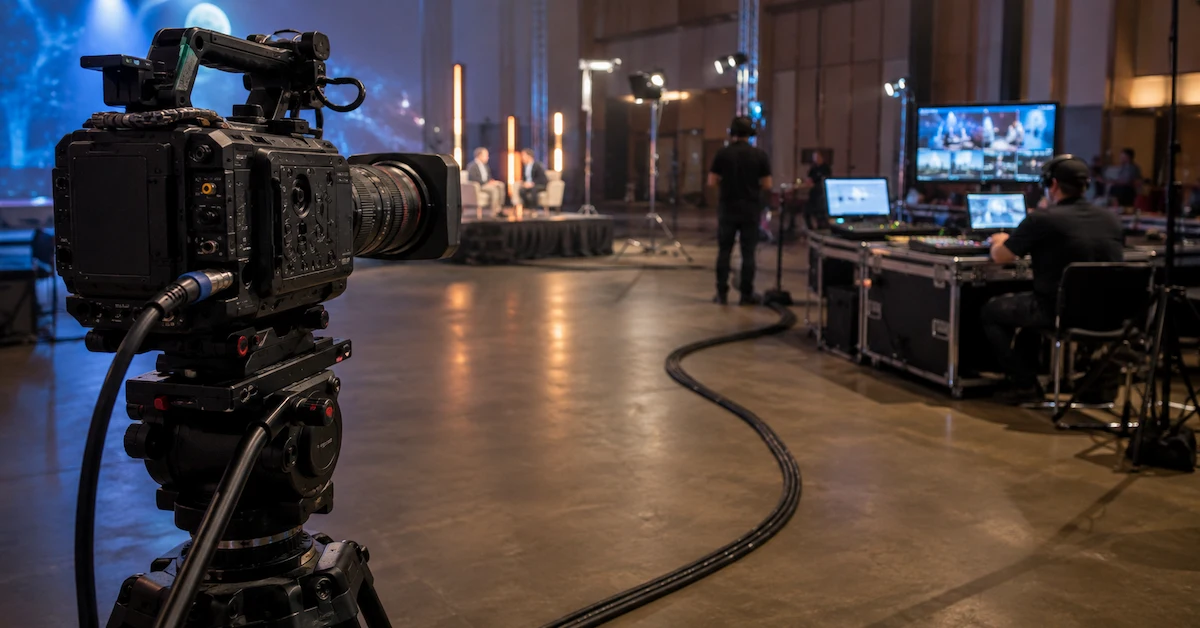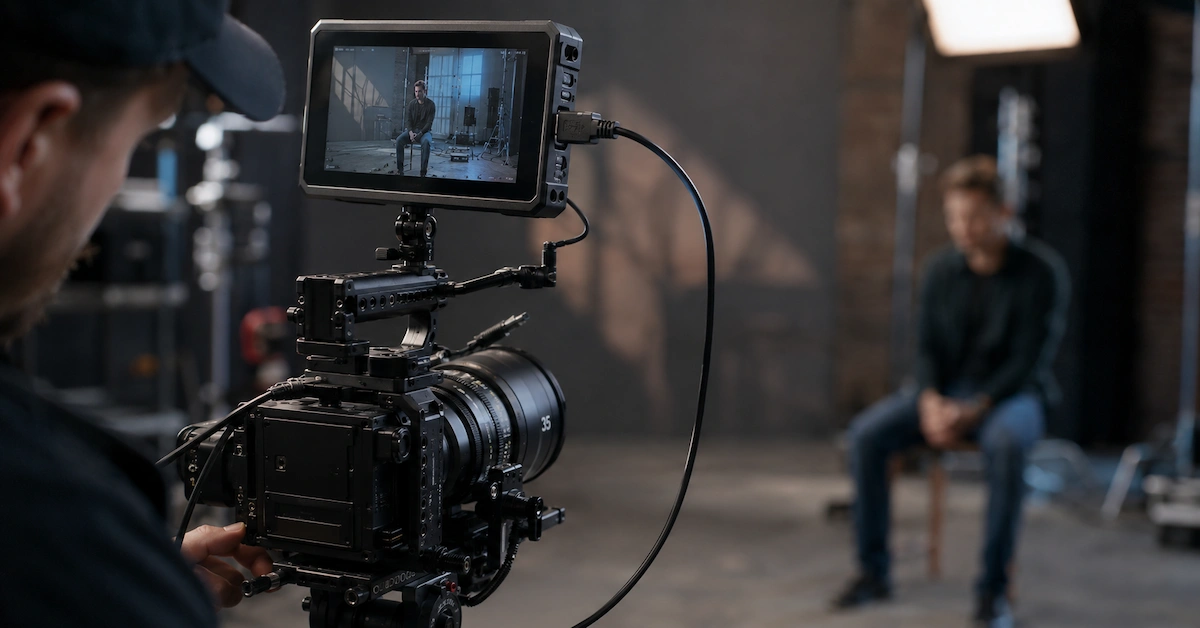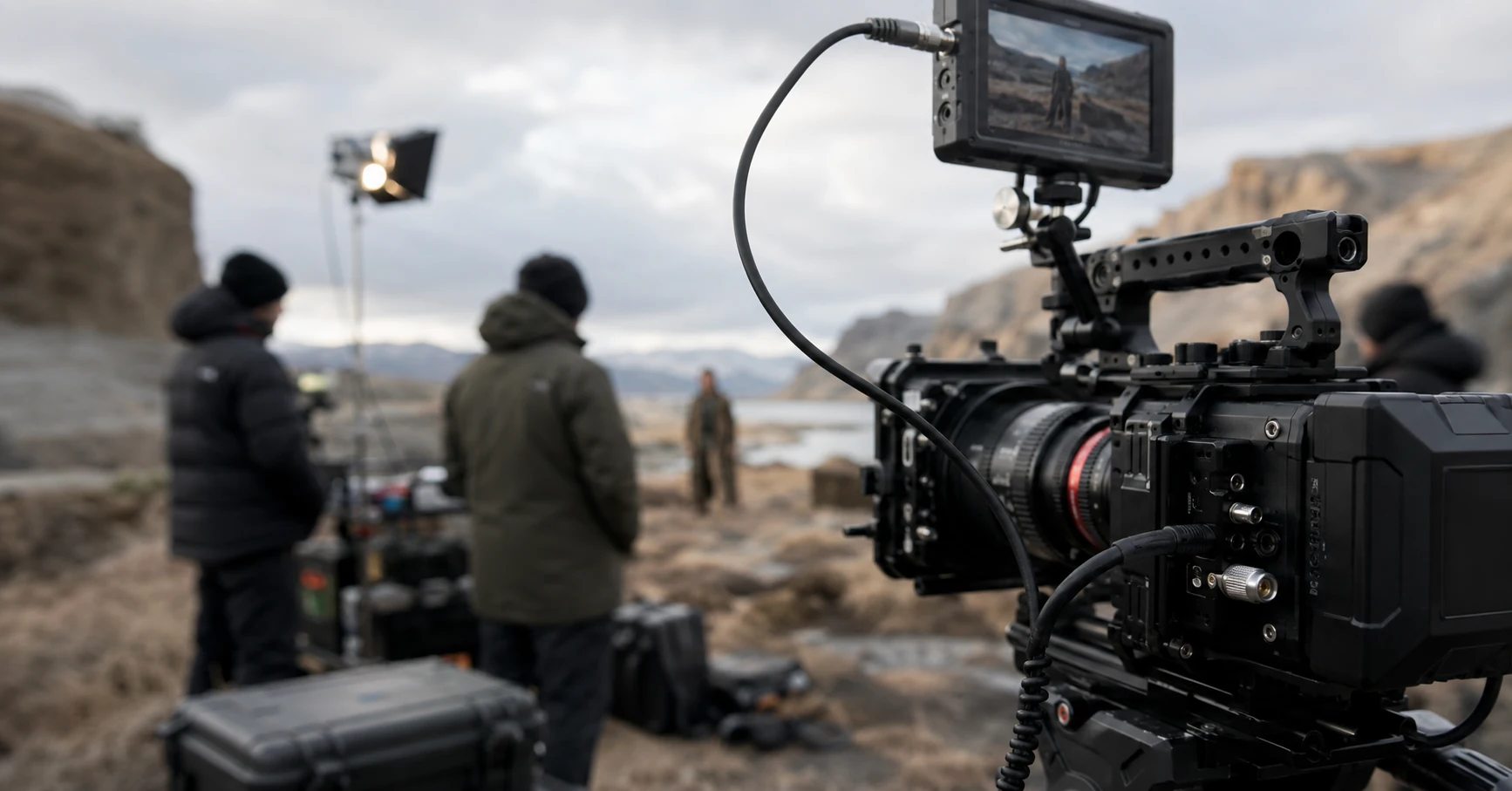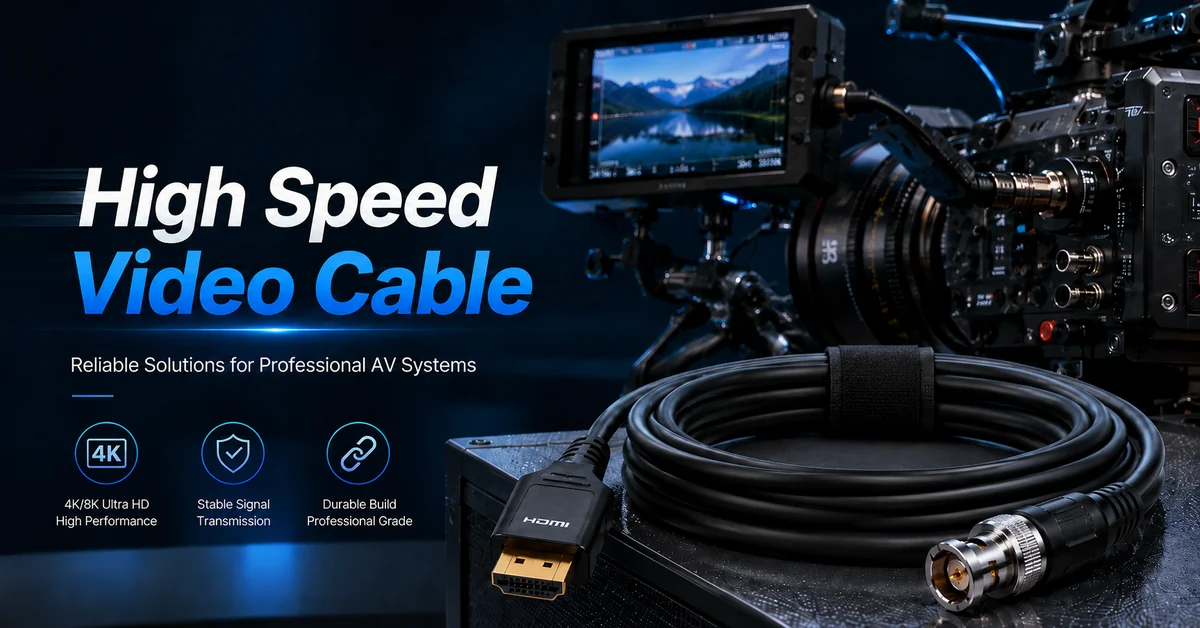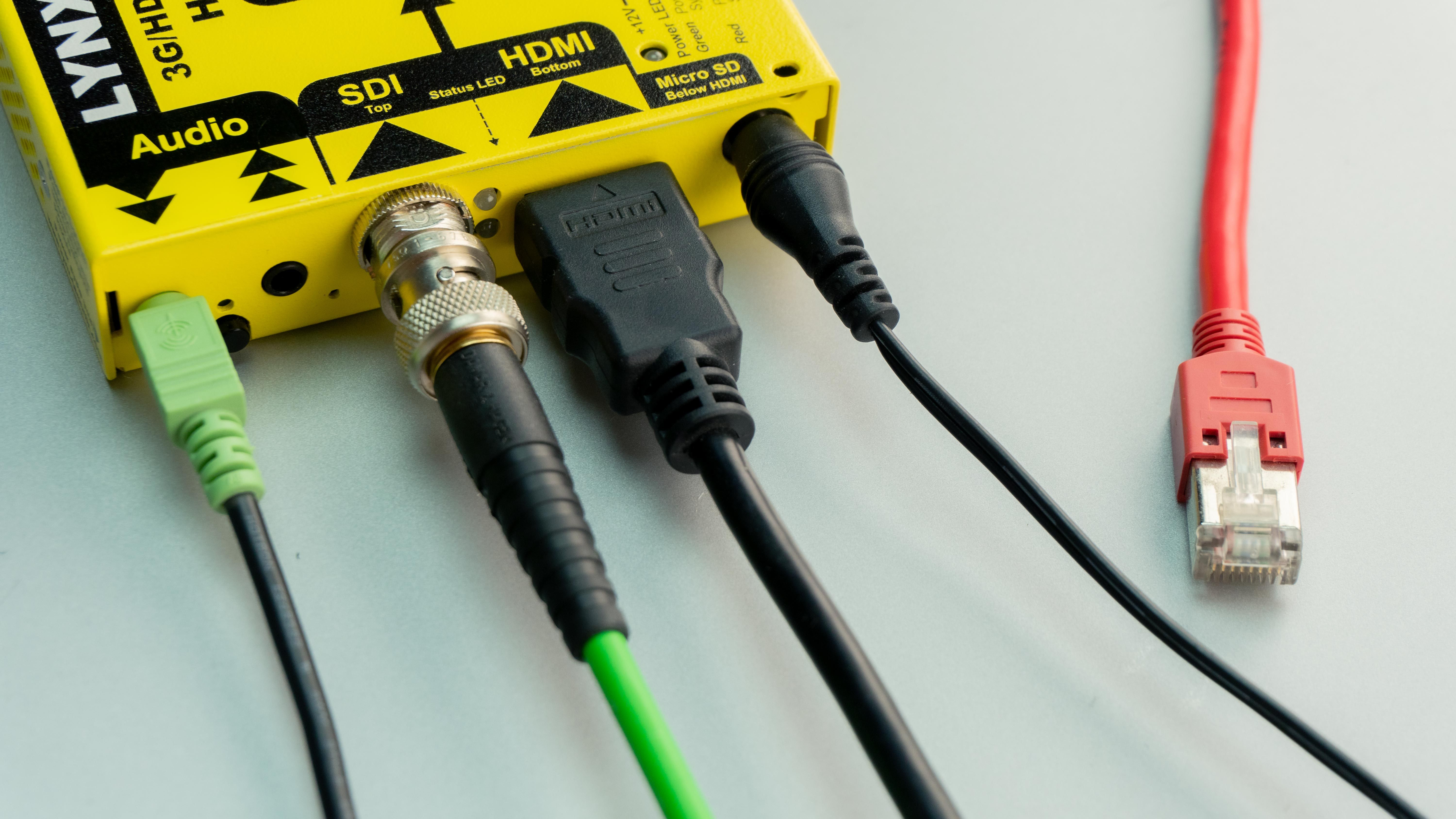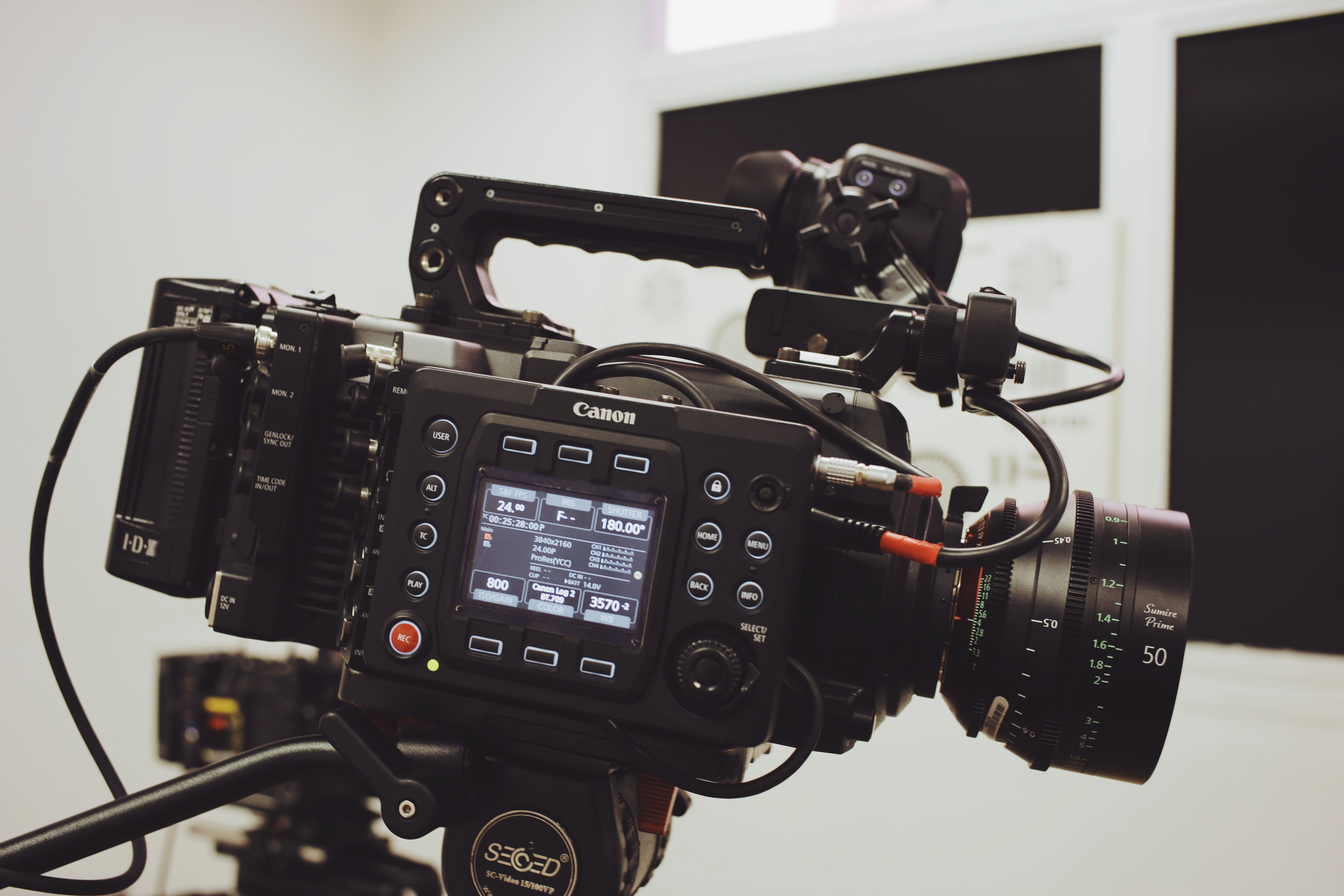
In professional filming environments, small technical issues can have immediate consequences.
A brief signal drop. A flicker on the monitor. A loose connection during movement.
These are not minor inconveniences—they directly interrupt workflow and reduce confidence during shooting.
Many of these problems are not caused by cameras or monitors, but by the cables connecting them.
This is where a reliable camera cable manufacturer becomes essential. At Alvins, cable design focuses on maintaining signal stability in real filming conditions, including movement, interference, and repeated use.
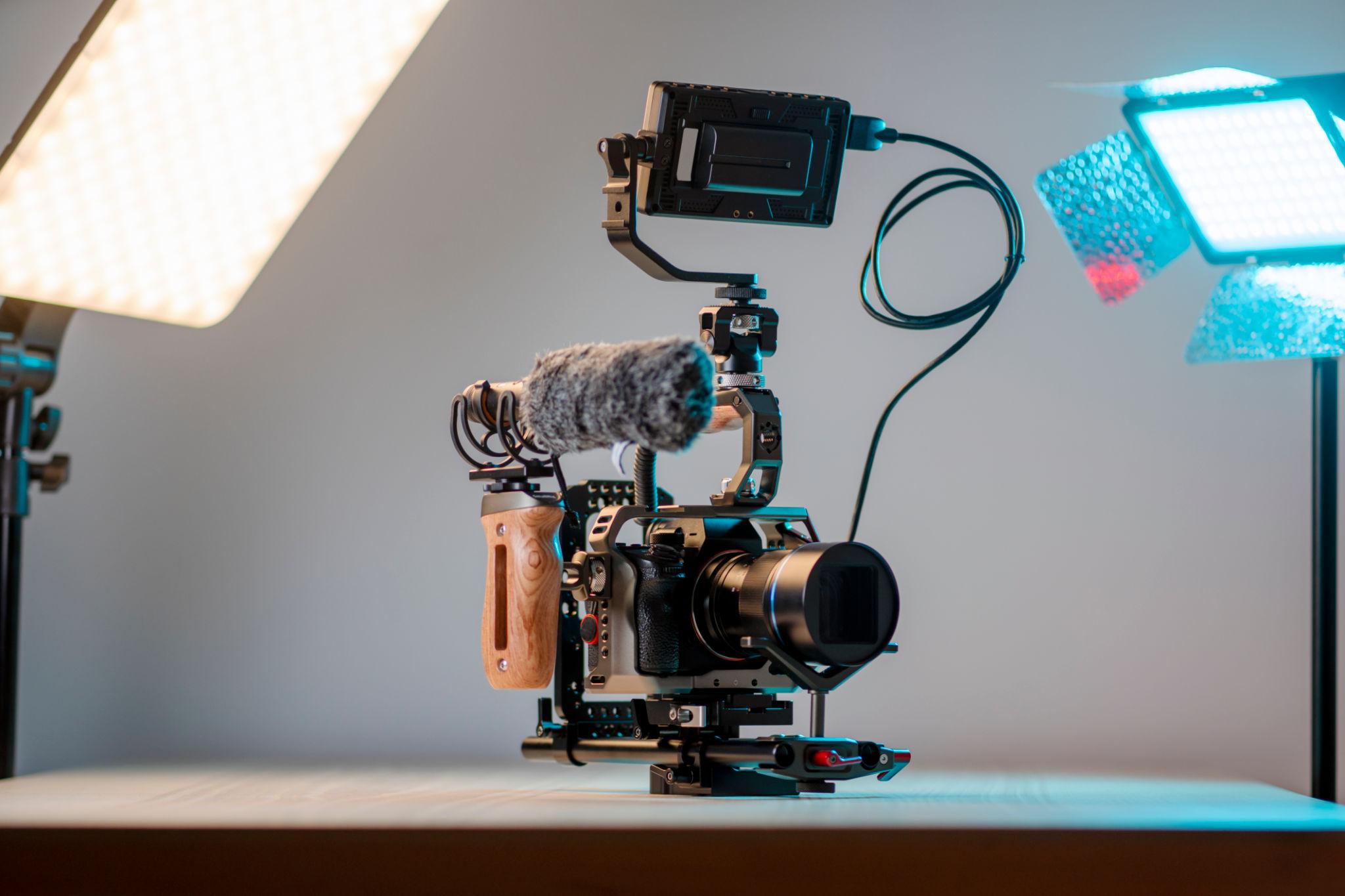
Material and Structural Design for Video Signal Integrity
Before manufacturing begins, camera cable performance is defined by its internal structure.
A high-quality camera cable typically includes:
- High-purity copper conductors
Ensuring consistent signal transmission - Multi-layer shielding (foil + braided)
Reducing interference by 40–60% - Flexible outer materials (TPE / TPU)
Supporting dynamic shooting environments - Precision connector design
Ensuring secure and stable connection
According to the International Electrotechnical Commission, shielding effectiveness and conductor quality are critical for maintaining signal integrity in video transmission systems.
Reference: https://www.iec.ch/
These elements determine whether a cable performs reliably in real filming scenarios.
Why Filming Environments Require Specialized Cable Design
Unlike static setups, filming environments introduce additional challenges:
- Constant movement of equipment
- Frequent cable repositioning
- Dense electronic environments causing interference
At Alvins, camera cables are designed to address these conditions:
- Enhanced flexibility to reduce tension
- Reinforced connectors for secure fit
- Optimized shielding for stable signal
This ensures that cables remain reliable even under dynamic conditions.
Engineering Workflow for Camera Cable Manufacturing
To ensure consistent performance, a structured process is followed:
Step 1: Application Analysis
Understanding camera systems, monitors, and workflow
Step 2: Design Optimization
Selecting materials and structure for video transmission
Step 3: Prototype Testing
Validating signal stability and flexibility
Step 4: Controlled Assembly
Maintaining consistency in production
Step 5: Quality Testing
Ensuring performance before delivery
According to the IPC, controlled assembly processes significantly reduce signal-related issues in cable systems.
Reference: https://www.ipc.org/
Performance Comparison: Standard Cable vs Professional Camera Cable
| Feature | Standard Cable | Professional Camera Cable | Benefit |
|---|---|---|---|
| Signal Stability | Moderate | High | Stable transmission |
| Interference Resistance | Basic | Advanced | Reduced noise |
| Flexibility | Limited | Optimized | Easier handling |
| Connector Reliability | Variable | Secure fit | Reduced disconnection |
| Durability | Short-term | Long-term | 2–3× lifespan |
These differences are especially important in real shooting environments.
Case Example: Improving Monitor Stability in a Mobile Shooting Setup
A filmmaker using a handheld camera and external monitor experienced intermittent signal issues.
Problems included:
- Signal flickering during movement
- Loose connector fit
- Reduced reliability in crowded setups
After switching to a custom camera cable solution:
- Improved connector stability
- Increased flexibility for movement
- Enhanced shielding
Results:
- Stable signal during shooting
- Faster setup and adjustment
- Increased confidence during operation
This demonstrates how cable design directly affects filming performance.
What to Look for in a Camera Cable Manufacturer
When choosing a supplier, consider:
- Experience in filming and video applications
- Ability to customize cable length and connectors
- Consistency in manufacturing quality
- Testing and validation processes
A reliable camera cable manufacturer should understand real usage scenarios—not just specifications.
Final Perspective: Stable Connections Enable Reliable Filming
In professional filming, every component must perform consistently.
A reliable camera cable manufacturer ensures:
- Stable signal transmission
- Durable and flexible cable design
- Consistent performance across all units
At Alvins, we design camera cables based on real filming needs, ensuring that every connection supports your workflow.
Explore our products here:
https://www.alvins.com/
Or request a custom camera cable:
https://www.alvins.com/request-a-quote