In professional filming environments, power stability is often underestimated—until something goes wrong.
A sudden power drop, an unstable connection, or a brief interruption can stop recording instantly. In high-pressure shooting situations, this doesn’t just cause inconvenience—it can mean lost footage, delayed schedules, and increased production costs.
Many teams initially assume the issue lies with batteries or camera bodies. In reality, power cables are frequently the weakest link in the system.
This is where a reliable camera power cable supplier becomes essential. At Alvins, power cable solutions are engineered to deliver stable and consistent energy under real filming conditions, ensuring uninterrupted operation even in dynamic environments.
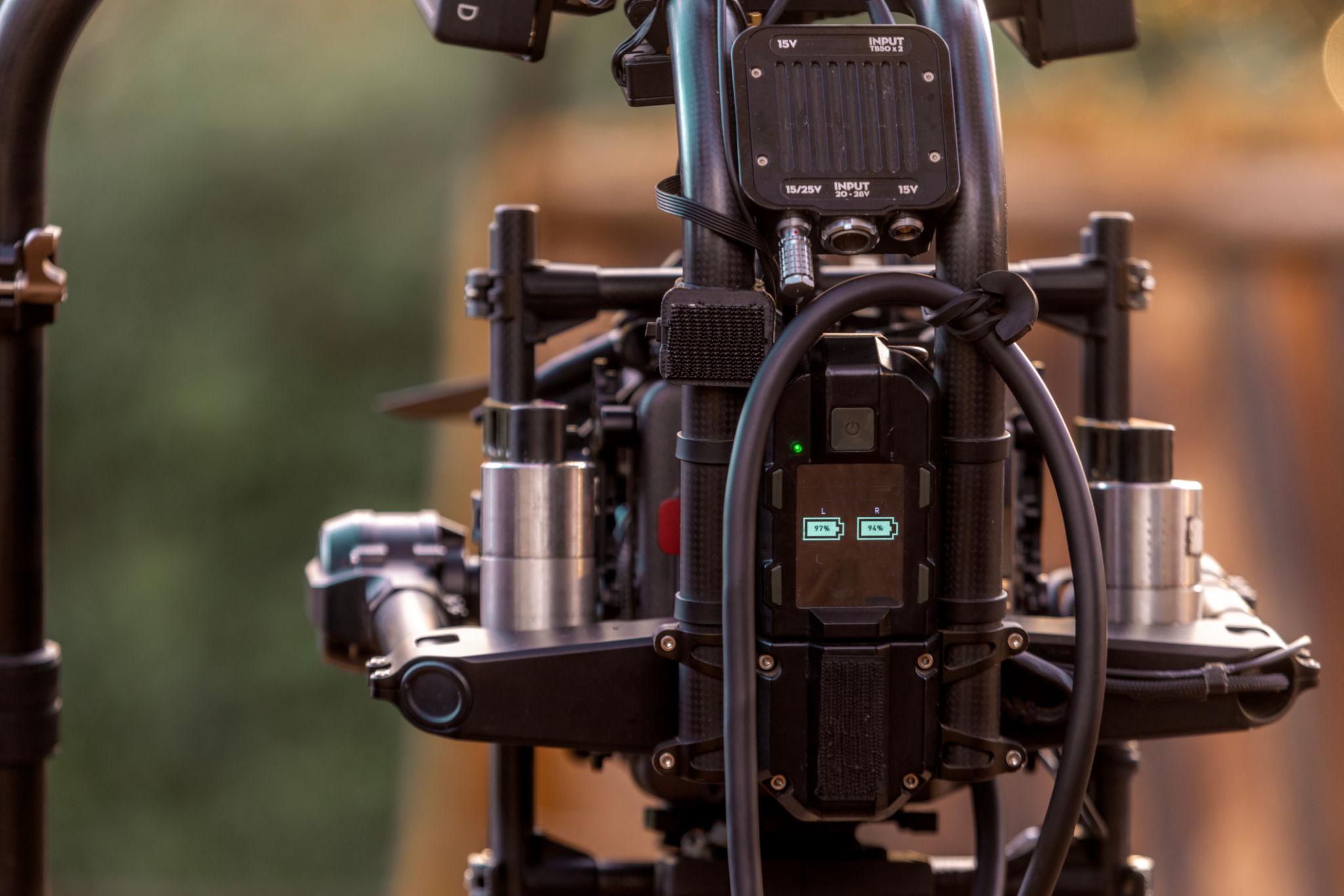
Electrical Design and Material Selection Define Power Stability
Before assembly begins, power cable performance is determined by its electrical design.
A professional camera power cable typically includes:
- High-conductivity copper conductors
Reducing resistance and improving current flow efficiency - Proper wire gauge selection
Matching load requirements to prevent overheating - Durable insulation materials (TPE / TPU)
Providing flexibility and resistance to wear - Precision connectors (D-Tap / LEMO / DC)
Ensuring stable and secure power delivery
Industry practices emphasize that proper conductor sizing and insulation are critical for maintaining electrical safety and long-term performance.
Without these elements, cables may overheat, degrade quickly, or fail under continuous load.
Why Camera Power Systems Require Specialized Cable Solutions
Unlike static electrical systems, filming setups involve constant movement and varying load conditions.
Typical challenges include:
- Continuous power draw during long shoots
- Frequent repositioning of equipment
- Tight and compact rig configurations
Standard cables are not designed for this level of dynamic use.
At Alvins, camera power cables are developed to handle:
- Stable current delivery under continuous operation
- Repeated bending without structural failure
- Secure connections during movement
This ensures reliable performance across different shooting environments.
Engineering Workflow for Camera Power Cable Manufacturing
Reliable power delivery depends on a structured engineering and production process:
Step 1: Power Requirement Analysis
Understanding voltage, current, and usage conditions
Step 2: Cable Structure Design
Selecting materials and conductor size based on load
Step 3: Connector Matching
Ensuring compatibility with camera and battery systems
Step 4: Precision Assembly
Maintaining consistency in connection quality
Step 5: Testing and Validation
Verifying electrical safety and performance
A controlled workflow significantly reduces failure rates and ensures consistent performance across all units.
Performance Comparison: Standard Cable vs Professional Camera Power Cable
| Feature | Standard Cable | Professional Camera Power Cable | Benefit |
|---|---|---|---|
| Power Stability | Moderate | High | Consistent output |
| Heat Resistance | Limited | Optimized | Reduced overheating |
| Flexibility | Basic | High | Better handling |
| Connector Security | Variable | Secure fit | Reliable connection |
| Durability | Short-term | Long-term | 2–3× lifespan |
These differences directly impact reliability during filming.
Case Example: Eliminating Power Interruptions in a Mobile Setup
A production team working with handheld rigs experienced frequent power issues.
Key problems included:
- Loose connections during movement
- Voltage fluctuations under load
- Cable wear after repeated use
After upgrading to a custom camera power cable solution:
- Connectors remained stable during operation
- Power delivery became consistent
- Cable lifespan improved significantly
Results:
- No power interruptions during shooting
- Reduced equipment downtime
- More efficient workflow on set
This demonstrates how proper cable design improves overall system reliability.
What to Look for in a Camera Power Cable Supplier
When selecting a supplier, consider:
- Experience with camera power systems
- Ability to customize cable specifications
- Consistency in materials and assembly
- Testing and validation processes
A reliable camera power cable supplier should focus on both performance and safety—not just basic functionality.
Stable Power Is the Foundation of Reliable Filming
In professional filming, every component must perform consistently—and power delivery is no exception.
A well-designed camera power cable ensures:
- Stable energy supply under load
- Secure and durable connections
- Long-term reliability across multiple shoots
At Alvins, we design camera power cable solutions based on real-world filming demands, ensuring dependable performance in every setup.
Explore our solutions here:
https://www.alvins.com/
Or request a custom power cable solution:
https://www.alvins.com/request-a-quote