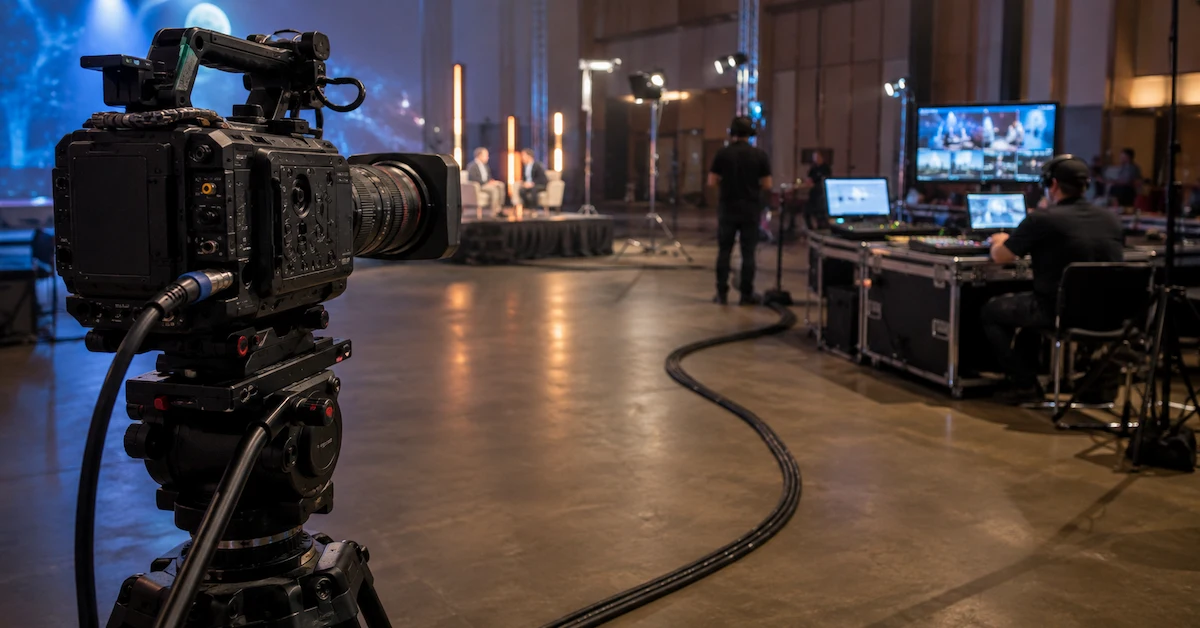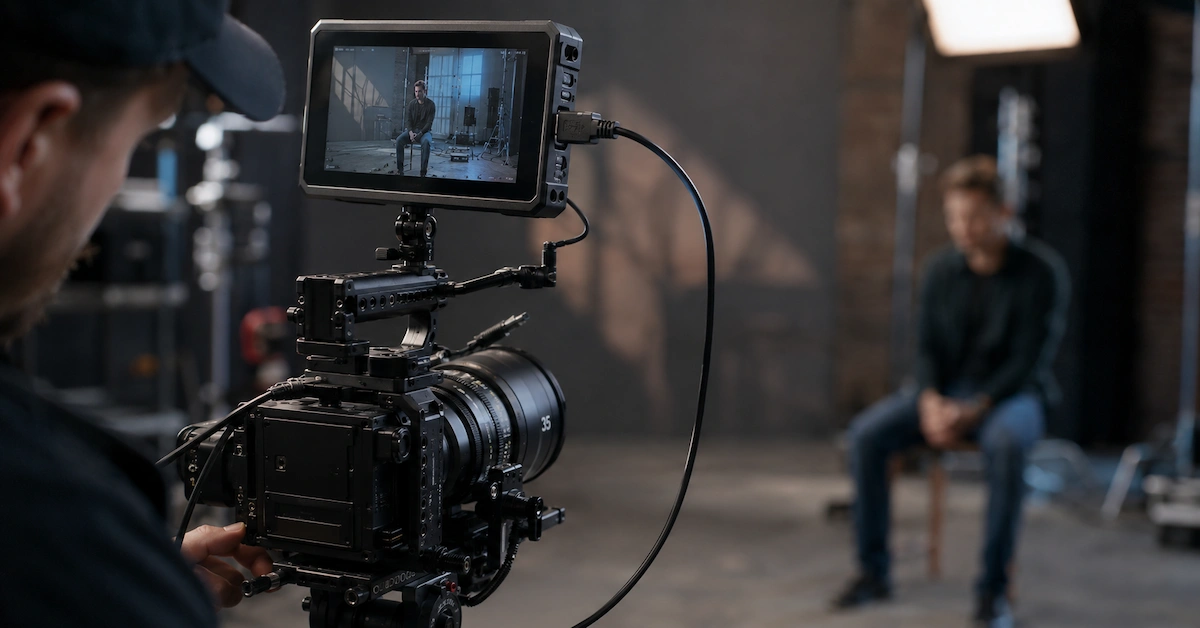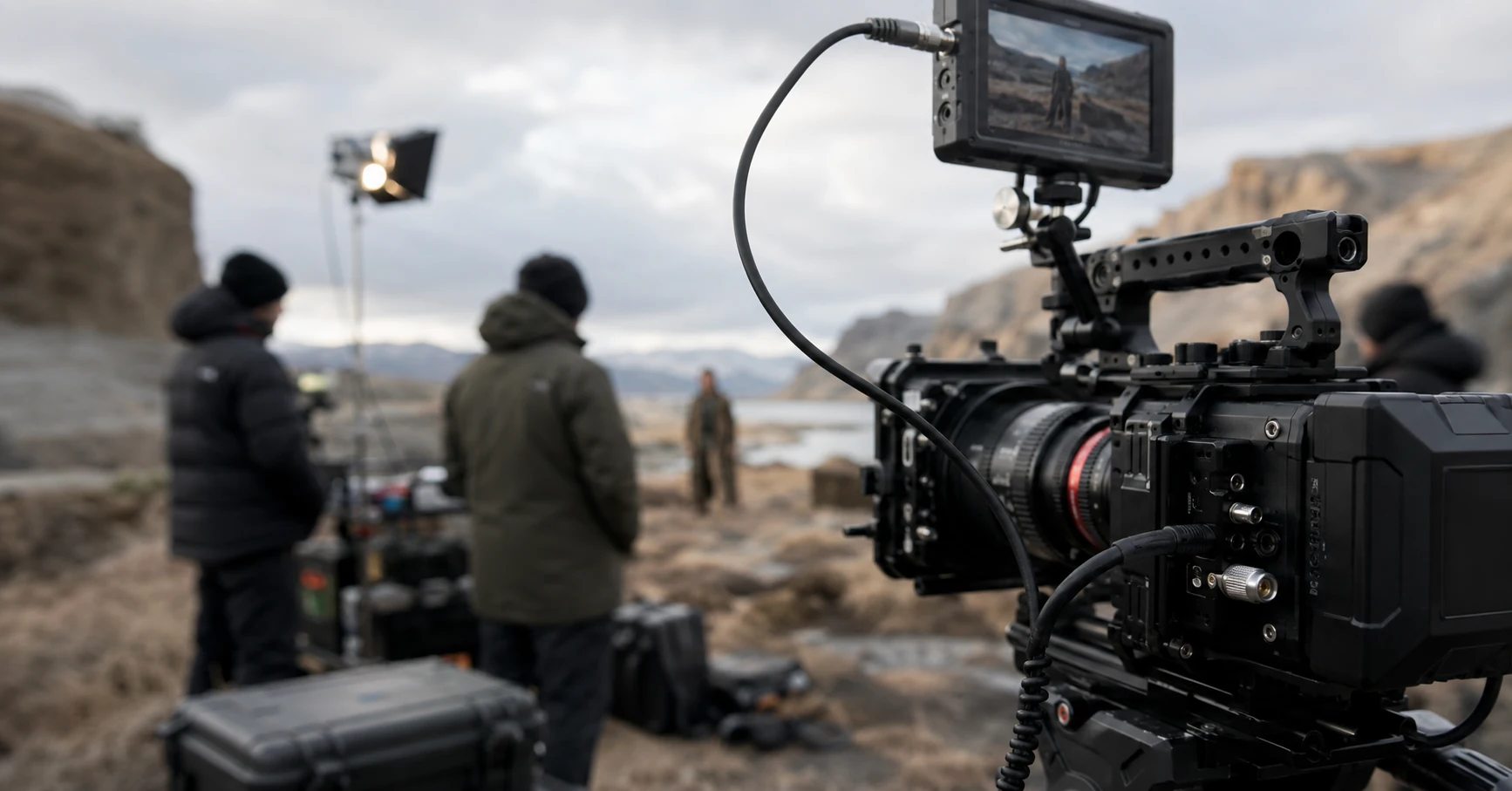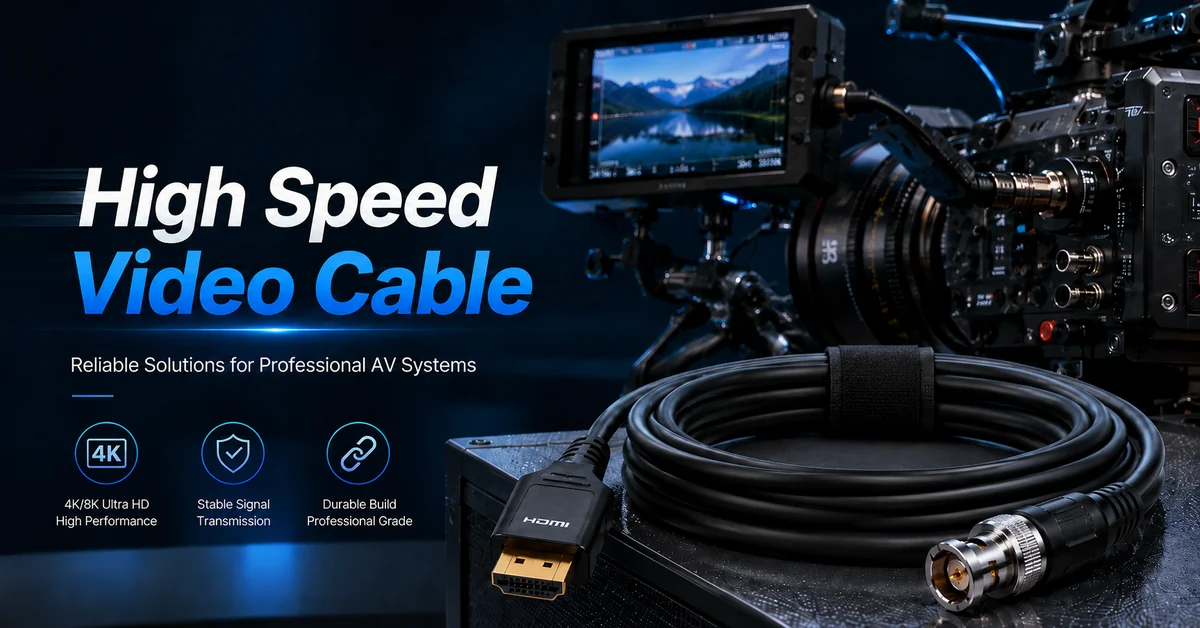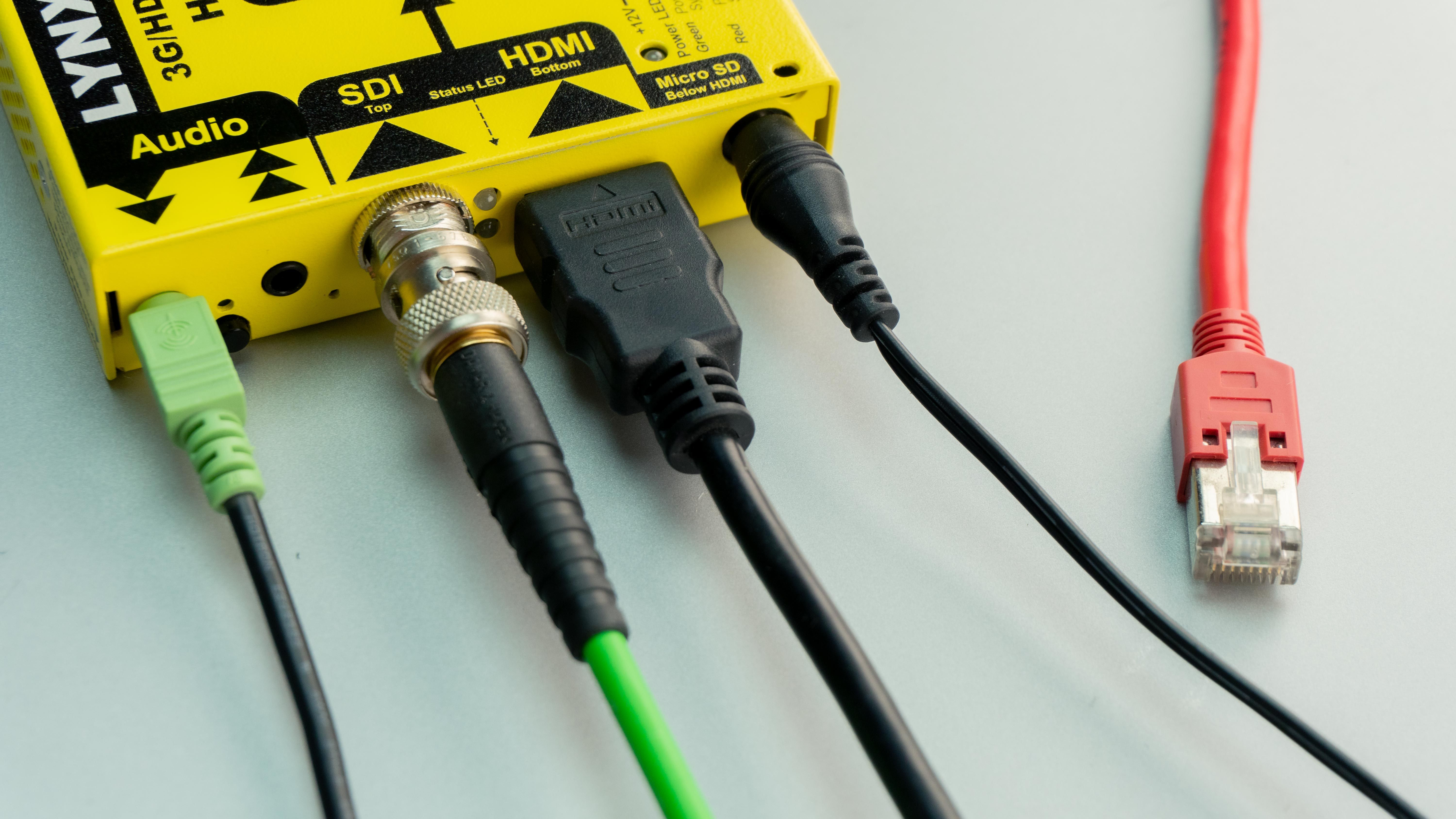
Professional film productions rely on uninterrupted power and signal connectivity. Poor-quality rig cables can cause flickering, intermittent power loss, or signal dropout, disrupting shoots and delaying schedules. Partnering with a qualified camera rig cable supplier ensures reliable transmission and long-term stability on set.
Learn more about Alvins’ manufacturing expertise here:
About Alvins.
Technical Principles Behind Camera Rig Cables
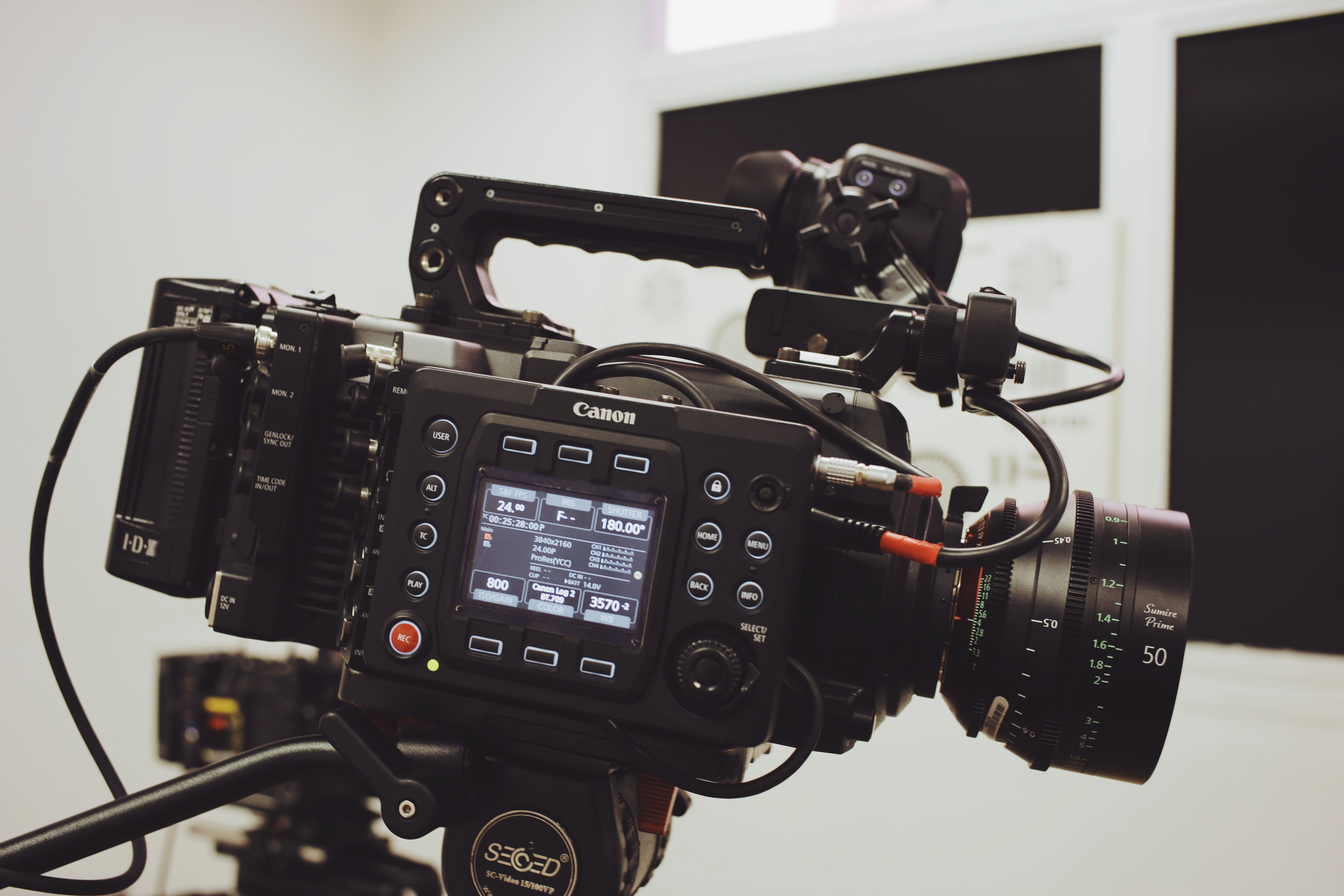
High-quality camera rig cables combine robust conductors, multi-layer shielding, and flexible jacket materials to withstand constant movement and environmental stress. Signal integrity is preserved by careful impedance control, while power delivery is maintained even over long cable runs.
Comparing Standard vs Professional Rig Cables
Low-grade cables may fail due to poor shielding, connector wear, or inadequate conductor size. In contrast, professional solutions from a trusted camera rig cable supplier feature:
- EMI protection for sensitive signals
- High-flexibility outer jackets
- Precision connectors for repeated plug cycles
- Compliance with industry standards
Engineering Solutions for Modern Filmmaking
Top suppliers perform rigorous testing, including:
- Bandwidth verification for video feeds
- Load testing for power cables
- Flexibility and bend-cycle durability
- Long-distance signal consistency
Alvins also offers tailored setups via:
Custom Cable Solutions.
Key Advantages of Professional Camera Rig Cables
- Stable power supply to cameras and accessories
- High-fidelity video signal without noise
- Durable for repeated rigging and de-rigging
- Long cable runs possible without signal degradation
These advantages are crucial for film crews, rental houses, and live production teams.
Application Scenarios
- On-location film shoots
- Studio production rigs
- Multi-camera live events
- Documentary field setups
- Remote controlled camera drones
Full product options can be found here:
Alvins Custom Cable Products.
Selecting the Right Camera Rig Cable
Considerations include:
- Required voltage and current for devices
- Cable flexibility for dynamic rig movements
- EMI shielding for sensitive sensors
- Connector type compatibility
- Environmental durability
For professional advice or a quotation:
Request a Quote.
FAQ
Q1: Can I use standard HDMI or power cables on camera rigs?
Standard cables often fail under movement stress and extended use; professional rig cables ensure stability.
Q2: How long can a camera rig cable run without signal loss?
Depends on cable type; high-quality cables can sustain several meters of video/power transmission.
Q3: Are these cables compatible with drones and gimbals?
Yes, with proper flexibility and connector selection, professional cables support aerial and stabilized rigs.
Additional FAQs available here:
FAQs.
Conclusion
Choosing a reputable camera rig cable supplier is essential for uninterrupted filming, reliable power, and clean signal transmission. Professional cables provide durability, flexibility, and consistent performance for every production environment. Alvins offers both standard and custom solutions, ensuring crews can focus on capturing the perfect shot.