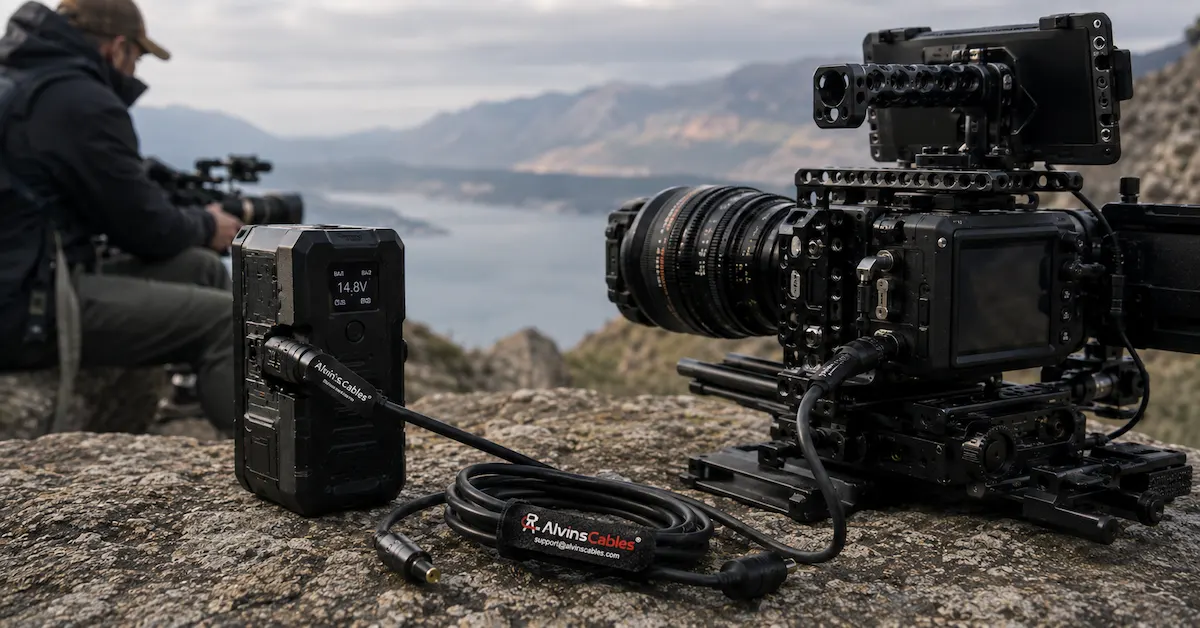
A reliable high current cable manufacturer plays an important role in professional power systems where stable current delivery is critical. Cameras, monitors, wireless transmitters, lighting equipment, industrial devices, and specialized AV systems often require cables that can handle higher power loads without overheating or performance issues.
For professional buyers, a high current cable is not simply a thicker wire. It requires correct conductor design, connector compatibility, insulation protection, strain relief, and reliable manufacturing quality.
A poorly designed high current cable may cause voltage drop, unstable equipment operation, overheating, connector failure, or unexpected shutdowns. This is why production companies, equipment brands, rental houses, and industrial users need a manufacturer with professional cable engineering experience.
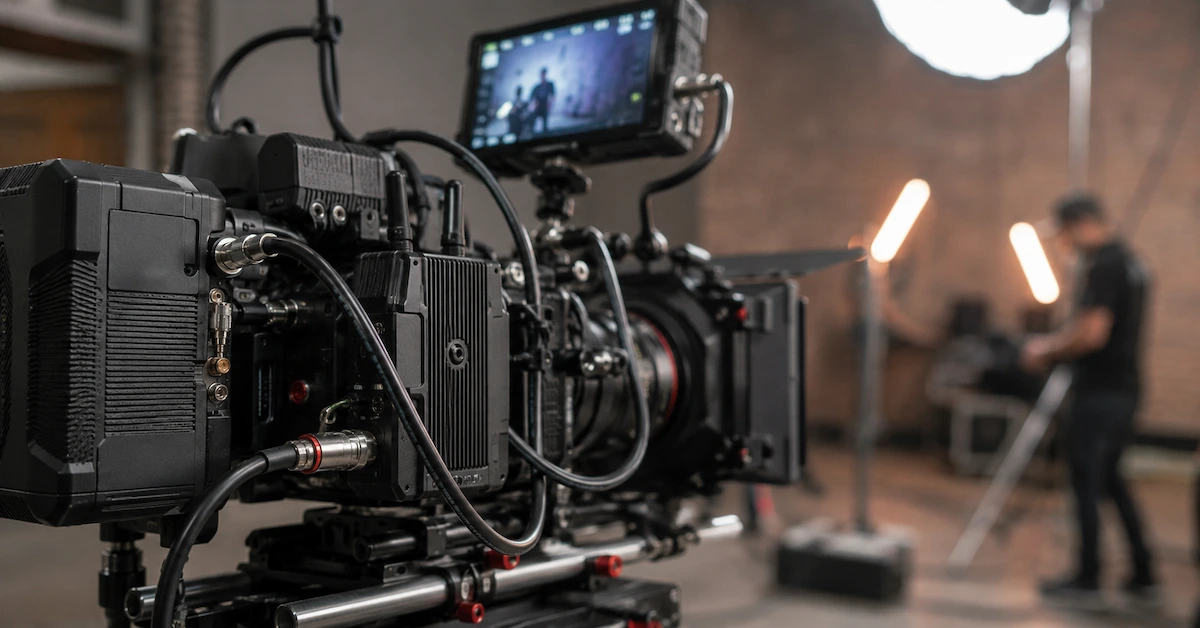
Quick Answer: What Does a High Current Cable Manufacturer Provide?
A professional high current cable manufacturer designs and produces power cables capable of handling demanding electrical requirements.
Common high current cable solutions include:
- Camera power cables
- Battery power cables
- D-Tap high current cables
- V-Mount power cables
- DC power cables
- Industrial power cables
- Custom power cable assemblies
- OEM power cable solutions
A reliable manufacturer should support:
- Current requirement evaluation
- Connector customization
- Cable length design
- Flexible cable structures
- Reinforced strain relief
- Prototype and bulk production
Why High Current Cable Quality Matters
High-power equipment depends on stable electrical connections. In professional environments, cables may operate for long periods while carrying power to cameras, monitors, lights, transmitters, and other devices.
Common problems caused by poor high current cables include:
- Excessive heat generation
- Voltage drop
- Device shutdown
- Unstable operation
- Connector overheating
- Cable insulation damage
- Reduced equipment lifespan
- Production interruptions
For professional users, cable reliability directly affects equipment safety and workflow efficiency.
Key Factors When Choosing a High Current Cable Manufacturer
1. Current Capacity
The most important factor is whether the cable can safely handle the required current.
Buyers should consider:
- Device power consumption
- Operating voltage
- Required current
- Continuous or peak load
- Cable length
- Working environment
A professional manufacturer should help match cable specifications with actual equipment requirements.
2. Conductor Quality
High current applications require suitable conductor materials and cable structures to maintain stable power delivery.
Important considerations include:
- Conductor size
- Electrical resistance
- Heat management
- Cable flexibility
- Long-term durability
A properly designed cable helps reduce power loss and improve reliability.
3. Connector Compatibility
High current cables often require specific connectors depending on the application.
Common options include:
- D-Tap connectors
- V-Mount connectors
- Gold-Mount connectors
- DC connectors
- XLR connectors
- LEMO-style connectors
- Custom equipment connectors
A manufacturer should confirm:
- Connector type
- Polarity
- Locking structure
- Current rating
- Equipment compatibility
4. Cable Length and Voltage Drop
Longer cables may create higher resistance and potential voltage drop. Correct cable design and length planning are important for stable operation.
Custom cable length helps improve:
- Camera rig organization
- Battery placement
- Equipment routing
- Studio installation
- Mobile production setups
5. Heat Resistance and Durability
High current cables may generate more heat during operation. Proper insulation, cable structure, and connector protection help improve safety and service life.
Reinforced strain relief also protects cables from repeated bending and pulling.
Common High Current Cable Applications
| Application | Cable Requirement |
|---|---|
| Cinema cameras | Stable power delivery for professional cameras |
| V-Mount battery systems | High current battery connection |
| LED lighting equipment | Reliable continuous power |
| Wireless video systems | Stable transmitter power |
| Studio equipment | Long-duration operation |
| Industrial systems | Durable high-power connection |
| Rental kits | Repeat-use reliability |
Who Needs a High Current Cable Manufacturer?
| Buyer Type | Main Requirement |
| Film production teams | Reliable camera power |
| Broadcast companies | Stable professional equipment operation |
| Rental houses | Durable power cable inventory |
| Equipment brands | OEM power cable development |
| AV integrators | Custom installation solutions |
| Industrial users | Reliable high-power connections |
| Distributors | Consistent professional supply |
These buyers need engineering support, not only standard cable products.
Why Alvin’s Cables Is a Good Fit
Alvin’s Cables provides professional cable solutions for photography, film, broadcast, AV, and industrial applications.
For high current cable projects, Alvin’s Cables supports:
- Custom high current power cables
- Camera power cable solutions
- D-Tap high current cables
- V-Mount power cables
- Battery connection cables
- Custom connector combinations
- Custom cable lengths
- OEM and low-volume production
Buyers can explore available products through the Alvin’s Cables product center.
For special current requirements, connector combinations, cable routing, or equipment compatibility, visit custom cable solutions.
What Information Should Buyers Provide?
To receive an accurate quotation, buyers should provide:
| Information | Why It Matters |
| Device model | Confirms power requirements |
| Voltage requirement | Determines cable design |
| Current requirement | Selects conductor structure |
| Connector type | Defines assembly solution |
| Cable length | Controls voltage performance |
| Application environment | Studio, field, industrial, rental |
| Quantity | Supports production planning |
Submit your requirements through the request a quote page.
FAQ
1. What is a high current cable?
A high current cable is designed to safely transmit larger amounts of electrical current for professional equipment and demanding applications.
2. What devices use high current cables?
Common applications include cameras, lighting systems, batteries, monitors, transmitters, industrial equipment, and professional AV systems.
3. Can high current cables be customized?
Yes. They can be customized by conductor size, connector type, cable length, flexibility, and application requirements.
4. Why is cable size important for high current applications?
Cable size affects current capacity, heat generation, voltage drop, and overall safety.
5. How do I choose a high current cable manufacturer?
Choose a manufacturer that understands electrical requirements, supports customization, provides reliable connectors, and offers professional cable engineering support.
Conclusion
Choosing the right high current cable manufacturer helps professional users maintain stable power delivery, protect equipment, and improve system reliability.
For cameras, battery systems, lighting equipment, AV devices, and industrial applications, cable design directly affects performance and safety.
Alvin’s Cables supports custom high current cable solutions for professional buyers. Contact Alvin’s Cables to discuss your power requirements and custom cable projects.