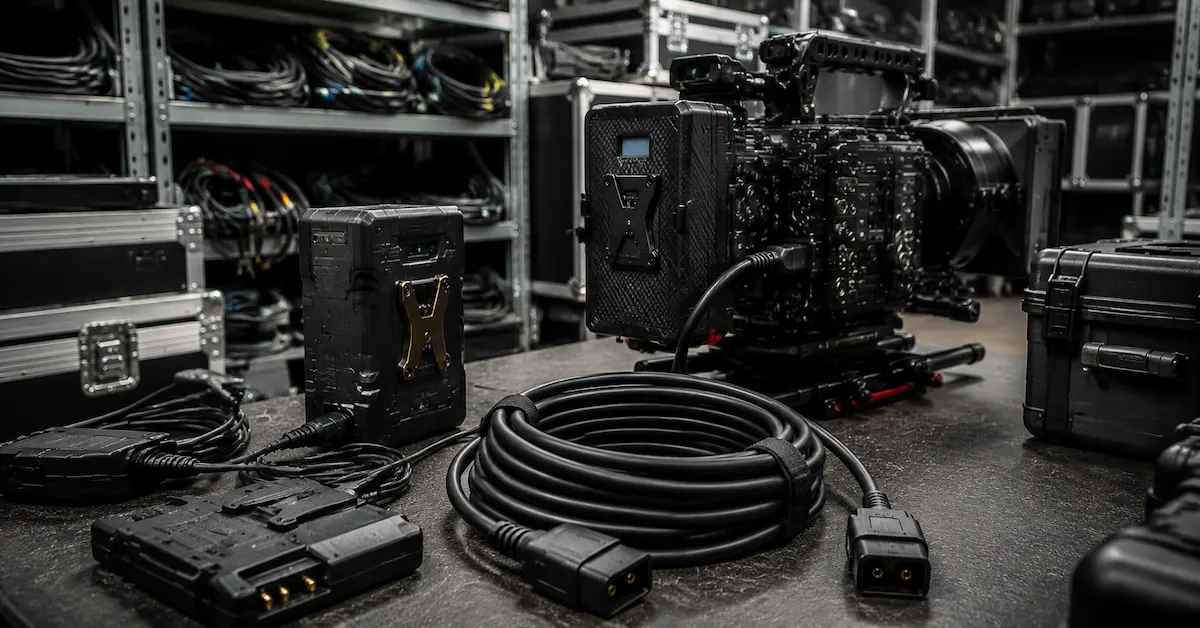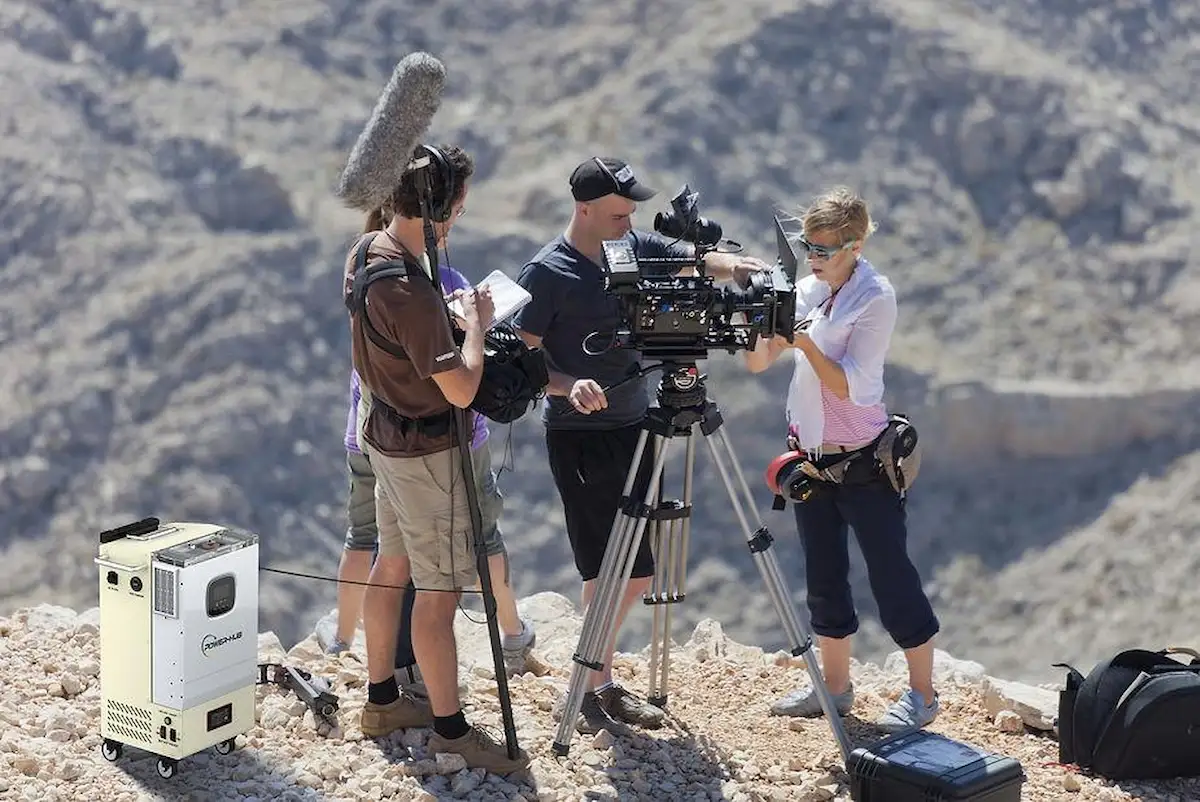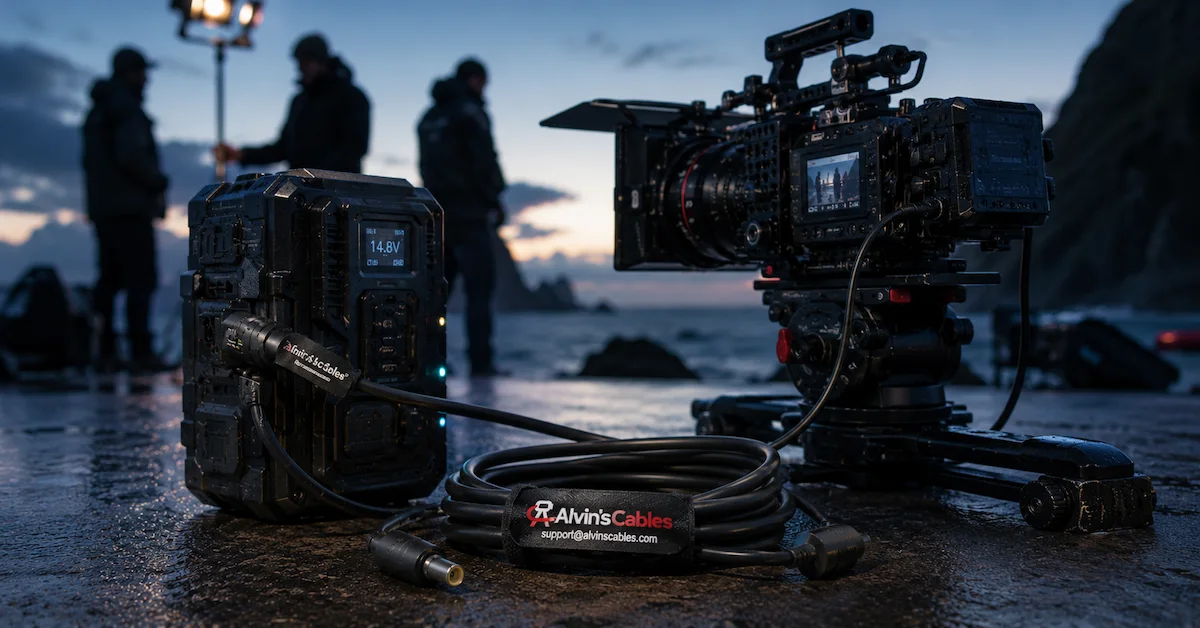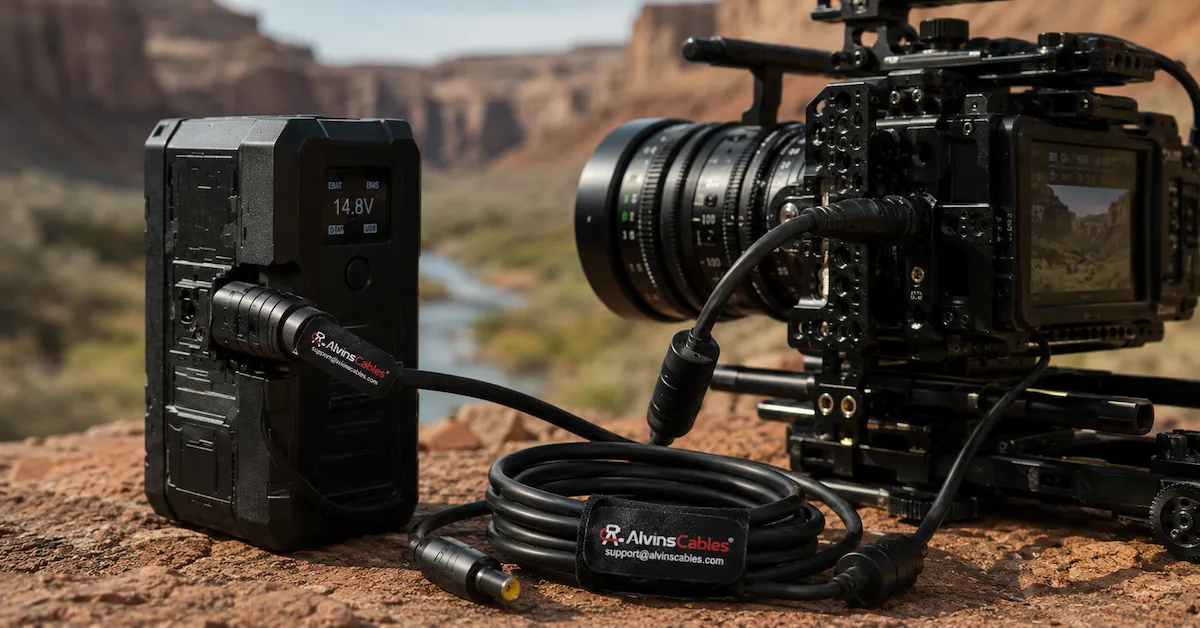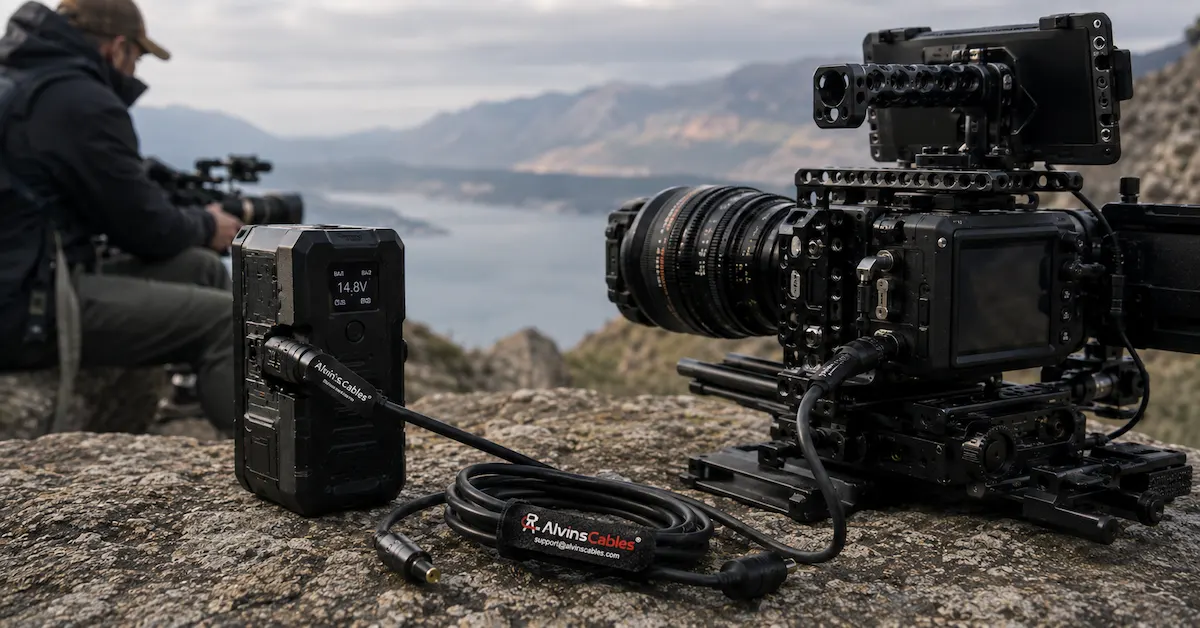
A flexible power cable is designed for professional equipment that requires both reliable electrical performance and easy cable management. In camera production, broadcast, studio, and mobile AV environments, cables often need to bend around equipment, follow complex routing paths, and withstand repeated movement.
Traditional stiff cables may create installation challenges. They can pull on connectors, limit camera movement, increase setup time, and create unnecessary stress on equipment ports.
For professional users, the ideal flexible power cable provides a balance between:
- Stable power transmission
- Smooth cable routing
- Long bending life
- Secure connector connection
- Mechanical durability
- Application-specific customization
This makes flexible power cables especially valuable for cinema cameras, monitors, wireless transmitters, battery systems, and mobile production equipment.
Quick Answer: What Makes a Power Cable Flexible?
A flexible power cable uses carefully selected materials and construction methods to allow repeated bending while maintaining reliable electrical performance.
Important characteristics include:
- Flexible outer jacket
- Fine-strand conductors
- Optimized cable diameter
- Durable insulation
- Strong connector termination
- Reinforced strain relief
- Lightweight construction
A professional supplier should design flexibility according to the actual application instead of simply making the cable softer.
Why Flexible Power Cable Design Matters
Modern camera and AV systems often include multiple accessories connected in limited spaces.
A typical camera setup may include:
- Cinema camera
- External monitor
- Wireless video transmitter
- Recorder
- Focus system
- V-Mount battery
- Power distribution accessories
In these setups, cables must move around:
- Camera cages
- Handles
- Mounting arms
- Battery plates
- Monitor brackets
- Gimbal systems
A stiff cable may cause:
- Connector stress
- Poor cable routing
- Restricted equipment movement
- Difficult installation
- Faster connector wear
A flexible cable improves equipment handling and overall workflow efficiency.
Common Applications of Flexible Power Cables
Camera Rig Power Systems
Professional camera rigs require cables that can move with the equipment.
Flexible power cables are commonly used for:
- Camera-to-battery connections
- Monitor power supply
- Wireless transmitter power
- Recorder power connections
- Accessory power distribution
The cable must remain flexible while supporting reliable power delivery.
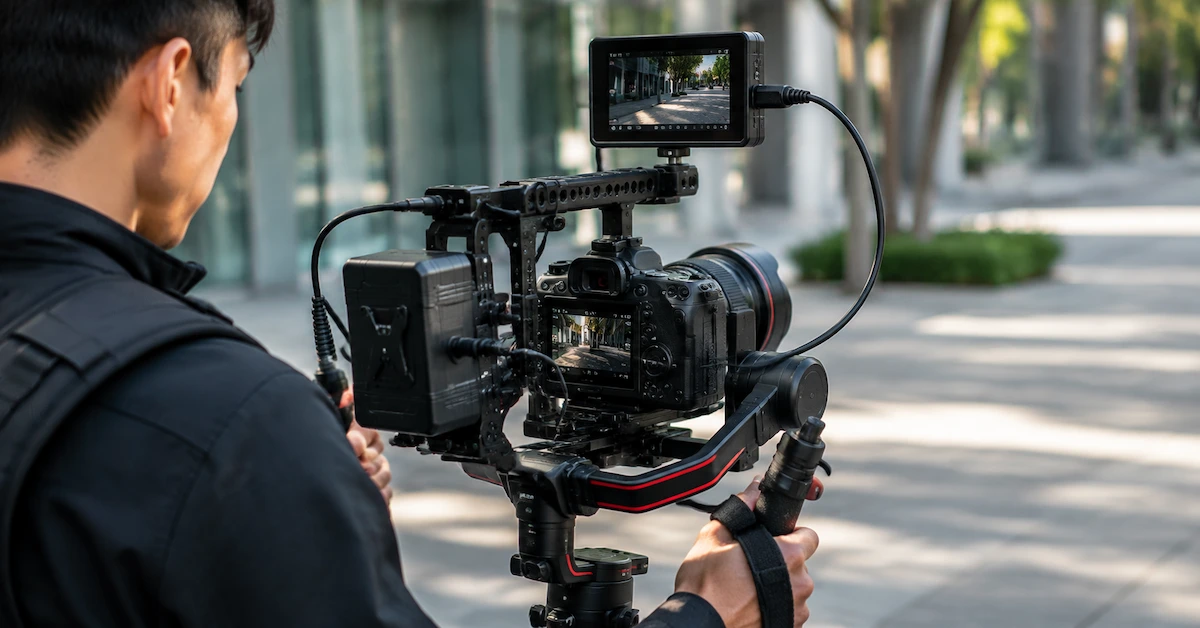
Gimbal and Handheld Systems
Gimbal operators need lightweight cables that do not interfere with camera movement.
Flexible cables help reduce:
- Cable resistance during movement
- Mechanical stress
- Rig imbalance
- Installation difficulty
Broadcast and Mobile Production
Broadcast teams often reposition equipment quickly.
Flexible power cables support:
- Mobile camera systems
- Temporary production setups
- Field broadcast stations
- Live event equipment
Studio Equipment
Even fixed studios benefit from flexible cable designs when equipment requires frequent adjustment.
Applications include:
- Monitor positioning
- Camera movement
- Equipment upgrades
- Production workflow changes
Key Factors When Choosing Flexible Power Cable
1. Bending Performance
The main advantage of a flexible cable is its ability to handle repeated bending.
Important factors include:
- Number of bending cycles
- Cable diameter
- Conductor structure
- Jacket material
- Installation method
A professional cable should maintain performance after repeated movement rather than becoming damaged quickly.
2. Conductor Design
Flexibility starts inside the cable.
Fine-strand conductors generally provide:
- Better bending performance
- Reduced internal stress
- Improved movement capability
- Longer service life
However, conductor selection must still meet the required electrical load.
A cable should not sacrifice power capacity simply for flexibility.
3. Connector Protection
Flexible cables still require strong connectors.
Common professional connectors include:
- D-Tap
- V-Mount
- DC connectors
- XLR connectors
- LEMO-style connectors
- Custom connectors
A good design should consider:
- Connector weight
- Cable exit angle
- Port position
- Locking mechanism
- Strain relief
4. Cable Jacket Selection
The outer jacket affects both flexibility and durability.
Different environments may require:
- Softer jacket materials for camera movement
- More abrasion resistance for field production
- Temperature resistance for outdoor applications
- Lightweight construction for portable systems
The best material depends on the working environment.
5. Custom Cable Length
Cable length directly affects usability.
A correctly sized flexible cable helps:
- Reduce cable clutter
- Improve equipment balance
- Protect connectors
- Simplify setup
Custom lengths are useful for:
- Cinema camera rigs
- Gimbals
- Studio systems
- Rental equipment
- Mobile production
Flexible Power Cable vs Standard Power Cable
| Factor | Standard Power Cable | Flexible Power Cable |
|---|---|---|
| Movement capability | Limited | Designed for frequent movement |
| Installation | Basic routing | Easy routing around equipment |
| Camera rig use | May create stress | Better for compact setups |
| Bending performance | General | Optimized for repeated bending |
| Weight management | Standard | Often lighter and easier to handle |
| Best application | Fixed equipment | Mobile professional systems |
Who Needs Flexible Power Cable Solutions?
| Buyer Type | Main Requirement |
| Film production teams | Flexible camera rig power |
| Broadcast crews | Mobile equipment operation |
| Rental houses | Durable repeat-use cables |
| Camera accessory brands | OEM cable solutions |
| AV integrators | Clean equipment routing |
| Distributors | Professional cable supply |
| Content creators | Lightweight camera setups |
Why Alvin’s Cables Is a Reliable Flexible Cable Partner
Alvin’s Cables provides professional cable solutions for photography, film, broadcast, AV, and industrial applications.
For flexible power cable projects, Alvin’s Cables supports:
- Custom flexible power cables
- Camera power cable solutions
- D-Tap cable assemblies
- V-Mount power cables
- DC power cable customization
- Flexible jacket options
- Connector customization
- Custom cable lengths
- OEM and low-volume production
Buyers can explore available products through the Alvin’s Cables product center.
For special routing requirements, connector combinations, cable flexibility needs, and custom designs, visit custom cable solutions.
Information Required for Custom Orders
| Information | Purpose |
| Equipment model | Confirms compatibility |
| Power requirement | Determines cable structure |
| Connector type | Defines assembly design |
| Cable length | Supports equipment routing |
| Flexibility requirement | Guides material selection |
| Application environment | Determines protection level |
| Quantity | Supports production planning |
Submit project requirements through the request a quote page.
FAQ
1. What is a flexible power cable?
A flexible power cable is designed to provide electrical power while allowing easier bending, routing, and movement around professional equipment.
2. What equipment uses flexible power cables?
Common applications include cameras, monitors, transmitters, recorders, battery systems, and mobile AV equipment.
3. Are flexible cables less durable?
Not necessarily. A properly engineered flexible cable can provide both excellent bending performance and long-term durability.
4. Can flexible power cables be customized?
Yes. Cable length, connectors, jacket materials, flexibility level, and structure can be customized.
5. How do I choose a flexible power cable supplier?
Choose a supplier that understands professional equipment, supports customization, and can balance electrical performance with mechanical flexibility.
Conclusion
A flexible power cable helps professional users create cleaner, safer, and more efficient equipment setups. For camera rigs, broadcast systems, mobile production, and AV applications, cable flexibility directly affects usability and reliability.
Alvin’s Cables provides customized flexible power cable solutions for professional buyers. Contact Alvin’s Cables to discuss your equipment requirements and cable design needs.