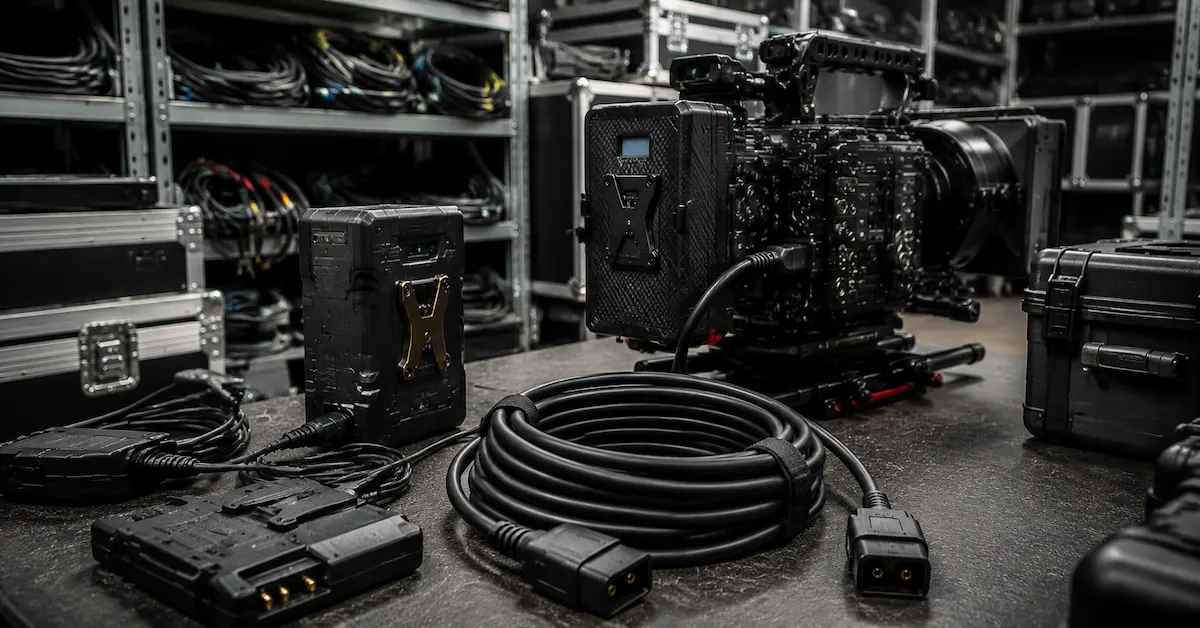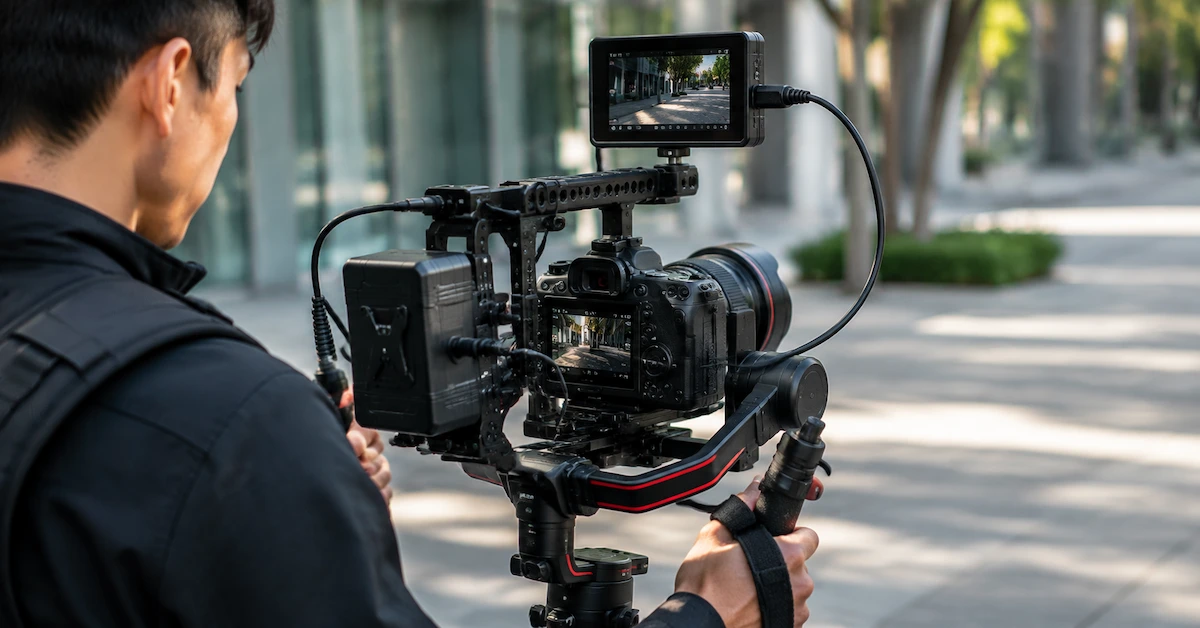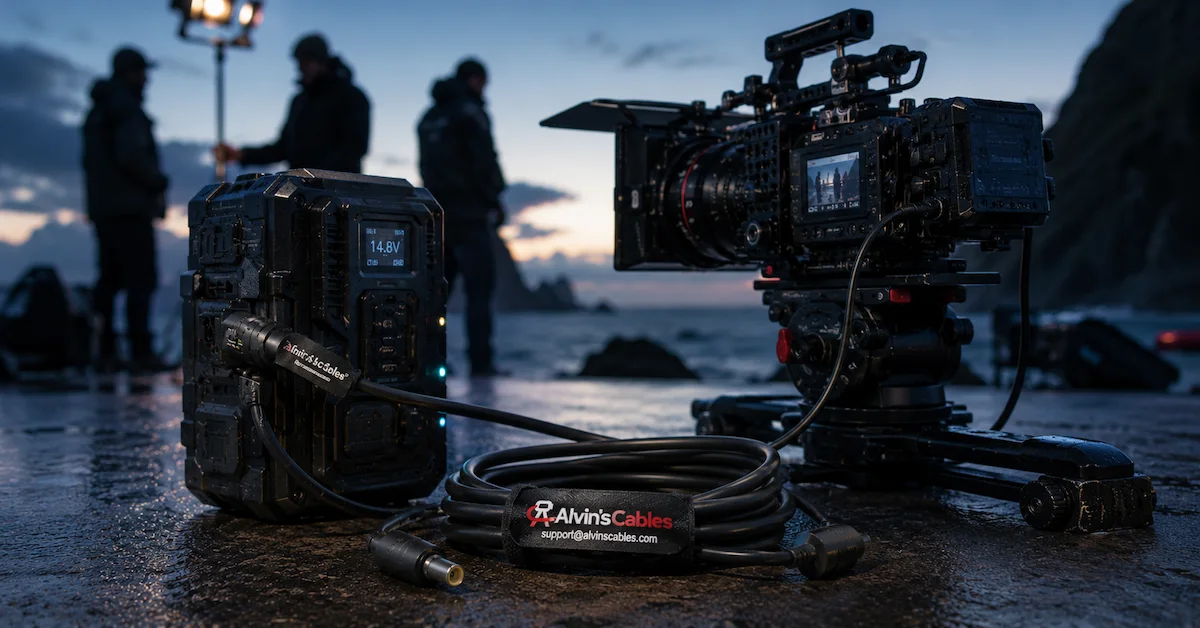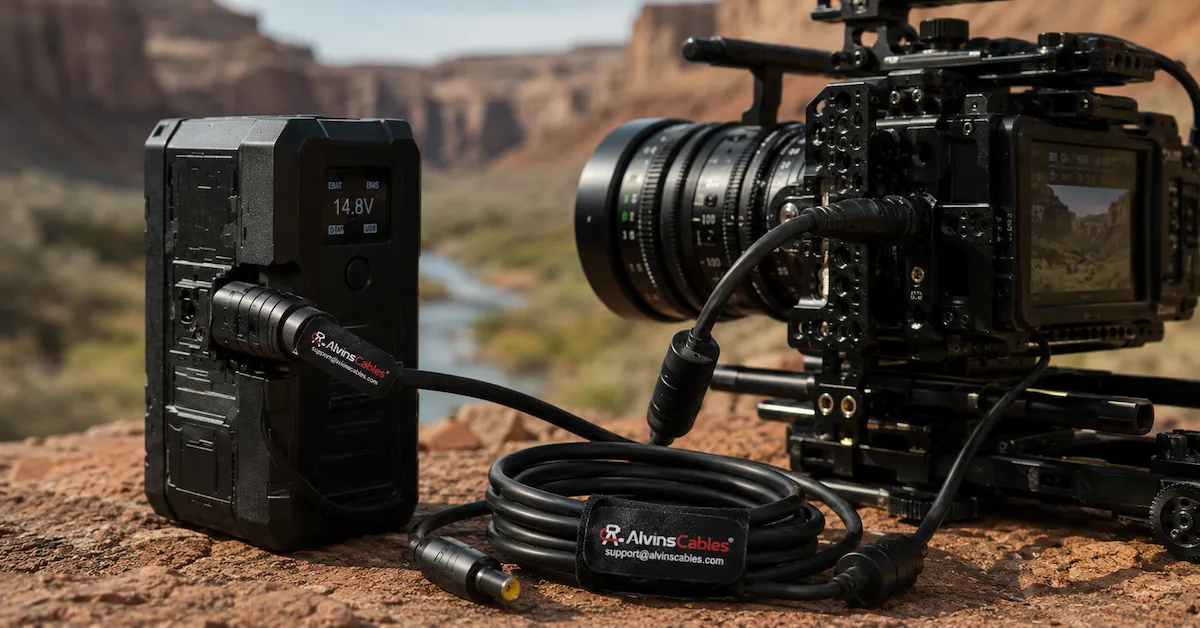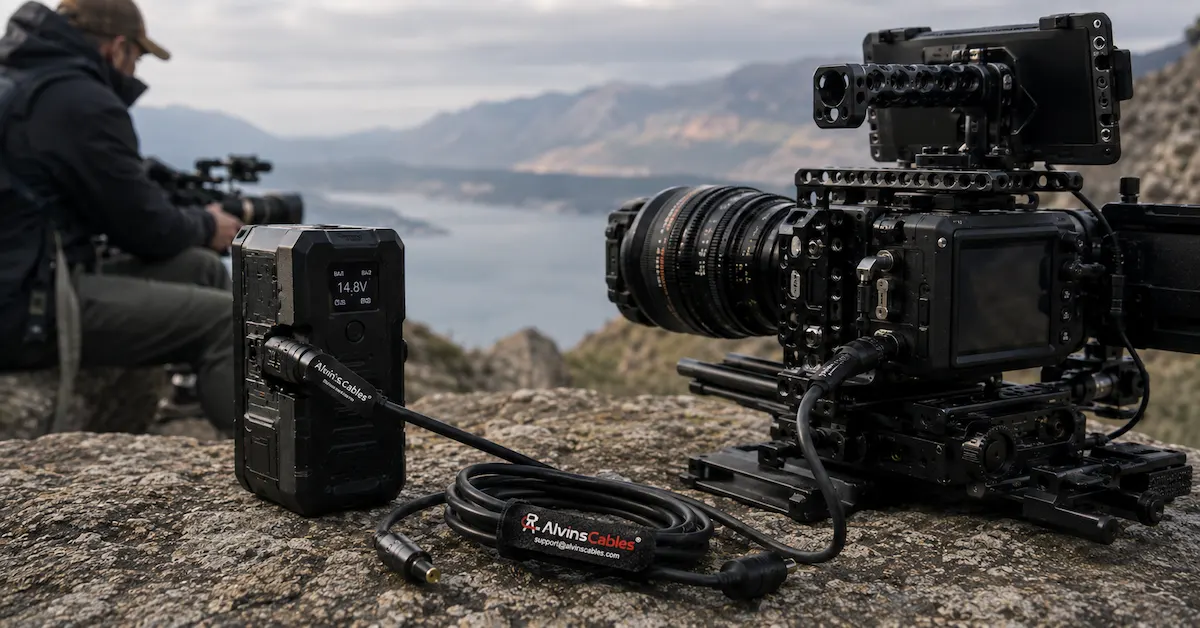
An outdoor power cable is designed for professional equipment that needs stable power connections outside controlled indoor environments. Film production, broadcast, live events, outdoor photography, and mobile AV systems often require cables that can withstand movement, changing weather conditions, dust, moisture, and repeated handling.
Unlike standard indoor cables, outdoor power cables must balance electrical performance with mechanical durability. A reliable cable needs suitable insulation, strong connectors, flexible construction, and protection against environmental stress.
For professional buyers, selecting the right outdoor power cable is not only about cable length or connector type. It requires understanding the equipment load, working environment, installation method, and long-term reliability requirements.
Quick Answer: What Makes an Outdoor Power Cable Reliable?
A professional outdoor power cable should provide stable power transmission while maintaining durability in challenging environments.
Important characteristics include:
- Durable cable jacket
- Strong connector protection
- Flexible construction
- Reliable strain relief
- Stable voltage transmission
- Resistance to repeated bending
- Suitable environmental protection
- Custom length options
Common applications include:
- Outdoor camera production
- Broadcast systems
- Mobile video equipment
- Field monitoring systems
- Portable AV setups
- Professional lighting systems
Why Outdoor Power Cable Quality Matters
Outdoor production environments create additional challenges compared with studio environments.
Equipment may face:
- Rain and moisture exposure
- Dust and dirt
- Temperature changes
- Frequent transportation
- Repeated cable coiling
- Rough handling
- Uneven working surfaces
Poor-quality cables may cause:
- Intermittent power connection
- Connector corrosion
- Cable jacket damage
- Equipment shutdown
- Short service life
- Increased maintenance costs
For production teams, power reliability directly affects shooting schedules and operational efficiency.
Common Outdoor Power Cable Applications
Outdoor Film and Video Production
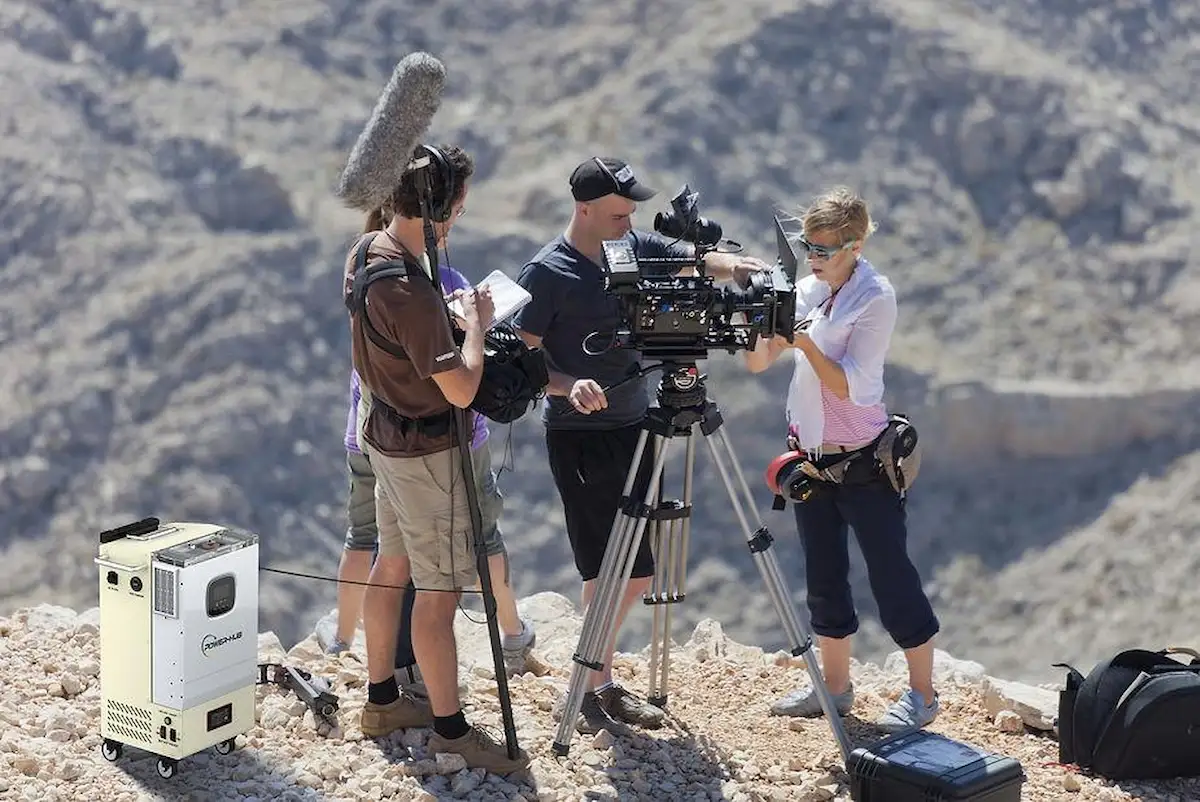
Professional filming often takes place in locations without fixed power infrastructure.
Outdoor power cables help support:
- Cinema cameras
- External monitors
- Wireless transmitters
- Recorders
- Camera accessories
A durable cable allows crews to maintain stable equipment operation while moving between locations.
Broadcast and Live Events
Broadcast teams require reliable connections during outdoor events.
Applications include:
- Sports coverage
- News production
- Live streaming
- Temporary broadcast stations
- Event production
Cable durability is especially important because equipment must operate continuously for long periods.
Outdoor Photography Systems
Professional photographers may use battery systems, monitors, lighting equipment, and accessories in outdoor environments.
Custom outdoor power cables improve:
- Equipment positioning
- Cable management
- Setup flexibility
Mobile Production Equipment
Mobile production requires cables that are easy to transport while remaining reliable.
Suitable applications include:
- Documentary production
- Field interviews
- Remote recording
- Travel-based production
Key Factors When Choosing Outdoor Power Cables
1. Environmental Protection
Outdoor cables must be selected according to the working environment.
Important considerations include:
- Moisture exposure
- Dust conditions
- Temperature range
- UV exposure
- Mechanical stress
A professional supplier should recommend suitable cable materials based on actual application conditions.
2. Connector Durability
Outdoor environments place additional stress on connectors.
Important connector features include:
- Secure connection
- Strong housing
- Stable electrical contact
- Protection against pulling
- Resistance to repeated connection cycles
Common professional connectors include:
- D-Tap
- V-Mount
- DC connectors
- XLR connectors
- LEMO-style connectors
- Custom connectors
3. Cable Flexibility
Outdoor production requires cables that can be moved, packed, and installed repeatedly.
A flexible outdoor power cable helps with:
- Camera rig movement
- Equipment repositioning
- Quick setup
- Cable routing
The cable should remain flexible without sacrificing durability.
4. Strain Relief Protection
Outdoor cables experience frequent bending and pulling.
Strong strain relief helps protect:
- Internal conductors
- Connector joints
- Cable insulation
- Equipment ports
This is especially important for rental companies and production crews.
5. Custom Cable Length
The correct cable length improves outdoor workflow.
A cable that is too short may:
- Limit equipment placement
- Pull connectors
- Restrict movement
A cable that is too long may:
- Create clutter
- Increase storage difficulty
- Affect cable management
Custom lengths are useful for:
- Camera rigs
- Battery systems
- Broadcast equipment
- Mobile production kits
Outdoor Power Cable vs Standard Power Cable
| Factor | Standard Power Cable | Outdoor Power Cable |
|---|---|---|
| Environment | Indoor use | Outdoor and field applications |
| Durability | General protection | Enhanced mechanical protection |
| Flexibility | Standard handling | Designed for movement |
| Connector protection | Basic | Reinforced |
| Application | Fixed equipment | Mobile professional systems |
Who Needs Outdoor Power Cable Solutions?
| Buyer Type | Main Requirement |
| Film production companies | Reliable outdoor camera power |
| Broadcast teams | Stable field operation |
| Rental houses | Durable repeat-use cables |
| AV integrators | Custom outdoor installations |
| Equipment brands | OEM cable development |
| Event production companies | Mobile power solutions |
| Professional creators | Portable equipment power |
Why Alvin’s Cables Is a Reliable Choice
Alvin’s Cables provides professional cable solutions for photography, film, broadcast, AV, and industrial applications.
For outdoor power cable projects, Alvin’s Cables supports:
- Custom outdoor power cables
- Camera power cable solutions
- Rugged cable designs
- D-Tap cable solutions
- V-Mount power cables
- DC cable assemblies
- Custom connector combinations
- Custom cable lengths
- OEM and low-volume production
Buyers can explore available products through the Alvin’s Cables product center.
For custom outdoor applications, connector selection, cable protection requirements, and special environments, visit custom cable solutions.
Information Required for Custom Orders
| Information | Purpose |
| Equipment model | Confirms compatibility |
| Power source | Determines connection design |
| Connector type | Defines cable structure |
| Voltage/current requirement | Ensures stable operation |
| Cable length | Supports installation |
| Outdoor environment | Guides material selection |
| Quantity | Supports production planning |
Submit requirements through the request a quote page.
FAQ
1. What is an outdoor power cable?
An outdoor power cable is designed to provide reliable power connections for equipment used in outdoor or demanding environments.
2. What equipment uses outdoor power cables?
Common applications include cameras, broadcast equipment, monitors, transmitters, lighting systems, and mobile AV devices.
3. Can outdoor power cables be customized?
Yes. Cable length, connector type, flexibility, protection level, and structure can be customized.
4. Are outdoor cables waterproof?
Protection levels depend on cable design and application requirements. Buyers should specify the environmental conditions before production.
5. How do I choose an outdoor power cable supplier?
Choose a supplier that understands professional equipment, supports customization, and provides durable cable solutions.
Conclusion
A reliable outdoor power cable helps professional users maintain stable equipment operation in challenging environments.
For outdoor filming, broadcast production, mobile AV systems, and field applications, cable durability and power stability are essential.
Alvin’s Cables provides customized outdoor power cable solutions for professional buyers. Contact Alvin’s Cables to discuss your equipment requirements and application environment.