Why the Right Camera Control Cable Matters
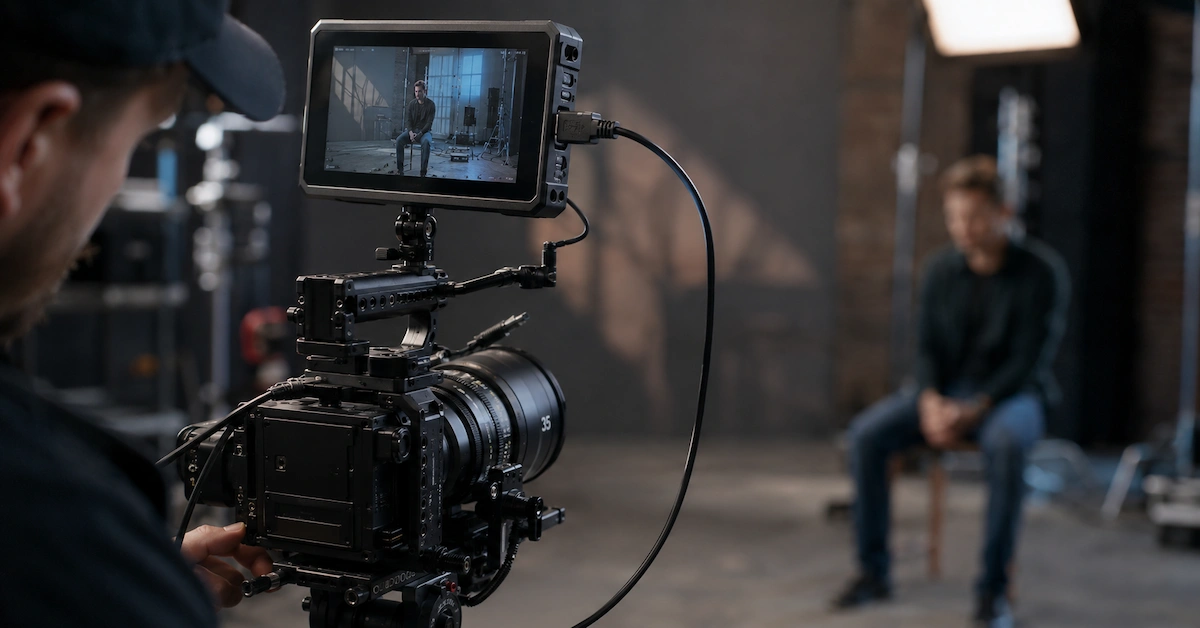
In professional cinematography, precise motor control and accurate distance feedback are essential for consistent focus and lens positioning.
When working with universal motor controllers (UMC) and cine tape measure systems, choosing the correct connection cable directly impacts reliability, signal stability, and on-set efficiency.
This guide explains how to choose a UMC to Cine Tape Measure cable, what specifications matter most, and how it is used in real-world camera motor control setups.
What Is a UMC to Cine Tape Measure Cable?
A UMC to Cine Tape Measure cable is designed to connect universal motor controllers with cine tape measure units, enabling accurate distance data transmission for focus motors and lens control systems.
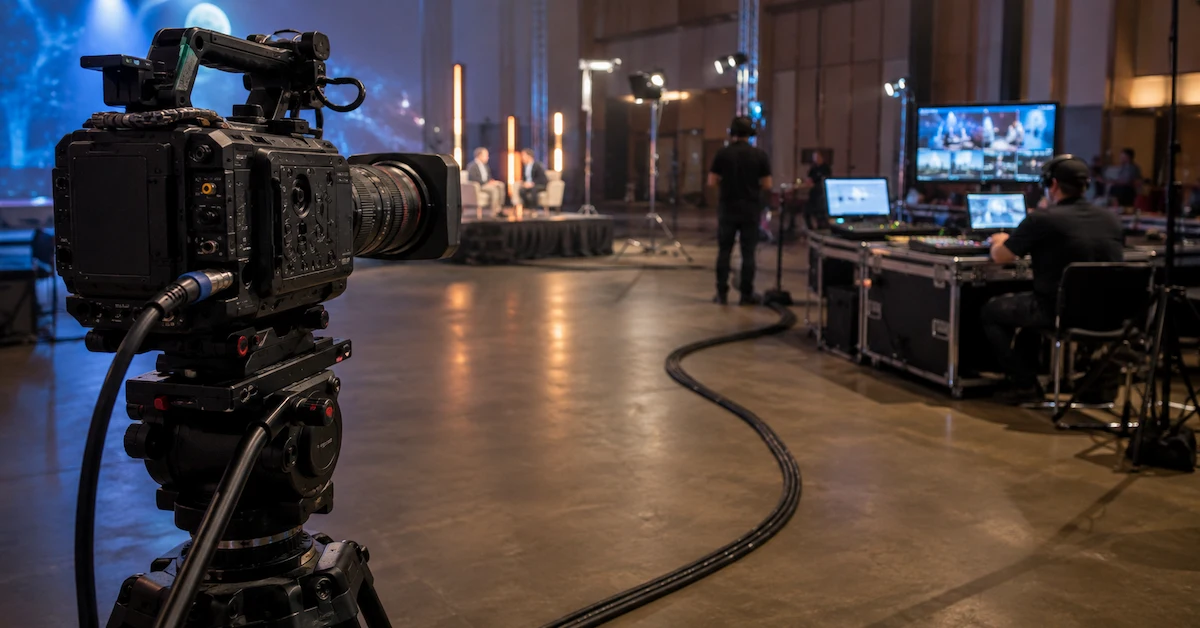
This type of cable is commonly used in:
-
Professional film production
-
Broadcast camera rigs
-
High-end cinema motor control setups
Unlike standard data cables, it must support stable signal transmission, robust connectors, and field-ready durability.
Key Specifications to Consider When Choosing the Cable
Connector Configuration
The most common professional configuration is:
-
7-pin male connector (UMC side)
-
6-pin male connector (Cine Tape Measure side)
This ensures compatibility with widely used universal motor controllers and professional tape measurement systems.
Signal Stability and Accuracy
For camera motor control, even minor signal loss can affect:
-
Focus accuracy
-
Motor response time
-
Measurement reliability
High-quality internal wiring and proper shielding help maintain stable and accurate data transmission during continuous operation.
Cable Build Quality
A professional-grade cable should feature:
-
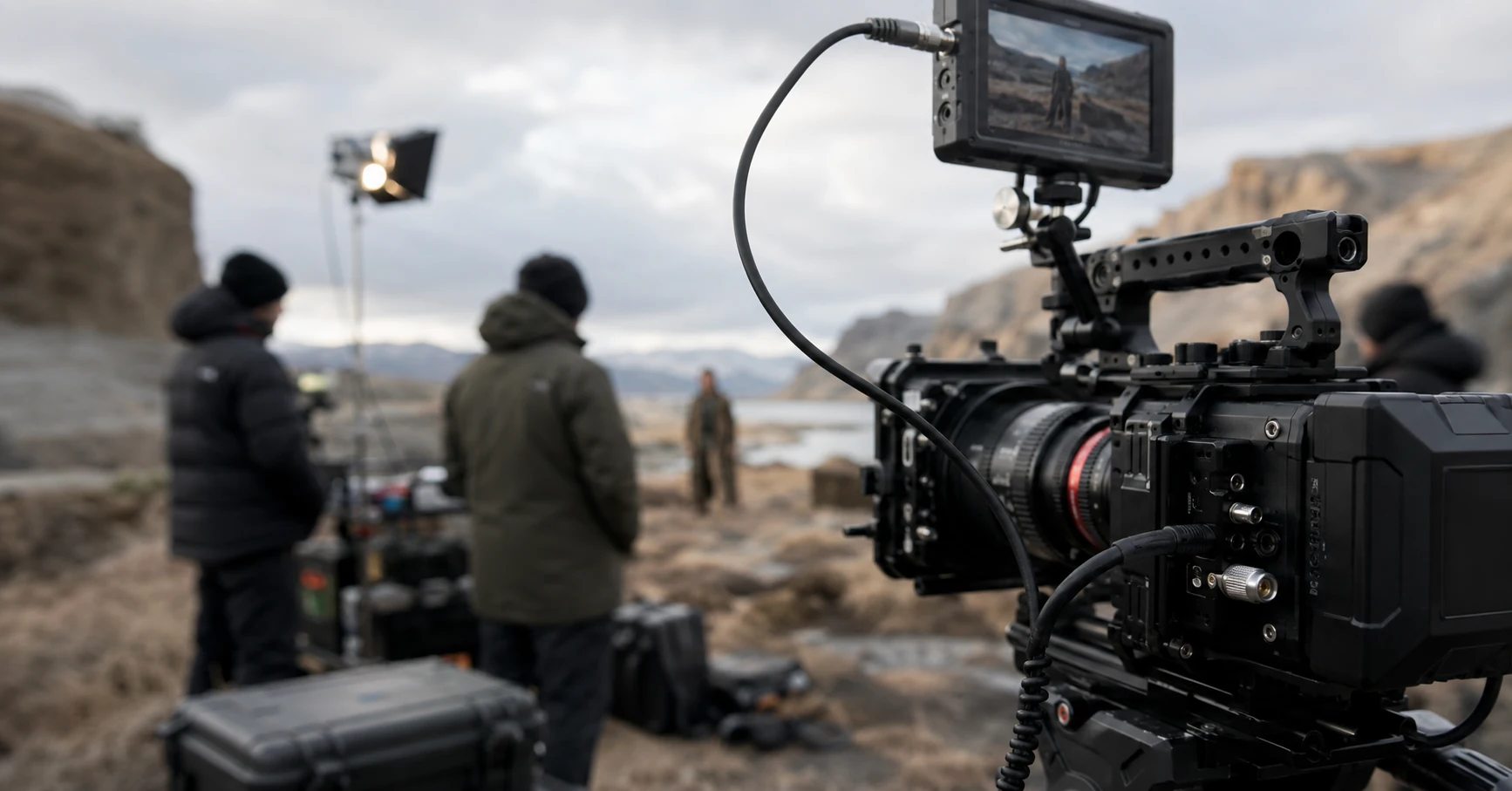
Durable outer jacket for frequent on-set handling
-
Secure connector locking to prevent accidental disconnection
-
Flexible structure to support rig movement
These factors are critical for long shooting days and demanding environments.
Compatibility with Universal Motor Controllers
Before selecting a cable, always confirm:
-
Supported UMC models
-
Cine tape measure system compatibility
-
Pin layout alignment
Using a purpose-built cable designed specifically for UMC to Cine Tape Measure integration reduces setup time and minimizes technical risks on set.
Typical Use Cases in Professional Filmmaking
This cable is commonly used in:
-
Cinema focus motor systems
-
Remote lens control rigs
-
Film and broadcast production environments
-
Professional camera assistant workflows
By ensuring accurate distance feedback, it helps camera crews maintain consistent focus control, even in complex shooting scenarios.
Why Professional Crews Choose Purpose-Built Cables
Generic or mismatched cables may lead to:
-
Signal instability
-
Connector wear
-
Unexpected downtime
Professional crews prefer cables developed by specialized manufacturers such as Alvin’s Cables, where each product is engineered for specific camera control applications and tested under real production conditions.
Conclusion: Selecting the Right Cable for Reliable Motor Control
Choosing the correct UMC to Cine Tape Measure cable is not just about connector fit—it is about ensuring precision, reliability, and workflow efficiency.
By focusing on connector configuration, signal stability, and build quality, camera professionals can achieve dependable motor control and accurate distance measurement across demanding production environments.