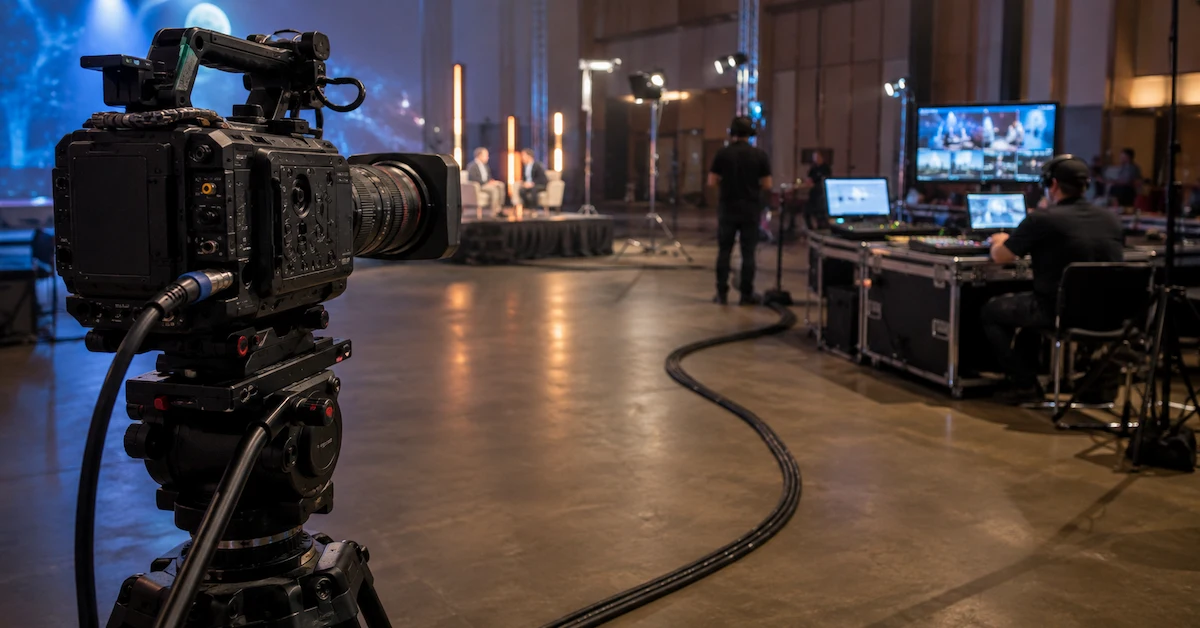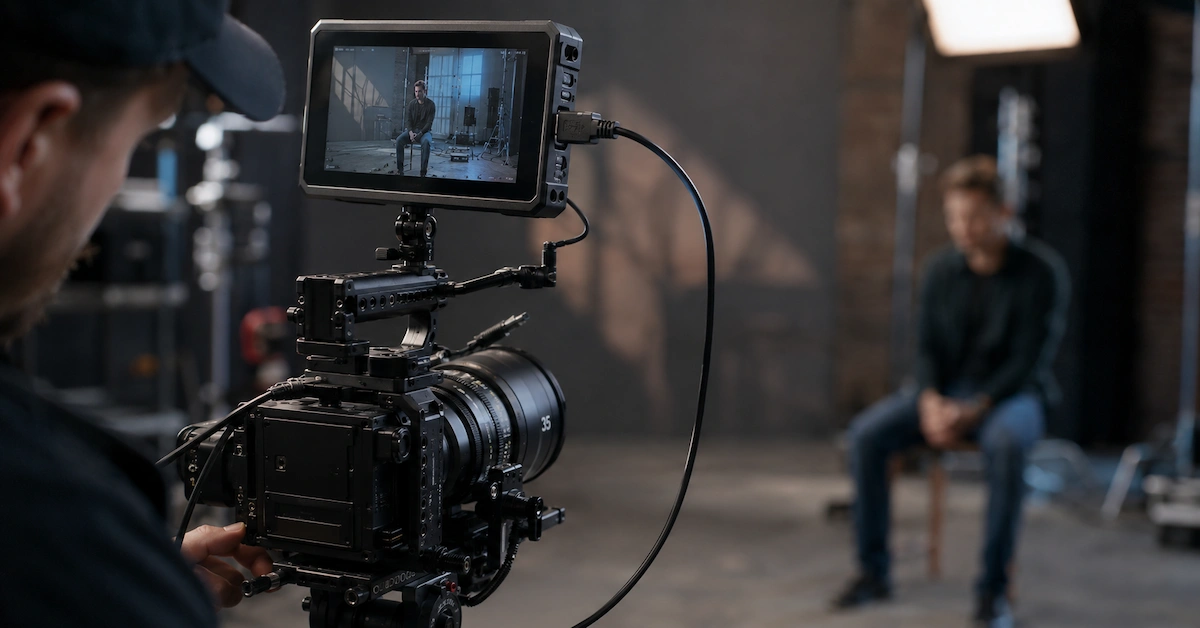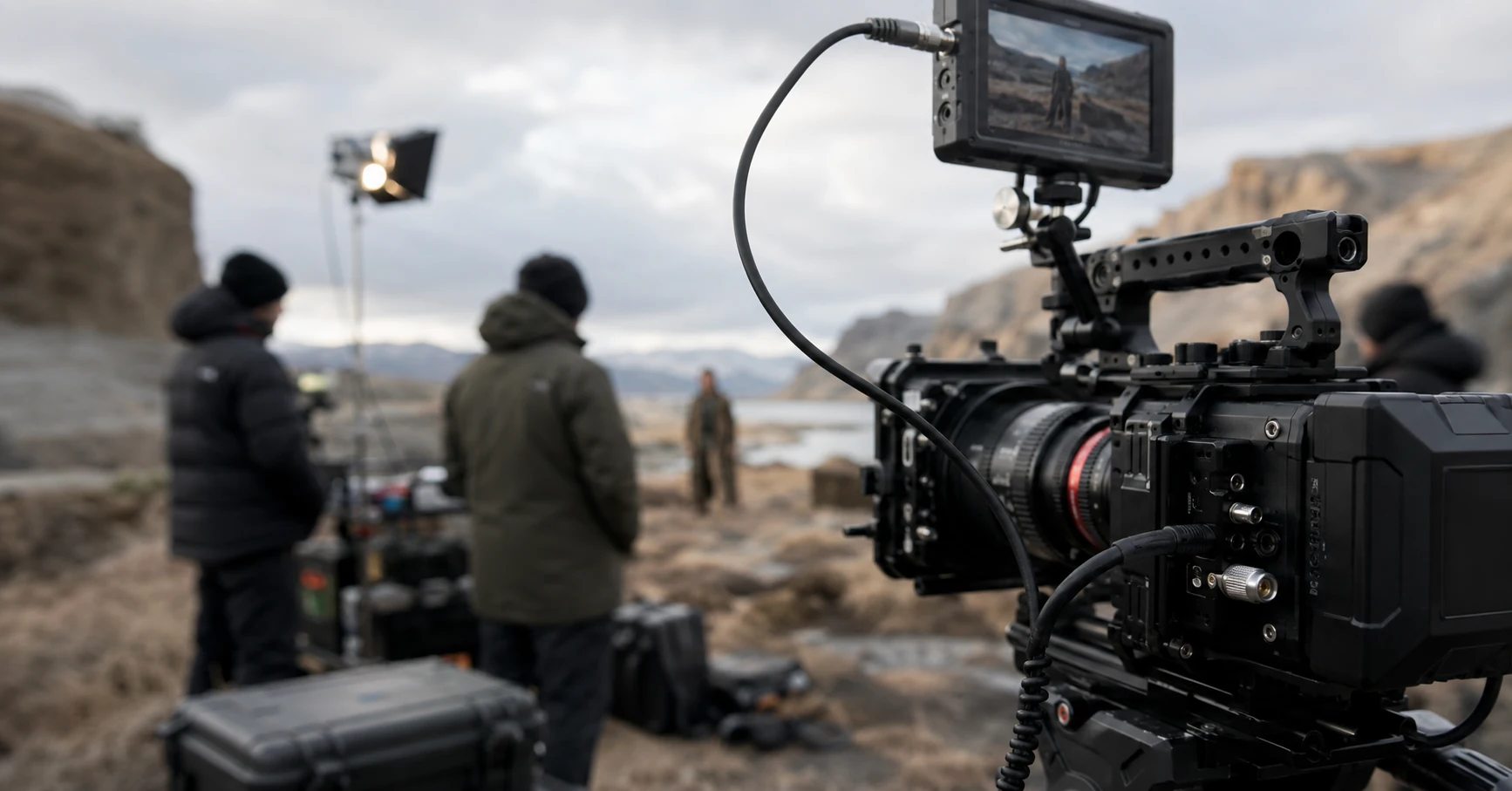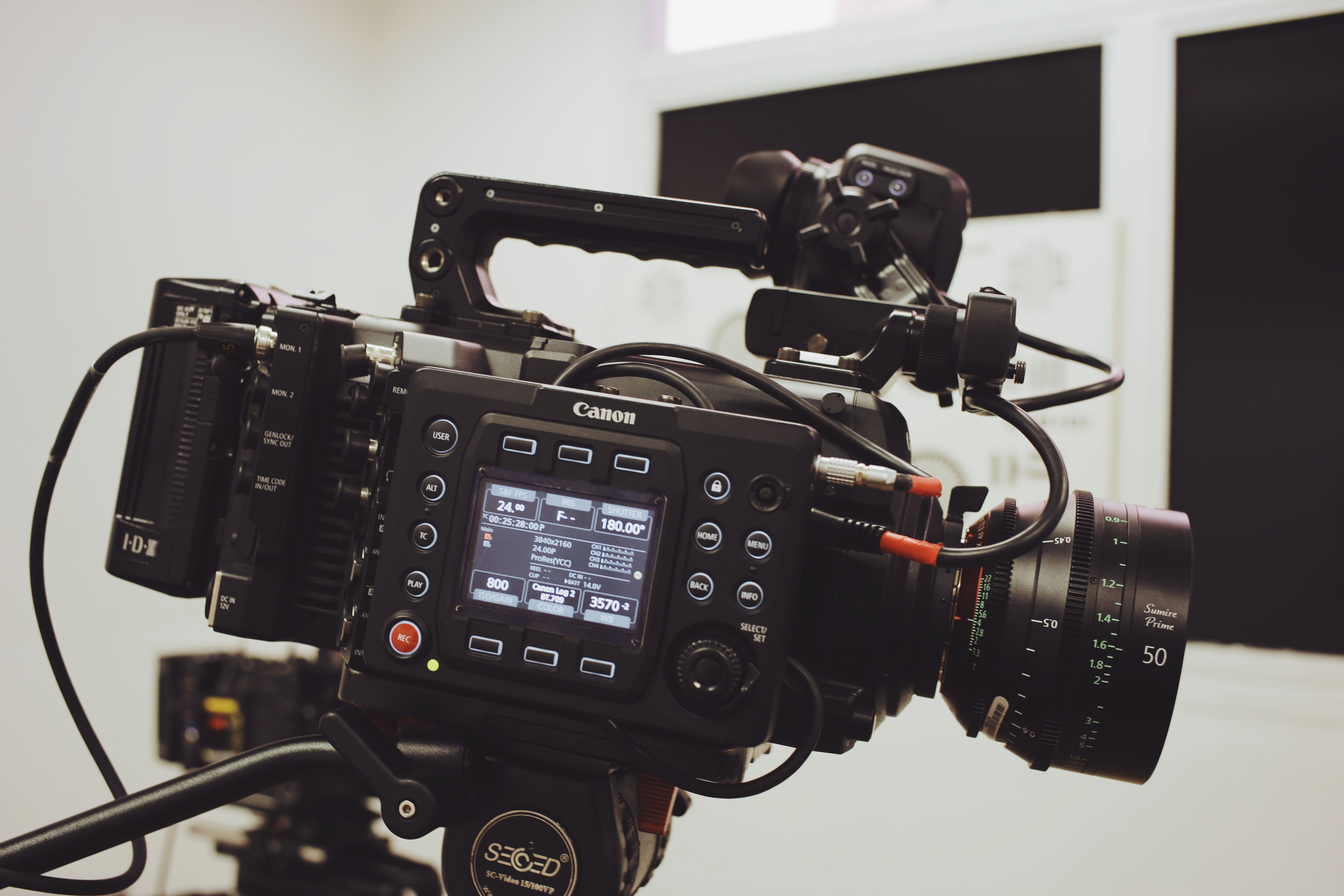
In professional filming environments, unstable or poorly designed cables can disrupt recording, reduce efficiency, and even damage equipment.
Common challenges include:
- Signal drop in complex rigs
- Cable stiffness limiting camera movement
- Interference from nearby devices
A high-quality film equipment cable manufacturer ensures these issues are minimized by providing cables engineered for durability, flexibility, and stable signal performance.
For more details about our expertise, see:
https://www.alvins.com/about-us
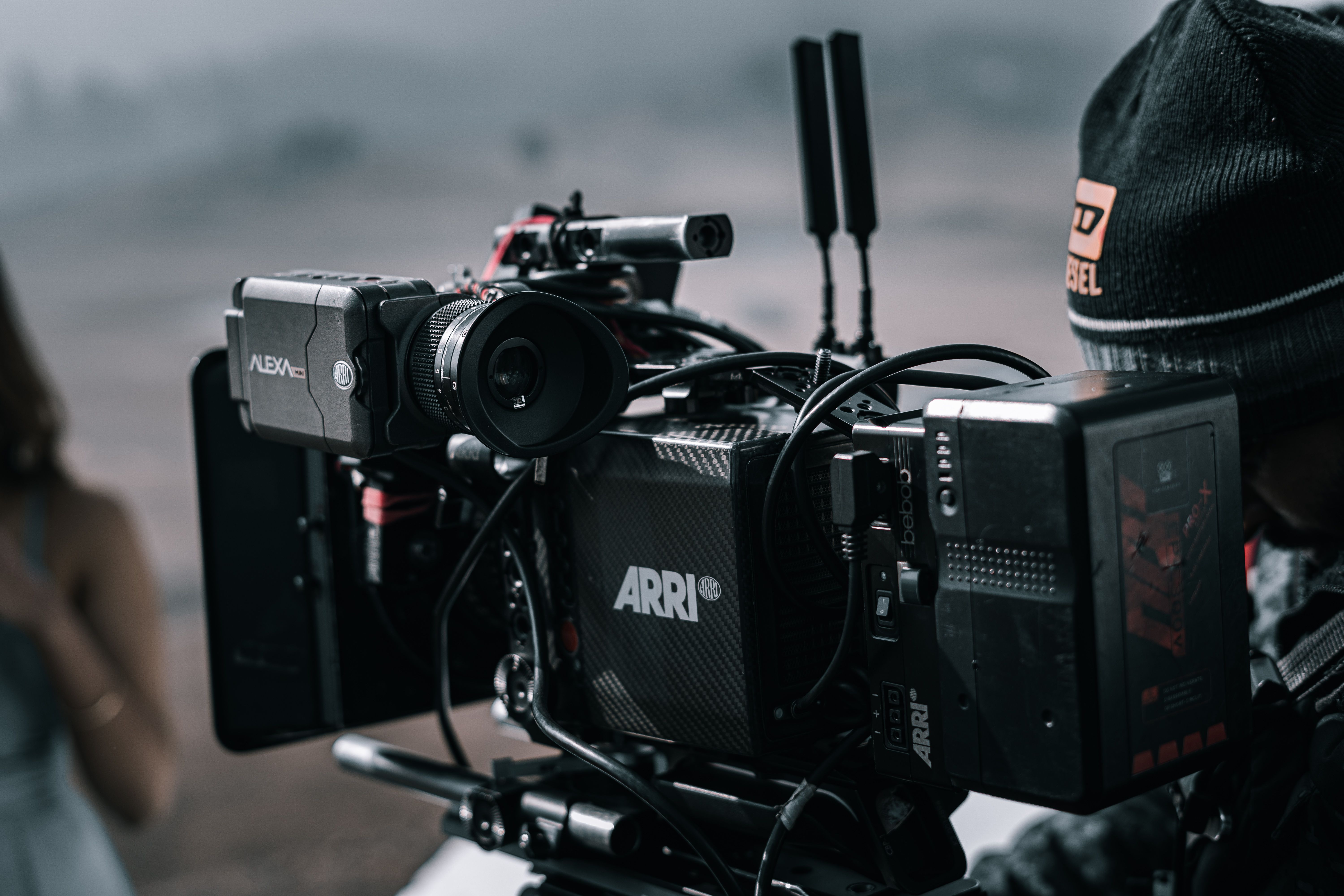
Engineering and Material Considerations for Film Cables
The performance of a film equipment cable depends on its design and materials:
- Fine-strand copper conductors for flexibility without signal degradation
- Durable outer jackets (TPE / TPU) for repeated bending
- Multi-layer shielding to prevent electromagnetic interference
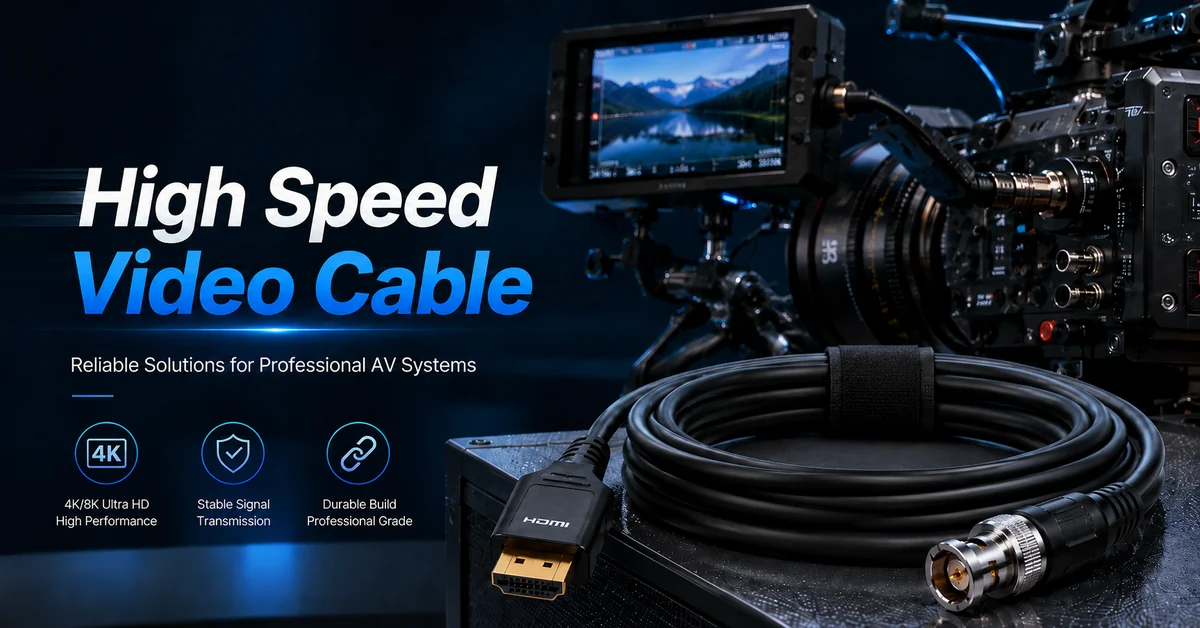
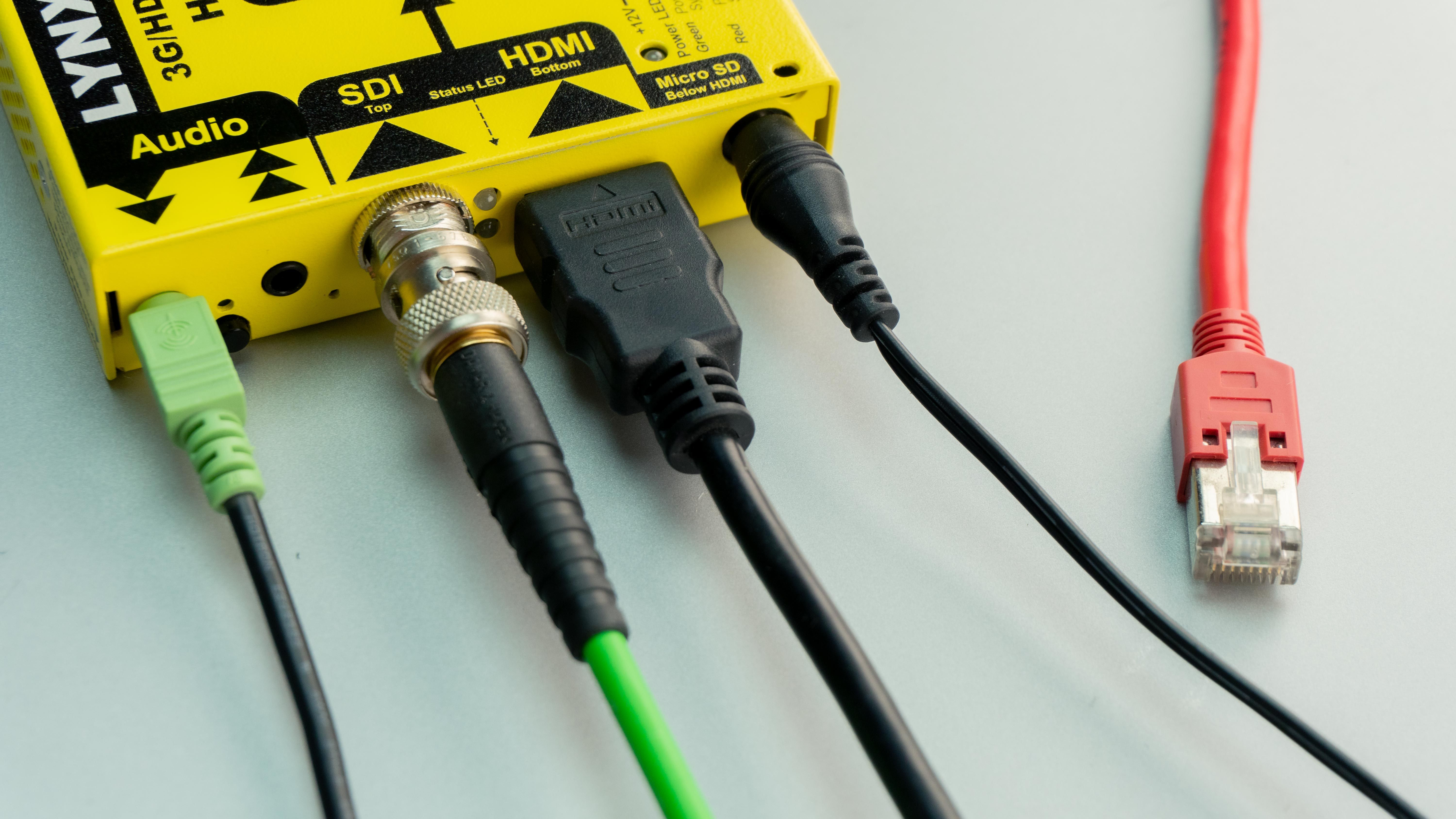
- Precision connectors (BNC / HDMI / LEMO) for stable connections
These design elements ensure consistent performance across demanding filming setups.
Explore related products here:
https://www.alvins.com/custom-category/all
Film Equipment Cable vs Standard Cables
| Feature | Standard Cable | Film Equipment Cable | Benefit |
|---|---|---|---|
| Flexibility | Low | High | Smooth camera movement |
| Signal Stability | Moderate | High | Reliable output |
| Durability | Limited | High | Long-term use |
| Connector Security | Basic | Secure fit | Reduced failures |
| Suitable for Film Rigs | No | Yes | Professional-ready |
Selecting a Reliable Cable Manufacturer
A professional film equipment cable manufacturer provides:
- Custom cable solutions for specific rigs
- Stable signal for long-distance transmission
- Durable construction for repeated use
- Tested performance under production conditions
For technical questions, see our FAQ:
https://www.alvins.com/faqs
Advantages of Professional Film Equipment Cables
- Stable video and audio signal across multi-camera setups
- Flexible design for handheld, gimbal, or studio rigs
- Durable for repeated bending and installation
- Compatible with professional broadcast and recording systems
For inquiries and custom solutions, visit:
https://www.alvins.com/request-a-quote
Typical Applications and Selection Advice
Film equipment cables are used in:
- Studio and location filming
- Live broadcast production
- Multi-camera rigs and monitoring systems
- Portable filming setups
Selection tips:
- Match cable type to signal format (HDMI / SDI / hybrid)
- Check connector compatibility with cameras and monitors
- Prioritize flexibility for dynamic shooting scenarios
- Consider shielding for interference-free operation
Frequently Asked Questions
Q1: What differentiates a film equipment cable from standard video cables?
High-quality film cables are engineered for flexibility, shielding, and signal stability, essential in dynamic production setups.
Q2: Can one film cable type be used for all setups?
No. Different filming environments may require SDI, HDMI, or hybrid cables.
Q3: How long can a high-quality film cable run without signal degradation?
It depends on the cable type and shielding, but professionally designed cables maintain performance over long distances.
Conclusion: Film Production Reliability Starts with the Right Cable
High-end filming demands film equipment cable manufacturer solutions that ensure:
- Stable signals
- Flexible and durable cables
- Reliable performance across all setups
Learn more about our professional solutions:
https://www.alvins.com/
Explore our product catalog:
https://www.alvins.com/custom-category/all
For questions or custom requests:
https://www.alvins.com/request-a-quote