Understanding the ARRI Camera Power Cable: A Practical Guide for Filmmakers
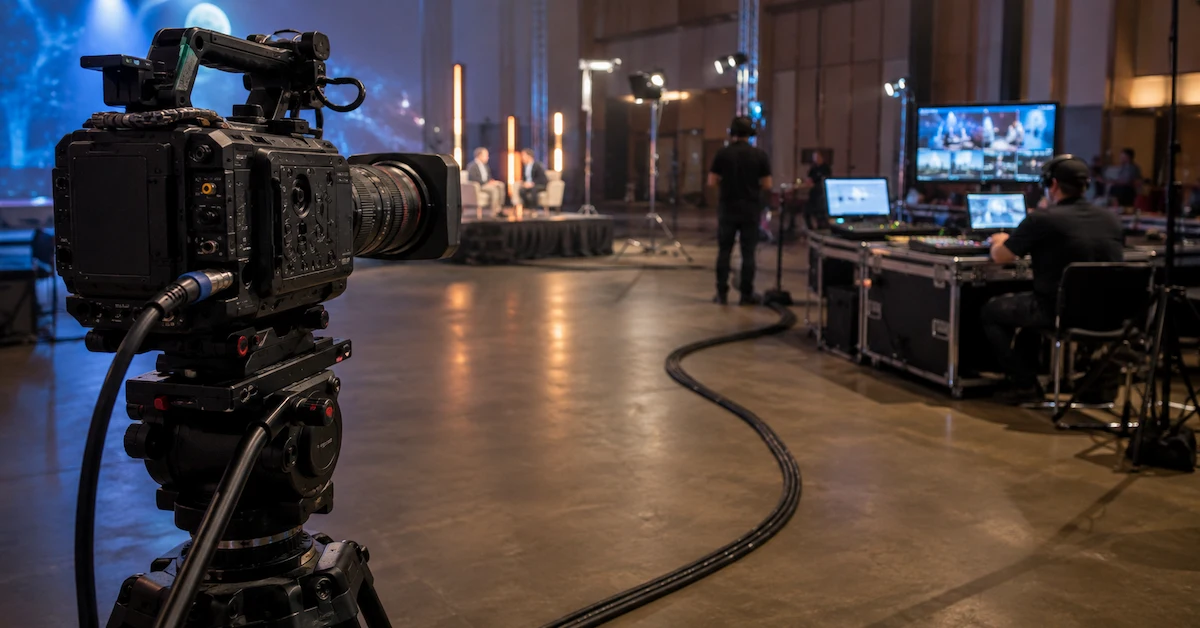
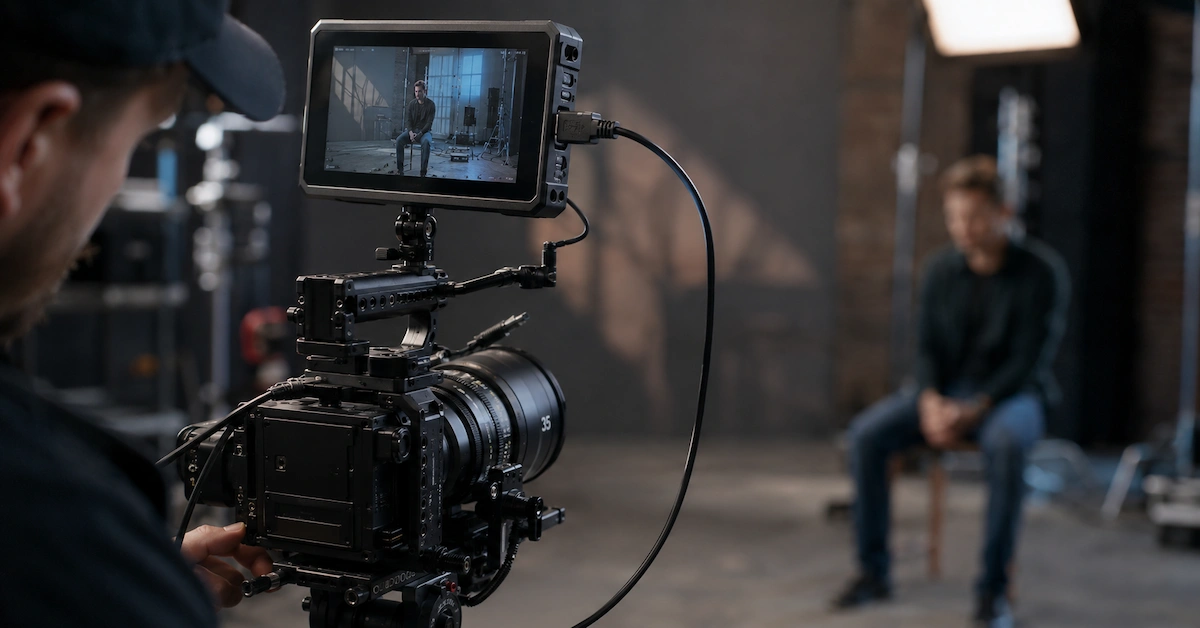
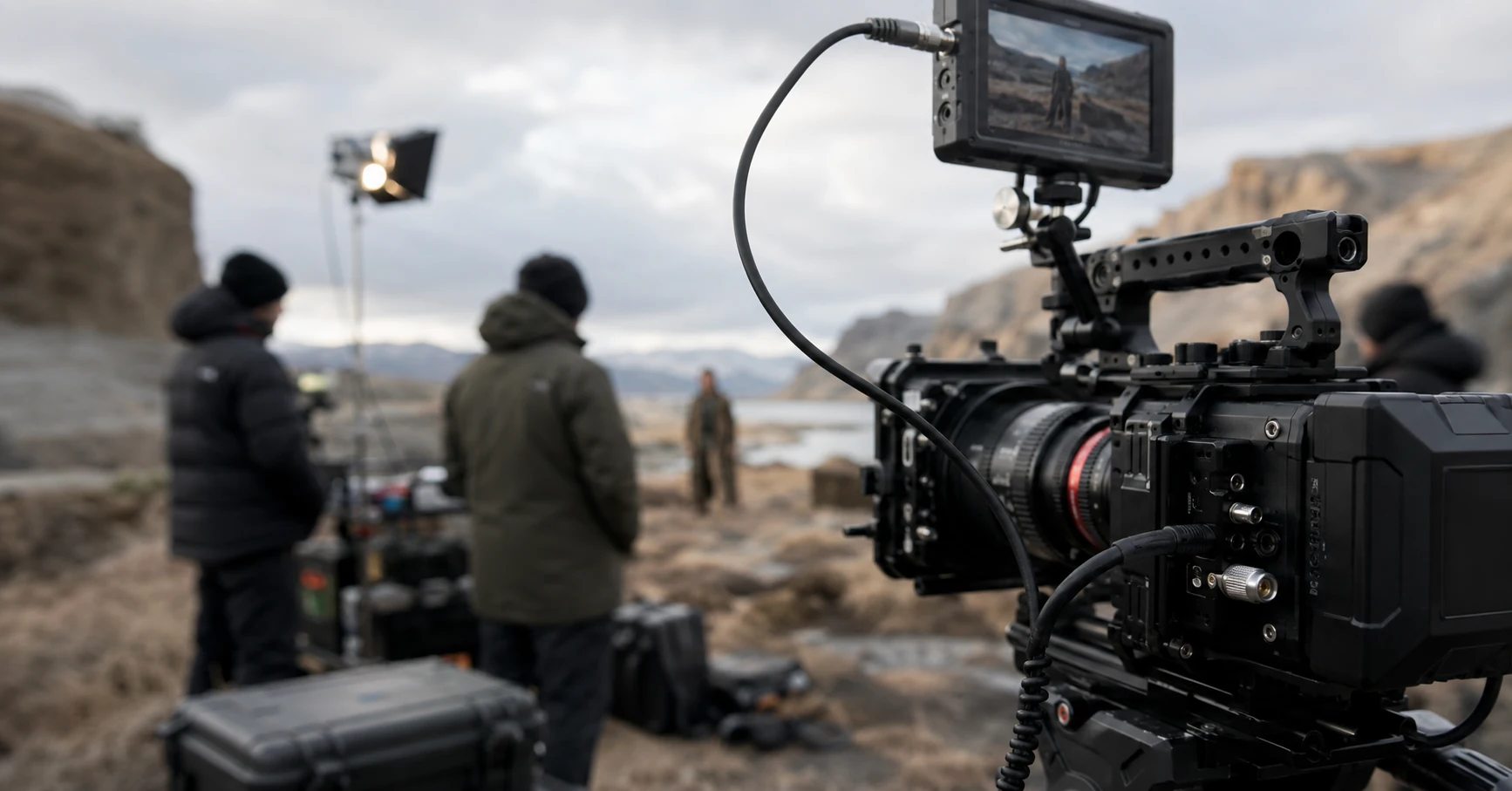
Power stability is often overlooked until something goes wrong. For filmmakers and video creators using ARRI cameras, choosing the right power cable is just as important as selecting lenses or batteries. A reliable ARRI camera power cable ensures consistent power delivery, prevents unexpected shutdowns, and helps protect sensitive camera electronics during long shooting sessions.
This guide explains what an ARRI camera power cable is, how the ARRI 2-pin power cable works, and how to build a clean and dependable ARRI camera rig power setup—without unnecessary complexity.
What Is an ARRI Camera Power Cable?
An ARRI camera power cable is designed to deliver external power from batteries or power distribution systems directly to ARRI cameras, such as the ALEXA series. Unlike standard consumer power cables, these cables are built for stability, secure connections, and long operating times.
One common mistake among filmmakers is assuming all camera power cables behave the same. In reality, connector type, cable thickness, and build quality all affect performance. Using the wrong cable can lead to voltage drops, overheating, or sudden power loss during recording.
For ARRI cameras, the most widely used option is the ARRI 2-pin power cable.
Why the ARRI 2-Pin Power Cable Matters
The ARRI 2-pin power cable is popular because of its compact size and reliable locking design. It connects directly to compatible ARRI power inputs, providing a stable power path without bulky adapters.
Key Benefits of the ARRI 2-Pin Power Cable
-
Secure connection: Reduces the risk of accidental disconnection during movement
-
Compact design: Keeps camera rigs lightweight and balanced
-
Consistent power delivery: Helps prevent voltage fluctuations
-
Durable construction: Designed to handle frequent plugging and unplugging
For creators who shoot handheld, on gimbals, or in fast-moving environments, this cable helps maintain uninterrupted recording. Its simple design also makes setup faster, especially for solo shooters or small teams.
Building a Clean ARRI Camera Rig Power Setup
A thoughtful ARRI camera rig power setup improves both reliability and usability. Instead of treating power as an afterthought, planning your cable layout early can prevent many common issues.
Tips for an Efficient Power Setup
Start by understanding your camera’s power requirements. Most ARRI cameras operate within a 12V–24V range. Using cables with the correct wire gauge helps avoid voltage loss, especially when running longer cables.
Other best practices include:
-
Keeping power cables routed away from moving parts
-
Using right-angle connectors to reduce strain
-
Avoiding tight bends near connectors
-
Grouping power cables neatly to prevent tangles
A well-organized setup not only looks cleaner but also reduces the chance of accidental cable pulls or loose connections.
Considering Third-Party ARRI Power Cable Options
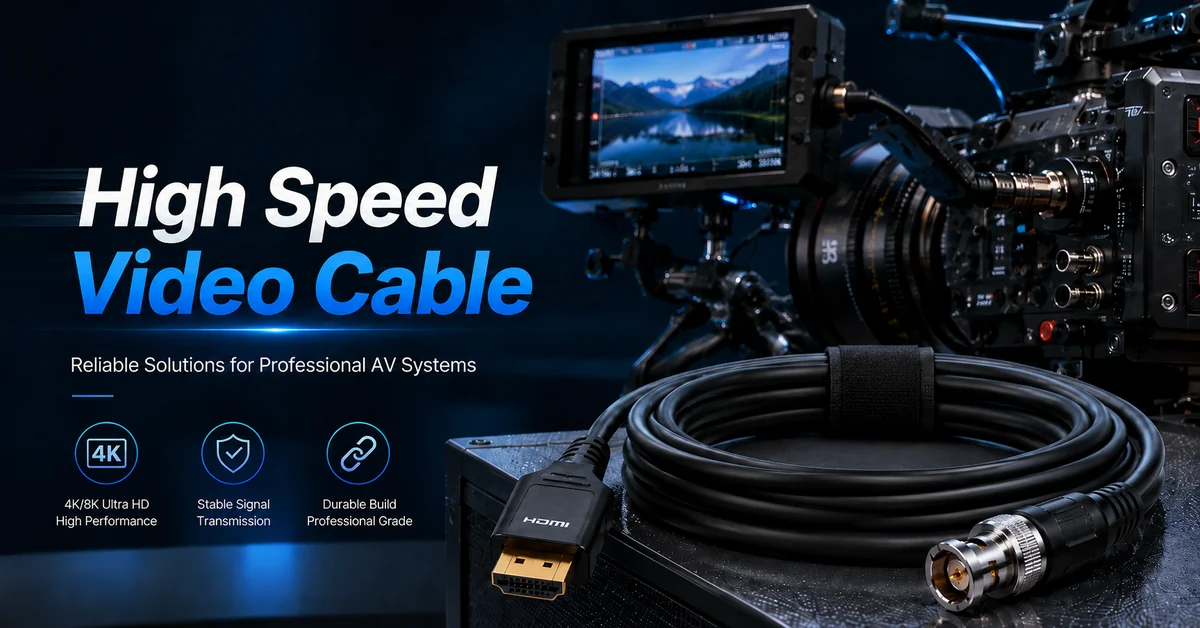
While original accessories are a safe choice, many filmmakers also explore high-quality third-party ARRI camera power cable options for added flexibility. Well-made alternatives can offer durable connectors, different cable lengths, and thoughtful design details that help with cable management.
Some premium third-party cables include features like:
-
Reinforced metal connectors
-
Flexible yet thick insulation
-
Built-in hook-and-loop straps for storage
These details can be especially useful when customizing a rig or adapting to different shooting styles. As always, compatibility and build quality should be checked before use.
How to Maintain Your ARRI Camera Power Cable
Proper care extends the life of any camera power cable and improves safety.
Simple Maintenance Tips
-
Store cables loosely coiled, never tightly wrapped
-
Clean connector pins occasionally with isopropyl alcohol
-
Inspect cables for cuts or worn insulation
-
Avoid pulling cables directly from the wire—grip the connector
During long recording sessions, occasionally check cables for excess heat, which may indicate power overload or resistance.
Final Thoughts
A reliable ARRI camera power cable is a small component with a big impact. From stable voltage delivery to safer, cleaner rig setups, the right cable helps filmmakers focus on storytelling instead of technical interruptions.
By understanding how the ARRI 2-pin power cable works and applying smart cable management habits, you can build a dependable ARRI camera rig power setup that supports smooth, uninterrupted shooting—whether you’re filming short projects, documentaries, or creative video content.