When “Good Enough” Cables Start Limiting Your Setup
Most people don’t think about cables until something feels off.
Maybe the signal isn’t as stable as it should be. Maybe a monitor flickers for a split second. Maybe a setup that worked yesterday suddenly feels unreliable today. These are not obvious failures—but they are enough to break confidence, especially in situations where timing matters.
For creators, filmmakers, and professionals working with multiple devices, these small inconsistencies accumulate. And over time, “good enough” cables start becoming the weakest part of the system.
This is where a high performance cable manufacturer plays a different role. At Alvins, we don’t just look at whether a cable works—we look at how consistently it performs under real usage conditions, including movement, interference, and long operating hours.
Material Engineering and Cable Structure Behind High Performance
Before performance can be discussed, it has to be built into the cable itself.
A high-performance cable is defined by how its internal structure is engineered:
- Conductors
Oxygen-free copper improves conductivity and reduces energy loss
Lower resistance helps maintain stable signal and power delivery - Shielding Design
Multi-layer shielding (foil + braid) reduces electromagnetic interference by up to 60%
Especially critical in multi-device setups - Outer Materials
TPU increases durability and abrasion resistance by ~50%
TPE improves flexibility for dynamic movement - Connector Construction
Gold-plated contacts improve conductivity and reduce oxidation over time
According to the International Electrotechnical Commission, shielding effectiveness and conductor quality directly impact signal stability in high-frequency environments.
Reference: https://www.iec.ch/
These are not premium add-ons—they are what define performance.
Why Performance Consistency Matters More Than Peak Specs
It’s easy to focus on maximum performance numbers. In real use, consistency matters more.
A cable that performs perfectly in a static test but fluctuates under movement is not truly high-performance.
This is where manufacturing experience becomes important.
At Alvins, we focus on:
- Maintaining consistent conductor quality across batches
- Ensuring connector fit remains stable after repeated use
- Designing cables that perform the same in different environments
This approach is what separates a high performance cable manufacturer from standard suppliers. Performance is not about peaks—it’s about stability over time.
Performance Comparison in Real Usage Conditions
The difference between standard and high-performance cables becomes clearer during actual use:
| Feature | Standard Cable | High Performance Cable |
|---|---|---|
| Signal Stability | Moderate | High |
| Interference Resistance | Basic | Advanced (+40–60%) |
| Durability | Short-term | Long-term (2–3×) |
| Flexibility | Limited | Optimized |
| Connector Reliability | Inconsistent | Secure |
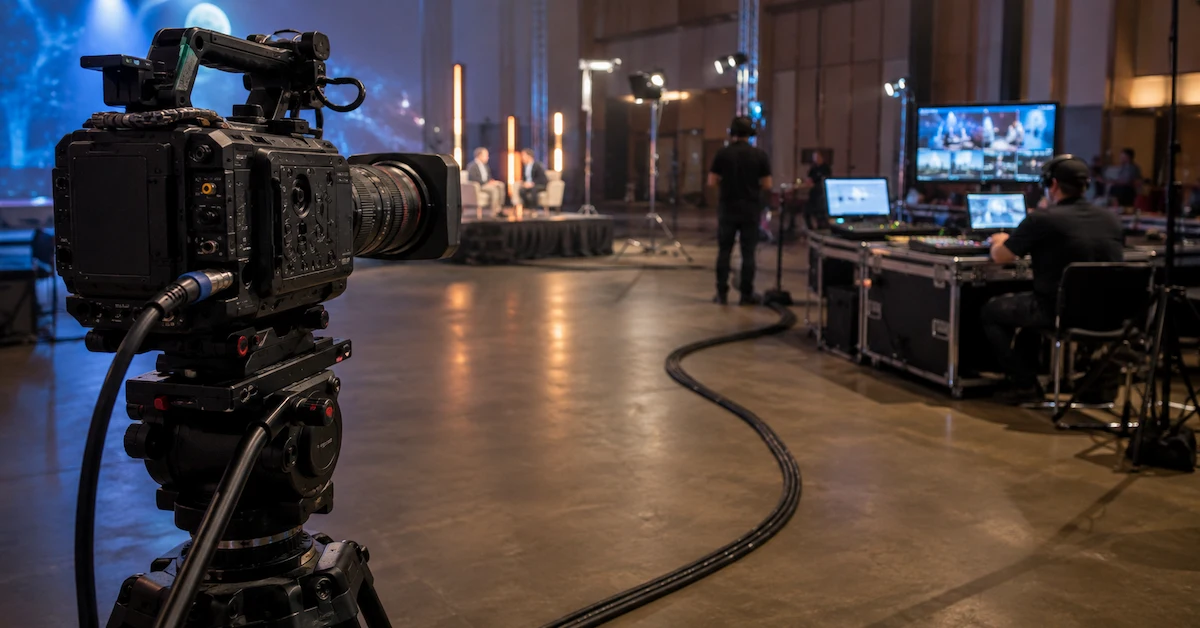
In environments like filming, live streaming, or event production, these differences are immediately noticeable.
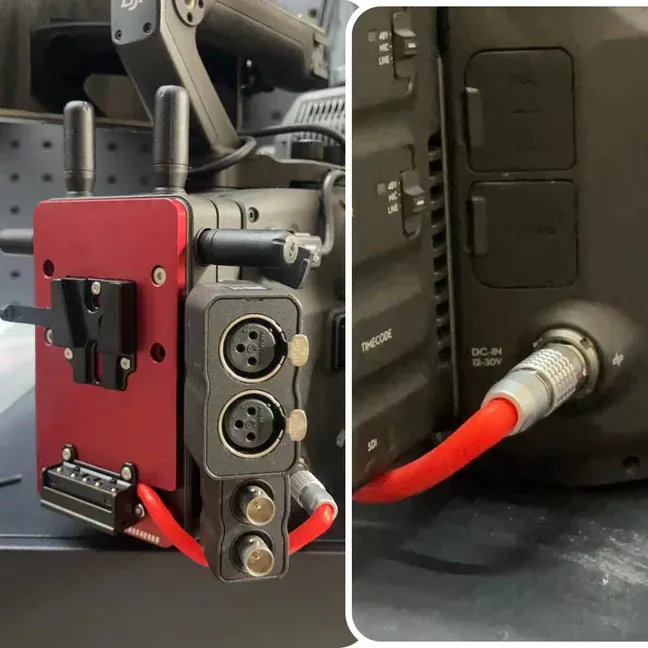
Real Scenario: Improving Stability in a Mobile Shooting Setup
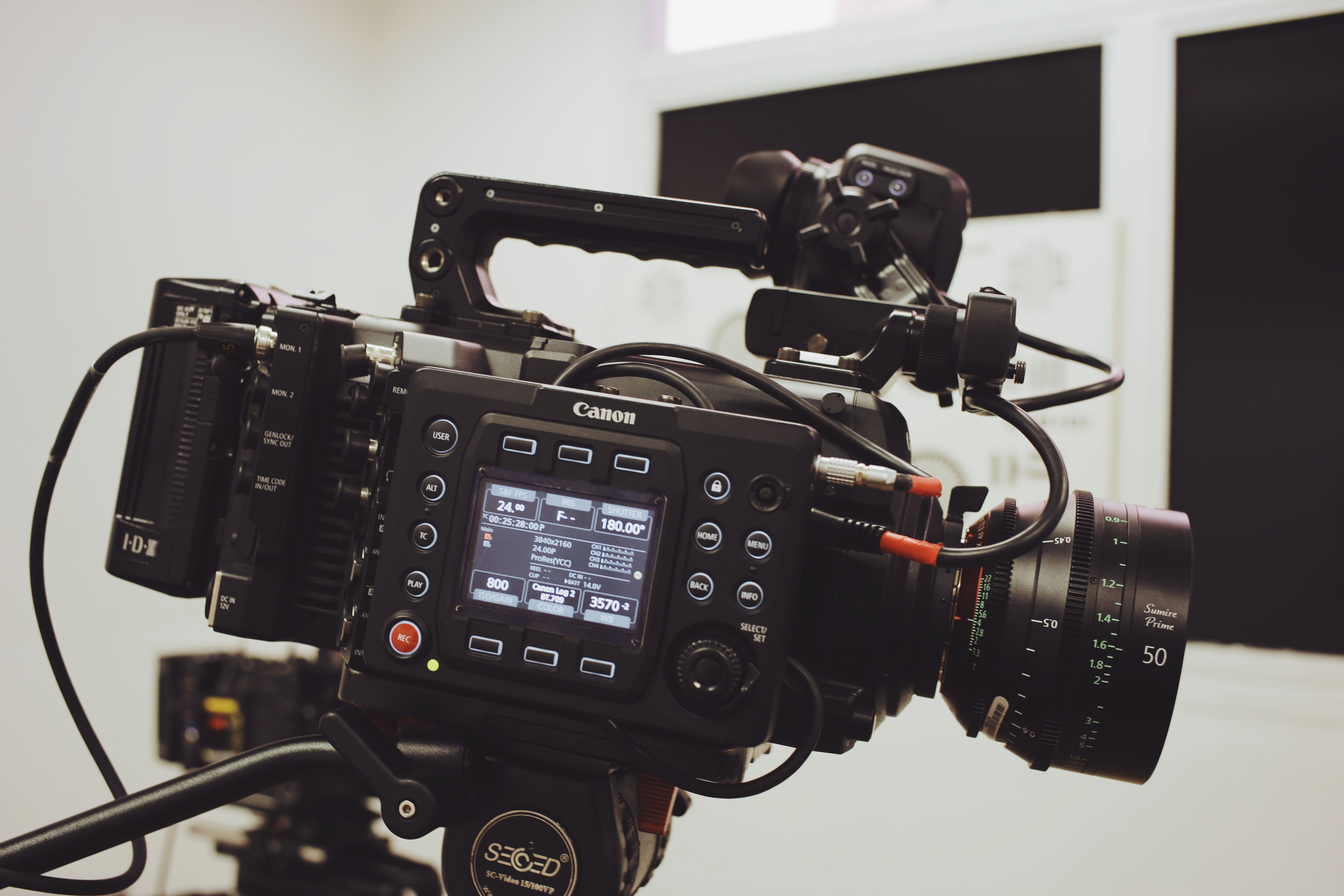
A creator working with a handheld camera and external monitor noticed a recurring issue:
The connection would occasionally drop during movement—not enough to stop filming, but enough to create uncertainty.
After reviewing the setup, the issue came down to the cable:
- The cable was slightly too stiff, creating tension
- The connector didn’t maintain consistent contact
- Shielding was insufficient for the environment
We provided a high-performance cable solution:
- More flexible outer material for movement
- Improved connector design for secure fit
- Enhanced shielding for stable signal
The result:
- No signal drop during movement
- Smoother setup and repositioning
- Increased confidence during shooting
This is where performance becomes noticeable—not in specs, but in experience.
How to Identify a High Performance Cable Manufacturer That Fits Your Setup
When choosing a cable, it helps to look beyond labels.
Consider:
- Does the cable match your actual usage conditions?
- Is flexibility important for your setup?
- Are connectors designed for frequent handling?
- Does the cable maintain performance over time?
A high-performance cable is not necessarily more complex—it is simply more reliable where it matters.
Closing Perspective: Performance You Don’t Have to Think About
In real workflows, the best equipment is the one you don’t have to worry about.
A high-performance cable removes small uncertainties:
- No unexpected signal drops
- No loose connections
- No need for constant adjustments
At Alvins, we focus on building cables that work quietly in the background—so you can focus on your work, not your setup.
If you’re looking to improve stability in your system, you can explore our solutions here:
https://www.alvins.com/
Or request a cable tailored to your setup:
https://www.alvins.com/request-a-quote