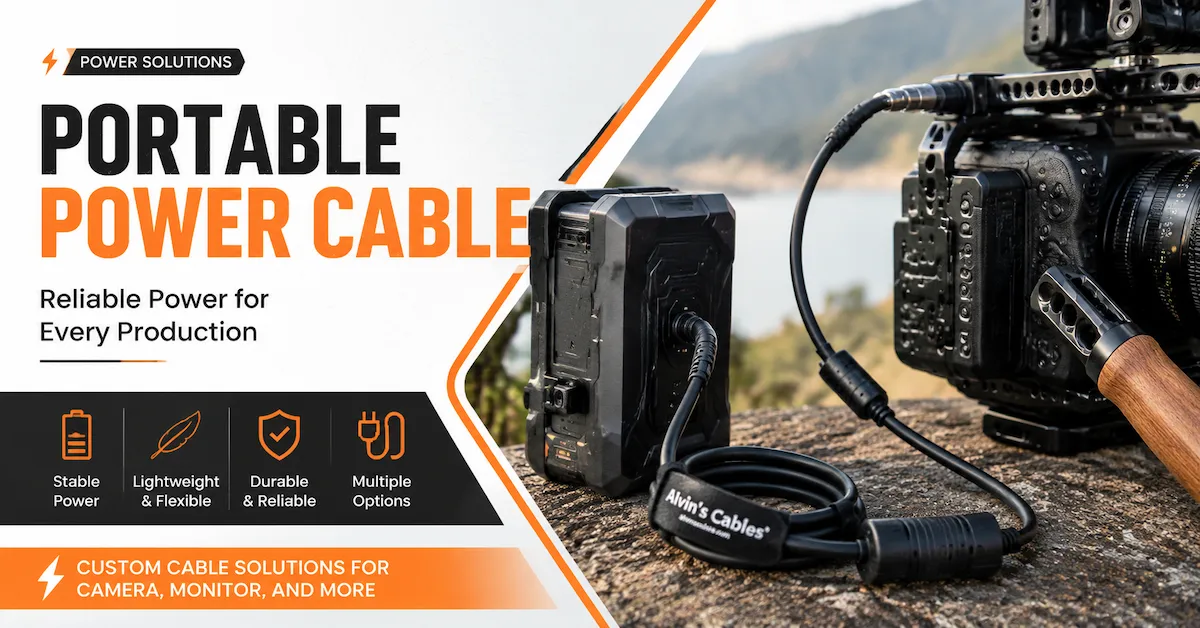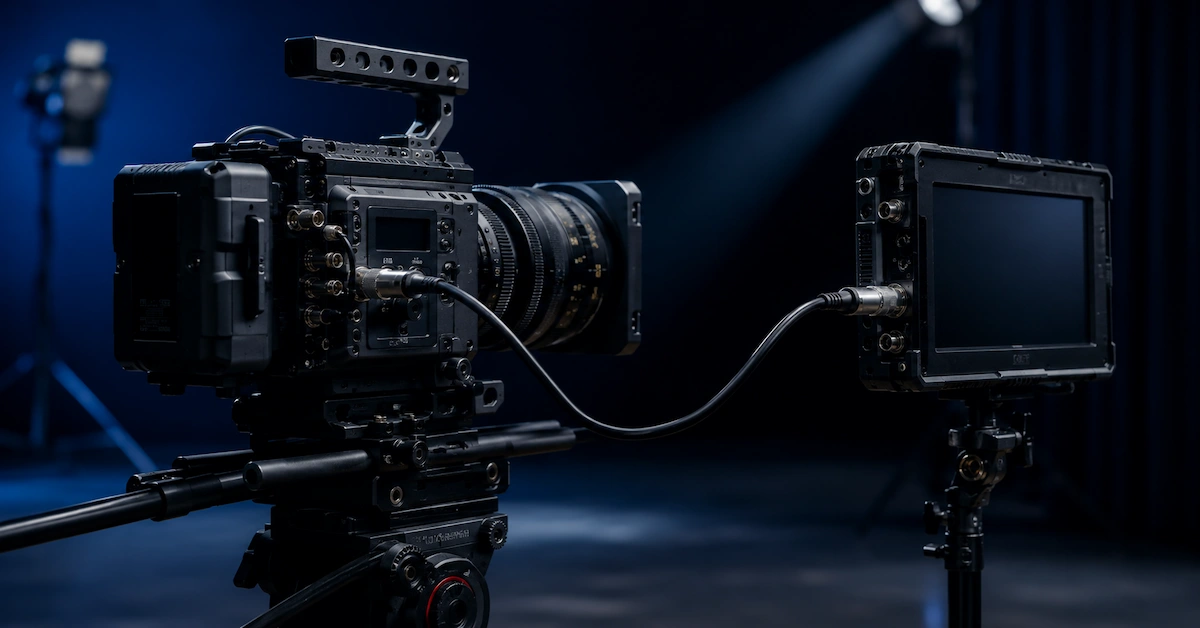
A camera power cable is an essential component in professional video production. It connects cameras with batteries, power distribution systems, monitors, wireless transmitters, recorders, and other accessories to provide stable power during filming.
For professional users, a camera power cable is not simply a connection wire. It must match the camera system, battery output, voltage requirement, connector type, cable length, and working environment.
A poor-quality power cable can cause unexpected shutdowns, unstable operation, connector damage, and production delays. This is why filmmakers, broadcast teams, rental houses, and equipment brands need reliable camera power cable solutions.
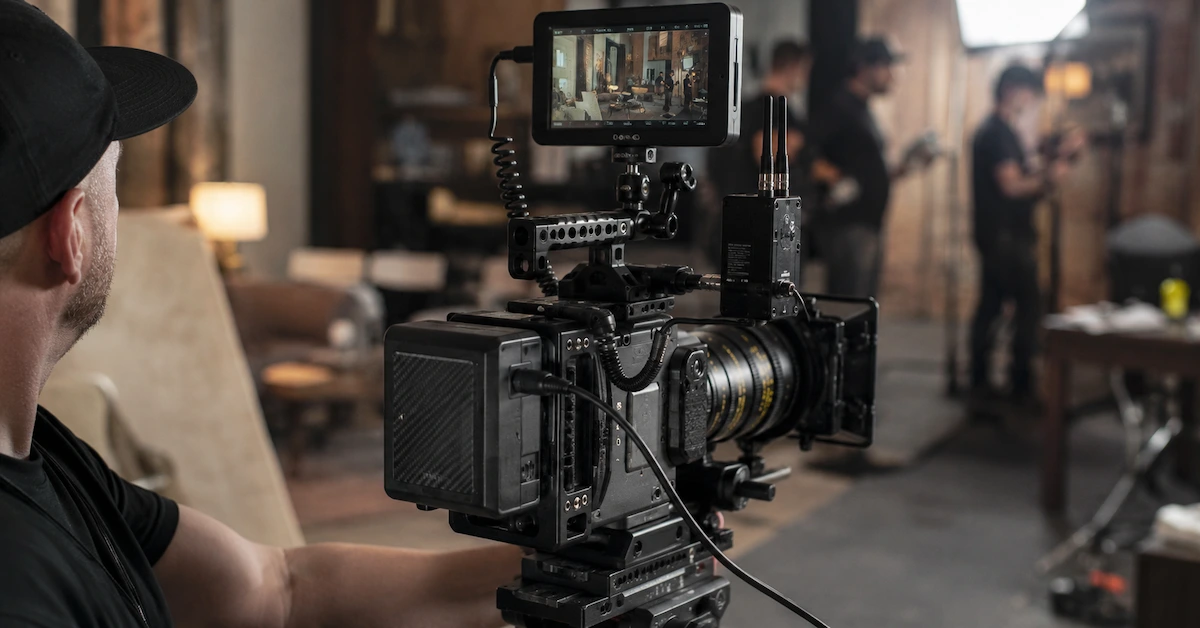
Quick Answer: What Makes a Good Camera Power Cable?
A reliable camera power cable should provide stable power transmission, secure connections, durable construction, and compatibility with professional camera equipment.
Important factors include:
- Correct connector compatibility
- Suitable voltage and current rating
- Flexible cable structure
- Strong strain relief
- Proper cable length
- Durable connectors
- Reliable manufacturing quality
- Custom design capability
For professional workflows, the right cable should fit the equipment instead of forcing the setup to adapt to a standard cable.
Why Camera Power Cable Quality Matters
Professional cameras often operate for long periods during filming, broadcasting, interviews, live events, and outdoor production. Stable power is critical because even a short interruption can affect the entire workflow.
Common problems caused by poor camera power cables include:
- Sudden camera shutdown
- Monitor power interruption
- Loose connector connection
- Unstable voltage delivery
- Cable overheating
- Broken wires near connectors
- Poor cable routing around rigs
- Short service life in rental environments
For production companies and rental houses, reliable power cables reduce downtime and replacement costs.
Common Camera Power Cable Types
| Cable Type | Application | Best For |
|---|---|---|
| D-Tap Camera Power Cable | Battery-powered camera systems | Cinema cameras, monitors, transmitters |
| V-Mount Power Cable | Professional battery workflows | Film and broadcast equipment |
| DC Power Cable | Camera accessories and devices | Monitors, recorders, AV equipment |
| Dummy Battery Cable | External camera power | Long recording sessions |
| XLR Power Cable | Professional power systems | Broadcast and studio equipment |
| Custom Camera Power Cable | Special requirements | OEM, rental, custom rigs |
Key Factors When Choosing Camera Power Cables
1. Connector Compatibility
Camera systems use different power interfaces depending on the manufacturer and accessory type.
Common connectors include:
- D-Tap
- DC barrel connector
- 2-pin connector
- 4-pin XLR
- LEMO-style connector
- USB-C power connector
- Dummy battery connector
Before ordering, buyers should confirm:
- Camera model
- Battery type
- Device input connector
- Connector polarity
- Connector orientation
Correct connector matching helps prevent power issues and equipment damage.
2. Voltage and Current Requirements
A professional camera power cable must match the electrical requirements of the connected device.
Buyers should consider:
- Camera power consumption
- Battery output voltage
- Required current
- Operating time
- Connected accessories
A suitable cable design helps maintain stable power during long production sessions.
3. Cable Length
The correct cable length improves camera rig organization and reduces stress.
Custom cable length is useful for:
- Cinema camera rigs
- Shoulder-mounted cameras
- V-Mount battery setups
- Monitor mounting systems
- Wireless video systems
- Studio production setups
A cable that is too long creates clutter, while a cable that is too short can pull on connectors.
4. Flexibility and Durability
Professional camera setups require cables that can move with the equipment.
Flexible camera power cables are suitable for:
- Handheld rigs
- Gimbals
- Camera cages
- Field production
- Documentary shooting
- Rental equipment
A good cable balances flexibility with mechanical strength.
5. Strain Relief
Connector areas experience repeated bending and pulling. Reinforced strain relief helps protect cables from early failure.
This improves:
- Cable lifespan
- Connector protection
- Field reliability
- Rental durability
Who Needs Camera Power Cable Solutions?
| Buyer Type | Requirement |
| Film production teams | Reliable camera power during shooting |
| Broadcast companies | Stable long-hour operation |
| Rental houses | Durable repeat-use cable kits |
| Camera accessory brands | OEM cable development |
| Distributors | Professional cable supply |
| AV integrators | Custom equipment power connections |
| Content creators | Portable camera power solutions |
These buyers need reliable manufacturing capability, not only standard cables.
Why Alvin’s Cables Is a Good Fit
Alvin’s Cables provides professional cable solutions for photography, film, broadcast, AV, and industrial applications.
For camera power cable projects, Alvin’s Cables supports:
- Custom camera power cables
- D-Tap power cable solutions
- V-Mount cable solutions
- Monitor power cables
- DC power cable customization
- Connector customization
- Custom cable lengths
- OEM and low-volume projects
Buyers can explore available products through the Alvin’s Cables product center.
For special connector combinations, cable length, power requirements, or custom camera setups, visit custom cable solutions.
What Information Should Buyers Provide?
To receive an accurate quotation, buyers should provide:
| Information | Why It Matters |
| Camera model | Confirms power requirement |
| Battery type | Determines power source compatibility |
| Connector type | Defines cable structure |
| Voltage/current requirement | Ensures stable operation |
| Cable length | Improves routing |
| Application environment | Studio, field, rental, broadcast |
| Quantity | Supports production planning |
Submit project requirements through the request a quote page.
FAQ
1. What is a camera power cable?
A camera power cable connects cameras with batteries, power systems, monitors, transmitters, or other accessories to provide stable electrical power.
2. What connectors are commonly used for camera power cables?
Common connectors include D-Tap, DC barrel, XLR, 2-pin, LEMO-style, USB-C, and dummy battery connectors.
3. Can camera power cables be customized?
Yes. They can be customized by connector type, length, polarity, flexibility, and application requirements.
4. What is the difference between D-Tap and V-Mount cables?
D-Tap is a common battery output connection, while V-Mount refers to the professional battery system commonly used in cinema and broadcast production.
5. How do I choose a camera power cable supplier?
Choose a supplier that understands professional camera workflows, supports customization, confirms power requirements, and provides durable cable construction.
Conclusion
A reliable camera power cable helps professional users maintain stable operation, protect equipment, and improve production efficiency.
For cinema cameras, monitors, recorders, transmitters, studio systems, and rental kits, cable quality directly affects workflow reliability.
Alvin’s Cables supports standard and custom camera power cable solutions for professional buyers. Contact Alvin’s Cables to discuss your camera power requirements and custom cable needs.