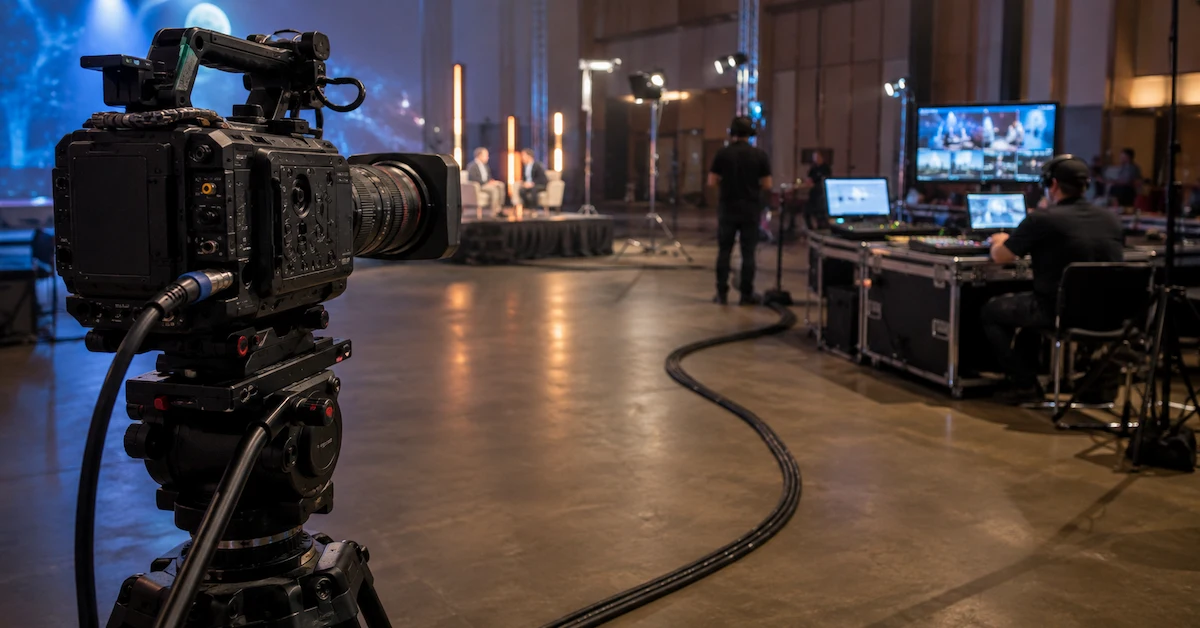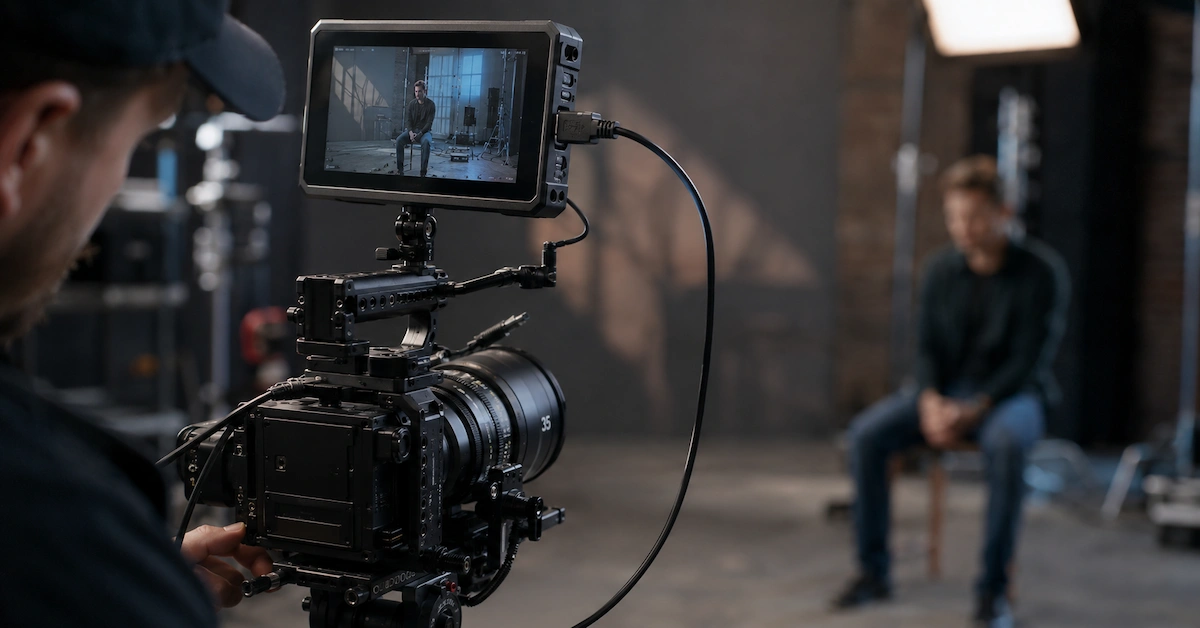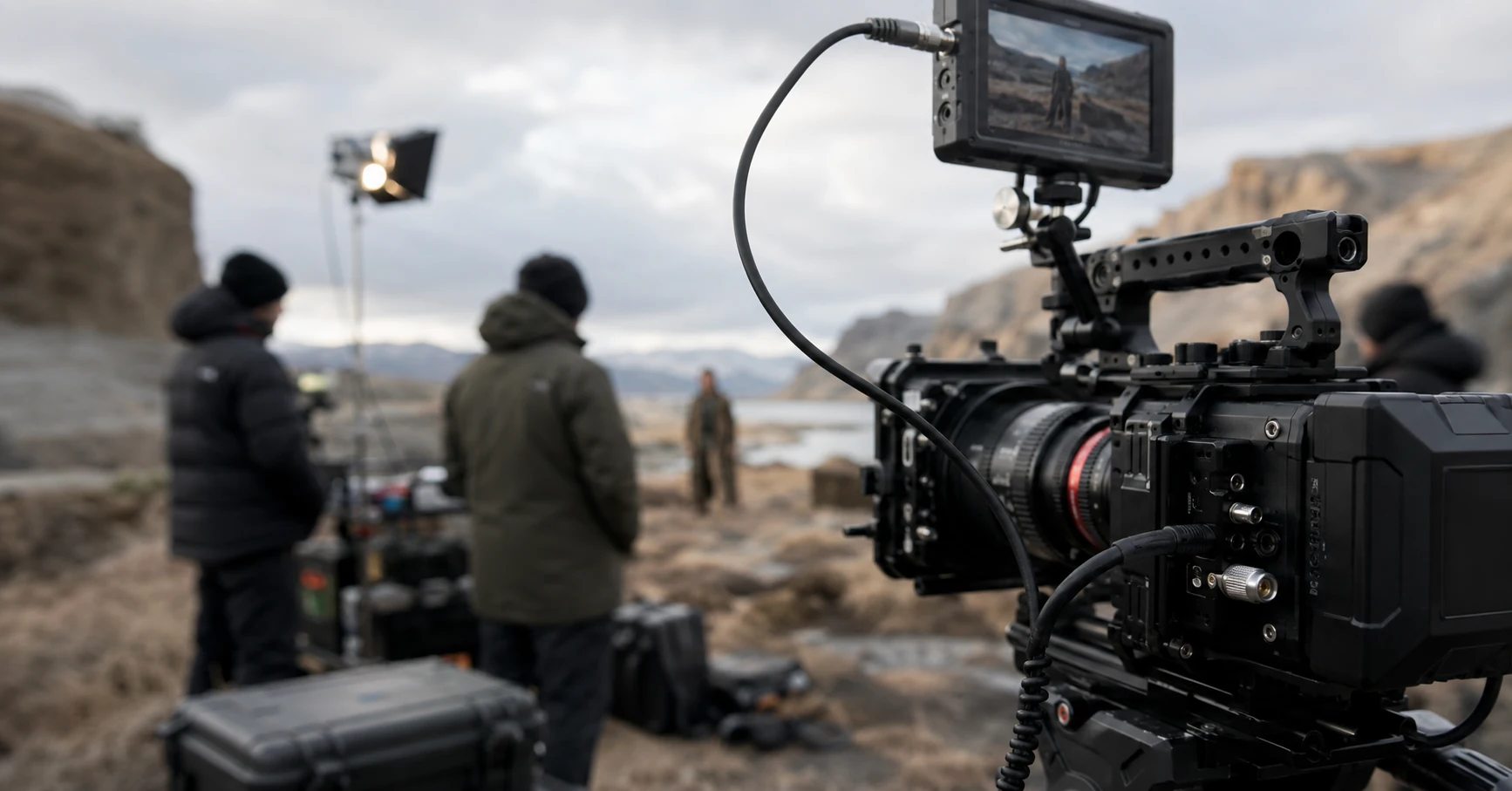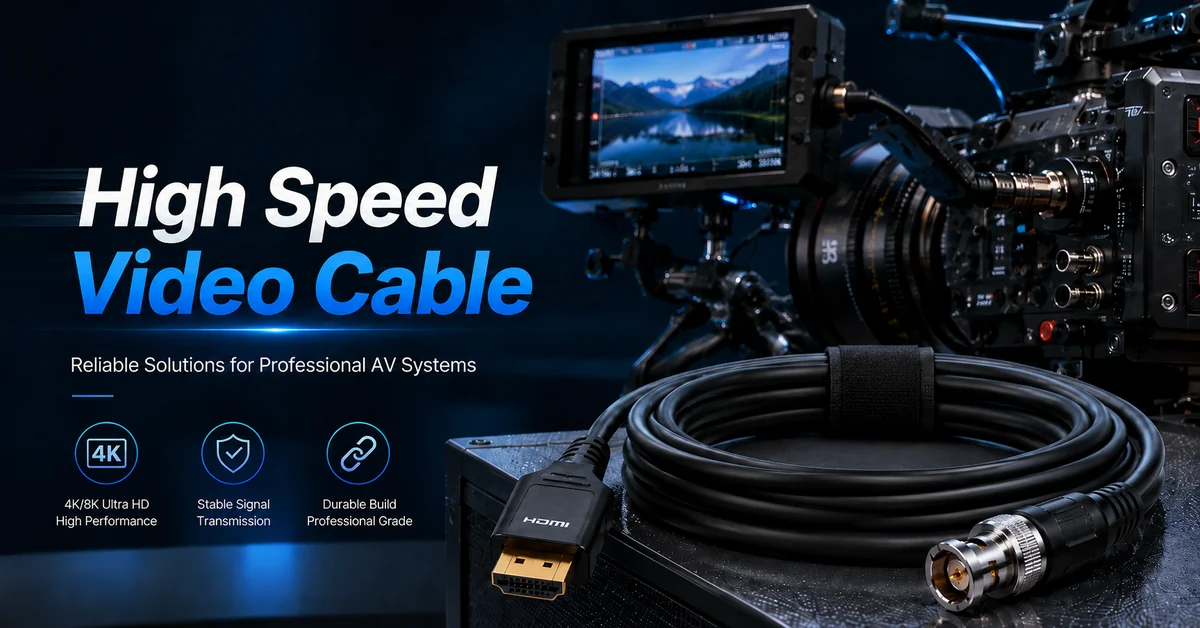
In controlled environments, most cables perform adequately. But once deployed in industrial conditions—heat, vibration, dust, or constant movement—the limitations of standard cables become immediately visible.
Operators often report similar issues:
- Cables degrading faster than expected
- Signal instability in electrically noisy environments
- Power interruptions under continuous load
- Increased maintenance due to mechanical wear
These are not isolated failures. They are the result of cables not being designed for real operating conditions.
This is where an experienced industrial cable manufacturer plays a critical role. At Alvins, cable design begins with understanding the environment—how the cable will be used, stressed, and maintained over time.
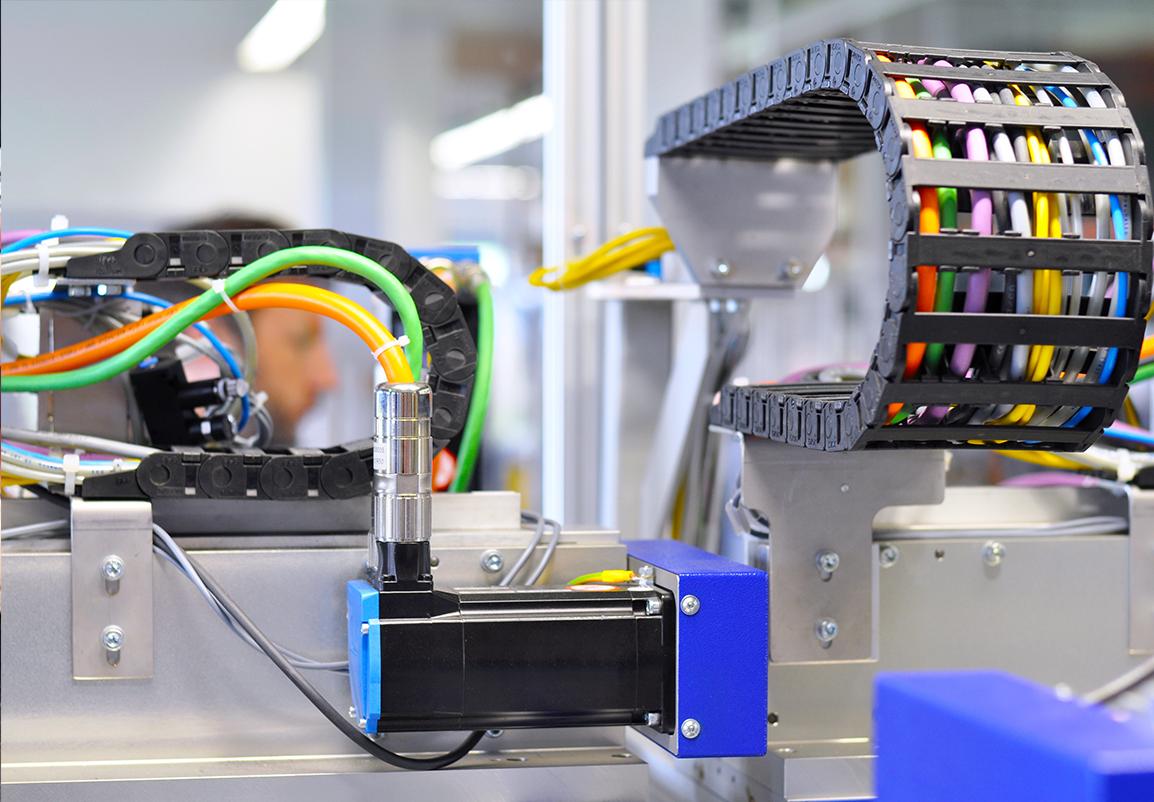
Material Systems and Structural Reinforcement for Industrial Use
Before discussing performance, it is essential to understand what differentiates an industrial cable from a standard one.
A high-quality industrial cable integrates:
- High-conductivity copper conductors
Ensuring stable current flow under continuous operation - Multi-layer shielding systems
Reducing electromagnetic interference by 40–60% in high-noise environments - Heavy-duty outer jackets (TPU / reinforced PVC)
Increasing abrasion resistance and lifespan by up to 2–3× - Strain relief and reinforcement structures
Preventing damage from vibration and repeated bending
According to the International Electrotechnical Commission, industrial cable reliability depends heavily on insulation integrity and shielding performance under stress conditions.
Reference: https://www.iec.ch/
These structural elements are what allow cables to perform consistently in harsh environments.
Why Industrial Cable Manufacturing Requires Process Discipline
Once materials are selected, manufacturing consistency becomes the deciding factor.
In industrial applications, even small variations in production can lead to failure over time.
A reliable industrial cable manufacturer ensures:
- Controlled material sourcing to maintain consistency
- Precision assembly to stabilize electrical performance
- Reinforced connector integration for mechanical durability
- Multi-stage testing before delivery
At Alvins, production is built around repeatability—ensuring that cables produced today perform the same as those delivered months later.
Engineering Approach to Industrial Cable Solutions
To achieve stable performance in demanding environments, a structured engineering process is required:
Step 1: Environmental Assessment
Temperature range, vibration level, and exposure conditions
Step 2: Electrical Load Analysis
Voltage, current, and signal requirements
Step 3: Material Selection
Choosing insulation and shielding suited to the environment
Step 4: Structural Reinforcement
Adding protective layers and strain relief systems
Step 5: Testing and Validation
Simulating real operating conditions
According to IPC, controlled manufacturing and validation processes can reduce field failure rates by over 50% in industrial cable systems.
Reference: https://www.ipc.org/
Performance Comparison in Industrial Applications
| Parameter | Standard Cable | Industrial Cable Solution | Improvement |
|---|---|---|---|
| Durability | Moderate | High | 2–3× lifespan |
| EMI Resistance | Basic | Advanced | +40–60% |
| Mechanical Strength | Low | Reinforced | Significant |
| Failure Rate | 10–15% | <4% | ↓ ~60% |
| Maintenance Frequency | High | Reduced | ↓ ~50% |
These differences are critical in environments where downtime directly impacts productivity.
Case Example: Reducing Cable Failure in a High-Vibration System
A client operating machinery in a high-vibration environment experienced frequent cable failures.
Issues included:
- Outer jacket wear within months
- Loose connectors due to constant movement
- Signal instability affecting equipment performance
After evaluation, the solution involved:
- Switching to reinforced TPU jacket cables
- Adding enhanced strain relief structures
- Improving connector locking mechanisms
Results:
- Cable lifespan extended by over 2×
- Maintenance frequency reduced by approximately 50%
- Improved operational stability
This demonstrates how industrial cable design directly impacts reliability.
Procurement Considerations for Industrial Cable Projects
When selecting an industrial cable manufacturer, buyers should focus on:
- Ability to adapt to specific environmental conditions
- Consistency in materials and manufacturing
- Proven testing and validation processes
- Experience with similar industrial applications
Choosing based on price alone often leads to higher long-term costs due to maintenance and replacement.
Final Perspective: Industrial Reliability Starts with the Right Cable Design
In industrial systems, cables are not passive components—they are critical to continuous operation.
A reliable industrial cable manufacturer ensures:
- Stable electrical performance under load
- Resistance to environmental stress
- Long-term durability and consistency
At Alvins, we design industrial cable solutions based on real-world operating conditions, ensuring that performance is maintained over time.
Explore our solutions here:
https://www.alvins.com/
Or request a custom industrial cable for your application:
https://www.alvins.com/request-a-quote