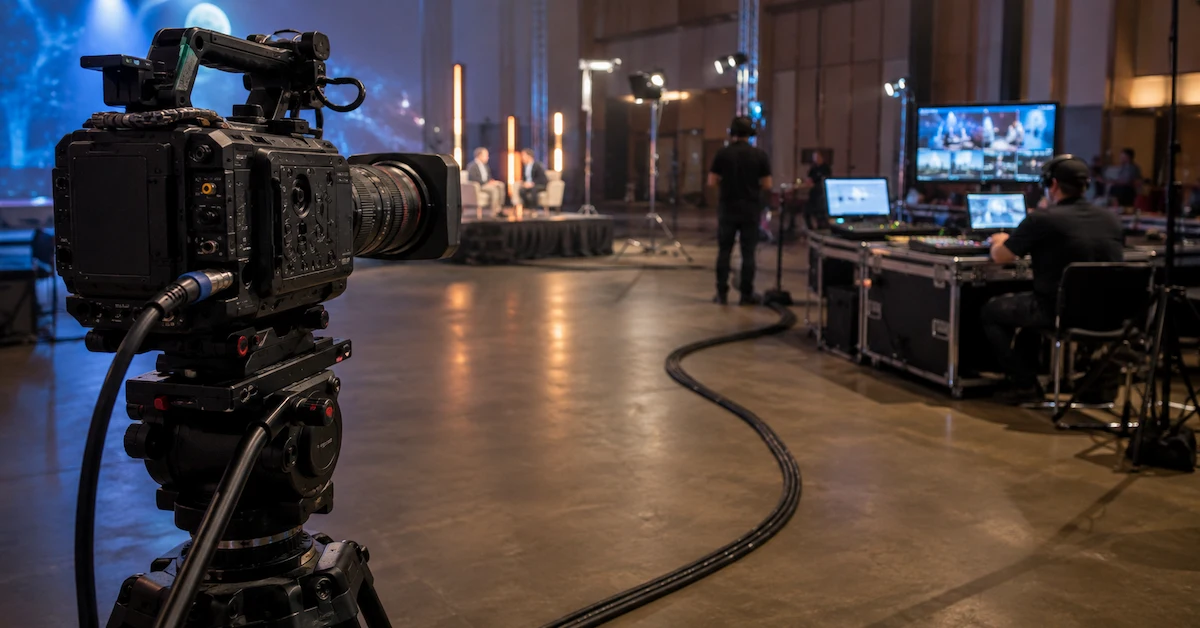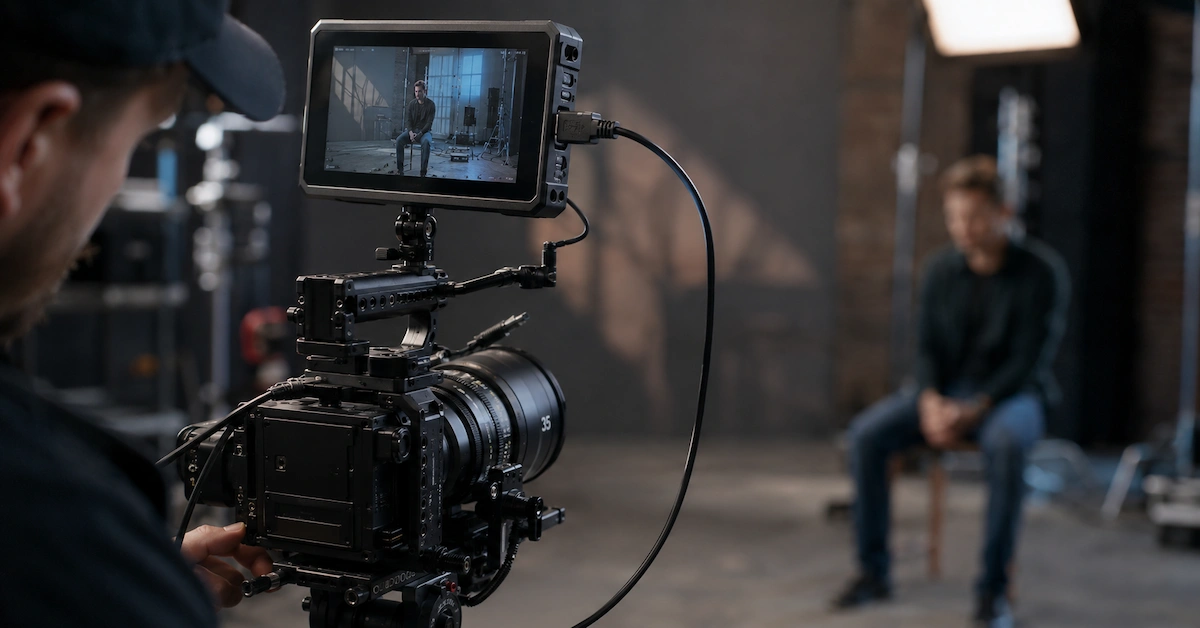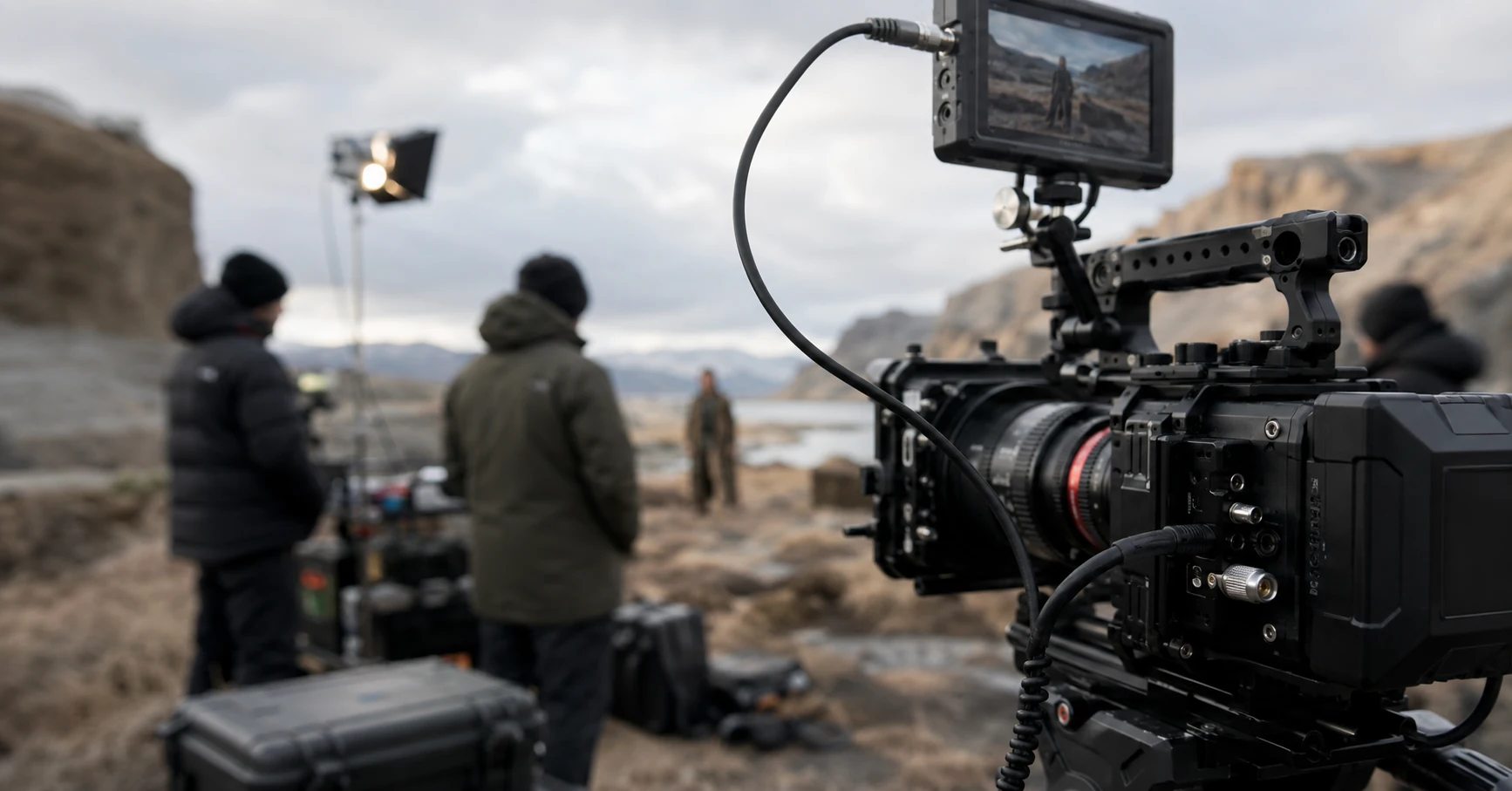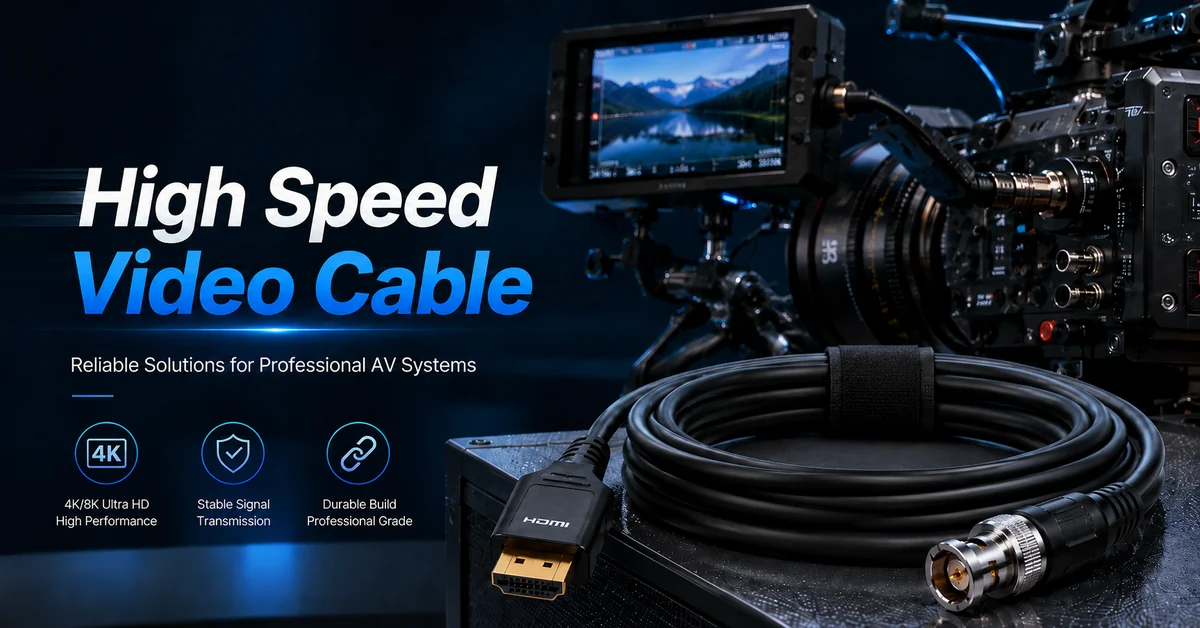
In professional video environments, signal transmission must remain stable over long distances.
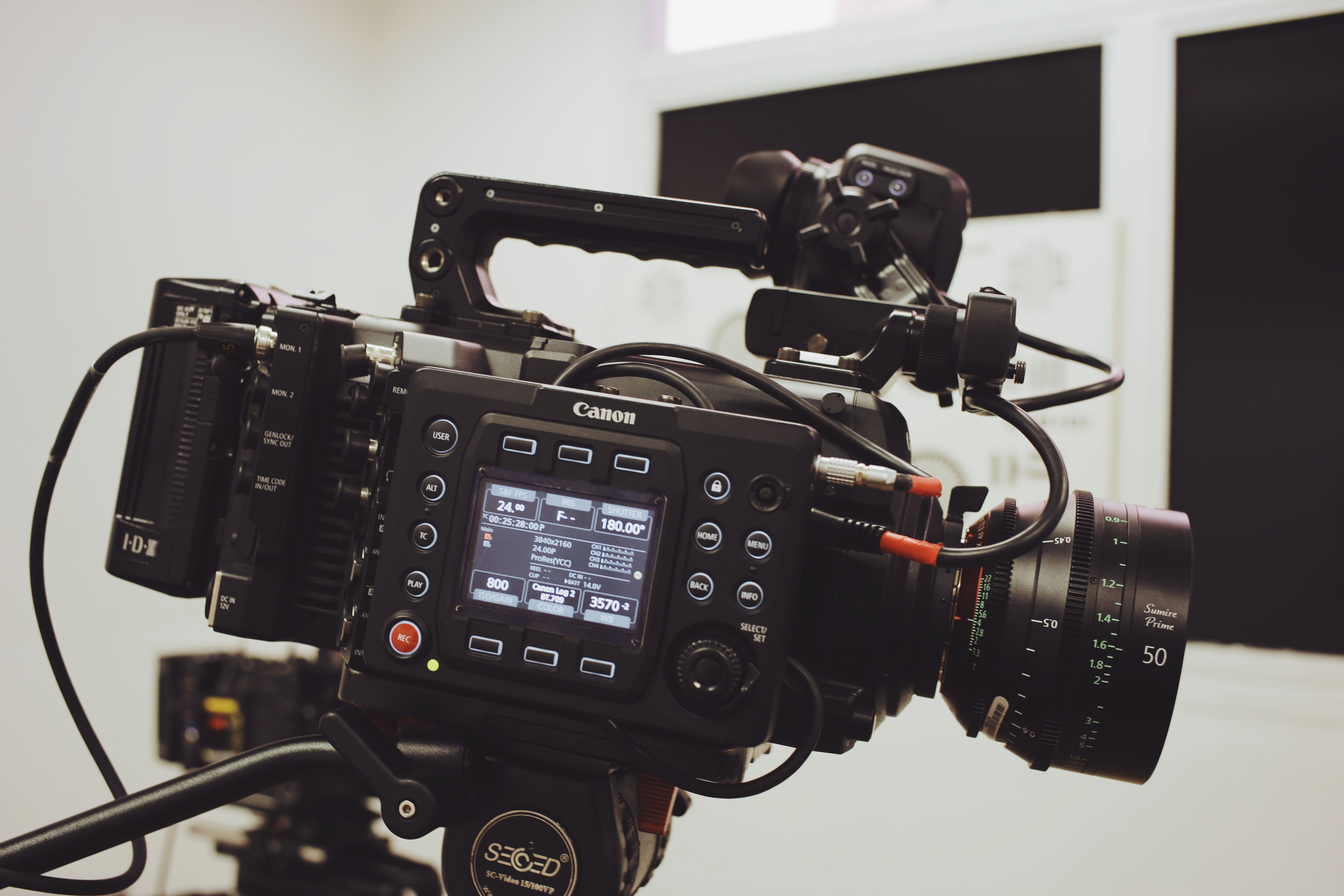
Unlike short consumer connections, broadcast and production setups often require cables to maintain signal integrity across extended lengths.
Common challenges include:
- Signal degradation over distance
- Interference in complex environments
- Loss of quality in high-resolution video transmission
These issues cannot be solved with standard cables.
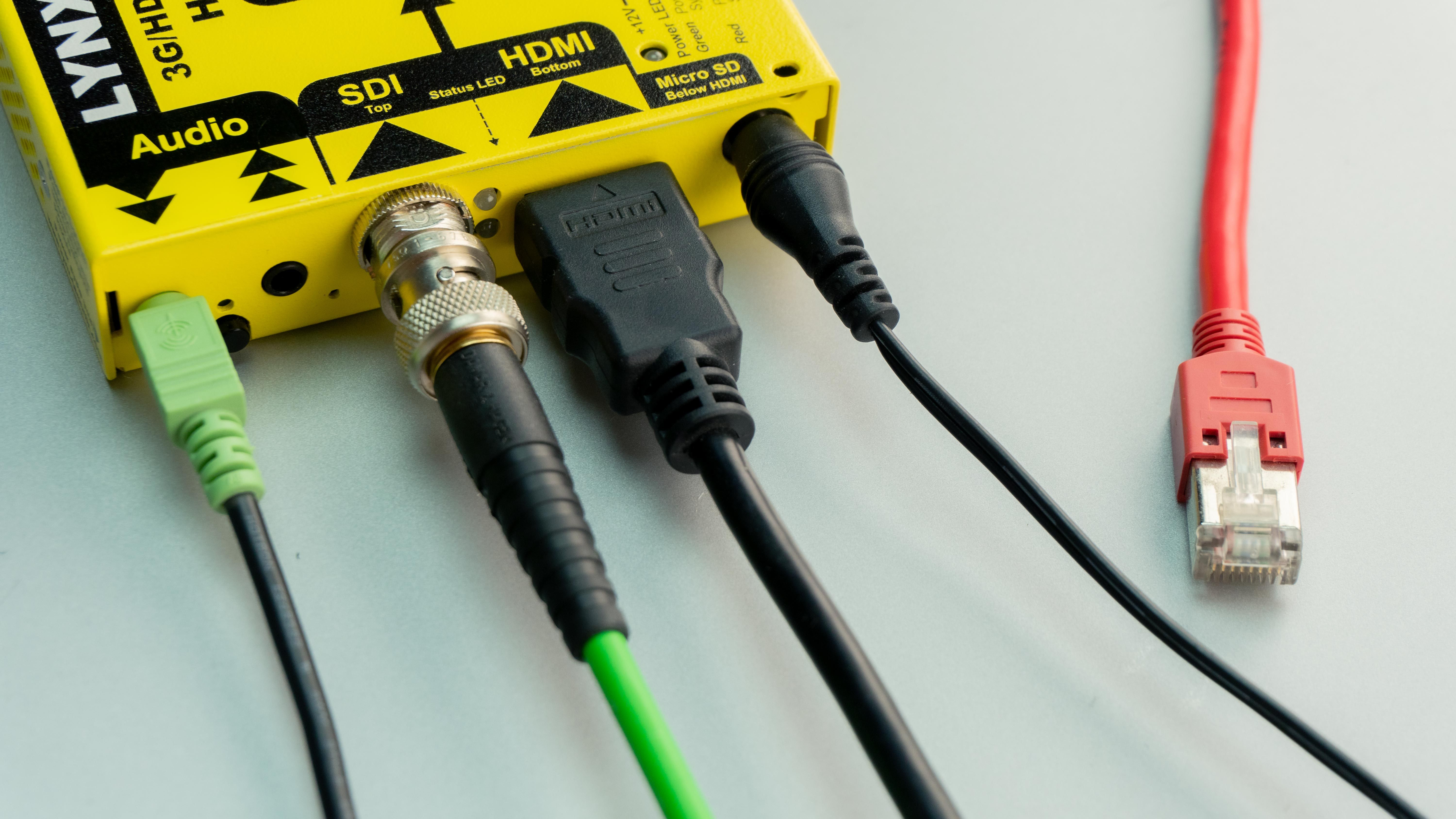
This is where a specialized SDI cable manufacturer becomes critical. At Alvins, SDI cables are designed specifically for high-performance video transmission, ensuring consistent signal quality in demanding environments.
Material and Structural Design for SDI Signal Integrity
SDI cables require precise engineering to maintain signal integrity.
A high-quality SDI cable includes:
- Precision copper conductors
Ensuring stable signal transmission over long distances - Controlled impedance (75 ohms)
Matching broadcast standards for video signal accuracy - Advanced shielding systems
Reducing electromagnetic interference by up to 60% - High-quality BNC connectors
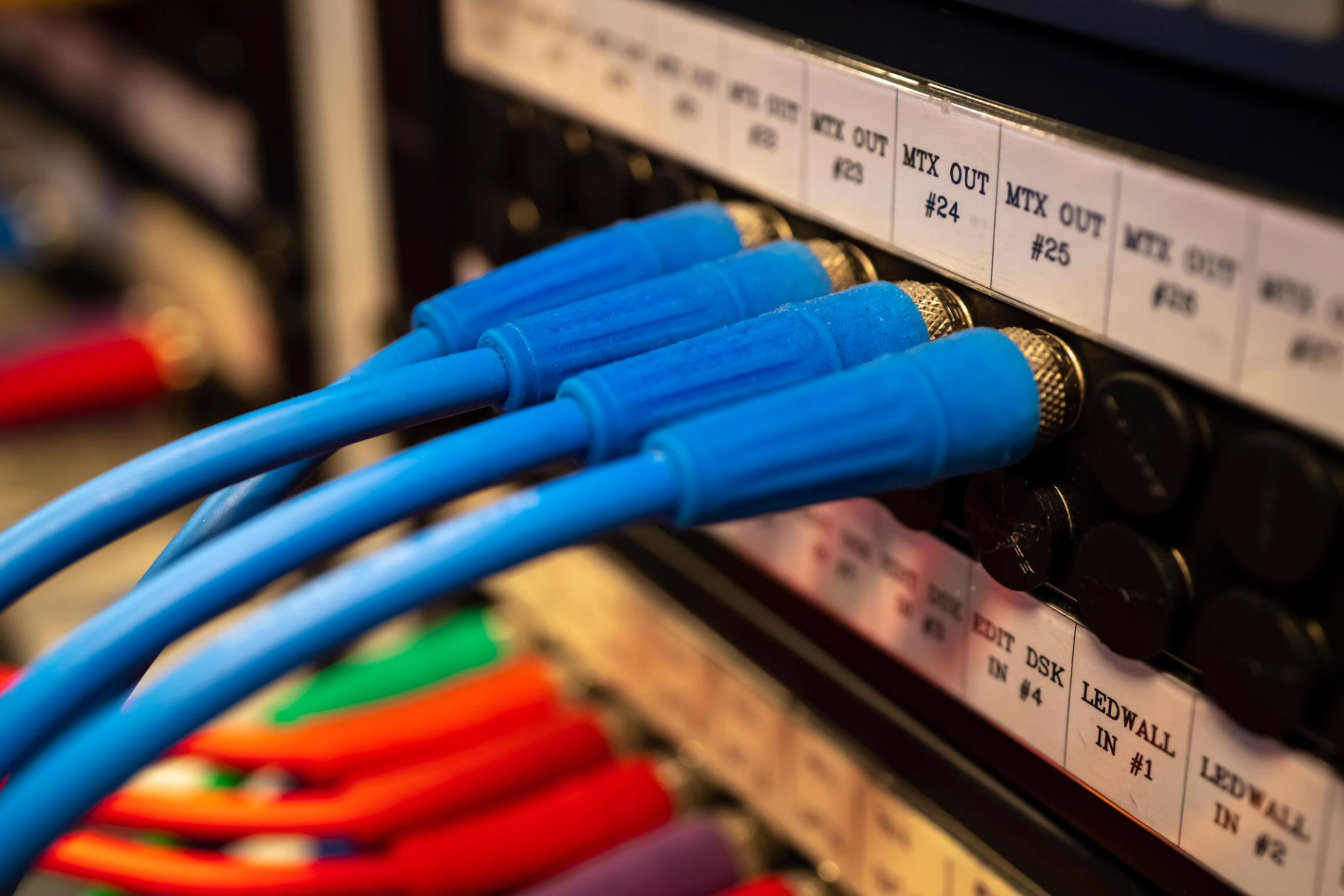
Providing secure and consistent connection
According to the International Electrotechnical Commission, maintaining impedance control and shielding is essential for stable signal transmission in professional video systems.
Reference: https://www.iec.ch/
These factors determine whether SDI cables can deliver consistent performance.
Why SDI Cables Are Preferred in Professional Environments
Compared to other cable types, SDI cables offer advantages:
- Stable transmission over long distances
- Lower signal loss compared to consumer cables
- Strong resistance to interference
- Reliable connection with BNC locking mechanism
At Alvins, SDI cable solutions are designed for:
- Broadcast studios
- Live event production
- Professional filming setups
This ensures reliability across various applications.
Engineering Workflow for SDI Cable Manufacturing
To ensure performance, a structured process is followed:
Step 1: Signal Requirement Analysis
Understanding resolution and transmission distance
Step 2: Impedance-Controlled Design
Maintaining 75-ohm consistency
Step 3: Shielding Optimization
Reducing interference
Step 4: Precision Assembly
Ensuring connector alignment and stability
Step 5: Performance Testing
Validating signal integrity
According to the IPC, controlled manufacturing processes significantly improve signal stability in cable systems.
Reference: https://www.ipc.org/
Performance Comparison: Standard Video Cable vs SDI Cable
| Feature | Standard Video Cable | SDI Cable | Benefit |
|---|---|---|---|
| Transmission Distance | Short | Long | Extended range |
| Signal Stability | Moderate | High | Reliable output |
| Interference Resistance | Basic | Advanced | Reduced noise |
| Connector Type | Push-fit | Locking (BNC) | Secure connection |
| Durability | Limited | High | Professional use |
These differences are essential in broadcast environments.
Case Example: Improving Signal Stability in a Live Broadcast Setup
A broadcast team experienced signal instability during live events.
Issues included:
- Signal drop over long cable runs
- Interference from nearby equipment
- Unstable connections
After switching to SDI cables:
- Signal remained stable across extended distances
- Reduced interference issues
- Improved connection reliability
Results:
- Consistent video output
- Reduced technical interruptions
- Improved production efficiency
This demonstrates the importance of choosing the right cable type.
Procurement Considerations for SDI Cable Projects
When selecting an SDI cable manufacturer, consider:
- Experience in broadcast and video applications
- Ability to maintain impedance consistency
- Quality of connectors and shielding
- Testing and validation processes
A reliable supplier ensures consistent performance across all cables.
Final Perspective: Reliable Video Transmission Requires Precision Engineering
In professional video systems, signal integrity is critical.
A reliable SDI cable manufacturer ensures:
- Stable long-distance transmission
- Reduced interference
- Consistent performance
At Alvins, we design SDI cables to meet the demands of professional video environments, ensuring reliable performance in every application.
Explore our solutions here:
https://www.alvins.com/
Or request a custom SDI cable:
https://www.alvins.com/request-a-quote