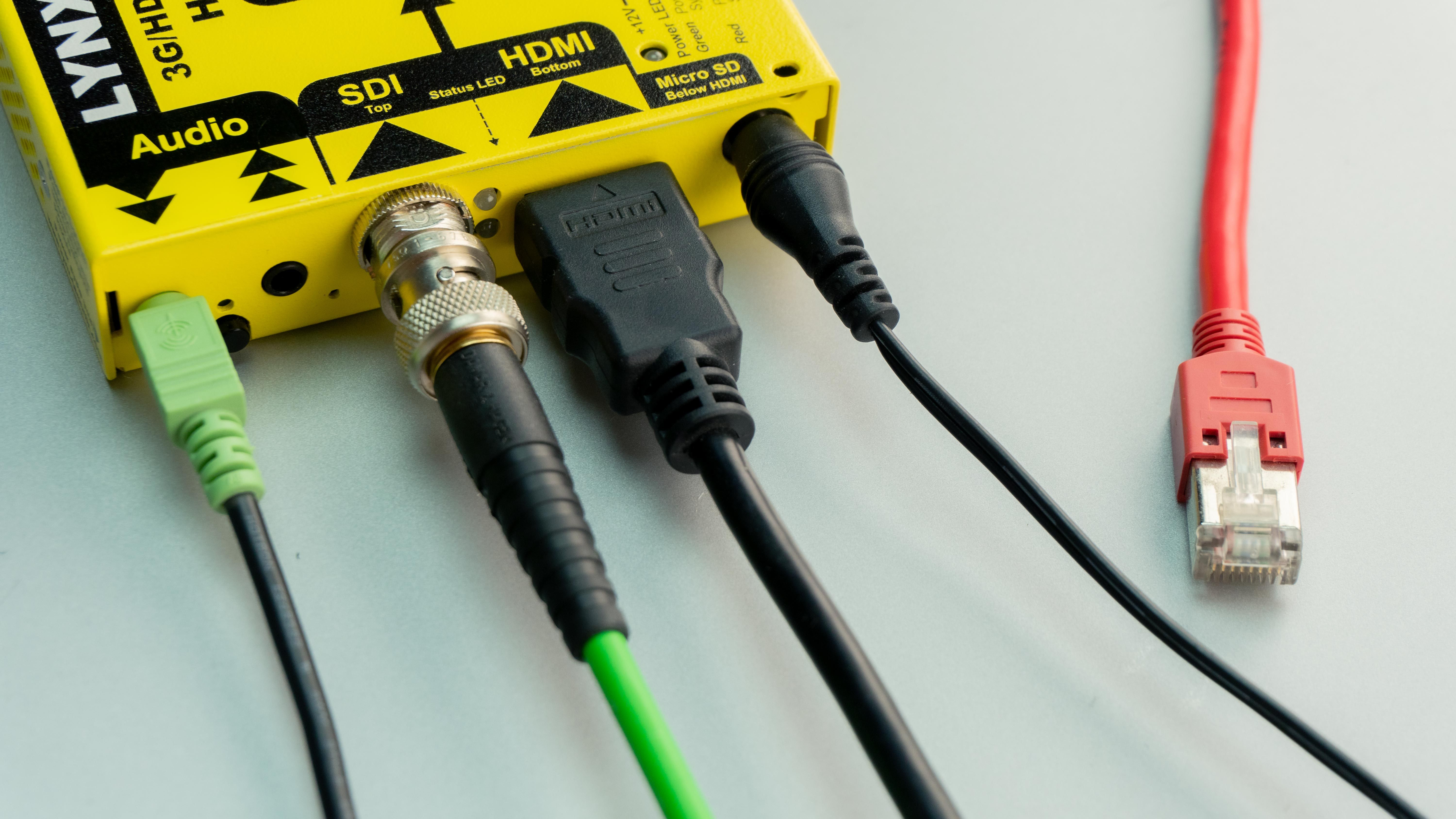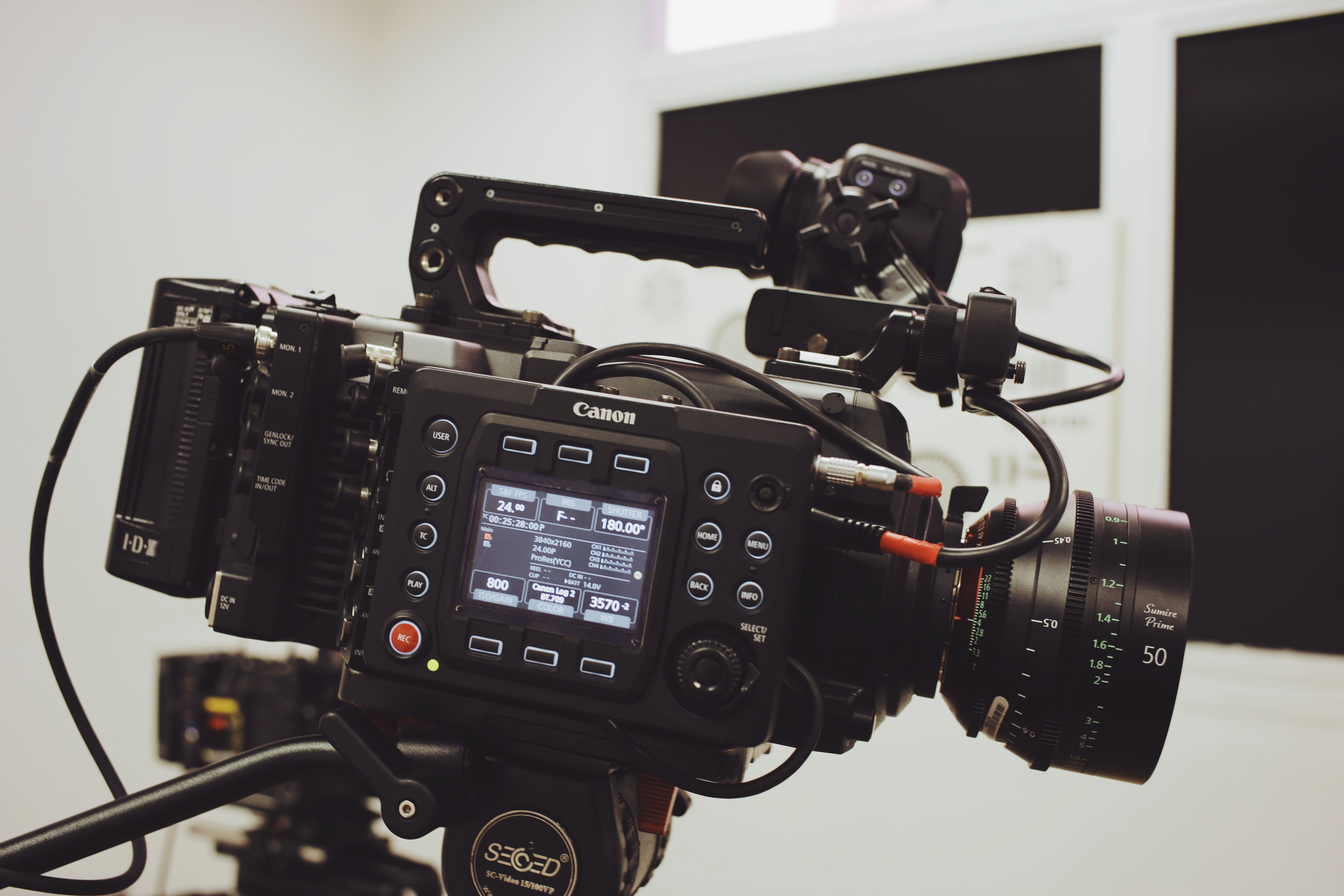
In professional video environments, stability is everything.
A momentary signal drop, a flicker on the display, or a loose connection during operation can interrupt production and create unnecessary delays.
These issues often appear unexpectedly, even when equipment is functioning properly.
In many cases, the root cause is not the camera or monitor—but the cable connecting them.
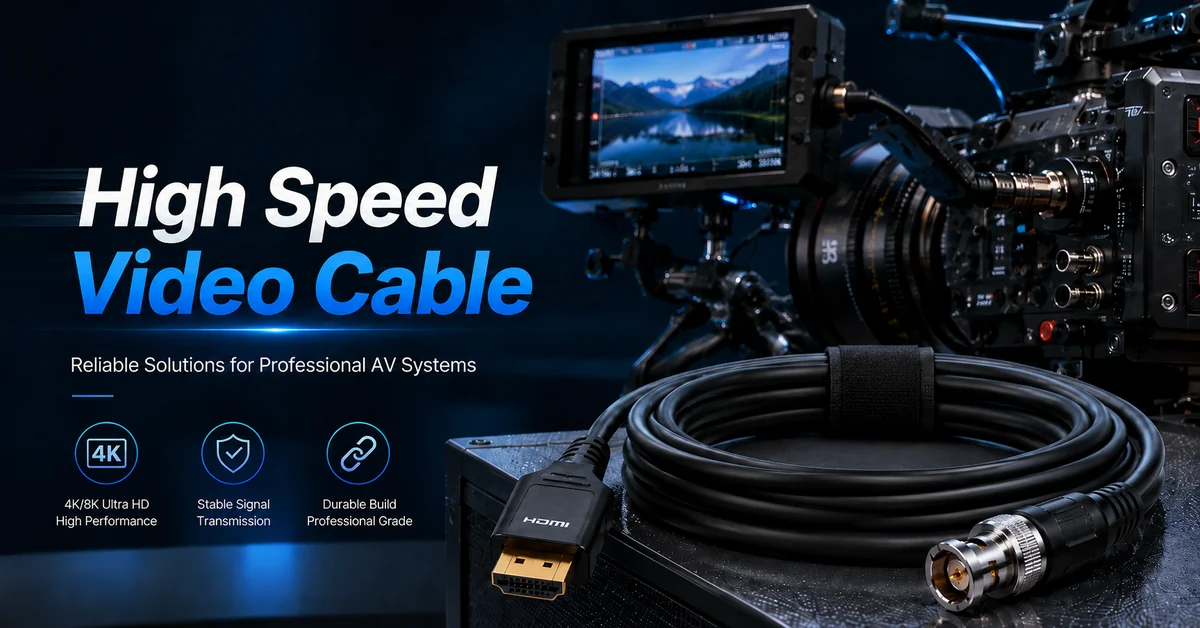
This is where a reliable video cable supplier becomes essential. At Alvins, we design and supply cables that maintain consistent signal performance under real-world conditions, including movement, interference, and long working hours.
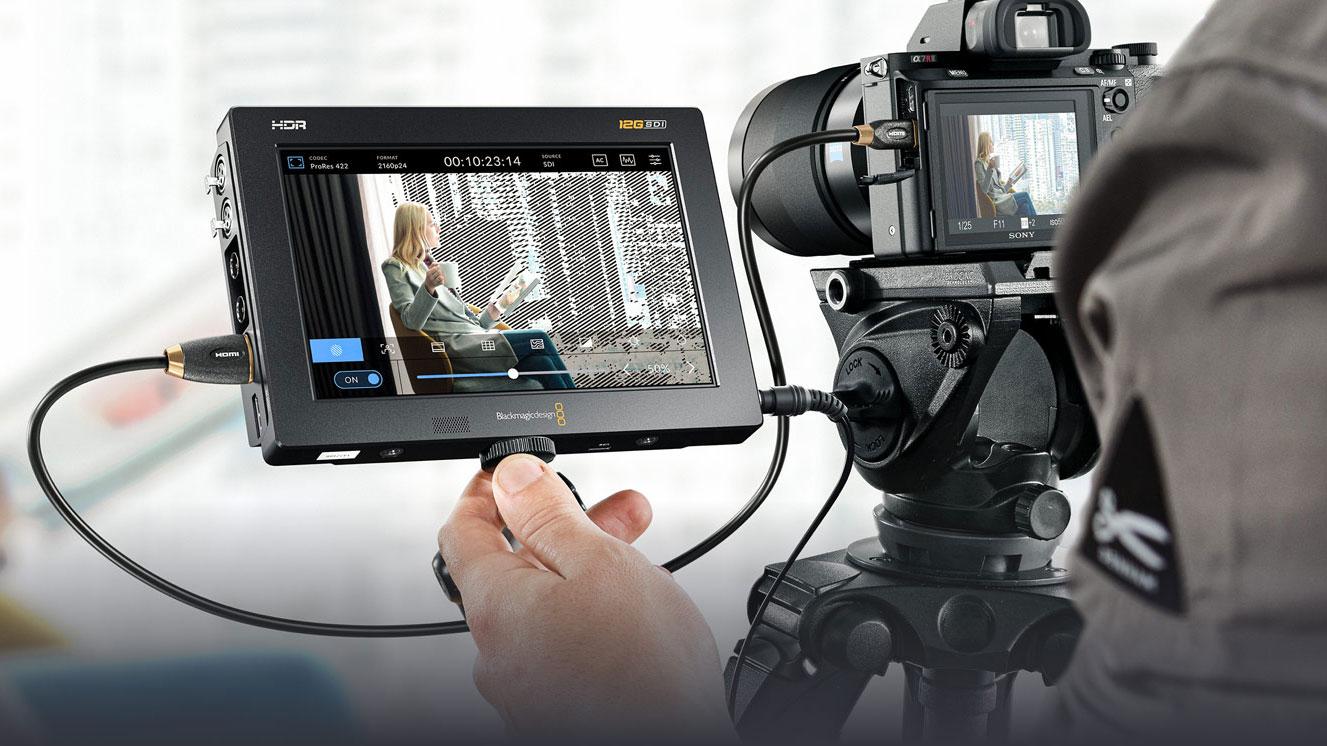
Material and Structural Design for Video Signal Integrity
Video signal transmission depends heavily on cable construction.
A high-quality video cable includes:
- High-purity copper conductors
Ensuring consistent signal transmission - Multi-layer shielding systems
Reducing electromagnetic interference by 40–60% - Flexible outer materials (TPE / TPU)
Supporting dynamic setups - Precision connectors
Ensuring secure and stable connection
According to the International Electrotechnical Commission, shielding effectiveness and conductor quality are critical for maintaining stable signal transmission.
Reference: https://www.iec.ch/
These factors determine whether a cable performs reliably in real applications.
Why Video Systems Require Specialized Cable Solutions
Unlike general-purpose cables, video cables must operate under demanding conditions:
- Frequent movement during filming
- Multiple devices in close proximity
- High data transmission requirements
At Alvins, video cable solutions are designed to address these challenges:
- Optimized flexibility for ease of use
- Reinforced connectors for secure connection
- Advanced shielding for stable signal
This ensures consistent performance across different environments.
Engineering Workflow for Video Cable Supply
To maintain quality and reliability, a structured process is followed:
Step 1: Application Analysis
Understanding the video system and usage conditions
Step 2: Cable Design Optimization
Selecting appropriate materials and structure
Step 3: Prototype Testing
Validating signal performance
Step 4: Controlled Production
Ensuring consistency across batches
Step 5: Quality Verification
Testing before delivery
According to IPC, controlled assembly processes significantly reduce signal-related failures.
Reference: https://www.ipc.org/
Performance Comparison: Standard Cable vs Professional Video Cable
| Feature | Standard Cable | Professional Video Cable | Benefit |
|---|---|---|---|
| Signal Stability | Moderate | High | Consistent output |
| Interference Resistance | Basic | Advanced | Reduced noise |
| Flexibility | Limited | Optimized | Easier handling |
| Connector Stability | Variable | Secure fit | Reduced failure |
| Durability | Short-term | Long-term | 2–3× lifespan |
These improvements directly impact workflow efficiency.
Case Example: Improving Stability in a Multi-Camera Setup
A production team working with multiple cameras experienced intermittent signal issues.
Problems included:
- Signal flickering
- Loose connections
- Unstable performance during movement
After switching to a custom video cable solution:
- Improved connector stability
- Enhanced shielding
- Increased flexibility
Results:
- Stable signal across all devices
- Faster setup time
- Reduced operational issues
This demonstrates how cable quality affects overall system performance.
Procurement Considerations for Video Cable Supply
When choosing a video cable supplier, consider:
- Experience with video applications
- Ability to customize cables
- Consistency in manufacturing
- Testing and quality control processes
A reliable supplier should understand real-world usage—not just specifications.
Final Perspective: Stable Video Systems Depend on Reliable Connections
In video production, every connection matters.
A professional video cable supplier ensures:
- Stable signal transmission
- Durable and flexible cable design
- Consistent performance across all units
At Alvins, we design and supply video cables that meet real production needs, ensuring reliable performance in every setup.
Explore our solutions here:
https://www.alvins.com/
Or request a custom video cable:
https://www.alvins.com/request-a-quote