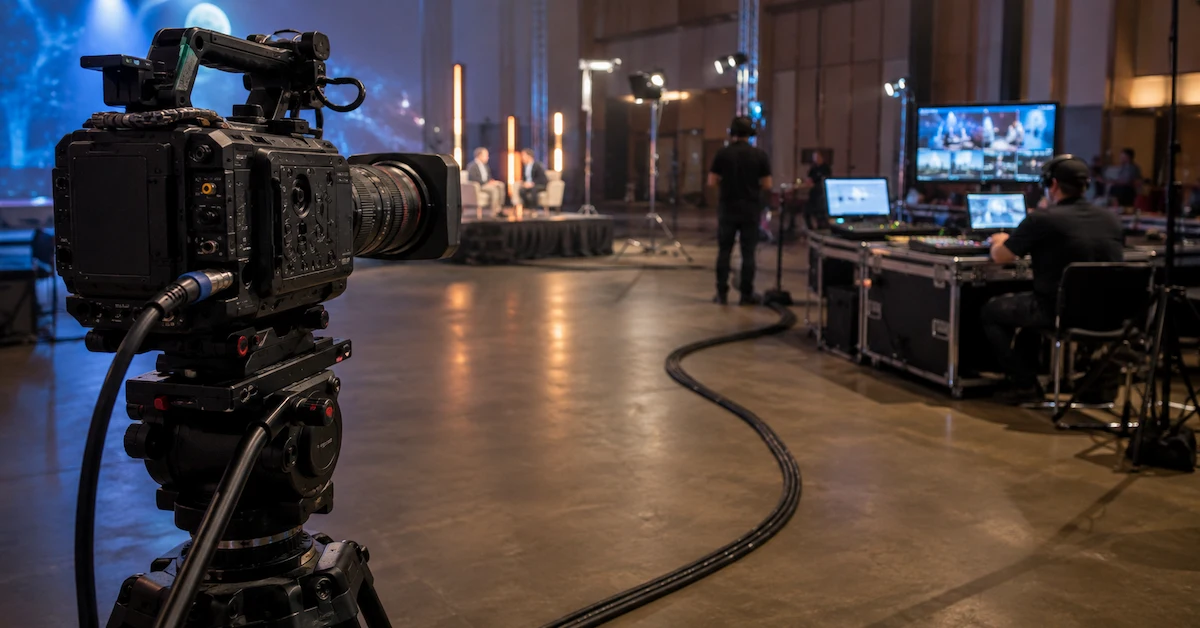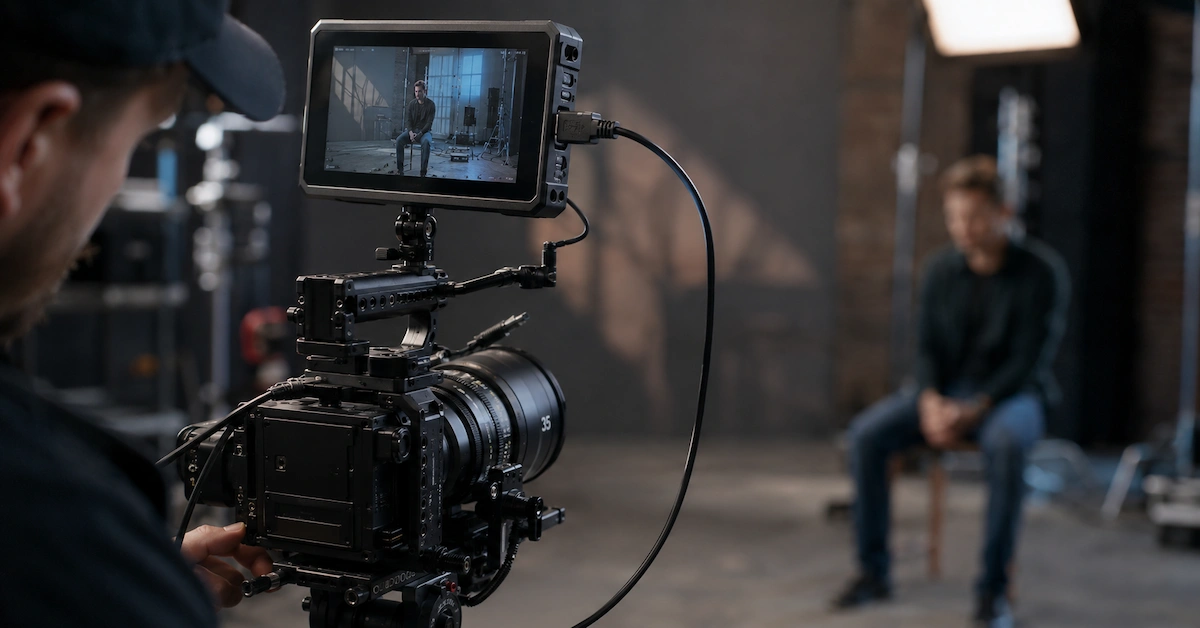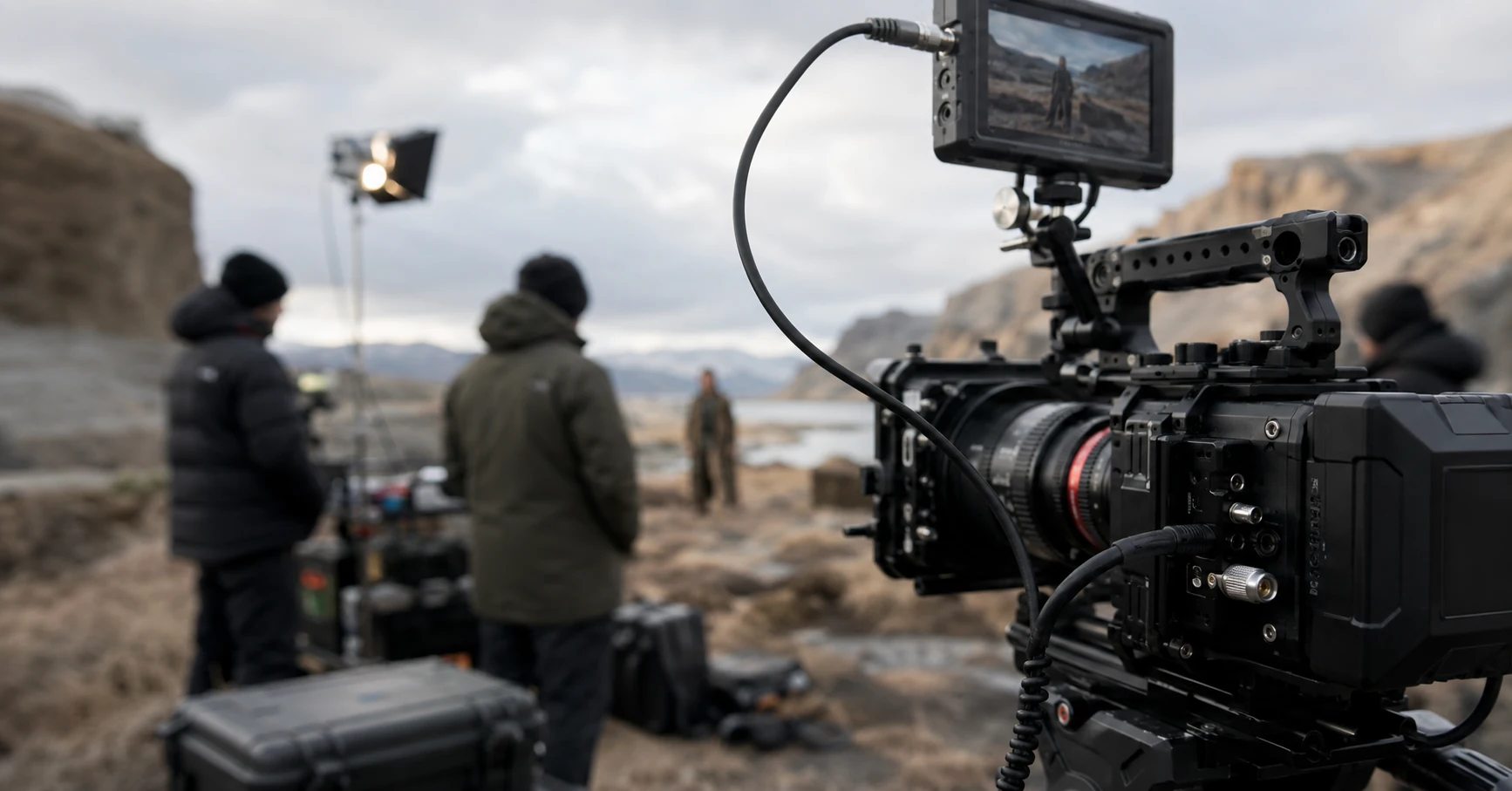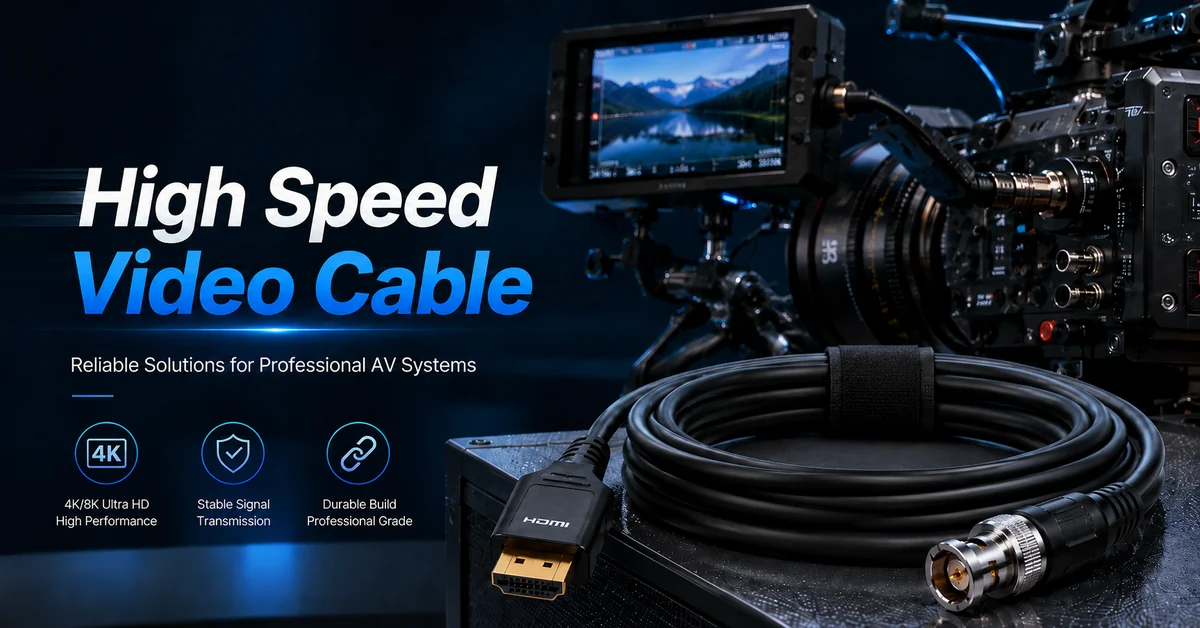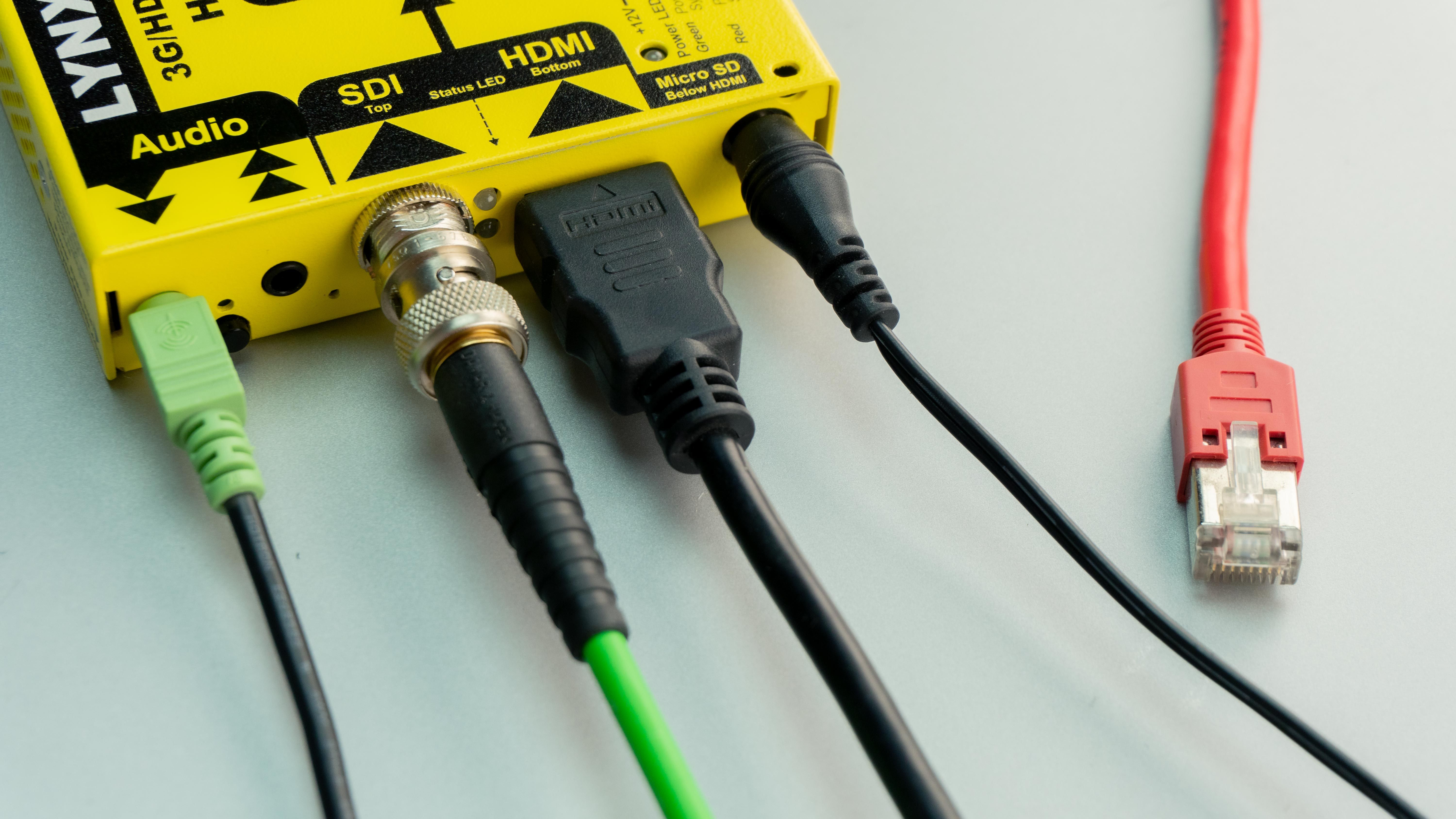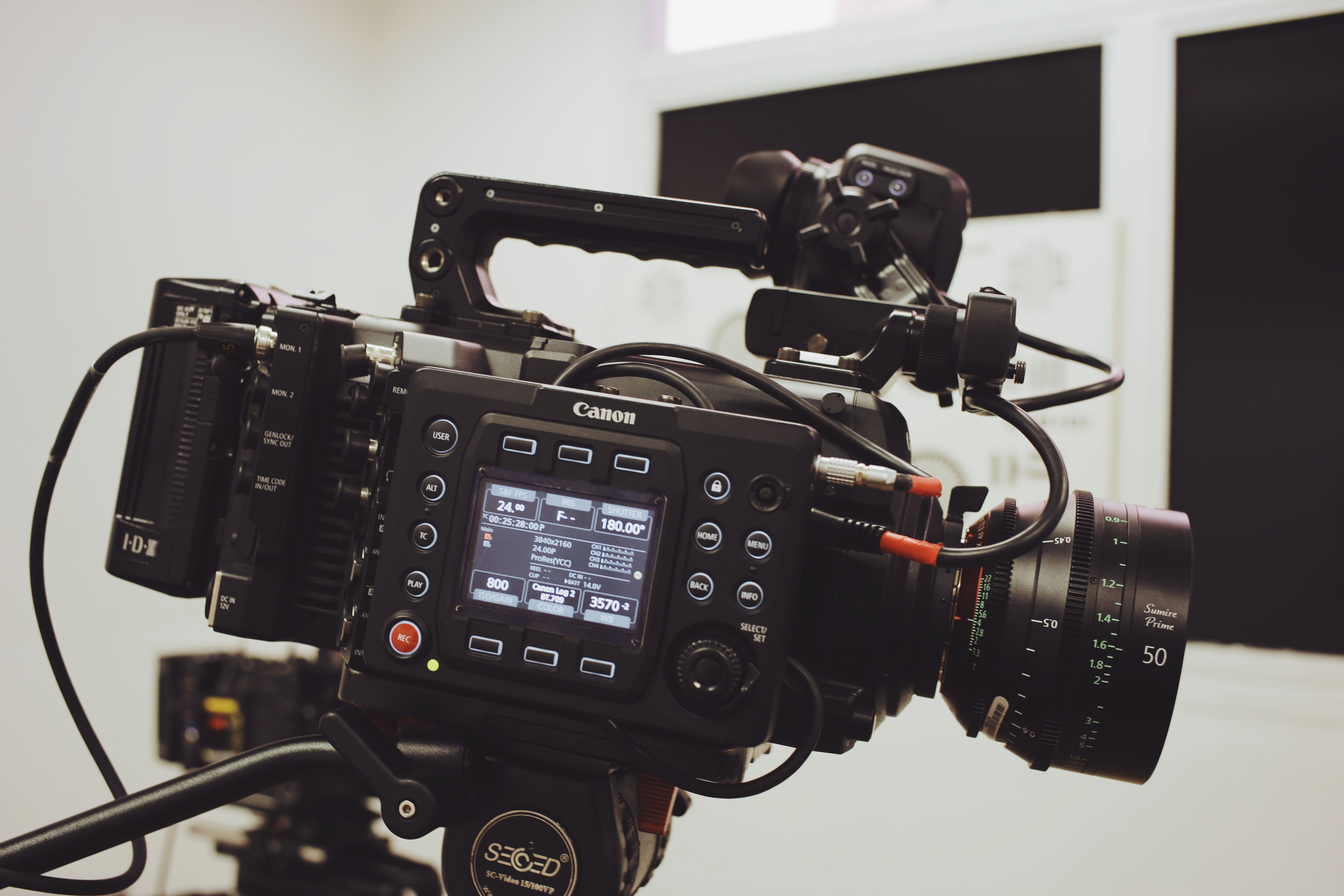
In modern filming environments, cameras are constantly in motion. Whether using handheld rigs, stabilizers, or gimbals, flexibility is no longer optional—it’s essential.
However, many setups still rely on rigid cables, leading to common problems:
- Restricted camera movement
- Signal drop caused by bending stress
- Connectors loosening during operation
These issues not only interrupt shooting but also reduce efficiency on set.
A well-designed flexible camera cable addresses these challenges by allowing smooth movement while maintaining stable signal transmission. In professional workflows, choosing the right flexible camera cable directly impacts reliability and performance.
How Flexible Camera Cable Design Maintains Signal Integrity
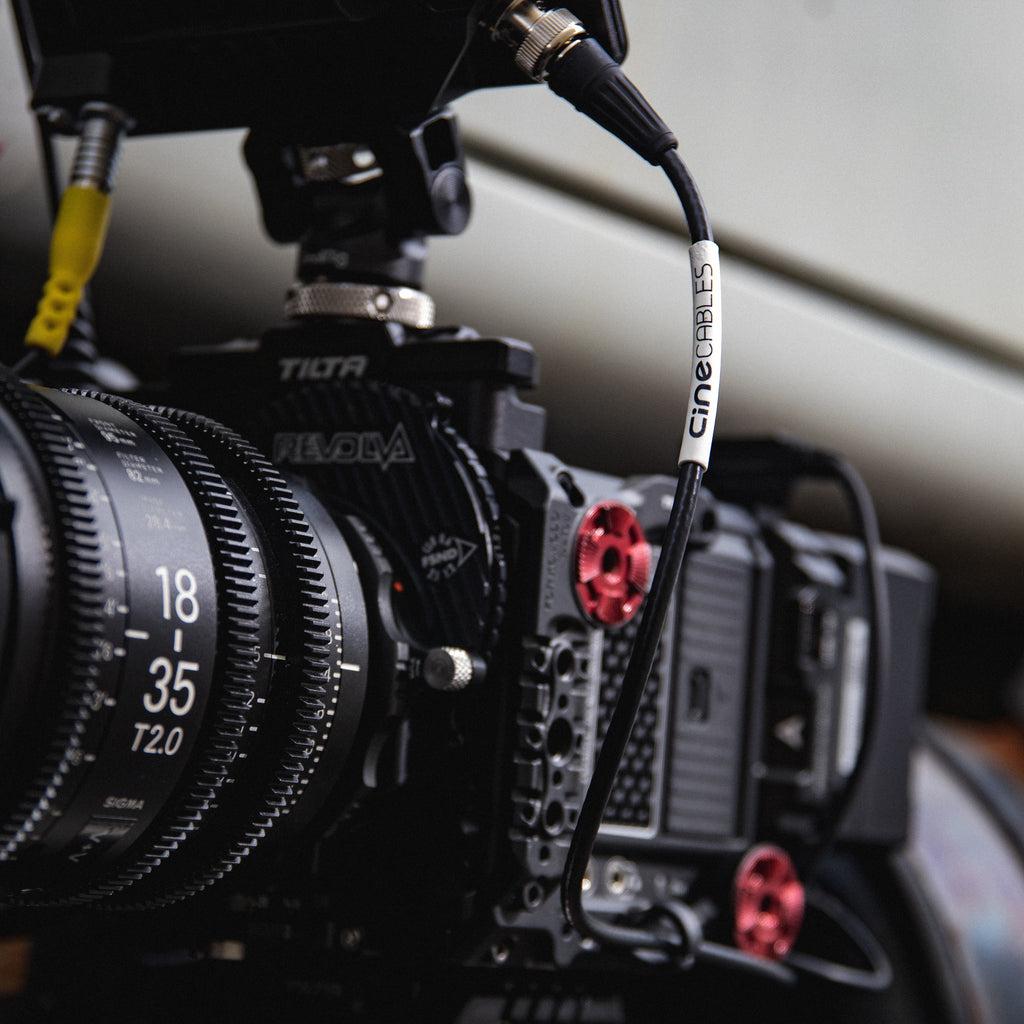
A flexible camera cable is not simply softer—it is engineered differently from standard cables.
Key design elements include:
- Fine-strand copper conductors
Allow repeated bending without internal breakage - Soft outer jacket materials (TPE / TPU)
Maintain flexibility without compromising durability - Layered shielding structure
Protect signal integrity during movement - Compact, reinforced connectors
Prevent loosening in dynamic setups
These features ensure that a flexible camera cable can handle real-world filming conditions without sacrificing signal quality.
To understand our engineering approach, visit:
https://www.alvins.com/about-us
Flexible Camera Cable vs Standard Camera Cable
| Feature | Standard Cable | Flexible Camera Cable | Impact |
|---|---|---|---|
| Flexibility | Low | High | Smooth camera motion |
| Signal Stability | Moderate | High | Reliable output |
| Durability | Limited | High | Longer lifespan |
| Connector Stability | Basic | Secure fit | Reduced failure |
| Use Scenario | Static setups | Dynamic rigs | Better adaptability |
This comparison highlights why flexible solutions are essential for professional setups.
Building a Reliable Flexible Cable Solution
Designing a reliable flexible camera cable requires a structured process:
Step 1: Movement Requirement Analysis
Understand bending frequency and motion range
Step 2: Material Optimization
Select high-flexibility, fatigue-resistant materials
Step 3: Connector Matching
Ensure compatibility with camera and monitor systems
Step 4: Shielding Design
Maintain signal stability under motion
Step 5: Real-World Testing
Validate durability in actual filming conditions
Explore available cable options here:
https://www.alvins.com/custom-category/all
A properly engineered flexible camera cable ensures long-term reliability in demanding environments.
Advantages of Using Flexible Camera Cable in Filming
Using a flexible camera cable provides clear benefits:
- Smooth camera operation without restriction
- Reduced signal interruptions during movement
- Improved durability under repeated bending
- Consistent performance in professional setups
These advantages make flexible camera cables essential for modern production workflows.
Where Flexible Camera Cable Performs Best
Flexible camera cables are widely used in:
- Gimbal and stabilizer systems
- Handheld and shoulder rigs
- Drone and mobile filming setups
- Tight or complex installation environments
Selection Tips:
- Choose high strand-count cables for better flexibility
- Match connector types (HDMI / SDI / LEMO)
- Consider cable length and movement range
- Ensure proper shielding for signal stability
For more guidance, visit:
https://www.alvins.com/faqs
Selecting the right flexible camera cable ensures optimal performance across all scenarios.
FAQ
Q1: What makes a flexible camera cable different from a standard cable?
A flexible camera cable is designed with fine-strand conductors and soft outer materials, allowing repeated bending without affecting performance. This makes it ideal for dynamic filming setups where movement is constant.
Q2: Does a flexible camera cable affect signal quality?
No. A high-quality flexible camera cable maintains stable signal transmission through proper shielding and conductor design, even in motion-heavy environments.
Q3: How do I choose the right flexible camera cable for my setup?
You should consider connector type (HDMI, SDI, or LEMO), cable length, flexibility requirements, and shielding level. Matching the cable to your camera rig ensures stable performance.
Q4: Are flexible camera cables more durable than standard cables?
Yes. A properly engineered flexible camera cable is built to withstand continuous bending and movement, making it more durable in professional filming conditions.
Q5: Where are flexible camera cables commonly used?
Flexible camera cables are widely used in gimbals, handheld rigs, drones, and compact filming setups where movement and cable stress are unavoidable.
Stable Filming Performance Starts with the Right Cable Choice
In professional filming, cable performance directly affects workflow efficiency and reliability.
A high-quality flexible camera cable ensures:
- Stable signal during continuous movement
- Reliable connection under stress
- Long-term durability in demanding environments
At Alvins, we design flexible camera cable solutions tailored for real-world filming conditions.
Explore our solutions here:
https://www.alvins.com/
Or request a custom cable solution:
https://www.alvins.com/request-a-quote