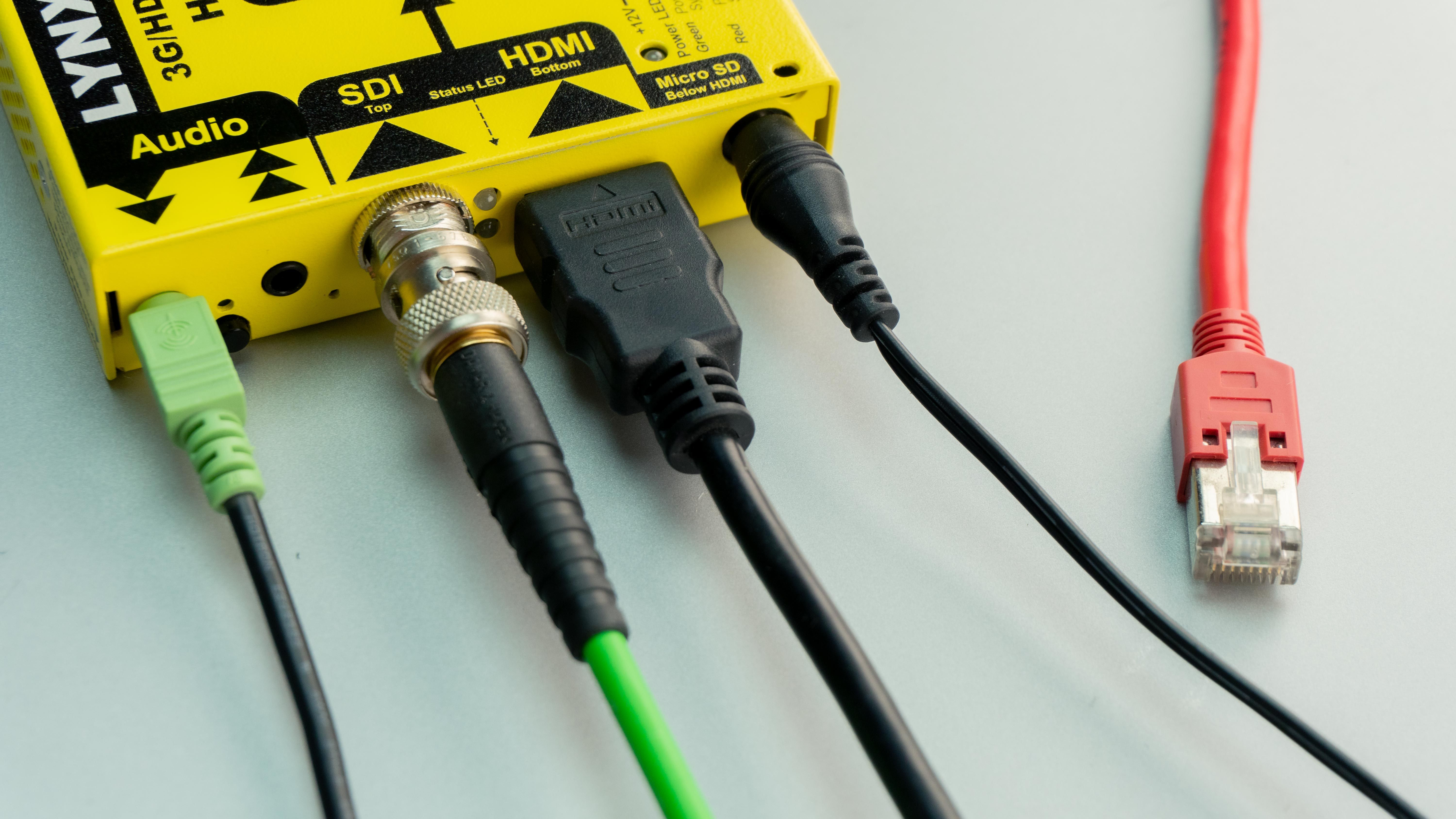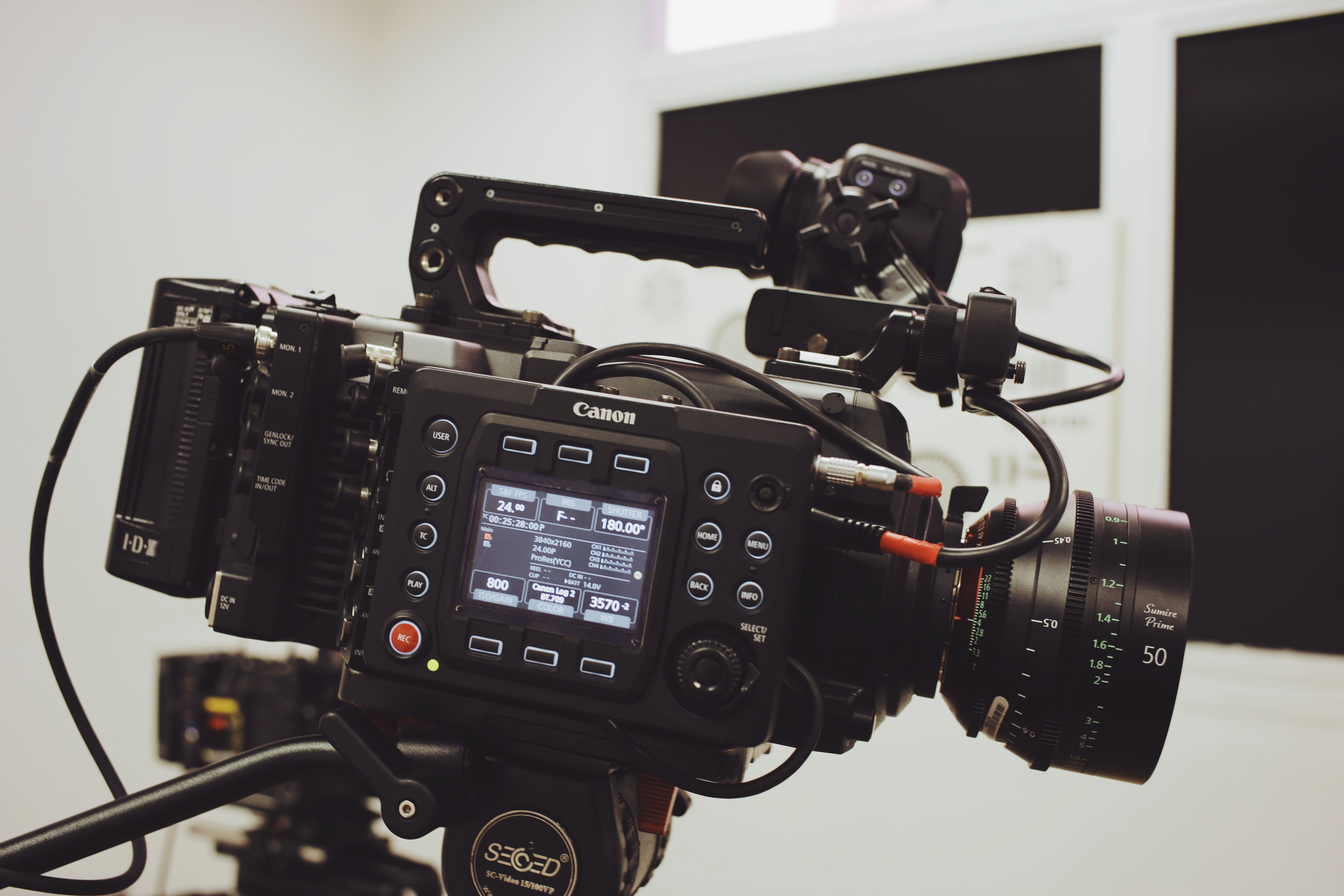
In many video systems, signal issues are often blamed on cameras, monitors, or switching equipment.
However, in real-world applications, the root cause is frequently the video transmission cable itself.
Typical problems include:
- Signal flickering or dropouts
- Interference in multi-device setups
- Degraded image quality over distance
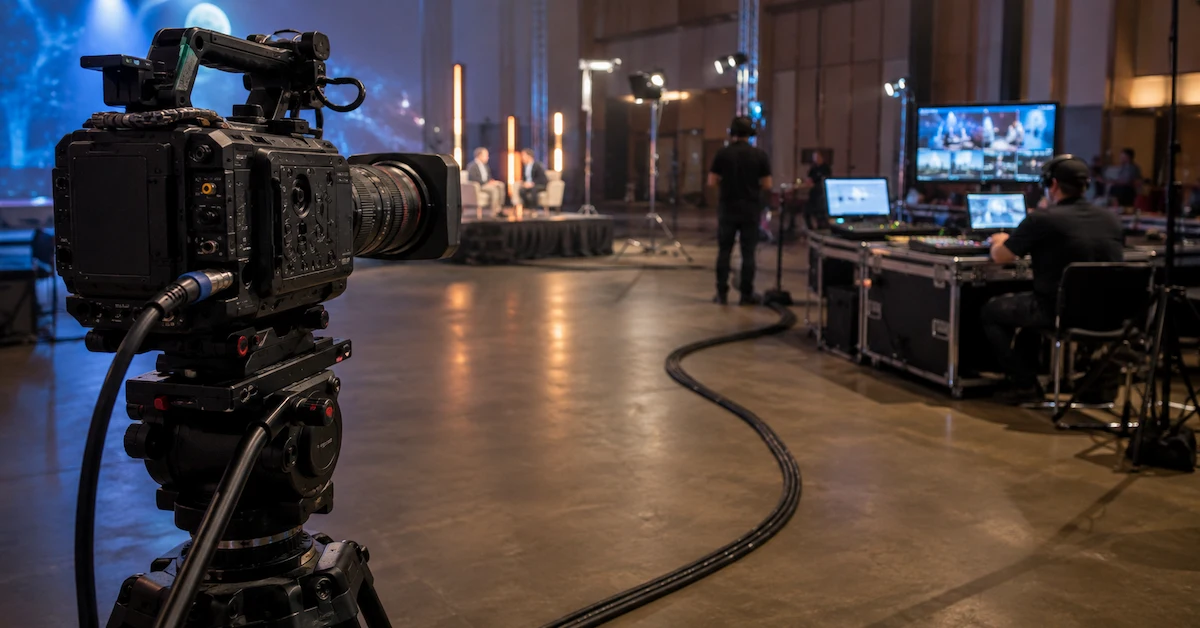
These issues become more noticeable in professional environments such as broadcast studios, filming sets, and monitoring systems.
A poorly designed video transmission cable can limit the performance of the entire system.
How Video Transmission Cable Design Affects Signal Quality
Signal transmission is not just about connectivity—it depends on how the cable is engineered.
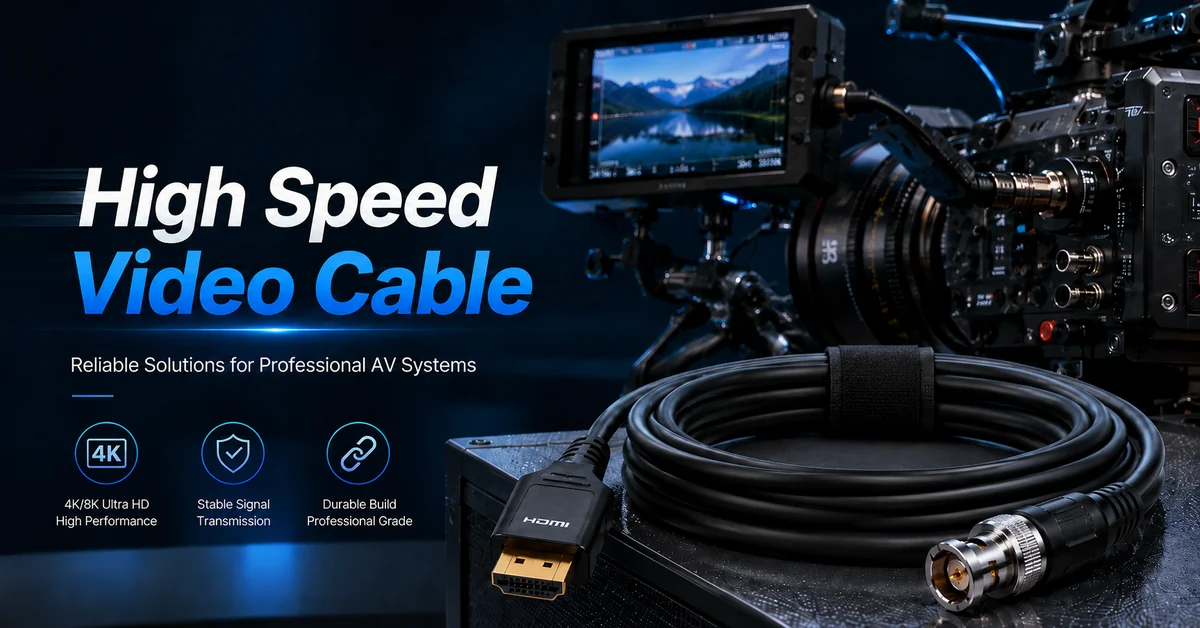
A high-performance video transmission cable typically includes:
- High-purity copper conductors
Reducing signal loss and maintaining transmission quality - Controlled impedance structure
Ensuring compatibility with SDI and HDMI systems - Multi-layer shielding (foil + braid)
Minimizing electromagnetic interference - Precision connectors
Maintaining stable and secure connections
Proper design ensures that signal integrity is preserved across different environments.
Standard Cable vs Video Transmission Cable
Not all cables perform equally in video applications.
| Feature | Standard Cable | Video Transmission Cable | Impact |
|---|---|---|---|
| Signal Stability | Moderate | High | Clear video output |
| Interference Resistance | Basic | Advanced | Reduced noise |
| Transmission Distance | Limited | Extended | Better coverage |
| Connector Quality | Basic | Precision | Stable connection |
| Durability | Low | High | Long-term use |
A dedicated video transmission cable provides clear advantages in professional systems.
How a Proper Solution Improves System Reliability
To ensure stable signal transmission, cable selection should follow a structured approach:
Step 1: Define Signal Requirements
Resolution, bandwidth, and transmission distance
Step 2: Select Cable Type
SDI, HDMI, or hybrid solutions
Step 3: Match Connectors
Ensure compatibility with devices
Step 4: Optimize Shielding
Reduce interference in complex setups
Step 5: Validate Performance
Test under real working conditions
You can explore compatible solutions here:
https://www.alvins.com/custom-category/all
A well-designed video transmission cable significantly improves system stability.
Key Advantages of a High-Quality Video Transmission Cable
Choosing the right cable provides:
- Stable and uninterrupted signal transmission
- Reduced interference in complex environments
- Reliable performance over long distances
- Improved durability under repeated use
For more about our engineering capabilities, visit:
https://www.alvins.com/about-us
Where Video Transmission Cable Matters Most
Video transmission cables are widely used in:
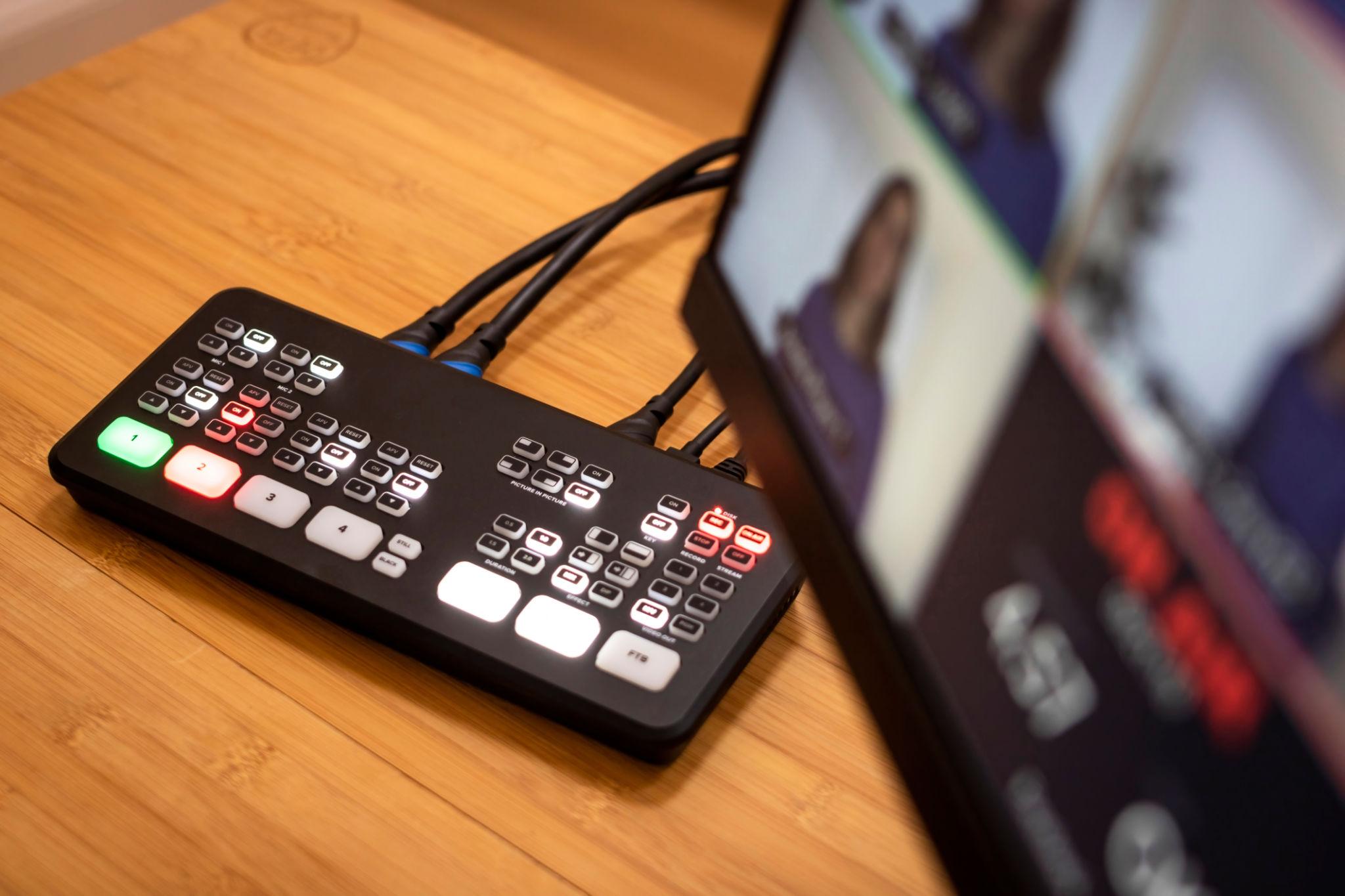
- Broadcast and live production
- Professional filming setups
- Surveillance and monitoring systems
- Multi-screen display environments
Each of these scenarios requires consistent and reliable signal performance.
How to Choose the Right Video Transmission Cable
When selecting a cable, consider:
- Required transmission distance
- Signal type (HDMI / SDI)
- Environmental conditions
- Connector compatibility
- Cable flexibility and durability
For common technical questions, see:
https://www.alvins.com/faqs
A suitable video transmission cable should match both technical requirements and real usage conditions.
Frequently Asked Questions
What is the difference between SDI and HDMI transmission cables?
SDI cables are typically used for long-distance broadcast applications, while HDMI cables are more common in short-range, high-definition setups.
How does shielding affect video transmission?
Shielding reduces electromagnetic interference, helping maintain stable signal quality in complex environments.
Can one cable type work for all video systems?
No. Different systems require different cable types depending on signal format, distance, and application.
Reliable Video Systems Start with the Right Cable
A stable video system depends on more than just devices—it depends on the quality of the connections between them.
A well-designed video transmission cable ensures:
- Consistent signal performance
- Reduced interference
- Long-term reliability
At Alvins, we provide cable solutions designed for real-world video environments.
Explore more here:
https://www.alvins.com/
Or request a custom solution:
https://www.alvins.com/request-a-quote